I remember sitting in that stiff dental chair, my palms sweating, as I stared at a plastic ring of porcelain samples. My dentist handed me a mirror and asked the impossible: “Which white do you want?” I immediately pointed to the brightest, most blinding tab on the ring—the kind of white that looks like a freshly painted picket fence. I thought that was the goal. I was wrong. I almost made the mistake that makes your teeth look too white and fake, and it took a very patient professional to talk me off the ledge. Selecting the right shade isn’t just about brightness; it’s about harmony. Today, I’m going to help you skip the panic and the ‘glow-in-the-dark’ dental disasters by showing you how to choose a shade that makes people say ‘you look great’ rather than ‘who is your dentist?’
Your Teeth Should Complement Your Skin Tone
Picking a veneer shade in a vacuum is a recipe for regret. I learned the hard way that a shade that looks stunning on a sample card can look completely different once it is bonded to your teeth. This is often the reason your veneers look different in sunlight compared to the fluorescent office lights. You have to consider your complexion. If you have a cooler skin tone, those ultra-bright bleaches might actually work, but for those of us with warmer or olive undertones, a slightly creamier white is what actually creates that healthy, vibrant look. The goal of transforming your smile with veneers is to enhance your natural beauty, not to replace it with something that looks like it belongs on a mannequin. According to the American Academy of Cosmetic Dentistry (AACD), the most successful aesthetic outcomes occur when the teeth are customized to the patient’s facial features and age.
Is going too bright actually worth the risk?
Many of my neighbors worry that if they don’t go for the whitest possible shade, they are ‘wasting’ their investment in cosmetic dentistry secrets. I felt that exact same way. But here is the truth: the most expensive-looking smiles are the ones that no one suspects are artificial. When you go too bright, you lose the translucency that real enamel has, leaving your teeth looking flat and opaque. Have you ever looked at a photo of yourself and felt like your teeth were the only thing the camera actually saw? That is exactly what we are trying to avoid here. We want a shade that matches the whites of your eyes—that is the secret gold-standard rule that most people miss. Next, we will dive into the specific ‘categories’ of white and how to test them against your own face before the permanent cement comes out.
Step Into the Light Before You Decide
To get this right, you have to leave the dental chair. Most dental offices use cool-toned fluorescent bulbs that suck the life out of color. If you pick your shade under those lights, you might be shocked to find the reason your teeth look darker in certain lighting conditions once you step outside. I remember my own selection day vividly. I was wearing a vibrant navy blue sweater, and when I looked at the ‘B1’ sample—a very popular, bright shade—it looked incredibly white. But my dentist stopped me. He placed a neutral gray bib over my chest and had me walk to the lobby window. In the natural sun, that same shade suddenly looked stark and almost blue. The neutral background and the natural light revealed the truth: I needed something with a hint more warmth to keep it from looking like plastic. Always insist on seeing your chosen sample in ‘daylight’ or near a window before the lab starts fabrication.
Neutralize Your Surroundings
When you are testing these samples against your face, your clothing and even your lipstick can sabotage the result. Wear neutral colors—grays, whites, or tans—to your appointment. If you are wearing a bright red or pink shirt, the reflection will cast a hue onto your skin and the porcelain, leading to a mismatched final product. This is a foundational part of family dentistry tips for a lifetime of healthy smiles; your dental work should harmonize with your natural biology, not fight against your wardrobe.
Match the Shade to Your Eye Whites
This is the single most effective ‘pro tip’ in cosmetic dentistry. If you want a smile that looks high-end but natural, the brightness of your veneers should not exceed the brightness of the whites of your eyes (the sclera). If your teeth are significantly whiter than your eyes, the teeth will ‘pop’ in a way that looks artificial and distracting. This is often why your teeth look yellow despite using whitening toothpaste sometimes—the contrast with your eyes or skin is simply off. By matching the sclera, you create a facial balance that signals health rather than a recent surgery. 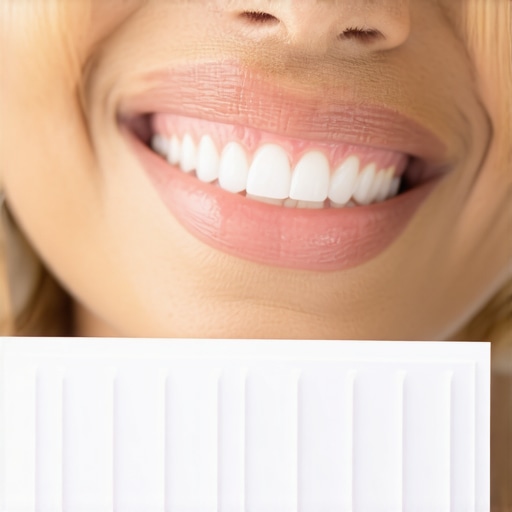
Avoid the Monolith of One Single Color
Real teeth are not one flat color from top to bottom. They are darker and more opaque near the gum line and become more translucent toward the biting edge. When you are looking at a veneers transformation unlocking your best smile yet, look for ‘incisal translucency.’ This is where the very tip of the tooth allows a bit of light to pass through, just like a natural tooth does. If your veneers are one solid, opaque block of white, they will look like chiclets. This lack of depth is a common reason why your veneers feel bulkier than your natural teeth—they lack the visual lightness that translucency provides. Ask your dentist about ‘layering’ the porcelain. A skilled lab technician will use different powders to mimic the way light bounces around inside a natural tooth, ensuring that your ‘new’ smile has the same character and life as the one you were born with.
Don’t Let a Hollywood Smile Ruin Your Natural Teeth
Let’s dig deeper into the biggest ‘oops’ I see in modern cosmetic dentistry: aggressive over-preparation. There is a common belief that more drilling equals a more secure bond, but the truth is often the opposite. According to research published in the Journal of Esthetic and Restorative Dentistry, the strongest bond is achieved when the porcelain is adhered directly to enamel, not the underlying dentin. If your dentist is being too ‘aggressive’ to achieve a certain shade, they might be compromising the mechanical integrity of the work. This is exactly why porcelain veneers sometimes cause sensitivity to cold drinks—too much of your protective natural shield was removed in the pursuit of perfection. Before you commit, you should understand the trade-offs between veneers vs crowns choosing the best option for your smile; sometimes, a more conservative approach is the only way to ensure your smile lasts decades rather than years.
Will Your Gums Actually Support a Radical Transformation?
I often hear from people who are thrilled with their new white teeth but devastated when their gums start to pull away months later. This ‘biological width’ violation happens when a restoration is placed too deep under the gum line. It is a sophisticated trap. You might find the reason your gums are receding around one specific tooth is actually due to an ill-fitting edge that your body is trying to ‘reject’ through inflammation. Have you ever fallen into this trap? Let me know in the comments. We have to look past the surface level and ensure the foundation is rock solid before the aesthetic work begins. This is a foundational part of family dentistry tips for a lifetime of healthy smiles—health always precedes beauty.
#IMAGE_PLACE_HOLDER_C#
The Bone Loss Myth That Scares People Away
When it comes to restorative work like implants, many patients are told they aren’t candidates because they’ve waited too long. But here is the contrarian view: bone loss isn’t the dead end it used to be. With the future of dental implants cutting edge techniques in cosmetic dentistry, we can now navigate complex cases that were once considered impossible. Don’t be discouraged by the truth about getting dental implants if you have existing bone loss; advanced grafting and specialized placement techniques have completely changed the landscape. You might even find you are a candidate for immediate load implants if your structural density is assessed with modern 3D imaging. It’s about looking at the whole biological picture, not just a single x-ray. Have you ever felt like you were too far gone for a smile makeover? It’s rarely the case with today’s technology, provided you prioritize the architecture over the accessories.
Stop Your New Smile from Wearing Down Early
I learned the hard way that a beautiful smile is an investment that requires an insurance policy. For me, that policy is a custom-made occlusal guard. If you’ve spent thousands on veneers transformation unlocking your best smile yet, the last thing you want is to grind that porcelain into dust while you sleep. I personally use a hard-soft hybrid guard—it’s rigid on the outside to take the force of my jaw, but soft on the inside for comfort. Without it, you risk the porcelain chipping or even what to do when a veneer pops off during dinner because the lateral forces of grinding weakened the bond. You also need to know how to clean your night guard without damaging the material to avoid bacterial buildup that can lead to gum irritation.
How can I make my veneers and implants last decades?
It really comes down to the tools you use every morning and night. I’ve retired traditional string floss for my daily routine, switching instead to the Waterpik Aquarius. Why? Because string floss can occasionally catch on the margins of a veneer if not handled perfectly, whereas a water flosser flushes the sulcus without mechanical friction. This is vital for family dentistry tips for a lifetime of healthy smiles. For my friends with implants, I recommend a specialized sulcus brush. According to a landmark study in the Journal of Oral Implantology, the long-term success of an implant is directly correlated with the meticulous management of the biofilm at the gum line. If you notice why your dental implant crown feels slightly wiggly when you bite, it might be a sign of bone loss or a loose screw, both of which are often preventable with strict hygiene protocols.
#IMAGE_PLACE_HOLDER_D#
The Tech That Changes Everything in 2025
Looking ahead, I predict we are moving toward Digital Twins of our dental health. Imagine having a 3D scan of your mouth that tracks changes in your gum line or enamel wear with sub-millimeter precision over years. We are already seeing this with how dental implants reshape your oral health in 2025 and other innovations that redefine comfort. This tech isn’t just for the dentist; it’s for us to see the proof of our maintenance efforts. If you’re a coffee lover like me, you also need the secret to keeping white teeth while drinking morning coffee, which involves using a straw and immediate rinsing to protect that porcelain luster. If you are worried about your current setup, contact us to see if a quick adjustment could save your smile.
My biggest piece of advice? Go buy a high-quality electric toothbrush with a pressure sensor. I use the Philips Sonicare ProtectiveClean 6100 because it vibrates when I’m pressing too hard. This single feature has saved me from how to tell if your gum recession is caused by brushing too hard. Give it a try for one week; your gums will thank you.
The Reality Check Most Cosmetic Consultants Skip
After years of navigating the world of porcelain and prep-work, a few ‘lightbulb moments’ changed everything for me. First, never rush the ‘temp’ phase; your temporary veneers are a low-stakes test drive for your new look—if you don’t love the shape or shade there, you won’t love it in the final porcelain. Second, a ‘perfect’ smile actually includes tiny imperfections like slight rotations or varied translucency that mimic nature. Finally, remember that cosmetic dentistry secrets aren’t about hiding your personality, but letting it shine through a healthier-looking version of yourself.
My Daily Gear for a Smile That Lasts Decades
I don’t leave my investment to chance, and neither should you. I swear by the Philips Sonicare ProtectiveClean 6100 because the pressure sensor is the only thing standing between me and unnecessary gum wear. I also recommend following the American Academy of Cosmetic Dentistry’s patient guides for non-biased research. For those debating their next step, comparing veneers vs crowns which is right for your smile is a great way to start your journey with professional clarity.
#IMAGE_PLACE_HOLDER_E#
Build a Smile You Actually Recognize in the Mirror
At the end of the day, the most beautiful smile is the one that makes you feel like the best version of yourself, not a filtered version of someone else. Whether you are exploring expert tips for perfect results or just starting to look into your options, prioritize facial harmony over temporary trends. You deserve a smile that feels as good as it looks. If you’re ready to take that next step or have questions about your specific shade, don’t hesitate to reach out to us for a personal consultation. Have you ever felt overwhelmed by all the different ‘shades of white’ at the dentist? Let me know in the comments below!