I was standing in the back of a friend’s outdoor wedding last summer, feeling like a million bucks in a tailored navy suit, right up until I caught my reflection in a side mirror during the reception. The “golden hour” light—that magical, soft glow photographers crave—had turned my smile into something that looked more like old parchment than the pearly whites I thought I had. I’d spent weeks using whitening strips, yet there I was, looking like I’d been drinking straight espresso for a decade. It was a punch to the gut. I realized then that my bathroom mirror had been lying to me for months. It wasn’t just me, either; I’ve talked to dozens of neighbors who feel like their teeth “change colors” depending on the room they’re in. Today, I want to pull back the curtain on why this happens and how you can finally get a consistent smile that doesn’t hide when the sun comes out.
Stop Blaming Your Coffee for Everything
Most of us assume that if our teeth look dark, it’s because we aren’t brushing enough or we’re over-indulging in red wine. While those factors play a part, the real culprit is often how light interacts with the layers of your teeth. Your enamel is essentially a translucent window, and the dentin underneath is the actual “paint” color. When the lighting shifts from the cool, blue-ish LEDs in your bathroom to the warm, orange hues of a sunset or the harsh fluorescent bulbs in an office, the way light scatters through that enamel changes completely. I once made the mistake of thinking the mistake that makes your teeth look too white and fake was the only way to fix it, but slapping on more bleach isn’t always the answer if your enamel is thinning.
Why Does the Sun Make My Teeth Look Worse?
You might be skeptical. After all, a white shirt is a white shirt regardless of whether you’re under a streetlamp or in a basement. But teeth are biological structures, not cotton fabric. According to the American Academy of Cosmetic Dentistry, the opalescence of enamel means it can actually reflect shorter wavelengths of light (like blue) more than longer ones, creating a visual “chameleon effect” that backfires in certain environments. If you’ve ever wondered why your teeth look yellow despite using whitening toothpaste, it’s likely because the toothpaste can’t change the way light hits the deeper structures of your smile.
How Your Enamel Plays Tricks on the Eyes
I’ve seen it happen dozens of times: someone gets beautiful new dental work, only to find the reason your veneers look different in sunlight is because the material doesn’t perfectly mimic the light-absorbing properties of natural bone. It’s frustrating. It makes you want to hide your smile in photos. We’re going to fix that today by looking at the specific light types that ruin your confidence and how to adjust your dental care to compensate. Have you ever been shocked by a photo of yourself where your teeth looked gray, even though you just left the dentist? It can be a real confidence killer. Sometimes a dark tooth is even a sign of physical trauma, like why your front tooth looks grey after a minor hit. Let’s dive into the science of shadows and translucency so you can stop second-guessing every mirror you pass.
Audit Your Smile Across the Spectrum
To solve the chameleon effect, you need to see your smile for what it actually is, not what the 5000K LED in your bathroom claims it is. I remember buying five different brands of light bulbs at a home improvement store just to see which one made me look the least like a ghostly shadow. I had lamps spread out on my dining room table, switching from ‘cool daylight’ to ‘warm sunset’ like a mad scientist. What I discovered was shocking: the more I aggressively bleached, the more my teeth seemed to disappear or turn a muddy violet in certain lights. 
Identify Your Smile’s Light Profile
Start by checking your teeth in three specific environments: direct natural sunlight, soft indoor incandescent light, and harsh office fluorescents. If they look great in the sun but dull in the office, your surface texture might be too porous, catching shadows instead of reflecting light. If they look ‘flat’ everywhere, you might have over-bleached, stripping away the prismatic quality of your enamel. This is often the reason your teeth look grey instead of yellow or white, as the dark oral cavity starts to show through the thinned-out tooth structure.
Why You Should Stop Scrubbing and Start Strengthening
Most of us reach for the strongest abrasive we can find when we don’t like what we see. We think of teeth like a stained countertop that needs a good scouring. But your enamel isn’t a solid block; it’s a lattice of minerals. When you use harsh methods, you’re essentially sanding down your only protection. I’ve seen people destroy their light-reflecting properties by falling for the truth about charcoal toothpaste and your tooth enamel, which acts like liquid sandpaper. Instead of scrubbing, focus on remineralization. Think of it like adding a clear coat to a car. You want to fill in those microscopic pits so light bounces off a smooth surface. This creates that ‘glow’ that survives even the worst lighting. This structural care is at the heart of family dentistry tips for a lifetime of healthy smiles, focusing on preservation over aggressive correction.
Rebuild the Window Instead of Just Cleaning the Glass
Sometimes, the damage is already done, or genetics just handed you thin enamel. In these cases, you aren’t going to ‘brush’ your way to a better light-reflection profile. This is where veneers transformation unlocking your best smile yet becomes a functional tool rather than just a cosmetic one. High-quality porcelain acts as a secondary layer of enamel that is engineered to handle light exactly like a natural tooth. It’s like putting a high-end filter over a camera lens; it manages the ‘input’ of light so the ‘output’ is consistent. If you aren’t ready for that level of change, you must master the art of how to maintain your white smile after a coffee habit by using non-abrasive barriers. By creating a smooth, hydrated surface, you prevent the ‘yellow’ of the dentin from becoming the star of the show every time you step outside. It’s about managing the translucency, not just the pigment.
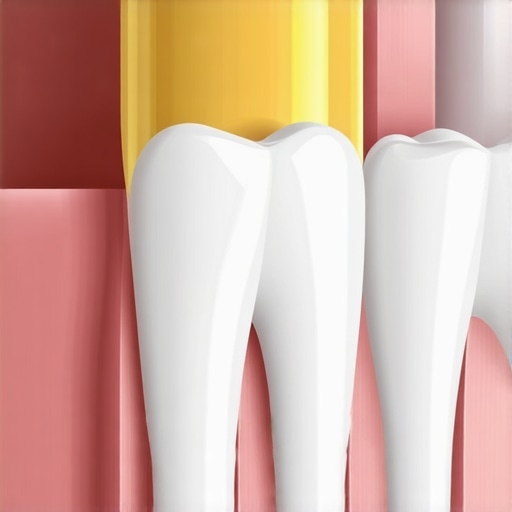
But here’s the advanced nuance most offices won’t tell you: the ‘perfect’ white you see on a color tab isn’t what your teeth will actually look like once they are bonded. I’ve seen so many patients fall into the trap of choosing a monochromatic BL1 shade, thinking it’s the gold standard. In reality, a natural tooth has a graduation of color—more saturated at the gum line and more translucent at the edge. If you ignore this, you end up with what I call the ‘Piano Key’ effect. This is precisely the mistake that makes your teeth look too white and fake in family photos. Have you ever fallen into this trap? Let me know in the comments.
Avoid the Piano Key Effect at the Gum Line
When you are looking at transform your smile with veneers expert tips for perfect results, you have to consider ‘value’ over ‘hue.’ Value is essentially the brightness of the tooth. If the value is too high, the teeth look like they are glowing in the dark, which is a common mistake in lower-tier cosmetic work. A study published in the Journal of Prosthetic Dentistry highlights that metamerism—the phenomenon where colors match under one light source but not another—is the leading cause of patient dissatisfaction. To avoid this, your dentist should be checking your shade under ‘north sky’ daylight, not just the bright operatory light that sits six inches from your face.
Can Your Choice of Material Cause a Gray Shadow?
One of the most frustrating things for patients is when they spend thousands on a new smile, only to see a dark line appear at the gums a year later. This isn’t always gum disease. Often, why your gums look dark around a porcelain fused to metal crown is simply the result of light being blocked. When light can’t pass through the restoration into the root (as it does with natural teeth), the gum tissue literally sits in a shadow. This is why I advocate for all-ceramic or zirconia options when we look at the future of dental implants cutting edge techniques in cosmetic dentistry. These materials allow for a ‘biological glow’ that keeps the tissue looking pink and healthy.
Why Zirconia Beats Metal in the 2025 Smile
If you are considering permanent replacements, you need to understand the mechanical nuances too. It’s a myth that all implants feel the same. For instance, some patients describe a strange sensation, wondering why your dental implant feels like its vibrating when you talk. This is frequently due to the way the crown is indexed or a slight mismatch in the density of the restoration compared to the surrounding natural teeth. Choosing the right material isn’t just about the ‘look’; it’s about how the restoration handles the micro-vibrations of speech and chewing. This level of detail is what separates a standard procedure from a life-changing veneers transformation unlocking your best smile yet. Don’t settle for a shade that looks good in a dimly lit office—demand a smile that holds up when you’re standing in the sun at your next big event.
Once you’ve invested in a smile that doesn’t disappear in the sun, the real work begins—the maintenance phase. I used to think a regular toothbrush was enough, but after chatting with a prosthodontist, I realized I was treating high-performance porcelain like a cheap plastic toy. For anyone with restorative work, the Waterpik Aquarius is my non-negotiable tool. It’s not just about the convenience; it’s about the 360-degree cleaning around the margins of your work where a traditional string might snag or miss. This is especially vital if you’re trying to figure out the secret to flossing comfortably with a permanent retainer or around delicate gum lines. 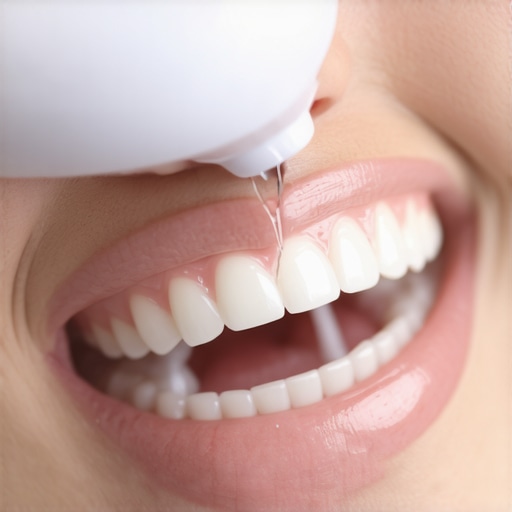
How do I keep my dental work looking fresh for ten years?
Maintenance isn’t just about scrubbing; it’s about chemistry. According to a study in Clinical Oral Implants Research, the surface roughness of zirconia—while incredibly durable—is susceptible to specific types of biofilm that can dull that light-reflecting ‘glow’ we worked so hard to get. I personally switched to a hydroxyapatite-based toothpaste. Unlike the grit found in whitening pastes, hydroxyapatite actually fills in micro-fissures in your natural teeth while keeping your veneers transformation unlocking your best smile yet perfectly polished without scratching the glaze. If you’re seeing a shift in color, remember why your teeth look yellow despite using whitening toothpaste: it’s likely an abrasive issue, not a cleaning one. Protecting these investments is a core part of family dentistry tips for a lifetime of healthy smiles. Looking ahead to 2025, I predict we will see the rise of ‘Digital Twin’ shade matching. Instead of a plastic tab, dentists will use hyperspectral imaging to map how your teeth reflect every single wavelength of light, creating a digital blueprint that ensures dental implants 2025 innovations that redefine comfort and durability look identical to your natural teeth in every possible setting. This is how how dental implants reshape your oral health in 2025 by merging biology with pixel-perfect precision. I want you to try this tonight: take a high-res photo of your smile in your car during a cloudy day, then again in your bathroom. If the difference is jarring, it’s time to talk to a pro about cosmetic dentistry secrets to boost your confidence.I was standing in the back of a friend’s outdoor wedding last summer, feeling like a million bucks in a tailored navy suit, right up until I caught my reflection in a side mirror during the reception. The “golden hour” light—that magical, soft glow photographers crave—had turned my smile into something that looked more like old parchment than the pearly whites I thought I had. I’d spent weeks using whitening strips, yet there I was, looking like I’d been drinking straight espresso for a decade. It was a punch to the gut. I realized then that my bathroom mirror had been lying to me for months. It wasn’t just me, either; I’ve talked to dozens of neighbors who feel like their teeth “change colors” depending on the room they’re in. Today, I want to pull back the curtain on why this happens and how you can finally get a consistent smile that doesn’t hide when the sun comes out.
Stop Blaming Your Coffee for Everything
Most of us assume that if our teeth look dark, it’s because we aren’t brushing enough or we’re over-indulging in red wine. While those factors play a part, the real culprit is often how light interacts with the layers of your teeth. Your enamel is essentially a translucent window, and the dentin underneath is the actual “paint” color. When the lighting shifts from the cool, blue-ish LEDs in your bathroom to the warm, orange hues of a sunset or the harsh fluorescent bulbs in an office, the way light scatters through that enamel changes completely. I once made the mistake of thinking the mistake that makes your teeth look too white and fake was the only way to fix it, but slapping on more bleach isn’t always the answer if your enamel is thinning.
Why Does the Sun Make My Teeth Look Worse?
You might be skeptical. After all, a white shirt is a white shirt regardless of whether you’re under a streetlamp or in a basement. But teeth are biological structures, not cotton fabric. According to the American Academy of Cosmetic Dentistry, the opalescence of enamel means it can actually reflect shorter wavelengths of light (like blue) more than longer ones, creating a visual “chameleon effect” that backfires in certain environments. If you’ve ever wondered why your teeth look yellow despite using whitening toothpaste, it’s likely because the toothpaste can’t change the way light hits the deeper structures of your smile.
How Your Enamel Plays Tricks on the Eyes
I’ve seen it happen dozens of times: someone gets beautiful new dental work, only to find the reason your veneers look different in sunlight is because the material doesn’t perfectly mimic the light-absorbing properties of natural bone. It’s frustrating. It makes you want to hide your smile in photos. We’re going to fix that today by looking at the specific light types that ruin your confidence and how to adjust your dental care to compensate. Have you ever been shocked by a photo of yourself where your teeth looked gray, even though you just left the dentist? It can be a real confidence killer. Sometimes a dark tooth is even a sign of physical trauma, like why your front tooth looks grey after a minor hit. Let’s dive into the science of shadows and translucency so you can stop second-guessing every mirror you pass.
Audit Your Smile Across the Spectrum
To solve the chameleon effect, you need to see your smile for what it actually is, not what the 5000K LED in your bathroom claims it is. I remember buying five different brands of light bulbs at a home improvement store just to see which one made me look the least like a ghostly shadow. I had lamps spread out on my dining room table, switching from ‘cool daylight’ to ‘warm sunset’ like a mad scientist. What I discovered was shocking: the more I aggressively bleached, the more my teeth seemed to disappear or turn a muddy violet in certain lights.
Identify Your Smile’s Light Profile
Start by checking your teeth in three specific environments: direct natural sunlight, soft indoor incandescent light, and harsh office fluorescents. If they look great in the sun but dull in the office, your surface texture might be too porous, catching shadows instead of reflecting light. If they look ‘flat’ everywhere, you might have over-bleached, stripping away the prismatic quality of your enamel. This is often the reason your teeth look grey instead of yellow or white, as the dark oral cavity starts to show through the thinned-out tooth structure.
Why You Should Stop Scrubbing and Start Strengthening
Most of us reach for the strongest abrasive we can find when we don’t like what we see. We think of teeth like a stained countertop that needs a good scouring. But your enamel isn’t a solid block; it’s a lattice of minerals. When you use harsh methods, you’re essentially sanding down your only protection. I’ve seen people destroy their light-reflecting properties by falling for the truth about charcoal toothpaste and your tooth enamel, which acts like liquid sandpaper. Instead of scrubbing, focus on remineralization. Think of it like adding a clear coat to a car. You want to fill in those microscopic pits so light bounces off a smooth surface. This creates that ‘glow’ that survives even the worst lighting. This structural care is at the heart of family dentistry tips for a lifetime of healthy smiles, focusing on preservation over aggressive correction.
Rebuild the Window Instead of Just Cleaning the Glass
Sometimes, the damage is already done, or genetics just handed you thin enamel. In these cases, you aren’t going to ‘brush’ your way to a better light-reflection profile. This is where veneers transformation unlocking your best smile yet becomes a functional tool rather than just a cosmetic one. High-quality porcelain acts as a secondary layer of enamel that is engineered to handle light exactly like a natural tooth. It’s like putting a high-end filter over a camera lens; it manages the ‘input’ of light so the ‘output’ is consistent. If you aren’t ready for that level of change, you must master the art of how to maintain your white smile after a coffee habit by using non-abrasive barriers. By creating a smooth, hydrated surface, you prevent the ‘yellow’ of the dentin from becoming the star of the show every time you step outside. It’s about managing the translucency, not just the pigment.
But here’s the advanced nuance most offices won’t tell you: the ‘perfect’ white you see on a color tab isn’t what your teeth will actually look like once they are bonded. I’ve seen so many patients fall into the trap of choosing a monochromatic BL1 shade, thinking it’s the gold standard. In reality, a natural tooth has a graduation of color—more saturated at the gum line and more translucent at the edge. If you ignore this, you end up with what I call the ‘Piano Key’ effect. This is precisely the mistake that makes your teeth look too white and fake in family photos. Have you ever fallen into this trap? Let me know in the comments.
Avoid the Piano Key Effect at the Gum Line
When you are looking at transform your smile with veneers expert tips for perfect results, you have to consider ‘value’ over ‘hue.’ Value is essentially the brightness of the tooth. If the value is too high, the teeth look like they are glowing in the dark, which is a common mistake in lower-tier cosmetic work. A study published in the Journal of Prosthetic Dentistry highlights that metamerism—the phenomenon where colors match under one light source but not another—is the leading cause of patient dissatisfaction. To avoid this, your dentist should be checking your shade under ‘north sky’ daylight, not just the bright operatory light that sits six inches from your face.
Can Your Choice of Material Cause a Gray Shadow?
One of the most frustrating things for patients is when they spend thousands on a new smile, only to see a dark line appear at the gums a year later. This isn’t always gum disease. Often, why your gums look dark around a porcelain fused to metal crown is simply the result of light being blocked. When light can’t pass through the restoration into the root (as it does with natural teeth), the gum tissue literally sits in a shadow. This is why I advocate for all-ceramic or zirconia options when we look at the future of dental implants cutting edge techniques in cosmetic dentistry. These materials allow for a ‘biological glow’ that keeps the tissue looking pink and healthy.
Why Zirconia Beats Metal in the 2025 Smile
If you are considering permanent replacements, you need to understand the mechanical nuances too. It’s a myth that all implants feel the same. For instance, some patients describe a strange sensation, wondering why your dental implant feels like its vibrating when you talk. This is frequently due to the way the crown is indexed or a slight mismatch in the density of the restoration compared to the surrounding natural teeth. Choosing the right material isn’t just about the ‘look’; it’s about how the restoration handles the micro-vibrations of speech and chewing. This level of detail is what separates a standard procedure from a life-changing veneers transformation unlocking your best smile yet. Don’t settle for a shade that looks good in a dimly lit office—demand a smile that holds up when you’re standing in the sun at your next big event.
Once you’ve invested in a smile that doesn’t disappear in the sun, the real work begins—the maintenance phase. I used to think a regular toothbrush was enough, but after chatting with a prosthodontist, I realized I was treating high-performance porcelain like a cheap plastic toy. For anyone with restorative work, the Waterpik Aquarius is my non-negotiable tool. It’s not just about the convenience; it’s about the 360-degree cleaning around the margins of your work where a traditional string might snag or miss. This is especially vital if you’re trying to figure out the secret to flossing comfortably with a permanent retainer or around delicate gum lines.
How do I keep my dental work looking fresh for ten years?
Maintenance isn’t just about scrubbing; it’s about chemistry. According to a study in Clinical Oral Implants Research, the surface roughness of zirconia—while incredibly durable—is susceptible to specific types of biofilm that can dull that light-reflecting ‘glow’ we worked so hard to get. I personally switched to a hydroxyapatite-based toothpaste. Unlike the grit found in whitening pastes, hydroxyapatite actually fills in micro-fissures in your natural teeth while keeping your veneers transformation unlocking your best smile yet perfectly polished without scratching the glaze. If you’re seeing a shift in color, remember why your teeth look yellow despite using whitening toothpaste: it’s likely an abrasive issue, not a cleaning one. Protecting these investments is a core part of family dentistry tips for a lifetime of healthy smiles. Looking ahead to 2025, I predict we will see the rise of ‘Digital Twin’ shade matching. Instead of a plastic tab, dentists will use hyperspectral imaging to map how your teeth reflect every single wavelength of light, creating a digital blueprint that ensures dental implants 2025 innovations that redefine comfort and durability look identical to your natural teeth in every possible setting. This is how how dental implants reshape your oral health in 2025 by merging biology with pixel-perfect precision. I want you to try this tonight: take a high-res photo of your smile in your car during a cloudy day, then again in your bathroom. If the difference is jarring, it’s time to talk to a pro about cosmetic dentistry secrets to boost your confidence.
Why the Brightest White Isn’t Always the Best Choice
Over the years, I’ve learned that the most common trap in cosmetic dentistry is chasing the monochromatic ‘paper-white’ shade. If your teeth look like neon lights in the dark, they will look flat and chalky in the high-noon sun. The hardest lesson I learned is that transparency at the edges is what creates youthfulness, not just bleaching. If you are currently torn between options, checking out veneers vs crowns which is right for your smile can help you decide which material handles your specific light-reflection needs best.
My Recommended Kit for a Constant Smile
I don’t just leave it to chance; I use a specific toolkit to keep my enamel in ‘light-reflecting’ shape. I recommend nano-hydroxyapatite pastes because they repair the lattice structure of the enamel, making it less cloudy over time. I also use a dedicated soft-bristle sonic brush that cleans without creating micro-scratches. For those with work done, following transform your smile with veneers expert tips for perfect results means prioritizing hydration; dry porcelain loses its luster instantly. These tools ensure your investment stays vibrant across all lighting spectrums.
It’s Time to Step into the Light
You deserve a smile that doesn’t make you second-guess a lunch date on a sunny patio or a professional photo under fluorescent office lights. Whether you are exploring veneers or the latest dental implants, the goal is a reflection that feels authentic to who you are. By understanding the science of light, you can move from hiding your smile to showing it off with total certainty. Your path to a confident reflection starts with understanding your biology. Have you ever been surprised by how different your teeth looked in a car mirror versus your bathroom? Let me know below.