I remember sitting on the kitchen floor, looking at my six-year-old’s gap-toothed grin after a particularly aggressive encounter with a piece of chewy taffy. That “pop” wasn’t just a loose tooth coming out; it was a back molar leaving the party way before its scheduled exit. I’ll be honest with you—I shrugged it off. I thought, it’s a baby tooth, right? It’s supposed to fall out eventually. That one mistake led to a two-year orthodontic nightmare later on because I didn’t know how to handle your child’s first dental emergency safely. If I had just known what to look for, I could have saved us both a lot of tears and a very expensive bill. Today, I’m going to show you exactly how to spot the signs that your little one needs a space maintainer before the rest of their teeth start drifting like cars on an icy road.
Stop Assuming Those Baby Teeth Don’t Matter
The reality is that baby teeth act as the ultimate GPS for permanent teeth. When a child loses a tooth too early due to decay or an accident, the surrounding teeth don’t just stay put. They lean. They tilt. They crowd the empty spot. According to the American Academy of Pediatric Dentistry, space loss can occur within just weeks of a premature extraction. I saw this firsthand when my son’s neighboring teeth started closing the gap, leaving no room for the adult molar to emerge. This is often why your child has a double row of teeth in the front or elsewhere; there simply isn’t a clear path for the new tooth to follow. It’s not just about aesthetics. It’s about functional family dentistry tips for a lifetime of healthy smiles. If you’ve ever noticed why your child is still grinding their teeth at age six, it might actually be related to a shifting bite. Have you ever looked at your child’s mouth and felt like the “puzzle pieces” just aren’t fitting together anymore?
Is This Little Piece of Wire Actually Worth the Hassle?
I get the skepticism. When the dentist first mentioned a space maintainer, I thought it was just another “extra” I didn’t need. I worried about it being uncomfortable or my kid constantly fiddling with it. But here is the hard truth: a small, fixed wire now is infinitely easier than how to fix a small gap between teeth without using braces or dealing with major structural shifts later. Think of it as a placeholder that keeps the “parking spot” open for the permanent tooth. If you ignore it, you’re looking at the risk of leaving a missing tooth unreplaced for years, which in a growing jaw, means significant crowding. We’re going to break down the physical signs you can see at home and when it’s time to stop “waiting and seeing.”
Spot the Lean Before It Becomes a Problem
You don’t need a dental degree to identify when things are going south in your child’s mouth. The first thing you need to do is become a regular “mouth detective.” Once a tooth is lost prematurely, whether from decay or because you had to learn how to handle a tooth that was knocked out completely in an accident, the clock starts ticking. I started a habit of checking my son’s gap every Sunday night. I’d grab a small flashlight and look at the teeth on either side. If the gap looks like it’s getting narrower at the top, or if the neighboring teeth are starting to look like the Leaning Tower of Pisa, you’ve already waited too long. It is much like an empty seat in a crowded movie theater; eventually, someone from the next row is going to try to slide into that extra legroom.
The Flashlight Test You Should Do Weekly
Look for “tipping.” This is when the crown of the tooth (the part you see) starts to angle toward the empty space. If you notice your child is suddenly struggling to floss a spot that used to be easy, the teeth are likely shifting. This is a core part of family dentistry tips for a lifetime of healthy smiles—catching the movement before the “parking spot” for the adult tooth is gone. I remember one Tuesday morning noticing my daughter’s speech sounded slightly different, almost like a tiny whistle. It turned out her tongue was hitting the space differently because the adjacent teeth had drifted just enough to change the airflow. It felt like a minor thing, but it was the signal we needed to act.
Stop the Drift with the Right Hardware
Once you see the drift, the solution isn’t just “hoping for the best.” You need a physical barrier. Space maintainers come in two main flavors: fixed and removable. For most kids, the fixed version is a lifesaver because they can’t lose it in a school cafeteria trash can. It’s essentially a custom-fit stainless steel ring that goes around one tooth with a wire loop that braces against the tooth on the other side of the gap. It creates a literal “no-parking zone” for the surrounding teeth. While adults might consider how dental implants reshape your oral health in 2025 to fill a permanent gap, children need these temporary bridges to allow their natural jaw growth to dictate the future. 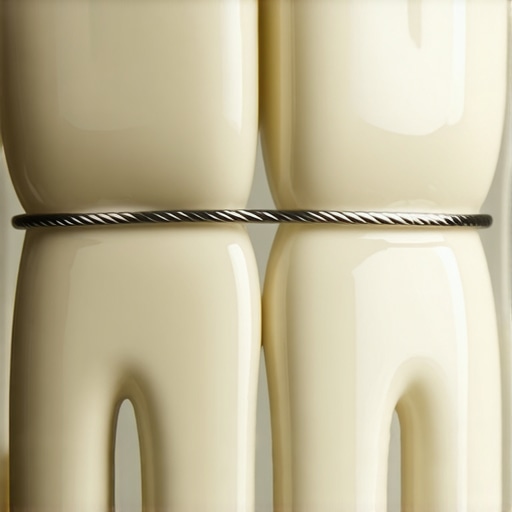
Cleaning Around the Hardware Without Losing Your Mind
Here is where it gets messy. I once tried to use a standard wooden toothpick to clear out a stuck piece of gummy vitamin from my son’s maintainer. Terrible move. I ended up causing a minor gum bleed and a lot of unnecessary drama. Don’t do that. Instead, use a water flosser or a soft-bristled proxy brush. You have to be diligent because plaque loves to hide where the metal meets the gum line. If you ignore the hygiene part, you’re trading one problem for another. You might find yourself wondering how to tell if your toothache is actually a sinus infection when, in reality, it’s just localized inflammation from a trapped piece of cereal. Keeping the area clean ensures the gum stays healthy enough to support the adult tooth when it finally decides to show up. You are playing the long game here, avoiding the risk of leaving a missing tooth unreplaced for years, which in a child’s mouth, leads to a domino effect of crookedness.
The Maintenance Trap Most Parents Fall Into
Most parents assume that once a space maintainer or even a crown is in place, the hard work is over. This is a dangerous myth. In my years of navigating family dental health, I’ve seen that the most sophisticated hardware fails not because of the dentist, but because of a lack of nuanced care at home. We treat these devices like they are indestructible, but they are precision tools. A common ‘oops’ factor is relying on standard brushing alone. If you aren’t inspecting the junction where metal meets tissue, you are inviting sub-gingival plaque that can lead to early device failure. It’s a bit like buying a luxury car and never changing the oil; the exterior looks great until the engine seizes. This is why following family dentistry tips for a lifetime of healthy smiles requires more than just a quick brush before bed; it requires an eye for the subtle changes in gum color and texture around the hardware.
Why Natural Teeth Still Beat the Best Implants
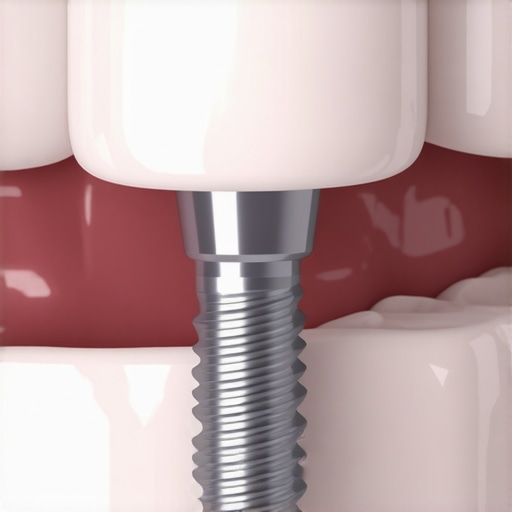
Everyone tells you that modern restorations are just like the real thing, but I’m going to challenge that belief. While I’m a huge advocate for the future of dental implants cutting-edge techniques in cosmetic dentistry, there is a biological nuance people often miss: proprioception. Natural teeth are suspended by the periodontal ligament, which acts like a tiny shock absorber and sends feedback to your brain about how hard you’re biting. Implants are fused directly to the bone. This lack of a ‘cushion’ means you can accidentally bite down with far more force than you intend, potentially damaging opposing teeth. Even if you are a candidate for the truth about getting dental implants if you have existing bone loss, you have to relearn how to chew to protect your investment.
Why Does My New Implant Feel Like It’s Vibrating?
This is one of those advanced questions that catches people off guard. Some patients report a strange sensation when they speak or hum, wondering why your dental implant feels like it is vibrating when you talk. According to a study published in the Journal of Oral Rehabilitation, this is often due to the way sound waves travel through the dense titanium post compared to a hollowed-out natural root. It isn’t a sign of failure, but rather a sign of how well the metal has integrated with your jawbone. Similarly, when it comes to aesthetics, many people fall for the mistake that makes your teeth look too white and fake. They choose ‘refrigerator white’ veneers that lack the translucency of natural enamel. True expertise in cosmetic dentistry is about matching the subtle imperfections that make a smile look real, not just bright. Have you ever fallen into this trap of thinking dental work is indestructible or that ‘whiter is always better’? Let me know in the comments.
Invest in the Right Tools or Watch Your Results Fade
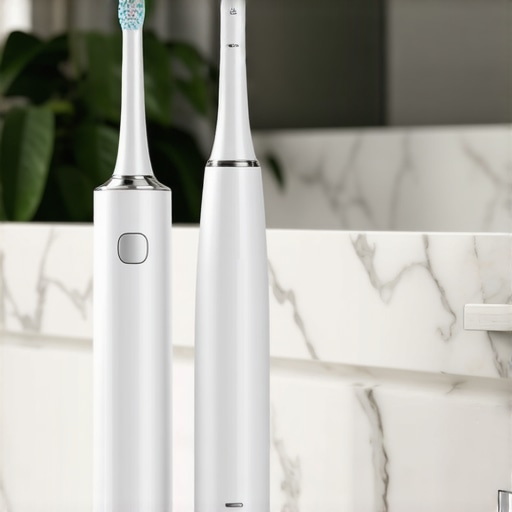
I learned the hard way that a standard drugstore toothbrush just doesn’t cut it when you’ve invested in high-end restorative work. If you are serious about transform-your-smile-with-veneers-expert-tips-for-perfect-results, you need a brush with a pressure sensor. I personally use the Oral-B iO series because it uses micro-vibrations rather than aggressive scrubbing. This is vital because excessive manual pressure is a leading cause of gum recession, which eventually exposes the ‘margin’ or the edge of your veneer. When that happens, you’ll start seeing a dark line, and suddenly you’re searching for why your gums look dark around a porcelain fused to metal crown or veneer. It’s not the tooth failing; it’s the maintenance routine failing the tooth.
How do I keep my dental work from failing prematurely?
The secret isn’t just brushing; it’s irrigation. For anyone with a bridge or implants, traditional floss can sometimes be too abrasive or simply impossible to navigate. I recommend a Waterpik with the ‘Plaque Seeker’ tip. Clinical guidelines from the American Academy of Implant Dentistry (AAID) suggest that oral irrigation is significantly more effective at reducing gingival inflammation around implants than traditional string floss. I use mine on a medium setting every single night before bed. If you don’t, you risk peri-implantitis—an infection that can actually cause the bone to retreat from your titanium post. This is often the underlying reason why your dental implant crown feels slightly wiggly when you bite. It’s about creating a sterile environment where bacteria can’t colonize the hardware. Even if you’ve already experienced dental implants 2025 innovations that redefine comfort and durability, the hardware is only as good as the tissue supporting it.
The Future of Home Dental Monitoring
Looking ahead, I predict we are moving toward a ‘smart’ dental era where home-based scanning will be the norm. We are already seeing the emergence of AI-driven apps that allow you to take a photo of your smile and send it to your doctor for a ‘wellness check.’ This will be a game-changer for family dentistry tips for a lifetime of healthy smiles, allowing parents to catch issues like how to tell if you have a hidden cavity between teeth without waiting for a six-month appointment. For those of us with veneers transformation unlocking your best smile yet, these tools will help monitor for micro-fractures that the naked eye can’t see. In the meantime, I challenge you to try this one advanced tip: swap your alcohol-based mouthwash for a pH-neutral, fluoride-rich rinse. High alcohol content can actually soften the bonding agents used for veneers over several years. It’s a small tweak that can add a decade to your smile’s lifespan.
What I Discovered While Watching My Kid’s Gaps
I wish I’d known early on that a space maintainer is essentially a low-cost insurance policy for your child’s future facial structure. It is not just a dental appliance; it is a structural necessity that prevents a lifetime of crowding. One major lightbulb moment for me was realizing that every week you wait allows the bone to settle and adjacent teeth to tilt. Another lesson? Don’t settle for the first answer if it doesn’t feel right. Looking into a veneers transformation unlocking your best smile yet taught me that the foundation—your jaw and spacing—must be solid before you can even think about the cosmetic side later in life. Finally, remember that your child’s comfort depends on your confidence; if you treat the hardware like a burden, they will too.
The Tools That Keep Our Teeth in Check
To stay ahead of the curve, I recommend a few specific resources that go beyond the basic toothbrush. First, the American Academy of Pediatric Dentistry (AAPD) parent portal is my go-to for factual timelines on tooth loss milestones. Second, for adult care, specifically when weighing veneers vs crowns choosing the best option for your smile, I always suggest investing in a high-resolution dental mirror with a built-in LED; it’s the only way to see the back side of your restorations at home. Third, I swear by pH-neutral rinses. They protect the bonding agents discussed in transform your smile with veneers expert tips for perfect results much better than any generic, high-alcohol store brand. These aren’t just gadgets; they are the frontline of defense against shifting teeth and failing crowns.
Set the Foundation for a Lifetime of Confidence
It can feel overwhelming to manage the hardware, the hygiene, and the costs, but the alternative—corrective surgery or decades of hidden smiles—is far more daunting. Whether you are helping your toddler navigate a premature tooth loss or you are exploring cosmetic dentistry secrets to boost your confidence for yourself, the most important step is the one you take today. You have the power to prevent the “domino effect” of dental drift by staying vigilant and proactive. Your path to family dentistry tips for a lifetime of healthy smiles starts with noticing the small changes before they become big bills. Have you ever noticed your child’s teeth shifting after a tooth was lost, or have you experienced a shift in your own adult smile? Let me know in the comments below!