I will never forget the first time I decided to be a ‘responsible adult’ and booked a deep cleaning after a three-year hiatus. I walked out of that office feeling like a million bucks, right up until I hit the coffee shop drive-thru for an iced latte. One sip, and I swear I saw stars. My teeth didn’t just feel clean; they felt raw, exposed, and downright angry. I remember thinking, ‘Did they use a power sander in there?’ If you are sitting there right now wincing at a glass of water, wondering if your dental hygienist accidentally scraped off your actual enamel, I have been in that exact chair. It is incredibly frustrating because you finally did the right thing for your oral health, yet here you are, paying the price in sharp, electric ‘zingers.’
The Truth About That Post-Cleaning Zinger
Today, we are going to peel back the curtain on why this happens and, more importantly, how you can stop the ache without skipping your next appointment. The reality is that professional cleanings often involve removing years of ‘protection’—also known as tartar and plaque—that have been shielding your tooth roots from the world. When that stuff goes, your nerves get a sudden, rude awakening. I actually made a huge mistake early on by thinking this meant I should avoid the dentist altogether. I assumed the scraping was causing permanent damage, but the truth is quite the opposite. Failing to clear that debris is what leads to real trouble, like needing dental implants in 2025 because of advanced gum disease.
[image_placeholder]
Is This Sensitivity Actually Worth the Trouble?
It is a fair question. Why put yourself through the wringer if your mouth feels worse afterward? Many of my neighbors ask me if they should just stick to a toothbrush at home, but even the best electric brush cannot reach the deep pockets where bacteria hide. If you have noticed your gums bleeding during a professional cleaning, it is a sign that your mouth was already in a state of high alert. The sensitivity you feel now is just your body adjusting to the new, healthy environment. According to the American Dental Association (ADA), post-procedural sensitivity is quite common and usually subsides within a few days as your teeth remineralize. I have found that comparing it to a sore muscle after a hard workout makes it much easier to tolerate. It is the ‘good’ kind of hurt that leads to a stronger result.
Think about it like this: your teeth have been wearing a heavy winter coat of tartar. Taking that coat off leaves them shivering for a bit until they get used to the breeze. Have you ever walked out of a routine check-up feeling like your teeth were suddenly ten times more sensitive to the cold than before? You are definitely not alone in that. While it might feel similar to sensitivity after using whitening strips, the cause is much more about exposure than chemical reaction. We need to look at what is happening at the microscopic level to truly fix the discomfort.
Calm the Storm in Your Mouth Immediately
The first twenty-four hours after a deep scaling are the most critical for managing those sharp jolts of pain. Think of your exposed dentin as a fresh sunburn; you wouldn’t go out in the midday heat without protection, so you shouldn’t subject your teeth to extreme temperatures. I remember one specific Tuesday after a particularly rough cleaning. I thought I could handle a steaming bowl of tomato soup, but the first spoonful felt like a lightning bolt hit my jaw. I literally dropped the spoon and had to sit in silence for five minutes. The mistake was simple: I was rushing the healing process. To avoid this, stick to lukewarm liquids and soft foods for at least two days. This isn’t just about comfort; it is about allowing the natural minerals in your saliva to begin the process of ‘plugging’ the microscopic tubules that lead straight to your tooth’s nerve.
Swap Your Standard Paste for a Desensitizer
If you aren’t already using a toothpaste specifically designed for sensitivity, now is the time to start. These formulas usually contain potassium nitrate or stannous fluoride, which act like a temporary sealant over those newly exposed areas. You can even take a pea-sized amount of the paste and rub it directly onto the sensitive spot before bed, leaving it there overnight. This is far more effective than the temporary relief you might get from whitening strips and sensitive enamel treatments, which can sometimes aggravate the situation further if used too soon after a cleaning.
Avoid the Scrubbing Trap While You Heal
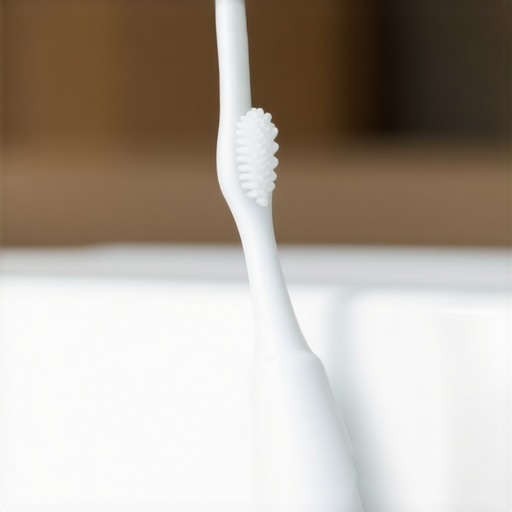
When our teeth feel sensitive or ‘sticky,’ our instinct is often to brush harder. This is a massive error in family dentistry care. Using a hard-bristled brush on raw gums and exposed roots is like using steel wool on a scratched car door. I once made the mistake of thinking I needed to ‘tough it out’ with my high-powered electric brush, only to find my gums throbbing for hours afterward. If you find your mouth is reacting poorly, it might be worth investigating why your gums bleed every time you try a new electric toothbrush. Switch to the softest brush you can find and use gentle, circular motions rather than a back-and-forth sawing action.
Identify When the Pain Is More Than a Cleaning Flub
While sensitivity is normal, you need to know how to distinguish it from other underlying issues. For instance, if the pain is localized to one specific tooth and feels like a deep throb rather than a sharp zinger, you might be dealing with something else. It is important to know how to tell if your tooth pain is a cavity or just a sinus infection, as the timing of your cleaning might just be a coincidence. If you have older dental work, the cleaning process might have highlighted a failing seal. If you are unhappy with the look of your teeth now that the tartar is gone, exploring cosmetic dentistry secrets can help you move toward a smile you actually want to show off. In some cases, if the sensitivity doesn’t fade, you might need to look into veneers vs crowns to provide a more permanent layer of protection over the sensitive dentin.
Let’s dig deeper into the nuances that most people—and even some general dentists—miss. A common myth I hear is that once you upgrade your smile with cosmetic dentistry secrets, your days of worrying about maintenance are over. In reality, the more advanced the work, the more precise your care must be. I’ve seen patients spend thousands on their teeth only to ignore the underlying tissue health, assuming the materials are indestructible because they aren’t ‘real’ bone.
Why Permanent Dental Work Isn’t Actually Indestructible
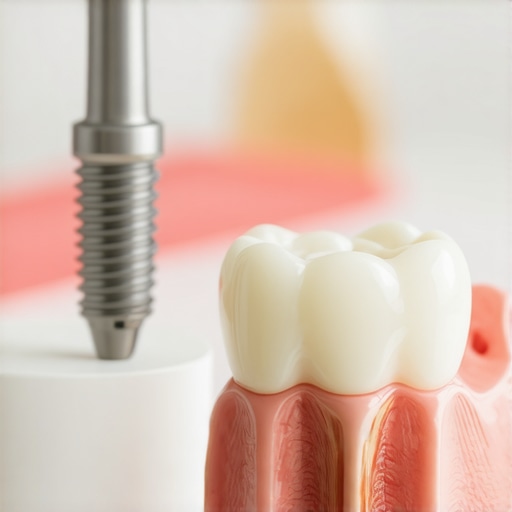
Everyone says that dental implants in 2025 are the ultimate ‘set and forget’ solution. In my experience, that is exactly the trap that leads to failure. While a titanium post cannot get a cavity, the gum tissue and bone surrounding it are still susceptible to infection. A study published in the Journal of Periodontology found that peri-implant diseases can affect nearly half of all implant patients if rigorous hygiene isn’t maintained. If you treat an implant like it’s invincible, you risk losing the very foundation that holds your smile together.
Does Your Dental Implant Feel Like It’s Vibrating When You Chew?
This is a sophisticated concern that many patients don’t mention because they think it’s just ‘in their head.’ If you’ve ever wondered why your dental implant feels like it is vibrating when you chew, it is rarely a sign of the implant itself failing. Instead, it often points to a ‘micro-looseness’ in the abutment or a slight misalignment in the bite that sends a resonant frequency through the jawbone. It’s a reminder that even the most advanced family dentistry tips for a lifetime of healthy smiles require regular professional monitoring to ensure the hardware stays perfectly calibrated.
Avoid the Trap of Building a Smile on a Shaky Foundation
The ‘Oops’ factor in cosmetic work usually happens when patients rush into aesthetics without fixing structural issues. I once knew someone who insisted on getting the brightest, most opaque veneers possible to hide a crooked tooth. Not only did they fall into the mistake that makes your teeth look too white and fake, but they also didn’t realize their heavy grinding habit would pop those veneers off within six months. You must choose between veneers vs crowns based on your bite strength, not just the price tag or the look. If you have a heavy bite, a crown provides the 360-degree protection a veneer simply cannot offer. Have you ever fallen into this trap of thinking a procedure was ‘one and done’ only to have it backfire? Let me know in the comments.
Once you’ve put in the work—and the money—to fix your smile, the game changes from ‘repair’ to ‘preservation.’ I used to think a standard roll of waxed floss was enough for everyone. I was wrong. If you have any kind of permanent dental work, you need to upgrade your toolkit. For me, the game-changer was a high-end water flosser with a specialized tip for prosthetic work. I specifically use the ‘Plaque Seeker’ tip because it’s designed to get around the base of those dental implants in 2025 where traditional floss often shreds or misses the mark entirely. It’s not just about spraying water; it’s about the mechanical disruption of biofilm that sits right at the gumline.
How do I maintain my dental work over time?
Consistency is your only real protection against the ‘Oops’ factor. If you’ve gone through a veneers transformation, you have to be vigilant about non-abrasive care. I highly recommend looking into toothpastes that use Nano-Hydroxyapatite (nHAp) instead of traditional abrasive silica. Research published in the International Journal of Implant Dentistry suggests that maintaining a neutral pH and minimizing physical abrasion is critical for the longevity of the bond between your natural tooth and the porcelain. This is why I tell everyone to stop using ‘whitening’ pastes after getting cosmetic work; they are often too gritty and can cause your porcelain veneer to feel rough to your tongue over time.
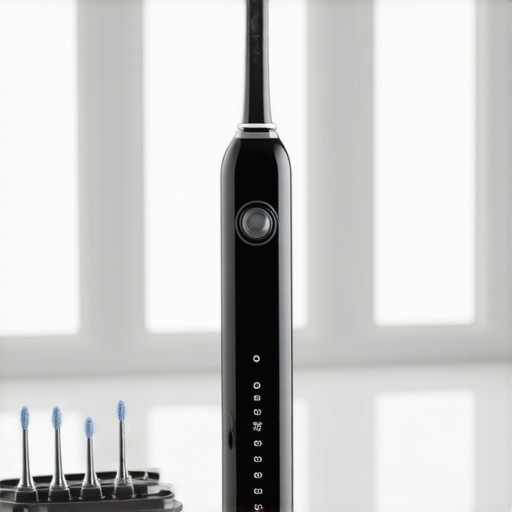
I genuinely believe we are heading toward a future where your toothbrush does more than just vibrate. We are already seeing the rise of AI-integrated brushes that map your mouth in real-time, but I predict that by 2030, we’ll have sensors built into dental implants 2025 technology that can alert your phone to early signs of inflammation before you even feel pain. This kind of ‘smart’ monitoring will bridge the gap between your biannual check-ups and the 364 other days of the year. If the secret to flossing comfortably with a permanent retainer or a bridge is still eluding you, try using a bridge needle or a stiff-ended ‘super’ floss—it’s a small investment that saves a thousands in replacement costs.
The Gear That Actually Makes a Difference
Beyond the tech, let’s talk about the simple stuff. I always keep a bottle of alcohol-free fluoride rinse in the cabinet. Alcohol dries out the mouth, and a dry mouth is a breeding ground for the bacteria that cause your dental bridge to fail. If you are serious about your oral health, here is my advanced tip for the day: try a ‘two-minute hold.’ After you brush with a high-fluoride or nHAp paste, don’t rinse your mouth with water. Just spit and let the residue sit on your teeth while you finish getting dressed. This gives the minerals actual time to bond with your enamel or the margins of your dental work. Give this a shot for one week and see if that post-cleaning ‘zinger’ sensitivity we talked about earlier starts to vanish.
Hard Truths I Learned the Expensive Way
After years of navigating the ups and downs of complex dental work, I’ve realized that the ‘zinger’ you feel after a cleaning is actually a gift. It’s a signal that your teeth are finally breathing again. One of my biggest lightbulb moments was realizing that professional cleanings are the foundation for everything else. If you decide to transform your smile with veneers, that transformation only lasts if the underlying tissue is healthy.
Another major lesson: never ignore the margins. Whether you have natural teeth or you’re maintaining dental hardware, the space where the tooth meets the gum is the front line of defense. If you neglect it, you might find that your veneer pops off during dinner at the most inconvenient time possible.
#IMAGE_FINAL#
My Personal Daily Dental Arsenal
I don’t just rely on a standard toothbrush anymore. To keep my mouth feeling fresh and to avoid that post-cleaning shock, I’ve curated a specific toolkit. First, I prioritize a water flosser with a specialized tip; it’s non-negotiable for anyone who wants to avoid veneers vs crowns debates later in life. I also keep a stash of high-quality fluoride rinse that is strictly alcohol-free to prevent dry mouth.
I also trust the latest research regarding the future of dental implants and the role of remineralizing pastes. Using a nano-hydroxyapatite toothpaste has significantly reduced my sensitivity compared to standard brands. It’s about working with your biology, not against it.
Commit to a Future Without the Zingers
Investing in your oral health is one of the kindest things you can do for your future self. Whether you are following family dentistry tips for a lifetime of healthy smiles or you are just trying to get through the next 48 hours without a toothache, remember that consistency is your superpower. Your smile is a living part of you—treat it with the respect it deserves.
Have you ever had a dental ‘aha’ moment where you realized your old routine just wasn’t cutting it? Let me know in the comments below.