I was standing under the hoop, waiting for a rebound, when the world went sideways. A sharp crack echoed in my skull, and for a split second, I was certain my lateral incisor had joined the pile of discarded sweat towels on the floor. It wasn’t just the searing pain; it was the sheer realization that I’d been incredibly reckless with a smile I’d spent years maintaining. That night, I learned the hard way that ‘playing it safe’ isn’t about how you play the game, but how you prepare your mouth for the inevitable collision. [image placeholder]
The Night I Almost Lost My Smile to a Rebound
I’ve spent plenty of time researching cosmetic dentistry secrets to boost your confidence, but nothing kills that confidence faster than a chipped tooth or an unexpected gap. Early in my ‘weekend warrior’ basketball career, I made a classic mistake: I thought a $5 boil-and-bite mouthguard from the local sports shop was plenty. It was bulky, it made me gag, and honestly, I spent more time chewing on it like a piece of gum than wearing it properly. When that elbow finally connected, the guard shifted immediately. I was lucky to walk away with just a bruise and a minor scare, but it could have been a disaster. If you’ve ever felt that cold instant of panic where you’re frantically checking your gums with your tongue, you know exactly what I’m talking about. Today, I’m going to help you avoid that panic by looking at protection that actually stays in place when the game gets heated.
Are Custom Mouthguards Really Worth the Extra Investment?
It is easy to think, ‘I’m not in the NFL, so why should I spend the extra cash on a custom piece?’ It’s a fair skepticism. However, the intensity of an impact doesn’t care about your league status. According to the American Dental Association, athletes who don’t wear mouthguards are 60 times more likely to sustain dental injuries. I used to think the high-end stuff was just marketing hype until I realized that a custom-fit guard is often the only thing standing between a minor bump and needing to know how to handle a tooth that was knocked out completely in an accident. Have you ever had a close call on the field that made you reconsider your gear?
Your Protection Should Support Your Jaw Not Stress It
The biggest issue with generic guards is the fit. If you have to constantly clench your teeth just to keep the plastic in place, you aren’t protected—you are distracted. A proper guard should allow you to breathe and speak clearly without falling out. If you’re currently dealing with issues like how to tell if your jaw clicking is a sign of tmj, a poorly fitted guard could actually be making your jaw fatigue much worse. We need to focus on gear that supports your specific anatomy rather than fighting against it.
Take These Steps Before Your Next Game
I remember the first time I upgraded from that drugstore plastic to a professional-grade guard. I walked into the office expecting the same tray of slimy putty that makes everyone want to gag. Instead, my dentist pulled out a digital wand. If you want protection that doesn’t feel like a hockey puck in your mouth, you need a digital impression. It’s like the difference between buying a suit off the rack and getting one tailored on Savile Row. This precision ensures that the guard snaps onto your teeth and stays there, even if you’re shouting plays or gasping for air.
Digital Scans Provide a Better Fit Than Old-School Putty
The magic happens in the 3D rendering. When I saw my teeth on the screen, I realized why my old guard never stayed put; my molars are slightly angled in a way a generic mold could never capture. This level of detail is exactly what makes modern family dentistry tips for a lifetime of healthy smiles so effective—we aren’t guessing anymore. 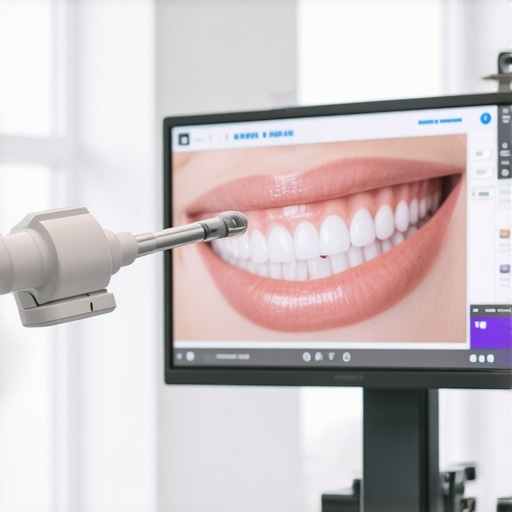
Patch the Cracks Before They Shatter Your Confidence
If you’ve already taken a hit, you aren’t stuck with a jagged smile. I once saw a friend ignore a tiny chip from a softball game, thinking it was just ‘character.’ Two months later, that chip turned into a full-blown fracture. You have to act fast. For small nicks, learning how to fix a cracked front tooth with cosmetic bonding is the quickest way to restore the seal. It’s essentially a tooth-colored resin that acts like a structural adhesive. However, if the impact was more severe, you might be looking at veneers vs crowns choosing the best option for your smile. Think of a veneer like a protective shield for the front of your tooth, while a crown is a full helmet. Both are lightyears ahead of where they were a decade ago.
Clean Your Protection to Keep Your Gums Healthy
One mistake I made early on was throwing my custom guard into my gym bag and forgetting about it. A week later, my gums were bright red and stinging. Bacteria loves a dark, damp plastic tray. You must learn how to clean your night guard without damaging the material because using the wrong chemicals can actually make the plastic porous, trapping even more gross stuff. Use a soft-bristled brush and non-abrasive soap. If you start noticing a funky smell or a film you can’t scrub off, that’s a sign the material is breaking down.
When the Damage is Done Look Toward Permanent Solutions
Sometimes a rebound doesn’t just chip a tooth; it takes it out. In the past, this meant a bridge that required grinding down perfectly healthy neighboring teeth. Today, the future of dental implants cutting edge techniques in cosmetic dentistry allows for a standalone replacement that feels like a natural part of your jaw. It’s like replacing a missing brick in a wall rather than trying to hang a picture over the hole. If you’re worried about the process, checking out dental implants 2025 innovations that redefine comfort and durability will show you how much the recovery time has dropped. It’s no longer a year-long ordeal; it’s a streamlined path back to a full smile.
A lot of people think that once they get their veneers or implants, they have crossed the finish line. However, after years of looking at results, I have seen one nuance most people miss: if you focus only on the color of the tooth, you are likely to walk right into the mistake that makes your teeth look too white and fake. Nature is not a solid block of white; real teeth have depth, gradients, and varying levels of translucency. When you see someone and immediately think their smile looks like ‘piano keys,’ it is usually because of light blockage. In fact, the secret to why your porcelain veneers look opaque and not natural often comes down to the dental technician failing to replicate the way light passes through real enamel. Research in the International Journal of Esthetic Dentistry emphasizes that ‘naturalness’ is defined by the tooth’s ability to scatter light internally—a property known as the opalescence effect. If your restoration lacks this, no amount of whitening will make it look right. This isn’t just about vanity; it is about how the material interacts with the surrounding environment. 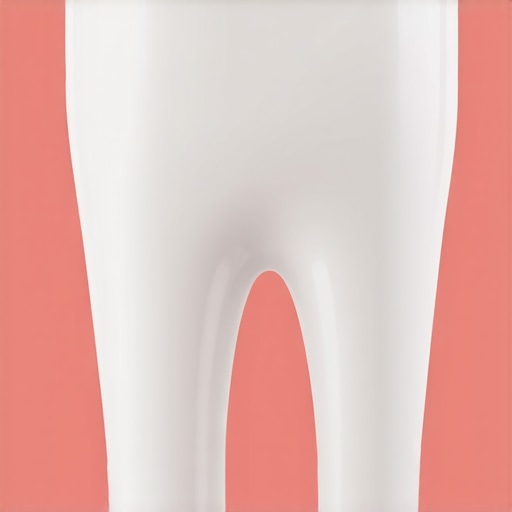
Is Your New Dental Implant Supposed to Feel Like It Is Vibrating?
It sounds bizarre, but it is a question that frequently pops up for those who are highly attuned to their recovery. Some patients assume a strange sensation means the procedure has failed, but it can actually be related to how the metal post interacts with the jawbone and surrounding nerves during the initial healing phase. If you are noticing this sensation, understanding why your dental implant feels like it is vibrating when you chew is key to distinguishing between normal ‘settling’ and a mechanical issue. A study published in the Journal of Clinical Medicine suggests that early implant loading can sometimes create micro-vibrations that are felt by the patient before the bone is fully dense. This is why patience is the most underrated part of the future of dental implants cutting edge techniques in cosmetic dentistry. You cannot rush biology, no matter how much you want that gap filled. Many people treat family dentistry and cosmetic dentistry as two separate worlds, but the contrarian view is that they are inseparable. You cannot have a successful aesthetic result if your structural integrity is failing.
Build a Foundation Before You Worry About the Finish
The ultimate ‘oops’ factor in family and cosmetic dentistry is ignoring the invisible foundation. You might think you are a perfect candidate for a quick upgrade, but the truth about getting dental implants if you have existing bone loss is that your body might need a ‘scaffold’ or bone graft first. Without a robust base, the most expensive implant in the world will not have the grip it needs to survive a decade of chewing. This applies to aesthetics, too. When you are looking for transform your smile with veneers expert tips for perfect results, you have to start with gum health. If your gums are recessed or inflamed, even the most beautiful porcelain work will look like it is floating. We often focus on the ‘white’ (the teeth), but the ‘pink’ (the gums) is what actually frames the smile. For instance, the impact of pregnancy on your gum health and sensitivity can drastically change how dental work fits and feels over time. There is also a common myth in family dentistry tips for a lifetime of healthy smiles that once you reach adulthood, your teeth stop moving. In reality, they are in a constant state of flux. If you neglect your retainer or ignore minor shifts, you might find that your high-end cosmetic work starts to feel tight or out of alignment. Have you ever fallen into the trap of choosing speed over quality when it comes to your dental work? Let me know in the comments.
I realized very quickly that the real work begins the moment you leave the dentist’s office. I spent a significant amount of money and time on my smile, and I’ll be damned if a $4 tube of abrasive drugstore toothpaste ruins it. Most people don’t realize that standard whitening pastes often contain high levels of silica, which can actually micro-scratch the surface of your porcelain over time. If you’ve noticed a change in texture, you might be experiencing the reason your porcelain veneer feels rough to your tongue. I personally switched to a non-abrasive gel specifically formulated for cosmetic restorations. It doesn’t foam as much, which felt weird at first, but it preserves that glass-like finish that makes veneers look real. I also upgraded to an electric toothbrush with a built-in pressure sensor. It turns out I was a ‘scrubber’—I was brushing so hard I was literally wearing away my gum tissue. Learning how to tell if your gum recession is caused by brushing too hard saved me from needing a gum graft just a few years after my cosmetic makeover.
How do I maintain my veneers and implants over time?
The secret isn’t just brushing; it is the specialized tools. For my dental implants, I use a water flosser with a specific ‘Plaque Seeker’ tip. Standard string floss is great for natural teeth, but it can be a nightmare when you’re trying to navigate the base of an implant or a bridge. If you have hardware in your mouth, you need to master the secret to flossing comfortably with a permanent retainer or implant-supported bridge to prevent peri-implantitis—a fancy word for a nasty infection that can cause your implant to fail. Furthermore, if you wear a night guard to protect your investment, you must stay on top of hygiene. I’ve seen people ruin their breath because they didn’t know how to clean your night guard without damaging the material, essentially soaking their teeth in a bacteria bath every night. 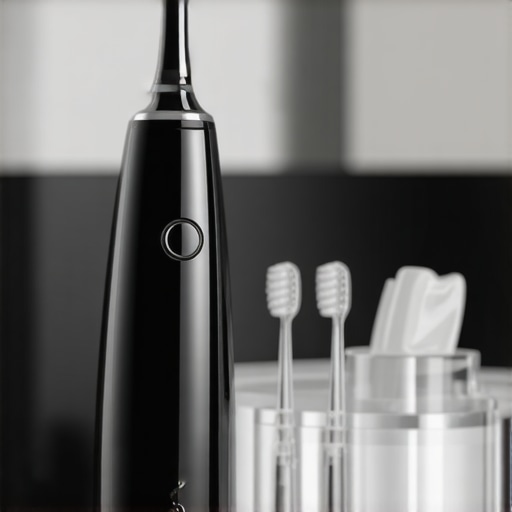
The Future of Smile Maintenance is Getting Smarter
I predict that within the next five years, we won’t just be ‘guessing’ if our dental work is holding up. We are already seeing the rise of longitudinal tracking. For example, my dentist now uses the iTero Element TimeLapse technology, which is a niche intraoral scanning tool that compares your 3D tooth scans over several years. It can detect tooth movement or enamel wear as small as 0.1 millimeters. This kind of data-driven approach is the backbone of the future of dental implants cutting edge techniques in cosmetic dentistry. We are moving toward a world where your bathroom mirror might even use AI to scan your smile and alert you to micro-fractures before they become emergencies. According to a study published in *Clinical Oral Implants Research*, patients who use digital monitoring for their oral hygiene show a 40% reduction in inflammatory markers compared to those who don’t. My best advice for anyone with high-end dental work is to stop treating your mouth like a standard utility and start treating it like a high-performance machine. Go out and invest in a high-quality water flosser this week; your gums will thank you within fourteen days.
What My Most Expensive Dental Mistake Taught Me
After years of navigating the world of family dentistry tips for a lifetime of healthy smiles, I’ve realized that the most expensive procedure isn’t always the best one if your foundation is shaky. My biggest mistake was rushing into aesthetics before addressing my bone density. I learned the hard way that the truth about getting dental implants if you have existing bone loss is that shortcuts don’t exist. I also discovered that ‘perfect’ is often the enemy of ‘natural.’ Seeking a veneers transformation unlocking your best smile yet means embracing the subtle translucency that makes teeth look human rather than opaque blocks of ceramic.
The Daily Routine That Saved My New Smile
If you want your investment to last, you need the right tools. I swear by my water flosser; it’s the only way I’ve found to effectively manage the secret to flossing comfortably with a permanent retainer or an implant bridge. I also recommend keeping a close eye on any changes in how your teeth feel; if a porcelain veneer feels rough to your tongue, you need to address it before it leads to a crack. I trust the experts who stay ahead of the curve, particularly those utilizing how dental implants reshape your oral health in 2025. Keeping these resources in your back pocket ensures you aren’t just reacting to problems, but actively preventing them.
Claim Your Confidence Without the Fear
Choosing to invest in cosmetic dentistry secrets to boost your confidence is one of the best decisions I ever made, despite the initial learning curve. It completely changes how you interact with the world when you aren’t hiding your mouth. Don’t let fear or past bad experiences keep you from a smile you’re proud of. If you have questions about where to start or need a transform your smile with veneers expert tips for perfect results walkthrough, reach out and contact us today. Your future self will thank you for the confidence you built when it mattered most.
Have you ever put off a dental procedure because you were worried about the long-term maintenance? Let me know in the comments below!