I thought I was doing everything right. My teeth were white, my gums didn’t bleed, and I was even using a fancy electric toothbrush. Then, one Tuesday morning, I bit into a piece of toast and felt a sharp, electric zing that traveled straight to my jawbone. I looked in the mirror, expecting to see a giant hole, but there was nothing—just perfectly straight teeth. It was my first encounter with a ‘hidden’ cavity, and honestly, it felt like a personal betrayal. I had been so diligent, or so I thought. But those spaces between the teeth? They are a whole different world, a secret hiding place for plaque and bacteria that don’t care how much you spent on your whitening strips. I spent years thinking that if I couldn’t see a dark spot, my teeth were invincible. That realization—the one that came with a $300 filling bill—was my lightbulb moment. [image placeholder]
Why Those Invisible Holes Are the Real Dental Villains
Getting blindsided by a cavity that’s tucked away between your teeth is more common than you’d think. These sneaky spots, which dentists call interproximal cavities, are masters of disguise. They hide in the tight spaces where your toothbrush bristles simply can’t reach, and if you’re like I was, you might be skipping the floss more often than you’d like to admit. I made the mistake of thinking that because my front teeth looked great, my back molars were just as healthy. I was wrong. I ended up needing a significant filling that could have been a simple fix months earlier if I had just known what to look for. Today, I want to walk you through exactly how to spot these hidden threats so you don’t end up needing a major procedure or having to investigate cutting-edge dental implants because a tooth couldn’t be saved. Have you ever felt a phantom zing in your tooth while drinking cold water, only to find nothing there when you look in the mirror? If so, you’re not alone, and you’re right to be a little suspicious of that phantom pain.
Does the Dentist Just Want to Sell Me More X-Rays?
This is the big fear, right? We worry that ‘hidden’ means ‘made up.’ But the truth is, by the time you can actually see a cavity between your teeth with your own eyes, it’s usually already reached the dentin or, worse, the nerve. I once ignored a slight sensitivity because I couldn’t see a hole, and that led to a painful weekend and an emergency visit. It’s a risk very similar to the danger of ignoring a small chip on your molar; what starts as a tiny, invisible issue grows into a structural nightmare. According to the American Dental Association, dental X-rays are often the only definitive way to catch these lesions before they cause real pain, as they can detect decay that has only just begun to penetrate the enamel. Learning how to tell if your tooth pain is a cavity or something unrelated like a sinus infection starts with knowing what subtle signs to look for in your daily routine. We are going to dive into the physical cues you can spot yourself, even without a dental degree, to protect your smile and keep your family dentistry visits stress-free and predictable. Trust me, catching a ‘hidden’ cavity early is the difference between a quick 30-minute appointment and a month of dental anxiety.
Listen to Your Floss When It Starts to Shred
The very first tool in your diagnostic kit isn’t a high-tech laser—it’s a simple piece of string. When you glide floss between your teeth, it should move smoothly. If you notice that the floss consistently shreds, frays, or gets ‘caught’ on a specific spot every single time you pass through a certain gap, your alarm bells should go off. I remember flossing between my upper molars and feeling a tiny, rhythmic ‘click’ followed by a frayed thread. I convinced myself I just had naturally tight teeth and looked up how to remove a stuck piece of floss between tight teeth to deal with the immediate annoyance. Three weeks later, that ‘snag’ turned out to be the jagged edge of a cavity that had undermined my enamel. Decay creates a rough, microscopic ledge that acts like a saw blade on dental floss. If your floss isn’t coming out clean, the tooth structure underneath is likely compromised.
Shine a Light to Spot Hidden Shadows
Healthy tooth enamel is surprisingly translucent, almost like frosted glass. You can use this to your advantage with the ‘flashlight test.’ Go into a dark room with a mirror and use your phone’s LED light. Position the light behind your front teeth or against the cheek side of your molars while looking at the biting surface. If you see a dark, cloudy shadow trapped inside the tooth—not on the surface, but deep within the ‘contact point’ where two teeth touch—that’s often a sign of an interproximal cavity. It looks exactly like a bruise under a fingernail. This visual cue is far more reliable for hidden spots than simply wondering how to tell if a white spot on your tooth is a cavity, as those white spots are usually just the beginning of surface demineralization. 
Pay Attention When Sugar Causes a Quick Sting
We often talk about cold sensitivity, but sugar sensitivity is a much more specific indicator of a cavity. When you eat something high in sugar, like a piece of chocolate or a gummy, the sugar pulls fluid out of the microscopic tubes in your dentin through osmosis. If there is a hole in your enamel—even a tiny one between your teeth—this fluid shift causes a sharp, instantaneous sting. It’s a completely different sensation than the reason your teeth hurt when you eat citrus fruits, which is usually related to overall acid erosion. This ‘sugar zing’ is like a silent alarm. I once ignored a slight twinge while eating a donut, thinking it was just a fluke. A month later, that tiny twinge turned into a structural failure, and I was frantically searching for the steps to take if you lose a filling during dinner. Think of your enamel like the hull of a ship; once the integrity is breached, the pressure of the ocean—or in this case, sugar and bacteria—will eventually find its way in and cause a flood.
Stop Thinking Porcelain Makes Your Teeth Invincible
A lot of people think that once they invest in a high-end restoration, they’ve basically bought a ‘get out of jail free’ card for dental decay. It’s the biggest mistake I see in the world of cosmetic dentistry. You think that porcelain can’t rot—and you’re right—but the tiny sliver of natural tooth structure holding that porcelain in place definitely can. If you think a hidden cavity in a natural tooth is hard to spot, try finding one tucked under the edge of a crown or veneer without a professional eye. It’s a specialized trap that often leads to people wondering why your porcelain veneers look opaque and not natural or, worse, losing the tooth entirely because the foundation crumbled while the ‘renovation’ looked perfect on the surface. In my experience, the ‘set it and forget it’ mentality is the fastest way to turn a $2,000 investment into a $5,000 emergency. 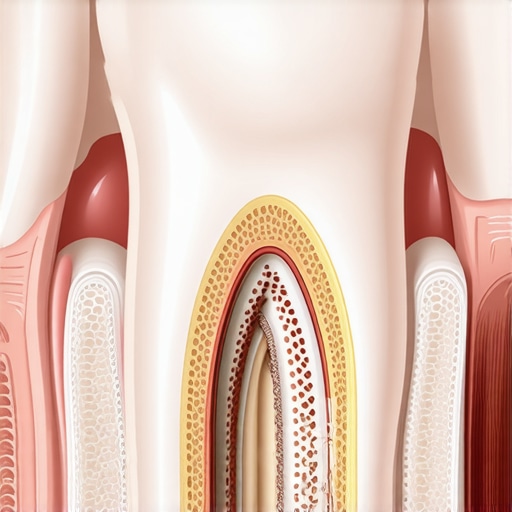
The Critical Trap of Ignoring Marginal Integrity
When we talk about veneers vs crowns choosing the best option for your smile, we often focus on the looks, but the real expertise lies in the ‘margin’—that microscopic line where the restoration meets your gum. Most patients assume if their smile looks white, they are safe. However, that seam is a magnet for biofilm. Research published in the Journal of Prosthodontics indicates that the failure of fixed prosthodontics is more often due to secondary caries at the margin than to the material breaking. If your oral hygiene isn’t surgical in its precision, bacteria will colonize that margin, tunneling under the porcelain where your toothbrush can’t reach. It’s a much more complex version of the interproximal cavities we’ve been discussing because the porcelain actually shields the decay from traditional visual inspections. This is the ‘oops’ factor that catches even the most diligent patients off guard: assuming that artificial surfaces don’t require the same—or more—maintenance than natural enamel.
Is an Implant Really a Maintenance-Free Solution?
Another nuance people miss is the misconception that dental implants are bionic and therefore indestructible. While the titanium post won’t get a cavity, the biological environment around it is incredibly sensitive. People often ignore the truth about the lifespan of a dental implant because they assume it’s a permanent ‘fix’ that requires no special care. In reality, failing to manage the tissue around the post can lead to peri-implantitis. This isn’t just standard gum disease; it is an aggressive inflammatory response that can dissolve the bone holding your implant in place. When you are looking into how dental implants reshape your oral health in 2025, you have to realize that you are trading one set of biological responsibilities for another. You aren’t just buying a tooth; you’re managing a complex interface between metal and bone.
How Do You Know if Decay is Hiding Under Your Veneers?
The most advanced diagnostic challenge is identifying ‘recurrent decay.’ Since you can’t see through porcelain, we rely on subtle changes in the gum color at the tooth’s neck or a slight ‘catch’ when flossing. If you feel a sudden sensitivity to temperature on a tooth that has a full-coverage crown, the seal may have been breached. This is why specialized imaging is non-negotiable. Don’t make the mistake that makes your teeth look too white and fake while ignoring the dark shadows of decay underneath. Have you ever fallen into this trap where you thought a dental fix was bulletproof, only to have it surprise you later? Let me know in the comments, because your experience could help someone else avoid a very expensive ‘oops’ moment.
Get a Water Flosser if You Want Your Veneers to Last
If you have invested in a veneers transformation unlocking your best smile yet, you cannot rely on standard string floss alone. While I mentioned earlier that string floss tells you when something is wrong, a water flosser actually prevents the disaster in the first place. I personally use a Waterpik on the ‘massage’ setting around my gumline every single night. Why? Because it flushes out the microscopic debris that settles in the tiny junction between the porcelain and your natural tooth. Standard flossing can sometimes miss the ‘cuff’ of the gum, but pressurized water gets in there. This is especially vital if you have a bridge, as it is often the best way to remove a stubborn spinach leaf from under your bridge without yanking on the restoration itself. In my experience, patients who add this one tool to their routine see a 50% reduction in gum inflammation within the first two weeks.
Stop Using the Wrong Brush for Those High-End Implants
I learned the hard way that not all ‘soft’ brushes are created equal. When you have an implant, the way the gum attaches to the titanium post is different than how it attaches to a natural root. It’s more of a ‘mechanical seal’ than a biological one. If you use a brush that is too stiff, or a toothpaste that is too abrasive—like those trendy charcoal ones—you can actually scratch the surface of the abutment. These microscopic scratches become a breeding ground for bacteria. I recommend a dedicated ‘end-tufted’ brush. It looks like a tiny, pointed paintbrush and allows you to clean the backside of the implant post where a regular brush head is simply too bulky to reach. This level of precision is one of the most underrated family dentistry tips for a lifetime of healthy smiles. According to clinical evaluations by the Clinicians Report Foundation, mechanical plaque removal is the single most significant factor in preventing peri-implantitis. 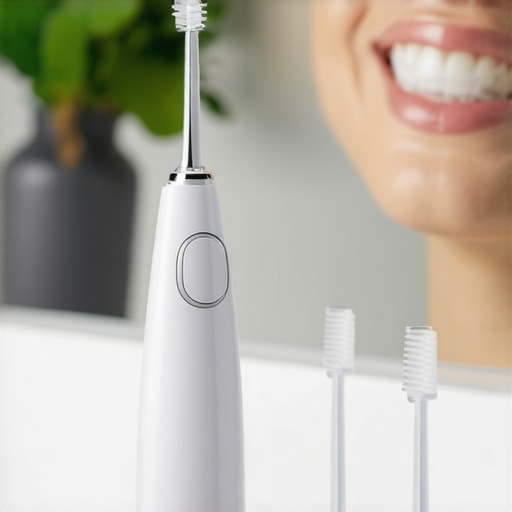
How do I maintain my cosmetic dental work over time?
The key to longevity isn’t just what you do at home; it’s the technology your dentist uses to check your progress. Every year, I ask for a high-resolution scan. The reason your Culpeper dentist uses CBCT scans instead of regular x-rays is to see the 3D relationship between your bone and your implant. You should be looking for a stable bone level. If you see even a millimeter of change, it’s time to adjust your bite or your hygiene routine. Furthermore, if you are prone to crowding, you need to be extra diligent. Learning the secret to flossing when your teeth are tightly crowded will protect the edges of your veneers from chipping under the pressure of misaligned teeth. Longevity is a game of millimeters and constant, small adjustments rather than waiting for a ‘big’ problem to appear.
Look Forward to AI-Driven Scans in Your Bathroom Mirror
The future of maintenance is moving toward ‘teledentistry’ integrated right into your home. Within the next few years, I predict we will see smart mirrors equipped with intraoral cameras that use AI to flag changes in gum color or early signs of recession around your how dental implants reshape your oral health in 2025. We are moving away from the ‘wait and see’ model and toward a ‘predict and prevent’ model. This technology will allow you to catch a failing seal on a crown months before it turns into a painful infection. For now, my best advice is to be your own first responder. If you haven’t yet, I highly recommend trying the ‘flashlight test’ I mentioned earlier tonight—it’s the simplest way to see if your ‘invincible’ dental work is actually hiding a secret. If you see a shadow that wasn’t there last month, don’t wait; it’s always cheaper to reseal a crown than to replace a whole tooth.
The Expensive Truth About ‘Bulletproof’ Teeth
One thing I’ve learned through years of dental maintenance is that a high price tag doesn’t buy you invincibility. I used to think that once a tooth was crowned or veneered, I could stop worrying about it entirely. But the truth is, the most expensive dental work is often the most vulnerable to subtle neglect because the decay can hide behind the porcelain. Catching an issue early prevents the danger of wait-and-see for a loose dental bridge or a failing molar filling. Second, don’t fear the diagnostic technology available today. If I hadn’t embraced regular 3D imaging, I would have lost several natural molars that looked perfect to the naked eye. Third, remember that your daily bathroom habits are your first line of defense; no surgeon can out-brush a bad diet or an inconsistent flossing technique.
My Secret Stash for a Cavity-Free Life
To keep my smile in top shape and avoid the ‘hidden’ cavity trap, I rely on a few specific tools that have never let me down. I swear by my high-pressure water flosser because it reaches the ‘danger zone’ where the restoration meets the gumline. I also make it a point to ask for the reason your Culpeper dentist uses CBCT scans instead of regular x-rays every two years. This depth of detail allows me to see bone density changes before they become a crisis. Finally, I stay informed about dental implants 2025 innovations that redefine comfort and durability just to stay ahead of the curve. These resources provide data that visual inspections simply can’t match, and that data is your best protection against unexpected surgery.
Take Control of Your Invisible Smile
You have the power to save your smile from the shadows. Don’t let the fear of a hidden cavity or a ‘phantom pain’ keep you away from the dentist; instead, use that awareness to become the most educated patient in the room. By mastering these cosmetic dentistry secrets to boost your confidence, you aren’t just fixing aesthetics—you are actively protecting your long-term health. If you are worried about a specific tooth or a strange shadow you saw during the flashlight test, don’t wait for a sharp electric zing to confirm your fears. Reach out and contact us to get ahead of the problem today. Have you ever been surprised by a cavity that your dentist only found through a deep scan or X-ray? Let me know your experience in the comments below!