I remember standing in front of my bathroom mirror at 11 PM, my gums practically throbbing from a five-minute “deep clean,” and yet, when I ran my tongue over my molars, they felt like they were coated in a layer of drying syrup. It was infuriating. I’d spent good money on a fancy electric brush and the latest toothpaste, but that fuzzy, tacky sensation wouldn’t budge. I felt like I was failing at a basic life skill. It turns out, I wasn’t just imagining things; I was actually fighting a losing battle against a very specific type of dental biofilm that my aggressive scrubbing was completely ignoring.
That Gritty Film Is Actually Winning the War Against Your Toothbrush
For the longest time, I thought that more pressure equaled a better clean. I made the classic rookie mistake of treating my enamel like a dirty garage floor that needed a power wash. In reality, I was just irritating my gums and missing the microscopic structures where bacteria hide. If you have ever wondered why your teeth feel sticky even after a thorough brushing, you are definitely not alone. This isn’t just about food particles; it is about the chemistry of your saliva and the resilience of the plaque colonies in your mouth. Sometimes, that stickiness is a precursor to more visible issues, much like the reason your porcelain veneer feels rough to your tongue if the bonding or surface isn’t perfectly maintained. Today, I’m going to show you exactly how to break down that stubborn film without damaging your mouth.
Is this just a marketing trick to sell me more dental gadgets?
It is easy to be skeptical. We see ads for cosmetic dentistry secrets to boost your confidence and wonder if “sticky teeth” is just a made-up problem to get us into the chair. But the science behind it is very real. According to the National Institutes of Health, dental biofilm is a complex community of microorganisms that can be 1,000 times more resistant to antimicrobial agents than their free-floating counterparts. This means your standard swish-and-spit routine might not be enough to penetrate the “fortress” the bacteria have built. When I finally stopped the brute-force approach, I realized I was actually causing harm; I had to learn how to tell if your gum recession is caused by brushing too hard before I could fix my technique. Maybe you’re also noticing why your mouth feels sticky and dry when you wake up, which is a huge clue that your nighttime routine needs a total overhaul. We are going to dive into the practical, neighborly advice that actually works. Have you ever spent ten minutes brushing only to feel that weird, tacky texture the second you put your brush down? Let me know if you’ve been there too, because we’re about to solve this together.
How to Dissolve the Biofilm Without Scouring Your Enamel
Think of dental biofilm like the grease on a lasagna pan. You can splash cold water on it all day, and you can even scrub it with a wire brush, but until you use the right soap and a gentle, circular motion, that slick film is going to stay put. To truly get rid of that tacky sensation, you have to stop thinking about scrubbing and start thinking about disrupting. I learned this the hard way after I spent a month using a medium-bristled brush because I thought ‘firm’ meant ‘cleaner.’ By the end of that month, my teeth weren’t any smoother, but my gums were so inflamed I could barely eat an apple. I had to learn how to tell if your gum recession is caused by brushing too hard before I permanently ruined my smile. The secret is all in the angle and the chemistry of your routine.
Ditch the Power Wash Mentality for the 45-Degree Tilt
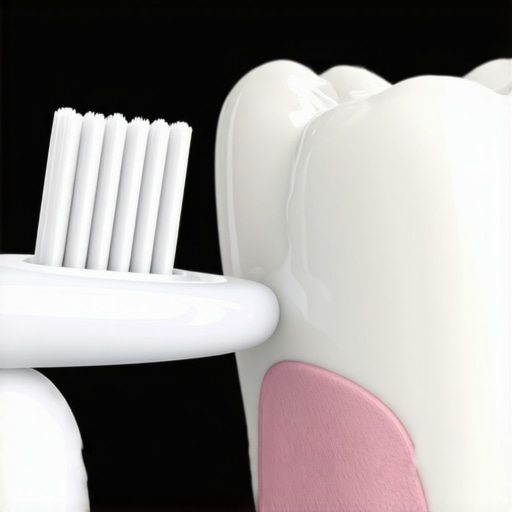
The biggest mistake people make is brushing flat against the face of the tooth. When you do that, the bristles just bounce off the thickest part of the enamel and skip right over the ‘biofilm fortress’ hiding at the gum line. You need to tilt your brush at a 45-degree angle, aiming the bristles slightly toward your gums. Instead of long, sawing motions, use tiny, vibrating circles. This shakes the bacteria loose rather than just sliding them around. This technique is especially vital if you have restorative work, because knowing how dental implants reshape your oral health in 2025 often comes down to how well you protect that delicate seal between the implant and the tissue. If you feel like your cleaning routine is making things worse, keep in mind that why your teeth feel sensitive after using whitening strips often relates back to a compromised moisture barrier or over-aggressive cleaning habits that leave the dentin exposed.
Clean the Hidden Gaps Where the Film Hardens
That sticky feeling usually starts in the ‘dead zones’ where your brush simply cannot reach. If you have crowded teeth, the biofilm sits there and matures until it becomes a calcified mess. I used to skip flossing because I hated how the string would shred, but then I discovered the secret to flossing when your teeth are tightly crowded involves a ‘c-shape’ wrap around the tooth rather than a straight pull. For those with dental work, the challenge is even higher. You might need to learn the best way to remove a stubborn spinach leaf from under your bridge to ensure that the area under the prosthetic stays smooth and free of bacterial buildup. It isn’t just about the aesthetics; it is a core part of family dentistry tips for a lifetime of healthy smiles. If you leave those gaps untouched, the ‘sticky’ feeling will eventually turn into a localized infection or a cavity you didn’t see coming.
Wait Thirty Minutes After Eating Before You Start
This was the hardest habit for me to break. I used to finish my morning coffee and head straight for the sink. But the acids in your food and drinks—especially coffee or orange juice—soften your enamel temporarily. If you brush immediately, you are actually scrubbing the acid into your teeth and thinning your enamel, which makes the surface more porous and, ironically, more likely to feel ‘sticky’ as it loses its natural polish. Give your saliva time to neutralize the pH of your mouth. This patience is a key part of cosmetic dentistry secrets to boost your confidence because it preserves the natural luster of your teeth. By letting your mouth reset, you ensure that when you finally do brush, you’re removing the film, not your tooth’s protective layer.
But there is a deeper layer to this conversation that most people—and even some dental offices—gloss over. Everyone says that once you upgrade to cosmetic restorations, the ‘sticky’ problem disappears because porcelain can’t decay. In my experience, that mindset is exactly what leads to premature failure. While the material itself won’t get a cavity, the way biofilm attaches to the transition zones of your dental work is actually more aggressive than it is on natural enamel. If you’ve just undergone a veneers transformation unlocking your best smile yet, you need to understand that the ‘margin’—the tiny line where the porcelain meets your gum—is the new frontline of your oral health.
The Maintenance Myth for Modern Smile Upgrades
A common mistake I see is patients assuming that dental implants are ‘indestructible.’ While it is true that the truth about the lifespan of a dental implant is measured in decades, the soft tissue surrounding it is incredibly sensitive. A study published in the Journal of Periodontal & Implant Science found that biofilm matures faster on titanium and zirconia surfaces if the initial pellicle layer isn’t disrupted frequently. This means that sticky feeling isn’t just an annoyance; it’s a warning sign that bacteria are colonizing the hardware. If you ignore it, you might eventually wonder why your dental implant crown feels slightly wiggly when you bite, which is often a result of bone loss caused by that very biofilm. 
Why do your expensive restorations feel grittier than natural teeth?
It comes down to surface tension and the ‘micro-gap.’ No matter how skilled the dentist, there is always a microscopic junction between a veneer or crown and your tooth. Bacteria love these nooks. When people notice the reason your porcelain veneer feels rough to your tongue, it is usually because plaque has calcified at that junction. If you don’t use the 45-degree tilt technique I mentioned earlier, you are effectively leaving a ‘bacterial moat’ around your investment. This is also how to tell if your dental bridge is failing or old; if the area underneath feels persistently tacky regardless of how much you clean, the seal may be compromised.
Stop Scouring Away the Luster of Your Smile
The most dangerous ‘oops’ factor I encounter is the use of abrasive cleaners on high-end dental work. I’ve seen people try to maintain their bright white look by using heavy-duty products, but the truth about whitening your teeth with activated charcoal is that it acts like sandpaper. While it might remove a surface stain, it creates microscopic scratches in the porcelain glaze. These scratches then act as ‘anchors’ for more biofilm, creating a vicious cycle where why your porcelain veneers look opaque and not natural becomes a permanent problem. You cannot ‘polish’ a scratch out of porcelain at home; you only make it thirstier for stains and stickiness. Have you ever fallen into the ‘maintenance-free’ trap with your dental work? Let me know in the comments. If you’re worried that the grit won’t go away no matter what you do, contact us today to get a professional assessment before a small film becomes a big problem.I’m a bit of a nerd when it comes to the hardware I use in my own bathroom. After investing in my smile, I realized that a standard drug-store toothbrush was like trying to maintain a Ferrari with a kitchen sponge. To keep that ‘fresh from the dentist’ feeling, you need to upgrade your toolkit. The single most important addition I made was a high-powered water flosser. While many people think it’s just for people with braces, it is actually the gold standard for anyone with restorative work. According to a study published in the Journal of Oral Implantology, water flossing with a specialized plaque-seeking tip is significantly more effective than traditional string floss for reducing bleeding and plaque around dental implants. I personally use it every single night because it flushes out the ‘biofilm fortress’ in areas where my manual brush simply cannot pivot. This is vital because the reason your dental implant feels different than a natural tooth is the lack of a periodontal ligament, which means the blood supply to the surrounding gum is different, making infection control even more critical.
How do I maintain my dental implants and veneers over time?
Consistency is the name of the game, but so is the chemistry of your products. I’ve completely swapped out my whitening toothpastes for low-abrasive gels. If you’re used to the gritty feel of charcoal or baking soda, your veneers are at risk. You want a toothpaste with a low Relative Dentin Abrasivity (RDA) score—ideally under 70. This prevents the microscopic scratching that leads to the reason your porcelain veneer feels rough to your tongue over time. If you wear protection at night, you also need to know how to clean your night guard without damaging the material, because a dirty guard is just a petri dish for the very bacteria we are trying to avoid. I recommend using a non-abrasive soak rather than brushing the guard with toothpaste, which can create pores where bacteria hide. 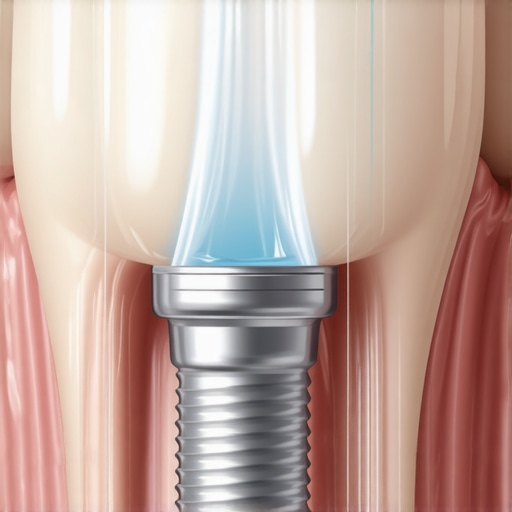
Smarter Brushing is the Future of Family Dentistry
I predict that within the next few years, we are going to see a massive shift toward bio-sensor technology in our home care routines. We are already seeing the beginning of this with dental implants 2025 innovations that redefine comfort and durability, where the materials themselves are becoming more resistant to attachment. Soon, your toothbrush will likely sync with your phone to tell you exactly which ‘dead zone’ at the back of your mouth still has active biofilm. This is a huge leap for family dentistry tips for a lifetime of healthy smiles, as it takes the guesswork out of whether or not your kids (or you!) are actually getting the job done. This tech is already starting to influence the future of dental implants cutting edge techniques in cosmetic dentistry, making the long-term success of these procedures much higher for the average patient. If you want to stay ahead of the curve, try switching to a water flosser with a specialized tip for 14 days and see if that ‘slick’ feeling finally vanishes. It’s the closest thing to a professional cleaning you can get at home.
The Lightbulb Moments That Changed My Nightly Routine Forever
Looking back, I realize I was overcomplicating things while missing the obvious. The biggest shift for me was realizing that my mouth isn’t just a surface to be cleaned, but an ecosystem to be managed. First, I stopped assuming that expensive restorations were ‘set and forget.’ Whether you are currently deciding between veneers vs. crowns or you already have them, the junction where the material meets your natural tooth is the most critical area for biofilm control. Second, I learned that ‘white’ doesn’t always mean ‘clean.’ If you focus too much on bleaching, you might fall into the mistake that makes your teeth look too white and fake while ignoring the texture that signals real health. Finally, consistency beats intensity every time; one night of lazy brushing does more damage than a month of ‘perfect’ routine can fix.
A Few Essentials That Make a Real Difference
I don’t recommend a hundred gadgets, just a few things that actually disrupt that film. A water flosser is my non-negotiable, but I also keep a very soft, multi-tufted brush for those hard-to-reach molars. If you use oral appliances, knowing how to clean your night guard without damaging the material is just as important as brushing your teeth, because that device sits against your enamel for eight hours straight. I also stick to pH-neutral rinses that support my saliva’s natural defense system rather than stripping it with alcohol-heavy products. These small choices are the backbone of family dentistry tips for a lifetime of healthy smiles that I share with everyone I know.
#IMAGE_PLACEHOLDER_E#
Your New Habit Starts Tonight
That sticky sensation is your body’s way of asking for a change in strategy. It isn’t a sign of failure, but an invitation to refine how you care for yourself. By slowing down, using the right angles, and respecting the chemistry of your mouth, you can achieve that smooth, glass-like finish without ever hurting your gums. Your smile is an investment in your confidence and your health, so treat it with the gentle precision it deserves. Have you ever noticed that your teeth feel ‘fuzzier’ after eating specific types of food or during times of stress? Let me know in the comments below!