I was sitting on my porch, ready to enjoy a crisp glass of iced tea, when it happened. One tiny sip, and it felt like a bolt of lightning struck my front teeth. I’d just finished a week-long marathon of whitening strips, and while my smile looked great, I felt like I was paying a heavy price for it. I’ve spent years tinkering with cosmetic dentistry secrets to boost your confidence, but that moment was a real low point for me. I realized then that I’d been so focused on the ‘bright’ that I totally ignored the ‘health.’ I felt like an amateur. I should have known better, but the allure of a pearly-white grin is a powerful thing. Today, I want to walk you through why this happens and how we can get that pearly glow without the misery. It is about working with your body, not against it.
That First Sip of Ice Water Was My Wake-Up Call
The struggle is real. You look in the mirror and love what you see, but then you try to breathe in cold air and—zap!—it hurts. My biggest blunder back in the day was thinking that ‘more is better.’ I would leave those strips on for an hour instead of thirty minutes, thinking I was fast-tracking my way to a Hollywood smile. That was the mistake that makes your teeth look too white and fake and, more importantly, it made my life incredibly painful for three days straight. I am here to tell you that you do not have to suffer just to look good. We are going to fix your approach so you can actually enjoy your coffee again. [IMAGE_PLACEHOLDER]
Is a white smile really worth the constant zingers?
You might be wondering if your enamel is gone for good or if you’ve permanently damaged your nerves. Trust me, I had the same fear. I’ve learned the truth about whitening strips and sensitive enamel through trial, error, and plenty of conversations with my own dentist. It is not just in your head; there is a biological reason for that throb. According to research from the American Dental Association, the whitening agents like hydrogen peroxide penetrate the enamel and irritate the nerves within the tooth’s pulp, which is why that sensitivity feels so deep and jarring. This irritation is usually temporary, but if you do not change your habits, you are just poking the bear.
Why Your Enamel is Actually Protesting Right Now
Think of your teeth like a sponge. When you apply those strips, the chemicals open up tiny pores in your enamel to reach the stains deep inside. It is a bit like opening all the windows in your house during a blizzard—the air is going to get in, and it is going to be cold. Sometimes, even if you are doing everything right, you might notice why your teeth look yellow despite using whitening toothpaste, which often leads people to over-use the more aggressive strips. That is exactly where the trouble starts. Have you ever had to stop mid-conversation because a breeze hit your teeth and caused a sharp pain? If so, you are definitely not alone in this. We need to talk about how to calm those nerves down before you try another round. If you are really worried about the state of your smile, it might even be time to reach out for professional advice rather than DIYing it into oblivion. Let us look at what is actually happening under the surface of those pearly whites.
Stop Poking the Bear and Start Protecting Your Pulp
To get that glow without the ‘zingers,’ you have to treat your teeth like a high-performance engine. You wouldn’t floor a car without oil, and you shouldn’t strip your enamel without a barrier. I remember a few years back when I was prepping for a big wedding. I used the strongest strips I could find three days in a row. By the morning of the rehearsal, I couldn’t even drink room-temperature water. I had to learn the hard way that preparation is the only thing standing between a beautiful smile and a miserable week. Following family dentistry tips for a lifetime of healthy smiles means thinking ahead, not just reacting to yellowing.
Pre-Hydrate Your Enamel with Potassium Nitrate
Before you even open a box of strips, start using a desensitizing toothpaste two weeks in advance. Think of this as putting on a winter coat before stepping into the cold. The potassium nitrate in these toothpastes builds a protective layer over those open ‘windows’ in your enamel we talked about earlier. If you skip this, you are inviting the chemicals to march straight to your nerves. I once tried to shortcut this by only brushing once the pain started, but by then, the damage was done. You want to stay ahead of the curve so you never reach that point where the reason your teeth hurt when you eat citrus fruits becomes a daily reality. 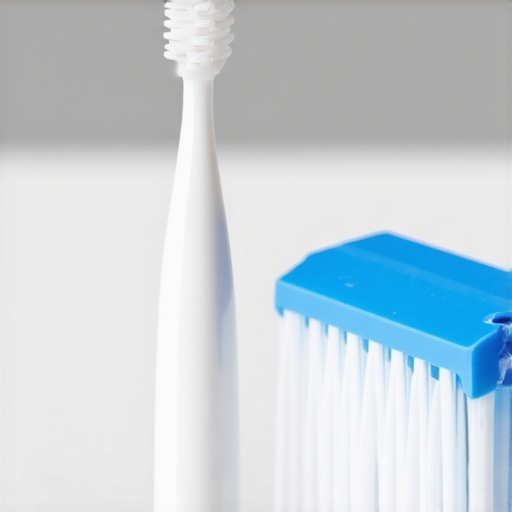
Follow the 48-Hour White Food Rule
After whitening, your teeth are basically like a white t-shirt that just came out of the wash. They are porous and incredibly susceptible to soaking up everything you put in your mouth. For at least 48 hours, stick to ‘white’ foods: chicken, rice, pasta with white sauce, and cauliflower. I made the mistake of grabbing a blueberry smoothie the day after a treatment once, and my teeth didn’t just look yellow; they had a weird grayish tint. If you absolutely must have your caffeine fix, you need to learn the secret to keeping white teeth while drinking morning coffee, which usually involves a straw and a quick water rinse afterward.
Know When to Pivot from Chemicals to Long-Term Solutions
Sometimes, no matter how much you prep, your teeth just aren’t built for chemical whitening. If you have thin enamel or deep internal staining, you might find that why your teeth hurt when you eat something very sweet is a permanent side effect of over-whitening. At that point, it’s smarter to look at professional alternatives. You can transform your smile with veneers expert tips for perfect results instead of constantly irritating your pulp. Or, if you only have one troublesome spot, you might find out how to fix a cracked front tooth with cosmetic bonding to even out the color and texture without the sensitivity of full-mouth bleaching. It is all about choosing the path that keeps your mouth healthy while giving you the look you want.
We have all seen it—that person whose teeth are so blindingly white and uniform they look like they belong in a cartoon rather than a human mouth. I used to think that was the peak of dental achievement, but I have learned that true expertise in cosmetic dentistry is about the details no one notices at first glance. It is easy to think that once you get a procedure done, the work is over. That is the first major trap. In my experience, the ‘set it and forget it’ mentality is exactly why people end up back in the chair with regrets. Let’s dig deeper into why your high-end dental work might not be living up to the hype and how to avoid the most common ‘oops’ factors that even the pros sometimes overlook.
Don’t Let Your New Veneers Feel Like Plastic Armor
Everyone says veneers are the ultimate fix for a crooked or stained smile, but if they aren’t done with a master’s touch, they can feel like thick shells glued to your teeth. One of the biggest complaints I hear is why your porcelain veneers might feel bulky at first. This usually happens when the natural tooth isn’t prepared properly or the lab doesn’t taper the edges enough. If your dentist doesn’t account for the ’emergence profile’—the way the tooth grows out of the gum—you end up with a ledge that traps food and looks fake. You might also notice why your porcelain veneers look opaque and not natural. Real teeth have a certain translucency at the edges that lets light pass through; if your veneers are solid blocks of white, you’ve fallen into the ‘Hollywood teeth’ trap. 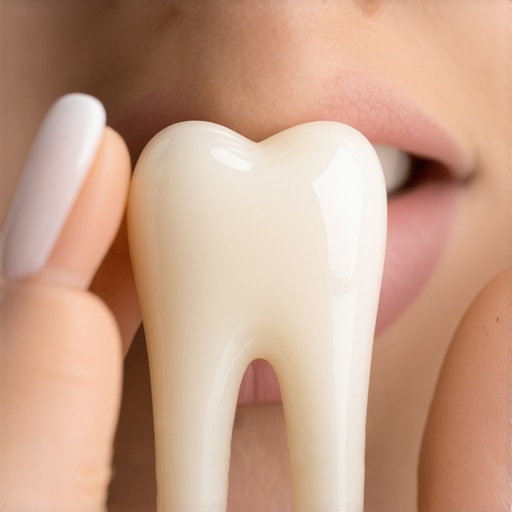
Can You Still Get Implants If Your Jawbone is Thinning?
This is where things get technical. A common myth is that if you have bone loss, you are simply out of luck for dental implants. However, the truth about getting dental implants if you have existing bone loss is far more optimistic. Advanced techniques like bone grafting and sinus lifts have changed the game. According to a study published in the Journal of Oral Rehabilitation, the long-term success of an implant is less about the initial bone volume and more about the quality of the ‘osseointegration’—the biological process where your bone actually fuses to the titanium post. Even so, people often ignore the truth about the lifespan of a dental implant. They aren’t invincible. If you don’t treat them with better care than your original teeth, you can develop peri-implantitis, which is basically gum disease for implants, and it is a nightmare to treat.
Stop Assuming Your Implants Are Indestructible
I’ve seen patients who spent thousands on a new smile and then stopped flossing because ‘implants can’t get cavities.’ While that’s technically true, the tissue surrounding the implant is actually more vulnerable than natural gum tissue because it lacks the same blood supply and ligament attachment. If you start feeling strange sensations, like why your dental implant feels like it is vibrating when you chew, it is a massive red flag. This isn’t just a quirk; it can indicate that the screw holding the crown has loosened or, worse, the implant itself is losing its grip on the bone. When you are deciding between veneers vs crowns choosing the best option for your smile, you have to consider the long-term structural integrity of your bite. Have you ever fallen into the trap of thinking a quick cosmetic fix would solve a deeper structural issue? Let me know in the comments. If you are feeling overwhelmed by the options, it is always best to reach out for a professional consultation before making a decision you might regret in five years.
The Gear That Keeps My Smile From Falling Apart
I’ve spent a fortune on my teeth, and I’ll be damned if I let a piece of spinach ruin a three-thousand-dollar bridge. My daily routine isn’t just about ‘brushing twice a day.’ I use a high-pressure water flosser specifically because manual string floss often fails to reach the nooks and crannies of a fixed bridge. If you’ve ever struggled with the best way to remove a stubborn spinach leaf from under your bridge, you know the frustration. I also ditched the standard abrasive toothpastes. Most people don’t realize that the gritty ‘whitening’ pastes can actually micro-scratch your porcelain. If you notice the reason your porcelain veneer feels rough to your tongue, it might be your toothpaste choice. I personally stick to a gel-based, low-RDA (Relative Dentin Abrasivity) formula to keep the surface glass-smooth.
How do I maintain my dental implants and veneers over time?
The secret is actually in the ‘interdental’ space. I use rubber-tipped picks instead of the wire-core brushes because the metal can actually scratch the titanium neck of an implant. According to a study in the International Journal of Implant Dentistry, patient-led plaque control is the single most significant predictor of whether an implant lasts five years or fifty. It’s about the boring, daily discipline. I also wear a custom-made night guard. Even if you don’t think you grind your teeth, the stress of modern life makes us all ‘clenchers’ at 3 AM. Protecting that porcelain from the literal tons of pressure your jaw can exert is the best insurance policy you can buy.
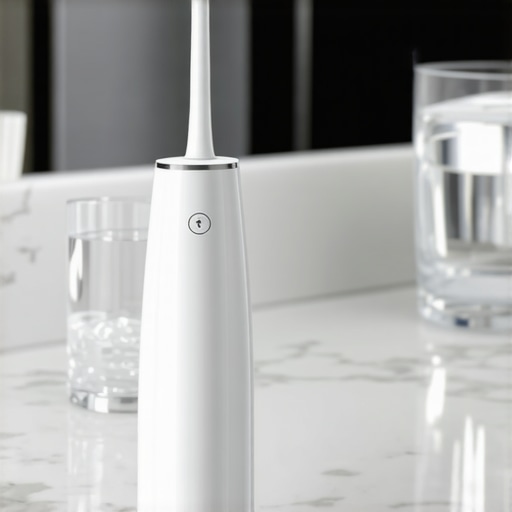
I’m also keeping a close eye on where technology is headed. We’re moving toward a world where ‘smart’ toothbrushes will send real-time data to your doctor, alerting them to inflammation before you even feel it. We are already seeing dental implants 2025 innovations that redefine comfort and durability, including bioactive coatings that speed up healing. Looking even further, the future of dental implants cutting edge techniques in cosmetic dentistry will likely involve 3D-printed scaffolds that encourage your own bone to regrow faster. It’s an exciting time to be an enthusiast of a healthy smile. If you want to keep your results for life, you need to integrate family dentistry tips for a lifetime of healthy smiles into your routine today, not tomorrow. My big tip for you? Swap your manual floss for a water flosser for just thirty days and see how much better your gums feel. It’s a game-changer.
The Hard Truths I Discovered While Chasing a Perfect Smile
After years of experimenting with various treatments, I’ve realized that the glossiest veneers and brightest whitening mean nothing if your internal dental health is neglected. Here are the lightbulb moments that changed how I approach my oral care:
- White isn’t a single shade. Chasing a ‘bleach white’ look often leads to a flat, unnatural appearance. Real beauty in cosmetic dentistry secrets to boost your confidence comes from subtle variations and translucency that mimic natural enamel.
- Sensitivity is a warning, not a tax. If your teeth hurt after a treatment, they are telling you the barrier is compromised. I’ve learned that you should never push through the pain just for a brighter shade.
- Maintenance is the real work. Getting a procedure done is like the wedding; the daily flossing and checkups are the marriage. It is a lifelong commitment to your oral health.
My Go-To Survival Kit for Dental Success
I don’t leave my results to chance anymore. If you are looking to upgrade your routine, these are the resources I trust to keep my smile in peak condition. First, a high-quality water flosser is non-negotiable for anyone with restorative work, as it is the best way to remove a stubborn spinach leaf from under your bridge without snagging the hardware. Second, I recommend educating yourself on the structural differences between treatments; for example, comparing veneers vs crowns which is right for your smile before making a permanent change. Lastly, never underestimate the power of consistent professional cleanings; following family dentistry tips for a lifetime of healthy smiles is the only way to ensure your investment lasts for decades rather than years.
Your New Smile Starts With a Single Decision
Investing in your smile is one of the most rewarding things you can do for your self-esteem, but it requires a balance of artistry and biology. Whether you are curious about how dental implants reshape your oral health in 2025 or you just want to find a whitening routine that doesn’t leave you in tears, remember to be patient with your body. True expertise in cosmetic dentistry is about longevity, not just the initial reveal. If you’re ready to move past the DIY struggle and get expert results, don’t be afraid to reach out for professional guidance today. Have you ever felt that sharp ‘zinger’ after using whitening strips? Let me know how you managed the pain in the comments below!