It was exactly 11:42 PM on a Tuesday when I heard that dreaded snap. I wasn’t doing anything heroic; I was just rinsing my clear retainer under the tap like I’ve done a thousand times before. One slip of the thumb, and there it was—a clean break right down the middle. My first thought? “I’ll just wait until my next cleaning.” That was my biggest mistake. I assumed my teeth were “set in stone” after two years of braces. Spoiler alert: they weren’t. Within forty-eight hours, I could feel a familiar pressure, that dull ache of a tooth trying to return to its rebellious, pre-orthodontic roots. [IMAGE_PLACEHOLDER]
Stop Your Smile from Backsliding Right Now
If you’re reading this while staring at a jagged piece of plastic or a snapped wire, take a deep breath. You aren’t going to wake up tomorrow with the smile you had in middle school, but you are on a ticking clock. When a retainer breaks, the ligaments holding your teeth in place start to relax. Think of it like a rubber band that’s been stretched for years; the moment you let go, it wants to snap back. Today, I’m going to walk you through exactly how to keep your teeth in place while you wait for a replacement, so you don’t end up needing to fix a small gap between your teeth without braces all over again. I’ve been in that panicked state, scouring the bathroom for any sign of the old backup retainer that I probably threw away in 2019. It’s stressful, it’s annoying, and it always happens at the worst time.
Will my teeth really move that fast?
This is the big fear, isn’t it? You wonder if a few days of freedom will cost you thousands of dollars in corrective work. According to the American Association of Orthodontists, teeth have a memory thanks to the periodontal ligaments, and relapse is a very real biological process that begins almost immediately after retention stops. I learned this the hard way. I once skipped wearing mine for a week during a vacation, thinking it was no big deal. By day five, the retainer didn’t even fit anymore without forcing it—which is painful and dangerous for your roots. It’s similar to the risk of skipping your night guard for just one week; consistency is the only thing standing between you and a shifting bite. Have you ever looked in the mirror and realized a tooth isn’t quite where it was yesterday? It’s a sinking feeling, but it’s one we can manage if we act fast.
Don’t Wait for the Gap to Open
When my retainer bit the dust, I tried to convince myself that my teeth were mature enough to stay put. I was wrong. The reality is that family dentistry experts will tell you that retention is a lifelong commitment. If you’ve invested in cosmetic dentistry to boost your confidence, the last thing you want is a wayward incisor ruining the symmetry you worked so hard for. Your first move needs to be a phone call—not an internet search for DIY glue (please, never glue your retainer, the chemicals are toxic). You need to contact a professional immediately to get a scan for a new one. In the meantime, we have to look at what you have on hand to maintain the status quo. Have you ever had a dental emergency strike at the most inconvenient moment? Tell me about it in the comments; I promise you aren’t alone in this.
Find Your Old Backup Right Now
The moment that plastic snaps, your first priority is finding a placeholder. If you were lucky enough to keep your previous set of retainers or even an old clear aligner from the end of your treatment, dig them out of the drawer. Even if they feel a bit tight, they are better than nothing. I remember the panic of my first break; I spent two hours digging through a box of old college notebooks just to find a ‘Phase 2’ aligner I hadn’t seen in years. When I finally popped it in, the relief was instant. It wasn’t a perfect fit, but it acted like a temporary brace, preventing that slow-motion drift. If you find yourself in a similar spot, you need to know what to do when your clear aligners stop fitting correctly so you don’t force them and cause a root injury. 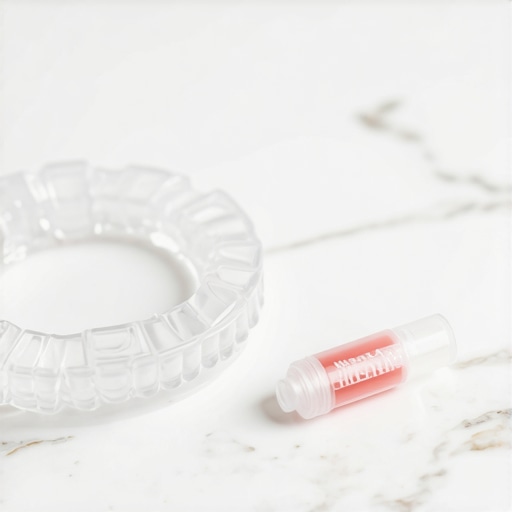
Smooth Out Sharp Jagged Edges Safely
If your retainer is only partially cracked but still holds its shape, you might be tempted to keep wearing it. The problem is usually the razor-sharp edge that slices into your tongue or gums. When this happened to me during a wedding weekend, I used a clean glass nail file to very gently buff down the snagged plastic. It wasn’t a permanent fix, but it allowed me to wear the piece for at least six hours a night without bleeding. If the break is clean through the middle, however, do not wear the pieces. Small fragments are a choking hazard, and half a retainer can actually apply ‘active’ pressure that pushes your teeth into a worse position than no retainer at all. This is where you have to weigh the risks, much like assessing the danger of wait-and-see for a loose dental bridge. Delaying a professional fix always leads to more expensive corrections.
How to Keep Your Teeth Still During the Wait
Think of your teeth like a boat at a dock. The retainer is the rope holding it in place. Once the rope snaps, the boat starts to drift with the tide. To minimize the drift while you wait for your replacement, avoid hard, crunchy, or extremely chewy foods that put lateral pressure on your teeth. When I was waiting for my new mold, I switched to a softer diet for three days—lots of smoothies and pasta—just to ensure I wasn’t ‘working’ my teeth loose by biting into hard apples or crusty bread.
Clean the Area and Check Your Permanent Wire
If you have a hybrid setup, you might have a fixed wire behind your bottom teeth. Many people forget about these until the top clear tray breaks. This is a good time to double-check that your bonded retainer is still fully attached to every tooth. If a single bond has failed, that tooth is officially on the move. You’ll want to brush up on the secret to flossing comfortably with a permanent retainer to ensure there isn’t plaque buildup causing gum inflammation, which can actually make teeth move faster.
The Professional Timeline for Replacement
You need to contact a professional immediately because the digital scanning and fabrication process can take anywhere from a few hours to two weeks depending on the lab. Don’t wait until the weekend is over. Most offices have emergency slots for ‘lost or broken appliances’ because they know that orthodontic relapse happens in days, not months. I once waited ten days to make the call, and by the time I sat in the chair, my lower lateral incisor had already tilted three millimeters. That tiny tilt meant the new retainer was incredibly painful for the first week as it tried to shove the tooth back into line.
Most people assume that once the ‘braces phase’ is over, their dental journey has reached a finish line. This is the biggest myth in family dentistry. Your teeth aren’t set in concrete; they are held by living tissues that respond to every chew and every night of clenching. When that retainer breaks, you aren’t just risking a ‘crooked tooth’—you are risking a total collapse of your bite alignment. In my experience, the ‘oops’ factor usually happens when we treat our dental work like a static object. For instance, did you know the reason your dental implant feels different than a natural tooth is because it lacks a periodontal ligament? It has zero ‘give.’ If your other teeth start to drift because of a broken retainer, they can end up colliding with that immovable implant, leading to expensive fractures.
I’ve seen people try to save a few bucks by ‘waiting out’ a broken veneer or a missing molar, but that’s a dangerous trap. Have you ever fallen into this trap? Let me know in the comments. We often think, ‘It’s just one tooth,’ but the risk of leaving a missing tooth unreplaced for years includes the gradual shrinking of your jawbone, which eventually changes your facial profile. 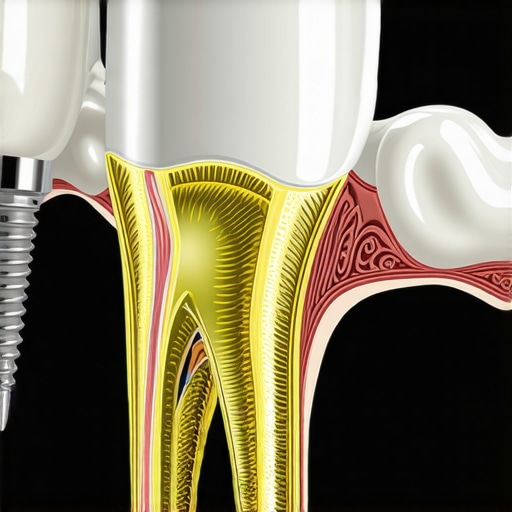
Can I still get dental implants if I already have bone loss?
This is the ‘advanced’ question I get all the time. Many patients believe that if they’ve waited too long, they are no longer candidates for modern dental implants. However, the truth about getting dental implants if you have existing bone loss is that bone grafting technology has made it possible for almost anyone to restore their smile, provided they stop the ‘wait and see’ approach. A study published in the International Journal of Oral & Maxillofacial Implants highlights that while delayed treatment is possible, the success rate of ‘immediate load’ implants is significantly higher when the bone is still dense. If you’ve been told you don’t have enough bone, don’t give up—but do contact a professional for a 3D scan before the situation worsens.
Avoid the ‘Supermarket’ White Teeth Trap
When we talk about cosmetic dentistry, the most common advanced mistake is chasing a shade of white that doesn’t exist in nature. This is why the mistake that makes your teeth look too white and fake is so prevalent. If you are replacing a broken retainer and thinking about upgrading to veneers, you have to consider the ‘translucency’ of the material. This is a nuance most beginners miss. If your provider doesn’t talk about ‘incisal edge transparency,’ you might end up with porcelain veneers that look opaque and not natural. A truly expert restoration mimics the way light passes through real enamel. Your dental health is a lifelong maintenance project, not a one-time purchase. Whether it’s a snapped wire or a chipped crown, your mouth is constantly telling a story. Are you listening to it, or are you waiting for the ‘snap’ to become a ‘shatter’?
Put Down the Toothbrush Before You Ruin Your Retainer
I learned this lesson the expensive way: scrubbing your clear retainer or aligner with a standard toothbrush is a recipe for disaster. The bristles create microscopic scratches in the medical-grade plastic, which act like tiny apartment complexes for bacteria. Not only does this lead to a funky smell, but it’s also the primary reason why your clear aligners have turned a cloudy white color and lost their invisibility. If you want your investment to last, you need to transition from manual scrubbing to ultrasonic technology. I personally use a small ultrasonic cleaner every morning. You just drop the retainer in with a specialized cleaning tablet, and high-frequency sound waves shake the debris loose without damaging the surface. It’s the single best way to ensure your orthodontic work stays fresh while following family dentistry tips for a lifetime of healthy smiles.
The Gadget That Saved My Gums
When it comes to dental implants or complex bridge work, traditional floss is often more frustrating than helpful. I’ve switched almost entirely to a high-pressure water flosser for my daily routine. Why? Because it can reach the nooks and crannies around an implant abutment that string just can’t touch. According to a longitudinal study published in the Journal of Oral Implantology, the mechanical stability of the implant connection is significantly compromised if peri-implant tissues are allowed to stay inflamed. The water flosser flushes out those bacteria-heavy pockets before they can turn into a surgical nightmare. If you’ve been curious about the truth about the lifespan of a dental implant, remember that the hardware is only as good as the gum health supporting it. 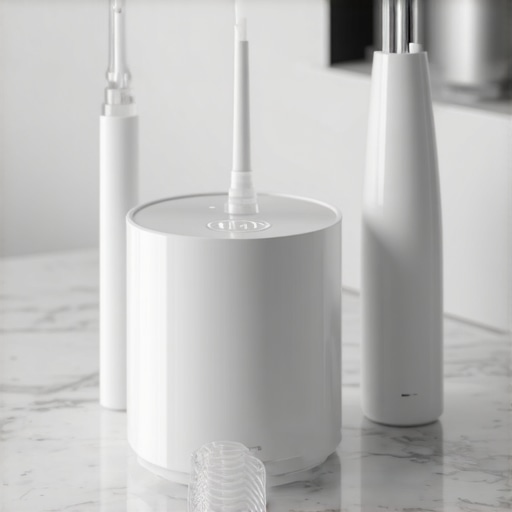
How do I maintain my dental implants and veneers over time?
Maintenance isn’t just about cleaning; it’s about protection. If you’ve invested in a veneers transformation, you are now a ‘clench watcher.’ I wear a custom-molded night guard every single night without fail. Porcelain is incredibly strong against vertical biting forces, but it’s vulnerable to the lateral grinding we do in our sleep. One night of heavy grinding can shear a veneer right off or cause a micro-crack in an implant crown. I also recommend a neutral pH fluoride gel for anyone with extensive crown work. Most over-the-counter mouthwashes are surprisingly acidic, which can actually etch the margin where your tooth meets the restoration over several years. By using a neutral pH product, you’re protecting that seam and preventing the ‘dark line’ that often appears at the gumline.
The Future of Your Mouth is Digital
I predict that by 2030, we won’t be guessing if our teeth have moved or if a cavity is forming. We are already seeing the rise of AI-powered intraoral cameras that sync directly to your smartphone. These tools will allow you to take a 360-degree scan of your mouth at home and send it to your doctor for an instant health check. This is part of the shift toward the future of dental implants and cutting-edge techniques. Imagine getting an alert on your phone that says, ‘Hey, your lateral incisor has shifted 0.2mm, put your retainer in now.’ We are moving away from reactive ’emergency’ dentistry and toward proactive, data-driven maintenance. If you haven’t seen a dentist in the last six months, don’t wait for a snap or a crack to happen. You should contact a professional today to get a baseline scan. My challenge to you this week: swap your old manual toothbrush for an ultrasonic cleaner for your removable appliances and see how much clearer they look after just seven days.
The Expensive Lessons My Broken Retainer Taught Me
Looking back, the stress of that snapped plastic taught me more about family dentistry than any textbook could. First, your teeth have a memory that lasts longer than your patience; even years after treatment, they are searching for an excuse to drift back to their old positions. Second, never try to ‘macgyver’ a dental appliance. I have heard horror stories of people using industrial glue, which is not only toxic but can permanently damage your enamel. Third, the cost of a replacement is a tiny fraction of the cost of re-doing your entire treatment. If you have invested in a veneers transformation or orthodontic work, think of your retainer as the essential insurance policy for that investment.
The Tools I Use to Keep Everything in Place
Over the years, I have refined my routine to ensure I never have another ’11:42 PM’ emergency. I swear by my ultrasonic cleaner; it is the only way to ensure your pieces do not become cloudy or stained over time. I also keep a digital copy of my last 3D tooth scan on file with my dentist. If you are wondering why your clear aligners have turned a cloudy white color, it is usually because of micro-scratches from old-fashioned scrubbing. Switching to a gentle ultrasonic soak saved my second set from the same fate. [IMAGE_PLACEHOLDER] Finally, for anyone with complex work like dental implants, I trust a high-quality water flosser to maintain the gum health that keeps those restorations stable. You can learn more about how dental implants reshape your oral health in 2025 by staying ahead of the technology curve.
Your Smile Deserves Proactive Care
It is easy to feel defeated when something breaks, but remember that cosmetic dentistry is a marathon, not a sprint. The goal is not just to have a perfect smile for a year; it is to have one for a lifetime. Whether you are currently weighing the pros and cons of veneers vs crowns or just need a simple replacement wire, the best thing you can do is contact a professional before the shift becomes visible. Don’t let a weekend of ‘waiting and seeing’ turn into a year of corrective braces. Your future self will thank you for making the call today.
Have you ever had a retainer break at the worst possible moment? Share your survival story in the comments below!