I will never forget the moment I looked down at the rinse cup and saw what looked like a scene from a horror movie. There I was, a grown adult who prided himself on decent hygiene, watching the hygienist exchange a concerned glance with the dentist. It’s a specific kind of shame, isn’t it? That metallic taste in your mouth and the nagging feeling that you are being silently judged for every cup of coffee or missed flossing session. I realized then that my brush and hope strategy simply wasn’t cutting it. If you have ever felt that pit in your stomach when the dental probe comes out, I am here to tell you that you can actually change the narrative of your next visit. We are going to fix that pink in the sink problem for good. [image]
Make Your Next Cleaning a Bloodless Event
The truth is, bleeding during a cleaning is your body’s alarm system. It’s not just part of the process and it is certainly not something you should just accept as normal. It is an inflammatory response. For a long time, I ignored it. I figured, hey, they are poking me with sharp metal, of course I am going to bleed. But that is a dangerous myth. I have learned through trial and error that when your gums are truly healthy, they do not just bleed because someone touched them. To get to the root of it, we often need to look at the surprising connection between your gut health and your bleeding gums to understand that oral health is deeply systemic.
Is a little blood actually worth the hype?
You might be thinking that a few drops of blood are not worth the panic. I thought the same thing until my dentist explained the long-term consequences. My biggest mistake early on was thinking I could just scrub the problem away with brute force. I was actually making things worse by being way too aggressive, which is a common issue for people who wonder why your gums are receding even though you brush twice a day. According to the American Academy of Periodontology, nearly 50% of adults over the age of 30 have some form of periodontal disease. That is a staggering number. If you do not address the inflammation now, you are looking at the real cost of skipping your six-month checkup later down the line, and trust me, it is not just a financial burden. Have you ever felt that sudden wave of anxiety when the hygienist starts calling out those pocket depth numbers? Let me know if you have been there too. We are going to dive into the family dentistry tips that actually work to toughen up your gums before you sit back in that chair again.
Stop Power-Washing Your Gums
Stop treating your gums like a dirty sidewalk you are trying to power-wash with a high-pressure hose. One of the most common reasons for inflammation is mechanical trauma from over-eager brushing. Think of your gum tissue like a delicate non-stick pan; if you scrub it with steel wool, you are going to ruin the surface. I remember the first time I switched to a high-end electric brush. I was so used to manual scrubbing that I pressed down until the warning light flashed red. I had been essentially sanding my gums down for years, which explains why I was constantly asking my dentist how to tell if your gum recession is caused by brushing too hard. The fix is simple: hold your brush with just two fingers like a flute, not a hammer. This ensures you are using only enough pressure to disturb the biofilm without wounding the tissue. You need to learn how to pick a toothbrush that wont destroy your enamel, specifically looking for ‘extra soft’ bristles that can flex into the sulcus—the tiny pocket where the tooth meets the gum—without causing a micro-tear.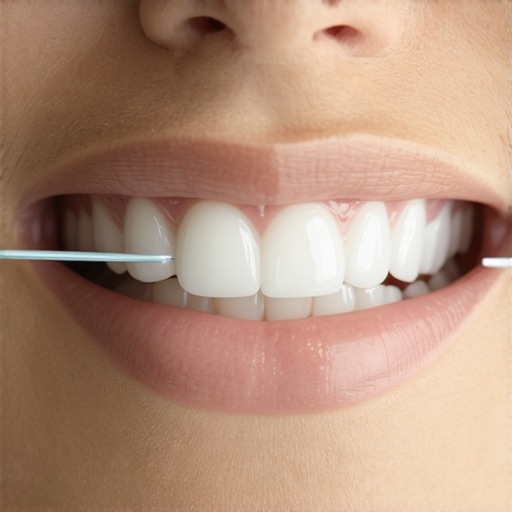
Wrap Your Floss in a C-Shape
If you are just snapping the floss up and down between your teeth, you are missing the point and likely causing the very bleeding you are trying to avoid. Effective flossing is about surface area, not just clearing out that piece of steak from dinner. You need to ‘hug’ the tooth. Once the floss is between your teeth, wrap it into a C-shape around the side of one tooth and slide it gently under the gumline until you feel resistance. Then, move it up and down. I used to be a ‘snap and go’ flosser until a hygienist showed me that I was leaving a wall of plaque right at the base of the tooth. When I finally committed to the C-shape technique, the bleeding stopped in exactly four days. This technique is even more critical for those navigating hardware, so make sure you learn the trick to flossing around permanent orthodontic retainers to ensure no hidden bacteria are brewing under your wires.
Feed Your Gums from the Inside Out
Your gums are some of the fastest-healing tissues in your body, but they cannot rebuild without the right raw materials. This is where the execution moves from the bathroom to the kitchen. Inflammation is often fueled by a diet high in processed sugars that feed the bad bacteria in your mouth. When I cut back on liquid sugar and increased my intake of Vitamin C and CoQ10, my gums felt tighter and less ‘boggy’ within a week. As we discussed earlier, the surprising connection between your gut health and your bleeding gums cannot be ignored. A probiotic-rich diet helps balance the oral microbiome, making your mouth a hostile environment for the bacteria that cause gingivitis. Integrating these family dentistry tips into your daily routine—like rinsing with salt water to reduce swelling—creates a protective barrier that makes your next professional cleaning a breeze rather than a battle. If you can commit to these three shifts for just fourteen days before your appointment, the dental probe will no longer be something you fear.
Veneers Won’t Protect You from Gum Disease
While many people assume that getting a brand-new smile means they can relax their hygiene routine, the opposite is true. I’ve seen patients think of their porcelain as armor, but this is a dangerous misconception. Bacteria don’t care about the cost of your smile; they will still settle at the margin where the porcelain meets your natural tooth. If you notice why your porcelain veneers might feel bulky at first, it could be a sign of improper bonding or an inflammatory response that needs immediate attention. If that margin isn’t kept perfectly clean, you risk sub-gingival decay that can rot the tooth right out from under the veneer. Most people get this wrong: they think the cosmetic work is the finish line, when in reality, it is the start of a more disciplined maintenance phase. 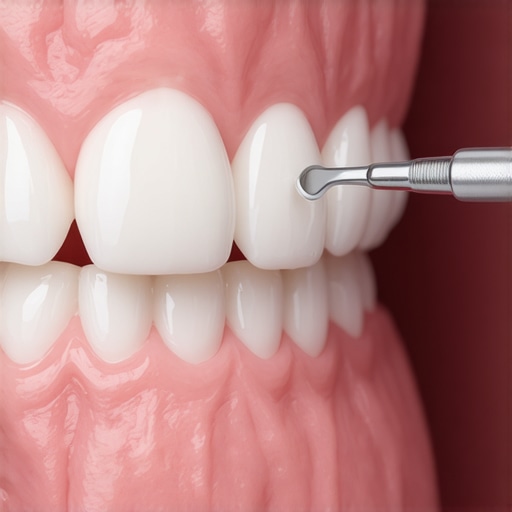
The Stealthy Threat of Peri-Implantitis
One of the biggest traps in restorative dentistry is ignoring the unique way a dental implant interacts with your body. Because implants lack a periodontal ligament, they don’t have the same sensory feedback as a natural tooth. You won’t feel a cavity, but you can certainly lose the bone supporting the post. The Journal of Oral Implantology notes that peri-implantitis, an inflammatory disease affecting the tissues around dental implants, is a leading cause of failure, often manifesting without significant pain until the hardware is compromised. Understanding how dental implants reshape your oral health in 2025 means recognizing that bone health is the foundation of your investment. One subtle ‘oops’ factor to watch for is a strange sensation when using certain appliances; for instance, understanding the reason your dental implant feels like its vibrating can help you distinguish between normal resonance and a loose abutment.
How Can You Spot a Failing Implant Before It’s Too Late?
This is the advanced question every patient should ask themselves. Unlike a natural tooth that might throb when infected, an implant might simply feel ‘different’ or produce a faint metallic taste. You need to know how to tell if your dental implant is rejecting or just healing because the window for intervention is incredibly small. Advanced diagnostics are your best friend here. While a standard bitewing X-ray is fine for cavities, it doesn’t always show the full picture of bone integration. This is exactly what your Culpeper dentist sees on a CBCT scan that a standard x-ray misses, providing a 3D view of the bone density surrounding your implant.
Stop Ignoring the Micro-Sensations
In my experience, patients who succeed long-term are the ones who pay attention to the nuances of their ‘bite feel.’ If your bite feels even a fraction of a millimeter off, it can create a leverage effect that stresses the implant or chips your ceramic. Following the 3 secrets to making your porcelain veneers last twenty years isn’t just about what you eat; it’s about the mechanical harmony of your jaw. Have you ever fallen into the trap of thinking a cosmetic fix meant your dental work was finally done? Let me know in the comments.
Get a Water Flosser with the Right Attachment
For years, I thought a standard water flosser was enough, but I was wrong. If you have implants or bridges, you need the ‘Plaque Seeker’ tip—the one with the tiny tufts of bristles at the end. Standard tips just spray water, but these bristles physically agitate the biofilm around your hardware. I personally use my Waterpik on a setting of 6; any higher and you risk damaging the delicate seal between your gum and the titanium post. This is a critical distinction because dental implants 2025 innovations that redefine comfort and durability often rely on the health of that very seal. According to a study published in the Clinical Oral Implants Research journal, mechanical disruption of the biofilm is significantly more effective at preventing inflammation than rinsing alone. If you feel even a tiny bit of movement, you need to know how to save a dental implant that feels slightly mobile before the underlying bone begins to resorb. 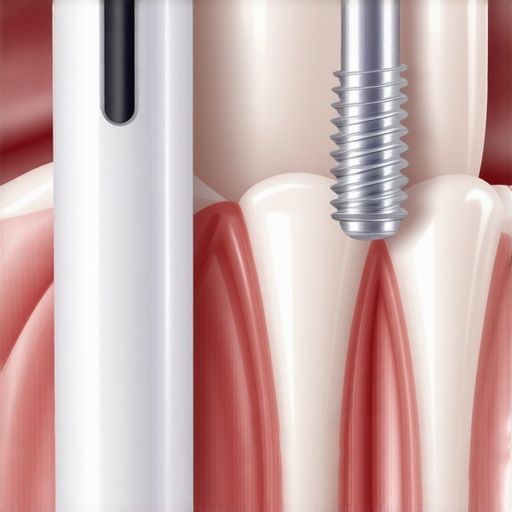
Watch Out for These Early Signs of Restoration Failure
We often assume that once a crown is cemented, it is permanent. However, the cement can wash out over time, creating a micro-gap that traps sugars and bacteria. I check my own work every morning by looking for ‘shadowing’ at the gumline. If you see a dark line where the porcelain meets the gum, it might not just be a cosmetic issue; it could be a sign that the seal is failing. This is often why your dental implant crown feels loose after years of use. I’ve shifted my focus toward preventative diagnostics, much like the future of dental implants cutting edge techniques in cosmetic dentistry, which suggests that we will soon have smart-implants with built-in pH sensors to alert us to infection before we even feel a symptom.
How do I maintain my dental restoration over time?
The secret is consistency and the right ‘interproximal’ tools. I recommend using specialized ‘proxy brushes’—those little Christmas-tree-looking things—to clean the spaces where a standard brush cannot reach. This is especially important if you’ve had braces and are trying to prevent 3 ways to fix the black triangles between your teeth after braces. If you can’t get a piece of floss through, don’t force it; use a proxy brush with a drop of antimicrobial rinse. My personal challenge for you: swap your manual flossing for a high-quality water flosser with a specialized tip for just one week. You will be shocked at what comes out even after you think your mouth is clean. Keeping your smile in top shape requires moving beyond basic family dentistry tips and embracing the specialized tools designed for modern restorations.
The Truth About High-End Restorations That Most Patients Miss
After years of focusing on oral health, I have realized that the biggest myth is believing a porcelain finish or a titanium post makes you invincible. In reality, unlocking your best smile yet requires a commitment that goes far beyond the initial procedure. I used to think my work was done once the dental chair tilted back up, but your restorations are only as strong as the bone and gum tissue supporting them. Here are a few ‘lightbulb’ moments from my own journey:
- The ‘Silent’ Failure: Unlike a natural tooth that throbs with a cavity, an implant often fails quietly. You have to be the one to spot the subtle shifts in gum color or texture.
- Maintenance is Not Optional: Many people treat cosmetic dentistry secrets as a ‘set it and forget it’ solution, but the junction where the porcelain meets your gum is the most vulnerable spot in your mouth for bacteria to hide.
- Bleeding is a Grade: If your gums are bleeding during your home routine, your hygiene is getting a failing grade, regardless of how white your teeth look in photos.
[image]
My Daily Arsenal for a Perfect Checkup
I don’t just rely on any random brush from the supermarket. To keep my smile stable, I have a specific toolkit that I swear by. First, a high-quality water flosser is non-negotiable, especially for those curious about the truth about the lifespan of a dental implant. I also use interproximal brushes—those tiny, tree-shaped tools—to reach the gaps that regular floss simply skips over. Finally, switching to an extra-soft electric brush head changed my gum health overnight; it allows the bristles to vibrate plaque away without the ‘sanding’ effect of manual scrubbing. These tools turn a chore into a precise, scientific ritual that ensures my next visit is quick and painless.
Claim Your Seat Without the Anxiety
You don’t have to walk into your next appointment with your heart racing or your stomach in knots. By taking these family dentistry tips and turning them into non-negotiable habits, you are rewriting the story of your oral health. The ‘horror movie’ rinse cup can be a thing of the past. Start tonight, be gentle with your tissues, and watch how your body responds with health and resilience. Have you ever noticed your gums bleeding only during a professional cleaning, or does it happen at home too? Let me know below.