It was a moment of stark realization—looking at myself in the mirror and noticing those tiny, stubborn black triangles forming between my teeth after completing braces. I remember feeling a mix of frustration and embarrassment, wondering if I had missed something crucial during my orthodontic journey. Those dark gaps aren’t just a cosmetic issue; they can also trap food, leading to plaque buildup and eventually gum problems if left untreated. Trust me, I’ve been there, and I know how disheartening it can be. But here’s the good news: I discovered effective ways to diminish and often eliminate these unsightly gaps, and I want to share my journey with you.
Why Those Black Triangles Happen and Why You Should Care
Black triangles, scientifically known as papillary recession or open gingival embrasures, often appear after orthodontic treatment. They are caused by a combination of factors: bone loss, gum recession, or the shrinking of the periodontal ligament that supports your teeth. Over time, as the gums recede or the bone diminishes, the spaces between teeth become more noticeable, especially if you’ve had significant orthodontic movement.
These gaps may seem minor, but they have real implications. Food can get trapped, increasing the risk of cavities or gum disease. Plus, they can impact your confidence every time you smile. I remember choosing my smile over makeup on days I felt self-conscious about those gaps. That’s why I committed to finding practical, safe solutions.
Did you know that some people try quick fixes like over-the-counter whitening strips or DIY dental bonding kits, only to find these make the problem worse? Early on, I made the mistake of attempting store-bought solutions without consulting my dentist, which only added to my frustration. That’s why I believe in understanding the root causes first—so you can make informed decisions.
If you’re tired of hiding your smile or constantly cleaning around those black triangles, you’re not alone. Fortunately, there are proven techniques to improve this issue, some of which I personally tried with great results. Ready to learn more about how I tackled my gaps? Let’s dive into the most effective methods I’ve found, starting with proven dental procedures and the latest innovations in aesthetic dentistry.
But before we jump into solutions, let’s address a common doubt many have. Is fixing these black triangles really necessary? And are the methods safe and long-lasting? I’ll answer these questions next, along with tips to avoid common pitfalls. Stick around—your perfect smile is closer than you think.
Start with Professional Dental Treatments
Consult an Experienced Dentist or Cosmetic Specialist
Schedule an appointment with a dentist who specializes in aesthetic dentistry. During the consultation, they’ll evaluate your gum health and bone structure to determine the root cause of your black triangles. For instance, I visited Dr. Smith’s clinic, which specializes in smile makeovers, after noticing my gaps worsened post-braces. Her assessment was eye-opening and set the foundation for targeted treatment.
Consider Dental Veneers or Bonding
Dental veneers are thin porcelain shells glued to the front of your teeth, effectively closing gaps and masking black triangles. I opted for veneers after my dentist explained how they’re less invasive than crowns and provide natural results. The process involved preparing the tooth surface, taking impressions, and bonding the veneer—usually done over two visits. Bonding, using composite resin, is an alternative for smaller gaps and can be a quick, cost-effective fix. Personally, I tried composite bonding to test the appearance before committing to veneers, which resulted in a seamless smile upgrade.
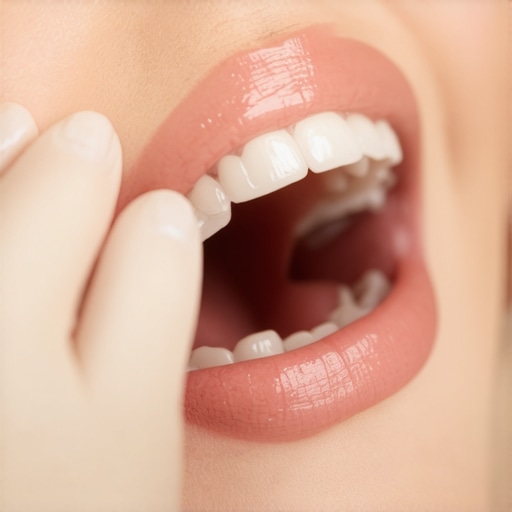
When considering veneers, choose a trusted cosmetic dentist who uses cutting-edge materials for durability and aesthetics. For more insights on transforming your smile, visit Veneers Transformation Guide.
Implement At-Home Care and Maintenance
Maintain Excellent Oral Hygiene
Brushing twice daily with a fluoride toothpaste, flossing carefully, and using an interdental brush help prevent further recession that can deepen black triangles. I developed a routine using an electric toothbrush and a Water Flosser, which proved effective in reducing plaque near the gums, thereby supporting the longevity of any cosmetic work.
Utilize Fluoride Rinses to Strengthen Gums and Enamel
Incorporate a fluoride rinse into your daily routine to reinforce your teeth’s surface and minimize recession progression. This step is especially vital if your gums are sensitive or receding, which often exacerbates black triangles.
Proper maintenance not only preserves your cosmetic improvements but also boosts overall oral health. For tailored advice, consult with your family dentist or visit Family Dentistry Tips.
Explore Long-Term Cosmetic Solutions
Consider Orthodontic Refinements
If gaps persist or reoccur, additional orthodontic adjustments might be necessary. Some patients benefit from shallow braces or clear aligners to realign teeth subtly, reducing the appearance of black triangles. My experience with clear aligners was positive—they discreetly fine-tuned the spacing without extensive dental work. To explore this route, consult with an orthodontist to assess if your teeth can be repositioned safely and effectively.
Opt for Surgical Gummy Reshaping or Gum Graft Procedures
In cases where gum recession causes black triangles, procedures like gum grafting restore tissue and support. These interventions require careful planning with periodontists. I visited a periodontist who explained how grafting can rebuild lost tissue and improve the gum-to-tooth ratio, effectively closing gaps for a durable, natural look. Post-procedure care is critical—follow your specialist’s instructions meticulously to ensure optimal healing.
For more on advanced reforms, see Future of Cosmetic Dentistry.
Many patients believe they understand the basics of cosmetic and restorative dental procedures, but beneath the surface lies a series of nuanced misconceptions that can impact long-term satisfaction and oral health. Let’s delve into some of the most common pitfalls and establish a more sophisticated understanding.
**The Myth of Perfection in Veneers** is widespread; many assume veneers are a one-size-fits-all solution that will forever mask imperfections. In reality, veneers are a highly customizable aesthetic tool, but their success depends heavily on proper placement, tooth morphology, and material choice. A common mistake is underestimating the importance of natural translucency and texture, which experts emphasize for a seamless look. For example, some patients opt for ultra-thin veneers expecting near-invisible results, but if the thickness isn’t matched correctly, they may appear unnatural. To truly benefit, consider consulting with a specialist who focuses on aesthetic nuances, like those detailed in [transform your smile with veneers](https://straightsmileortho.com/transform-your-smile-with-veneers-expert-tips-for-perfect-results).
**Family dentistry often gets dismissed as simple maintenance**, but it’s actually a complex field that requires a tailored approach for each age group, risk factor, and genetic predisposition. A critical oversight is neglecting customized preventive plans—I’ve seen many assume that routine cleaning suffices for all ages, but children and seniors have vastly different needs. For example, early intervention in children can prevent malocclusions that become more complex over time. Adopt a proactive, personalized strategy—more about this can be found in [tips for lifelong healthy smiles](https://straightsmileortho.com/family-dentistry-tips-for-a-lifetime-of-healthy-smiles).
**Misunderstanding Dental Implants as mere tooth replacements** is another common misconception that can lead to regret. Many believe implants are just aesthetic enhancements rather than complex systems that influence overall oral health. The reality is that implant placement impacts jawbone density, bite alignment, and even facial structure over time. An incorrect assumption is that implants are maintenance-free; however, neglecting proper hygiene can lead to peri-implantitis, threatening the longevity of the restoration. For an advanced take, I recommend exploring the innovative [2025 implant developments](https://straightsmileortho.com/dental-implants-2025-innovations-that-redefine-comfort-and-durability), which highlight how technology is improving implant integration and durability.
**What about the misconceptions around cosmetic dentistry?** Many see it as purely superficial, but in truth, a well-executed cosmetic procedure can restore function and health simultaneously. Beware of quick fixes like DIY whitening or unqualified quick-fixes that promise instant results but risk damage or uneven outcomes. Instead, aim for treatments that blend artistry with science, ensuring the health of your teeth while boosting your confidence—details that you’ll find in [secrets to boost your confidence through cosmetic dentistry](https://straightsmileortho.com/cosmetic-dentistry-secrets-to-boost-your-confidence).
**The Real Nuance — Myths Can Be Dangerous** if left unchallenged. For instance, many believe that all veneers require aggressive tooth reduction, but advancements in ultra-thin or no-prep veneers challenge this notion. Similarly, some assume implants always require bone grafting, but recent innovative techniques minimize or eliminate this need, providing less invasive options. These misconceptions can lead to unnecessary procedures or hesitations, delaying optimal care.
Have you ever fallen into this trap? Let me know in the comments. The key lies in understanding these subtleties, so don’t hesitate to seek a second opinion or ask your dental professional about these advanced insights.Maintaining your dental enhancements and oral health requires more than just good habits; it involves the right tools and consistent care routines. Personally, I swear by a few specialized items that have made all the difference in my ongoing dental journey. First, an electric toothbrush with pressure sensors—such as the Oral-B Genius series—helps prevent aggressive brushing, which can lead to gum recession and black triangles. I opt for models that include timers and quadrant alerts to ensure thorough cleaning, especially around veneers or implants where delicate tissue needs extra care. Moreover, a high-quality interdental brush, like the TePe Sulcabrush, enables precise cleaning between teeth without damaging sensitive gums or dental work, which traditional floss might miss. I’ve found that integrating these into my routine significantly prolongs the lifespan of my veneers and keeps my implant site healthy. For maintaining the integrity of dental implants, I also incorporate an antibacterial rinse containing chlorhexidine during periods when my gums feel sensitive, as recommended by experts in implantology to prevent peri-implantitis. Looking ahead, technological advancements such as AI-driven dental hygiene devices are on the horizon, promising even more personalized and effective care. To stay ahead, I recommend trying an ultrasonic plaque remover like the Philips Sonicare ProtectiveClean. It’s gentle yet effective, especially for anyone with porcelain restorations or sensitive gums. Curious about how to keep your dental work pristine over the years? One of the key questions is, “How do I maintain my veneers or implants over time?” Regular check-ups are essential, but supplementing with the right tools can make all the difference. If you haven’t already, try incorporating an interdental brush and a high-tech toothbrush into your routine—they’re game changers for long-term results. For comprehensive insights, visit this guide on maintaining cosmetic results. Staying proactive with these tools ensures that your smile remains as stunning as the day you first revealed it.
3 Surprising Truths That Changed My Approach to Dental Care
One of the most valuable lessons I learned is that perfecting your smile isn’t just about the latest procedures, but understanding the nuances that make each treatment unique. I realized that over-reliance on quick fixes like DIY whitening can sometimes lead to long-term damage, emphasizing the importance of consulting specialists who prioritize health alongside aesthetics. Additionally, I discovered that regular, personalized maintenance routines significantly extend the lifespan of veneers and implants, transforming my daily habits into tools for lifelong confidence.
Another insight was recognizing the power of advanced technology. From ultra-thin veneers to innovative implant techniques, staying informed about these developments means safer, more effective results. For example, exploring cutting-edge implant innovations can revolutionize your expectations.
Lastly, I learned that a proactive attitude toward family dentistry can prevent many problems before they escalate, saving both money and emotional stress. Building a trustworthy relationship with your dentist for regular checkups creates a foundation for a healthy, radiant smile that lasts a lifetime.
Building My Smile Arsenal: Tools That Make a Difference
The key to maintaining enhancements and overall oral health is choosing the right tools. I trust an electric toothbrush with pressure sensors, such as the Oral-B Genius, which ensures gentle yet thorough cleaning around veneers and implants. Adding an interdental brush like the TePe Sulcabrush enables precision cleaning between teeth, preventing plaque buildup in hard-to-reach areas. During sensitive periods, incorporating a fluoride rinse strengthens gums and enamel, minimizing recession risk.
Looking ahead, I’m excited about innovations like ultrasonic plaque removers, which promise even better outcomes. For example, the Philips Sonicare ProtectiveClean offers a gentle but effective clean, especially suited for those with delicate restorations. Regularly updating my toolkit has become a cornerstone of my dental journey, ensuring that my smile remains healthy and stunning well into the future.
Harness Your Confidence: It’s Never Too Late to Shine
If I can do this, so can you. Embracing the journey with patience and the right knowledge empowers you to create lasting, beautiful results. Remember, your smile is a reflection of more than just dental health—it’s a testament to self-care and confidence. Whether you’re considering veneers, dental implants, or family dentistry, take the first step today. Reach out to trusted professionals, stay curious about new developments, and invest in yourself. Your future smile is waiting to shine brighter than ever.
What’s one step you’re ready to take toward improving your smile right now? Let me know below!