I will never forget the morning I caught a glimpse of my smile in the harsh fluorescent light of a grocery store bathroom. My front tooth, which I had spent a small fortune on just a year prior, had this unsettling gray shadow creeping along the gumline. I felt a pit in my stomach. I thought I had done everything right—brushed, flossed, and kept my appointments—yet my “perfect” porcelain crown looked like it was decaying from the top down. It was not until I sat in a specialist’s chair that I realized my mistake was not about my hygiene routine; it was about the specific material of the crown I had chosen years ago. Today, we are going to dive into why this happens and, more importantly, how we can transition you toward a more natural look.
That Unwanted Metal Shadow Is More Common Than You Think
If you are noticing a dark or grayish tint where your tooth meets your gum, you are not alone. It is one of the most frequent complaints I hear from people who have older porcelain-fused-to-metal (PFM) restorations. The secret lies in the name itself. These crowns use a metal sub-structure for strength, covered by a layer of porcelain for aesthetics. Over time, as your gum tissue naturally shifts or if you have experienced a bit of recession from brushing too hard, that metal margin starts to peek through like a dark secret. When I first saw that gray line on my own tooth, I actually made the situation worse by assuming it was plaque. I started scrubbing my gums with a stiff-bristled brush, which only led to swollen gums around the crown and accelerated the very recession I was trying to hide. If you have been frantically brushing to “clean” a shadow that won’t budge, please stop! You are likely just exposing more of the metal base.
Does this mean my dentist did a bad job?
It is easy to feel a bit skeptical when your investment starts looking gray. You might wonder if the lab messed up or if your dentist took a shortcut. In reality, PFM crowns were the gold standard for decades because of their incredible durability. However, they have a major aesthetic flaw known as the “umbrella effect.” Even if the metal isn’t showing directly, the dark metal core blocks light from passing through the tooth, casting a shadow on the surrounding gum tissue. According to the American Academy of Cosmetic Dentistry, the metal margin can also leach slightly into the surrounding tissue over many years, creating a permanent tattoo-like effect on the gum. This is why many people are now exploring veneers vs crowns to find a more translucent, all-ceramic alternative. Whether you are looking into cosmetic dentistry secrets to brighten your overall look or simply want that gray line gone, there is a way out of the shadow. Have you noticed a dark line starting to form around your dental work lately? Reach out and let me know, as I’ve been through the exact same frustration.
Swap That Old Metal for High-Translucency Porcelain
Think of your old PFM crown like a dark wooden table covered with a thin white tablecloth. No matter how white the cloth is, you can still sense the darkness underneath. To get that light, airy look back, we have to change the foundation. Modern dentistry has moved toward metal-free options that mimic the way natural light travels through a tooth. When I finally decided to replace my own ‘graying’ crown, the difference was immediate. The light didn’t just hit the tooth and stop; it flowed into it, making the tooth look alive rather than like a piece of chalk.
Choose Zirconia or E-Max for a Seamless Edge
If you want to banish the gray line forever, you need to ask about lithium disilicate (E-Max) or translucent zirconia. These materials are solid ceramic all the way through. This means that even if your gums recede slightly over the next ten years, there is no metal base to reveal. When I had my procedure done, my dentist explained that veneers vs crowns is often the first question patients ask, but for a tooth that already has a crown, staying with a full-coverage ceramic unit is usually the safer bet for structural integrity. 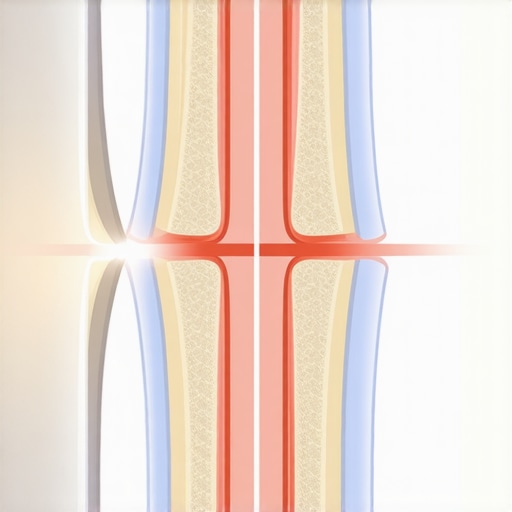
The Secret to Masking a Discolored Tooth Stump
During my replacement, we hit a snag: the years of wearing a metal crown had actually stained the underlying natural tooth structure a dark, muddy color. If we had just placed a thin, translucent ceramic crown on top, the dark stump would have shone through, making the new crown look dull. This is often why your porcelain veneers look opaque and not natural; the dentist is trying too hard to hide what is underneath. My dentist used a specific ‘opaquing’ cement to neutralize the dark stump before bonding the final crown. This extra step is the difference between a crown that looks like a fake ‘chiclet’ and one that looks like a real tooth.
Make Sure Your New Restoration Is Bonded Correctly
It is not just about the material; it is about how it attaches. You should ask your provider how to tell if your veneers were bonded correctly to the enamel or if the crown has a hermetic seal. A poor seal allows bacteria to seep under the edge, which can lead to new decay and—you guessed it—more dark shadows at the gumline. I remember feeling the edge of my old crown with my tongue; it felt like a tiny ledge. My new ceramic crown is so flush with the tooth that I cannot tell where the porcelain ends and my tooth begins.
How to Pick a Toothbrush That Wont Destroy Your Enamel
Once your new, beautiful crown is in place, you have to protect the gumline to prevent future recession. I learned the hard way that aggressive scrubbing is the enemy. You need to learn how to pick a toothbrush that wont destroy your enamel or irritate the delicate tissue around your dental work. Switching to an extra-soft manual brush or a high-end electric brush with a pressure sensor changed everything for me. It kept my gums ‘thick’ and healthy, ensuring that the interface between the crown and the gum stayed hidden and pink.While we often equate durability with quality, a common mistake in modern restorations is over-prioritizing mechanical strength at the expense of light dynamics. Most people assume that the strongest zirconia is the gold standard for every tooth. In my experience, choosing the ‘toughest’ material for a front tooth is often a recipe for a flat, lifeless smile. This is one of those cosmetic dentistry secrets that many practitioners don’t emphasize enough: opacity is the enemy of beauty. If the material is too dense, it won’t allow for the natural depth you see in why your teeth look translucent at the edges.
Why does your tooth look different in sunlight versus indoor lighting?
This phenomenon is called metamerism. A restoration might look like a perfect match under the cool LEDs of a dental office, but the moment you step into the park, it turns into a jarring white block. This happens because the porcelain lacks the specific fluorescence found in natural enamel. According to research published in the Journal of Prosthetic Dentistry, natural teeth actually emit a blue-white light when exposed to UV, a detail often missed in generic, mass-produced crowns. This is exactly why your veneers look different in sunlight versus indoor lighting. Have you ever fallen into this trap where your smile looked great in the mirror but ‘off’ in photos? Let me know in the comments. 
Stop Obsessing Over the Material and Focus on the Foundation
Another ‘oops’ factor I see constantly is the rush to replace a crown without addressing the underlying health of the tooth or the gum. If you have an implant, for example, you might think it’s a ‘set it and forget it’ solution. However, the truth about the lifespan of a dental implant is that it requires even more precise gum care than a natural tooth because it lacks the biological ligament that protects against bacteria. If the surrounding tissue isn’t healthy, even the most expensive veneers transformation will eventually fail at the margin. We also need to be wary of ‘over-prepping.’ A contrarian view I hold is that ‘less is more’ when it comes to removing enamel. The more natural tooth structure we keep, the better the bond. If a dentist suggests aggressive shaving for a simple aesthetic fix, it is worth asking about veneers vs crowns to see if a more conservative approach is possible. Remember, once that enamel is gone, you are committed to a lifetime of replacements. Protecting that bond is the only way to prevent why your porcelain veneers look opaque and not natural due to thick layers of cement trying to compensate for lost tooth structure.Maintaining a high-end cosmetic restoration isn’t just about avoiding crunchy candy; it’s about the tools you use when nobody is watching. When I first got my work done, I thought my standard waxed floss was enough. I was wrong. Standard floss often misses the concave areas of the tooth roots, especially around restorations. This is why I swear by interproximal brushes—specifically the TePe brand—because they mechanically scrub the ‘dead zones’ that floss just glides over. If you have a bridge, learning how to clean under a dental bridge without shredding your floss is a game-changer for preventing that localized ‘old-sock’ smell that comes from trapped bacteria.
How do I maintain my dental work over time?
Consistency is the obvious answer, but the specific technique matters more. If you’ve invested in a veneers transformation, you have to treat the margins like they are fragile glass. I recommend using a water flosser on a medium setting. A study in the International Journal of Periodontics & Restorative Dentistry highlighted that while zirconia is highly resistant to plaque, the soft tissue interface remains the weak point for biofilm accumulation. By using a water flosser, you are oxygenating the sulcus, which kills anaerobic bacteria that love to hide under the gumline of cutting-edge dental implants. 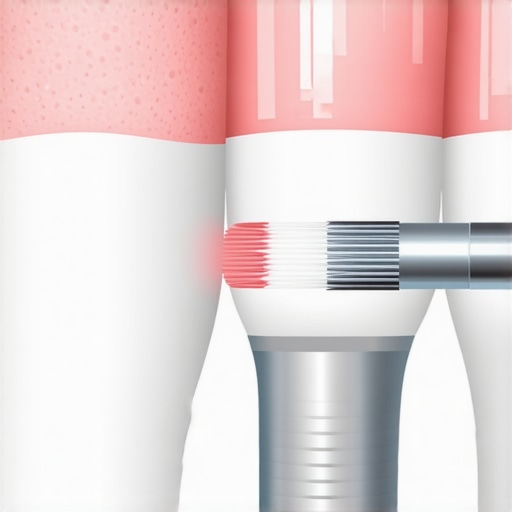 I’ve also started using a rubber tip stimulator. It sounds old-school, but it increases blood flow to the gingiva, keeping the gums ‘plump’ and preventing that dreaded recession that exposes the crown’s edge. This is one of the best family dentistry tips for a lifetime of healthy smiles that most modern offices forget to mention.
Don’t Let Your Night Guard Gather Dust
If you have veneers or crowns, the quickest way to end up back in the chair is by grinding them down. You might be tempted to skip it, but the risk of skipping your night guard for just one week is significant, especially if you have a stressful job or a history of clenching. I personally use a dual-laminate guard—hard on the outside to protect the porcelain, but soft on the inside for comfort. Looking ahead, I predict we are going to see a massive shift toward bio-active cements that actually ‘heal’ the tooth-crown interface over time. We are already seeing dental implants 2025 innovations that use smart technology to monitor for early signs of inflammation. For now, my best advice is to stop using your teeth as tools. Seriously, why you shouldn’t use your teeth as tools is the first lesson any cosmetic patient should learn. Go out this week and buy a pack of interproximal brushes that fit your specific gaps; it is the single most effective way to ensure your investment doesn’t end up with a dark shadow next year.
Lessons My Mirror Taught Me About Realistic Dental Work
After years of navigating the world of crowns and restorations, I have realized that the most expensive material is not always the best one for your specific face. I spent way too much time worrying about the mechanical strength of the material when I should have been focused on how it interacted with natural light. One major lightbulb moment was discovering how to make your veneers look natural by focusing on internal depth rather than just a flat, bright white shade. I also learned that the longevity of your work depends entirely on the health of the biological foundation. Following a few secrets to making your porcelain veneers last twenty years, like switching to a pH-neutral mouthwash, will save you thousands of dollars in replacement costs. Finally, never settle for a shade match in a room without windows; insist on seeing the porcelain in natural daylight before it is permanently bonded to your tooth.
My Go-To Kit for Protecting a Major Dental Investment
I do not trust my smile to just any drugstore toothbrush anymore. To keep my gums from receding and exposing the edges of my new ceramic work, I rely on a few specific items. First, a high-quality water flosser is non-negotiable for cleaning the microscopic gaps where a crown meets the gumline. It is truly the secret to keeping your smile white and your gums firm and healthy. Second, I recommend interproximal brushes for those hard-to-reach concave areas that traditional floss simply ignores. Lastly, I always keep a copy of the American Academy of Cosmetic Dentistry patient guides handy to stay informed on expert tips for perfect results during my annual checkups. These tools ensure that the transition from tooth to porcelain remains invisible to the naked eye.
Reclaim the Confidence You Lost in the Grocery Store Bathroom
Looking in the mirror and seeing a dark shadow on your front tooth can take a massive toll on your self-esteem, but it does not have to be your permanent reality. By moving away from outdated metal-based restorations and embracing modern, translucent ceramics, you can finally stop hiding your mouth when you laugh or talk. These cosmetic dentistry secrets are all about restoring not just your teeth, but your willingness to be seen and heard. You deserve a smile that looks as vibrant and healthy as you feel inside. Have you noticed a specific gray shadow or dark line starting to form around your older dental work? Let me know in the comments below!