I’ll never forget the first time I heard it. It was 2 AM, and I was tip-toeing past my daughter’s room when a sound stopped me dead in my tracks. It wasn’t a floorboard creaking or a bad dream. It was a rhythmic, bone-chilling crunch-crunch-crunch that sounded like someone was trying to pulverize a handful of gravel. I peeked in, expecting a midnight snack disaster, but she was fast asleep. Her jaw was locked tight, grinding away with a force that made my own teeth throb in sympathy. I stayed up for hours that night, spiraling. I thought bruxism was a toddler thing—a phase that would vanish the moment the first ‘big kid’ tooth poked through the gums. But here we were, celebrating her sixth birthday, and the grinding was louder than ever. I made a huge mistake early on by just waiting it out. I figured nature would take its course, but ignoring it only led to more anxiety for me and unnecessary wear for her. Today, I’m going to walk you through exactly why your six-year-old is still at it and how we can protect that smile before they end up needing a veneers transformation down the road.
The Nighttime Noise That Kept Me Awake
If you are here, you’re likely in the same boat. You’re worried about whether those brand-new permanent molars are being filed down to nubs before they’ve even fully erupted. It’s a valid fear. When we talk about family dentistry tips for a lifetime of healthy smiles, we often focus on brushing and sugar, but we rarely talk about the mechanical destruction of a nightly grind. We need to address this now because the age of six is a critical transition. Those permanent teeth are meant to last eighty years, not be worn down in eight. According to a study published by the Journal of the American Dental Association, childhood bruxism can often be an early indicator of enlarged tonsils or even pediatric sleep apnea. It’s not just about the teeth; it’s about how they breathe. Have you ever sat by your child’s bed and wondered if that grinding sound was actually normal?
Is this actually going to ruin their permanent teeth?
This is the big question every parent asks. Is this a cosmetic issue or a functional disaster? While most kids eventually outgrow the habit, the damage done in the meantime can be real. I’ve seen cases where children end up with teeth that look shorter after years of nighttime grinding, leading to sensitivity and jaw alignment issues later. If left unchecked, the wear and tear might even lead to a future needing cosmetic dentistry secrets to restore what was lost. You aren’t alone, and you aren’t overreacting. Today, we are going to dive into the real reasons this happens at age six—from stress to simple jaw growth—and I’ll share the exact steps I took to finally get some peace and quiet. One thing I learned the hard way: never underestimate the risk of skipping a night guard if a professional recommends one. I used to think they were just for adults with high-stress jobs, but they can be a literal lifesaver for a child’s developing bite.
Why Six is the Magic Number for Grinding
It isn’t just a random age; six is exactly when the first permanent molars begin their slow climb through the gums. This transition changes the entire alignment of the jaw. It is like trying to break in a new pair of shoes that are slightly too big; your child’s jaw is constantly shifting and sliding to find a comfortable resting place. During this phase, you might notice why your child’s permanent molars look jagged or serrated on top. This is normal anatomy, but the grinding is often the jaw’s way of ‘testing’ the new landscape. It is a mechanical response to a changing environment. 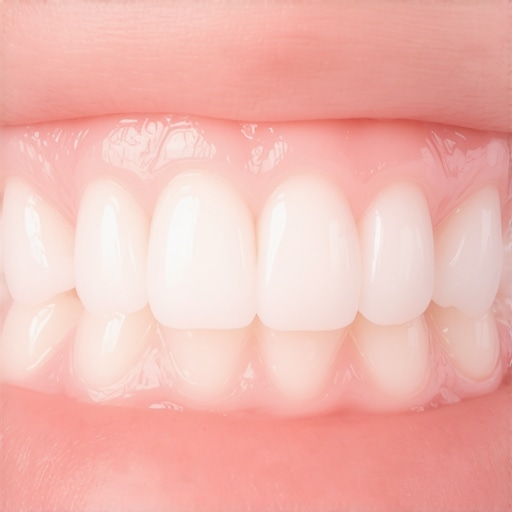
Check Their Airway Before You Check Their Teeth
Most parents assume bruxism is purely about stress or habit. Often, it is simple biology. I remember sitting by my daughter’s bed and noticing her mouth was slightly open. If a child cannot breathe efficiently through their nose—whether due to enlarged tonsils, adenoids, or allergies—the brain triggers a grinding motion to pull the jaw forward and open the airway. This is a core part of family dentistry tips for a lifetime of healthy smiles: check the nose before you blame the brain. If they are mouth breathing, no amount of ‘relaxing’ will stop the grind.
The Messy Reality of My Calm Down Protocol
I tried a strict sensory-deprivation hour before bed with my daughter. No screens, dim lights, and lukewarm baths. One night, I realized her toothpaste was actually part of the problem. She had a visceral reaction to the ‘spiciness’ of the mint, which kept her nervous system on high alert right before sleep. Switching to a flavorless gel was a game-changer for her jaw tension. If you are struggling with a resistant sleeper, look into why your child refuses to use mint toothpaste and what to use instead. A calm nervous system is the first step toward a quiet jaw.
Spotting the Difference Between Growth and Damage
Look closely at their smile in the morning light. Do the canine teeth look flat instead of pointy? Are the edges of the front teeth becoming translucent? If you notice their teeth look shorter after years of nighttime grinding, you are past the ‘wait and see’ phase. I also noticed my daughter’s permanent teeth looked significantly darker than her baby teeth, which added to my panic, but I learned the real reason your child’s permanent teeth look yellow is simply because the dentin is thicker in adult teeth.
The Early Orthodontic Window You Should Not Miss
Many parents wait until age twelve for a consultation. That is a mistake if your child is a heavy grinder. By age seven, a specialist can see how the jaw is widening. Seeking an evaluation early is vital because the best age to start looking at orthodontic options is right now. Early intervention can expand the palate, creating more room for teeth and, more importantly, a clearer airway.
The Protective Power of a Professional Night Guard
If the wear on the enamel is significant, a professional guard is essential. I tried to skip it for a week when we were on vacation, thinking she was ‘relaxed’ enough. It was a massive mistake; we returned to find fresh chips on her lower incisors. Never underestimate the risk of skipping your night guard for just one week. It is a simple physical barrier that saves you from a future of complex cosmetic dentistry secrets and expensive restorative work.
It is a common misconception that childhood grinding is purely a psychological ‘habit’ or a simple stress response. While stress definitely plays a role, the biggest mistake most parents make is ignoring the structural anatomy of the upper airway. Everyone says to just wait for the ‘phase’ to pass, but in my experience, waiting it out without an evaluation is an expensive gamble. If those six-year-old molars are worn down flat, you aren’t just looking at a cosmetic fix in the future; you are looking at a full bite reconstruction. Have you ever fallen into the trap of thinking a loud grind was just a ‘quirky’ sleep habit? Let me know in the comments—I certainly did until I saw the damage firsthand.
One nuance that even seasoned parents often miss is the sheer quality of the restoration required if damage occurs early. Many believe all dental materials are created equal, but why your veneers look too opaque and how to make them look natural usually comes down to the translucency of the porcelain chosen to mimic real enamel. If we do not address the underlying grinding, even the most expensive veneers transformation will fail prematurely under the mechanical pressure of a nightly grind.
Can a store-bought night guard actually ruin a child’s bite?
Here is the hidden trap: over-the-counter ‘boil and bite’ guards. For a six-year-old whose jaw is rapidly expanding, these can act like an orthodontic appliance you didn’t ask for, potentially shifting teeth into a worse position or creating an open bite. A study from the American Academy of Sleep Medicine suggests that bruxism is frequently a ‘protective’ reflex to keep the airway open during sleep-disordered breathing. If you shove a bulky, ill-fitting plastic tray in their mouth, you might actually restrict their breathing further. This is why family dentistry tips for a lifetime of healthy smiles always prioritize a custom-fit professional evaluation over a quick drug-store fix.
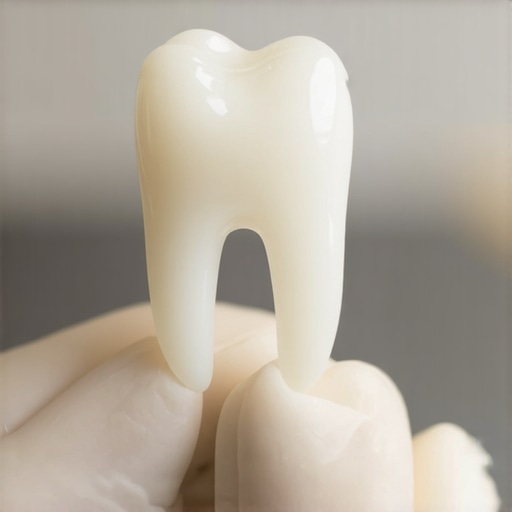
We also have to look at the long-term stakes of the ‘wait and see’ approach. If the grinding leads to tooth loss or severe fractures by the time they reach early adulthood, you are no longer looking at simple fillings. You are looking at how dental implants reshape your oral health in 2025. Modern dental implants 2025 innovations are incredible, but they lack the periodontal ligament—the natural ‘shock absorber’ of a real tooth. Protecting the original tooth is always the clinical priority. When you are weighing veneers vs crowns choosing the best option for your smile, remember that the best dental work is the kind that preserves as much natural tooth structure as possible. Ignoring the grind today means paying the real cost of skipping your six month checkup and professional intervention ten years from now.
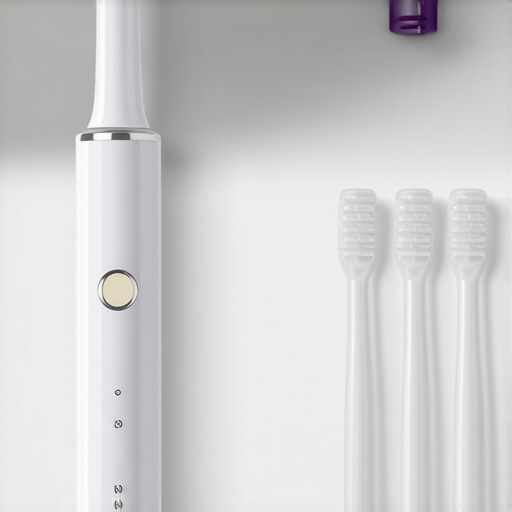
I realized early on that having the right tools is half the battle when you are trying to protect a child who is determined to grind their teeth into dust. It is not just about the act of brushing; it is about the physics of the tools we use. For years, I thought any soft toothbrush would do, but I was wrong. I switched my daughter to a Philips Sonicare with a built-in pressure sensor because, as it turns out, kids who grind often over-compensate by scrubbing too hard, which accelerates the wear on those already-stressed molars. Learning how to pick a toothbrush that won’t destroy your enamel was the first step in our long-term maintenance plan. I personally look for brushes that oscillate at a specific frequency to break up biofilm without requiring manual force, which is a key part of family dentistry tips for a lifetime of healthy smiles.
Gear That Actually Saves Your Enamel
Beyond the brush, we have to talk about interdental cleaning. If a child’s teeth are crowded due to a narrow jaw—common in grinders—traditional floss often shreds or gets stuck. I started using TePe interdental brushes because they come in micro-sizes that fit into the tightest gaps without traumatizing the gums. According to the American Academy of Periodontology, maintaining the health of the gingival tissue is just as important as protecting the crown when it comes to tooth longevity. If we do not keep those gaps clean, we risk the integrity of the bone supporting the teeth. This is especially true if you are looking at a future veneers transformation; you cannot build a beautiful house on a shaky foundation.
How can I keep this smile healthy for decades?
Maintenance is a marathon, not a sprint. To ensure your child doesn’t end up needing cosmetic dentistry secrets to fix preventable damage, you have to audit their habits every six months. For my daughter, this meant a nightly check of her custom guard for ‘witness marks’—those tiny scratches that show where she is hitting hardest. If you see deep grooves in a guard, it is time for a professional adjustment. This proactive approach is one of the 3 secrets to making your porcelain veneers last twenty years or, better yet, keeping your natural teeth for even longer. Consistency with these tools prevents the heavy wear that eventually leads to debating veneers vs crowns choosing the best option for your smile later in life.
What 2030 looks like for your teeth
I predict that within the next few years, we will see a shift toward AI-powered home scanners that plug into your smartphone. These devices will allow parents to take a high-resolution scan of their child’s bite and upload it to their dentist for a ‘wear analysis’ without leaving the house. This is already beginning to influence the future of dental implants and other restorative branches, where precision is everything. We are moving away from reactive fixes and toward predictive maintenance. Even dental implants 2025 innovations are focusing on bio-compatible materials that integrate faster with the jawbone, but the goal remains the same: keep the teeth you were born with. I highly recommend checking your child’s toothbrush today; if the bristles are flared after only a month, they are brushing too hard—switch to a pressure-sensor model immediately to save their enamel.
Lessons from the Bedside That Changed Everything
Reflecting on those long nights listening to the crunching sound of my daughter’s jaw, I realized that I was looking at the symptoms instead of the source. The biggest shift for me was understanding that bruxism isn’t just a ‘bad habit’—it’s often a biological signal. If you take away anything from my experience, let it be these three realizations: first, the jaw and the airway are inextricably linked; second, early intervention is significantly less invasive than adult restorative work; and third, your intuition as a parent is your most valuable diagnostic tool. We often worry about the real cost of skipping your six month checkup, but the real cost is actually the loss of natural tooth structure that can never truly be replaced.
The Essentials in My Dental Survival Kit
I don’t believe in cluttering the bathroom cabinet, but a few specific tools made all the difference in our journey. I personally swear by electric toothbrushes with built-in pressure sensors because they teach kids that ‘clean’ doesn’t mean ‘scrubbed raw.’ I also highly recommend looking into interdental picks designed for smaller mouths; they are essential for keeping the gums healthy when teeth are crowded from a narrow palate. Most importantly, I trust the data from a professional evaluation over any ‘wait and see’ advice from well-meaning friends. Knowing family dentistry tips for a lifetime of healthy smiles is about being proactive before the wear becomes a functional problem. #IMAGE_PLACE_HOLDER_E#
Protecting Their Smile for the Long Haul
Your child’s smile is a work in progress, and while the grinding might feel like a setback, it is actually an opportunity to optimize their oral health for decades. By addressing the mechanics of their bite and the quality of their sleep now, you are saving them from the stress of complex cosmetic dentistry secrets and restorative procedures in their thirties and forties. Even if they eventually choose a veneers transformation for aesthetics later in life, having a stable, healthy foundation makes those results last much longer. Focus on the basics today, and the future will take care of itself. Have you noticed your child breathing through their mouth at night while they grind? Let me know in the comments below—I’d love to hear your story and help you find the next step.