I remember sitting on my back porch last July, diving into a massive bowl of peach cobbler with an extra drizzle of caramel. It was supposed to be the highlight of my weekend. Instead, the second that first sugary spoonful hit my back molar, it felt like a bolt of lightning shot straight into my jaw. I didn’t just wince; I actually dropped my spoon. It wasn’t the cold of the ice cream, either. It was that unmistakable, sharp ‘sugar sting’ that lingers long after the treat is gone. If you have ever had to abandon a piece of chocolate or a sip of soda because of that sudden, piercing ache, you are not alone. I spent years thinking my teeth were just ‘drama queens’ before I realized there was a very real, very fixable reason for the pain.
The Reason Your Favorite Dessert Feels Like a Trap
When sugar hits your teeth, it does not just sit there. It triggers a process called osmosis. Basically, the sugar pulls fluid out of the tiny tubes in your teeth, which alerts the nerves that something is very wrong. I used to think I could just brush the pain away, but I made a massive mistake early on by scrubbing my teeth as hard as I could with a firm-bristled brush. I thought I was cleaning out the sugar, but I was actually grinding down my protective layer. If you have noticed your teeth look transparent at the bottom edges, you might be doing the same thing. Today, we are going to break down why this happens and how you can get back to enjoying your treats without the fear of a dental jump-scare.
Is this just a hidden cavity or something way more expensive?
It is the question that keeps us up at night: do I need a simple filling, or am I looking at a full-blown root canal? Many of us assume that any pain means a hole in the tooth, but sometimes it is just a sign that your enamel is thinning or your gums are pulling back. If you have noticed that your teeth feel fuzzy even after you brush, you might have a biofilm buildup that is making your enamel more vulnerable to those sweet triggers. According to the American Dental Association, dentin hypersensitivity can be caused by something as simple as using a whitening toothpaste that is too abrasive for your specific smile. It is not always a disaster, but it is always a signal.
Stop Grinding Away Your Protection
One of the hardest lessons I learned was that more effort does not mean better results. I was so desperate to stop the sensitivity that I was over-cleaning, which is a common pitfall in family dentistry. You have to pick a toothbrush that won’t destroy your enamel if you want to keep that protective barrier intact. When that barrier thins, the microscopic tubules in your dentin are exposed, leaving the door wide open for sugar to cause chaos. Have you ever had to stop eating mid-bite because a piece of candy felt like an electric shock? It is an exhausting way to live, but understanding the ‘why’ behind the wince is the first step toward a pain-free dessert. Next, we will look at the specific habits that are secretly stripping your teeth of their natural armor.
Think of your tooth like a house in the middle of a blizzard. Your enamel is the sturdy siding that keeps the elements out, while the dentin underneath is the insulation. When that siding develops cracks or thins out, the ‘wind’—in this case, sugar and cold—gets straight to the pipes. To stop the pain, we have to repair the siding or thicken the insulation. It is not just about avoiding candy; it is about building a fortress that can handle it.
Ditch the Scrub and Start Shielding
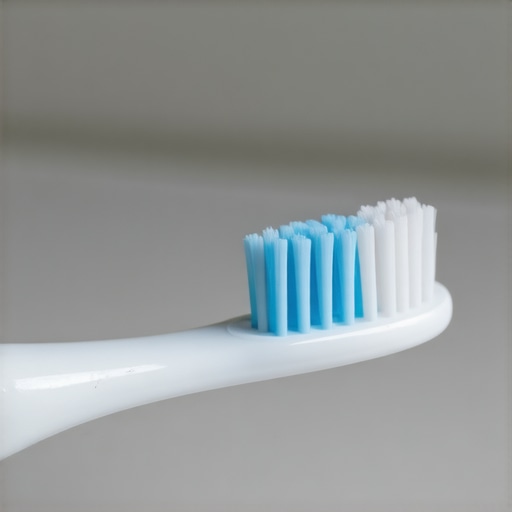
The first thing I did after my peach cobbler disaster was throw away my ‘medium’ strength toothbrush. I replaced it with the softest bristles I could find. If you are using a stiff brush, you are essentially using sandpaper on your smile. When you combine that with a desensitizing toothpaste, you are applying a chemical shield. These pastes contain compounds like potassium nitrate that travel into those microscopic tubules I mentioned earlier and ‘turn off’ the pain signal at the nerve. It took about two weeks of consistent use before I noticed I could drink a glass of orange juice without bracing for impact. If you feel like your teeth are becoming seasonal victims, you might also find that teeth feel sensitive only in the winter, which is a major red flag that your enamel barrier is compromised.
Wait Thirty Minutes Before You Clean
This was the hardest habit for me to break. I used to run to the sink the second I finished a soda. Big mistake. Acids and sugars soften your enamel temporarily. If you brush immediately, you are brushing away that softened layer. Instead, rinse your mouth with plain water to neutralize the pH and wait at least half an hour. This gives your saliva—your mouth’s natural repair kit—time to remineralize the surface. I remember a specific Tuesday when I had a particularly sugary latte; instead of scrubbing, I just drank a bottle of water and waited. By the time I brushed later that evening, that ‘fuzzy’ feeling was gone, and my teeth felt significantly smoother without the usual post-brush ache.
Get Serious About Your Nighttime Grinding
You can have the best brushing routine in the world, but if you are clenching your jaw at night, you are crushing your enamel under hundreds of pounds of pressure. This often leads to chips or wear that make sugar sensitivity unbearable. I didn’t realize I was a ‘grinder’ until my dentist pointed out the flat planes on my molars. If you are struggling with this, you need to understand the risk of skipping your night guard for just one week. It is like a helmet for your teeth; without it, the structural damage eventually makes even the smallest bite of chocolate feel like a lightning strike.
Which Professional Fix Actually Saves Your Enamel?
Sometimes, the damage is too far gone for toothpaste to fix. If your enamel has thinned to the point where the yellowish dentin is showing through, you might need a physical barrier. This is where cosmetic dentistry becomes a functional necessity rather than just an aesthetic choice. When looking at long-term solutions, you’ll likely have to decide between veneers vs crowns. Veneers act as a new front surface for your teeth, effectively replacing the enamel you’ve lost and sealing off those sensitive tubules permanently. It’s a game-changer for people who want to stop living in fear of the dessert menu.
Most people think that getting veneers or crowns is purely about vanity, but that is a dangerous misconception. In my experience, waiting until a tooth is ‘ugly’ to fix it usually means you have already lost the structural war. When we talk about cosmetic dentistry secrets to boost your confidence, we are actually talking about bio-mimicry—replacing what nature lost. A huge mistake I see is patients opting for composite bonding over porcelain because of the initial price tag. While bonding looks great for a few months, you need to know why composite bonding stains faster than porcelain veneers. You end up in a cycle of constant repairs that actually thins your remaining enamel even further.
Why does my new porcelain feel so sensitive to temperature?
It sounds counterintuitive, but sometimes new work feels ‘off’ immediately after placement. A study published in the Journal of Prosthetic Dentistry highlights that the bonding process itself can cause temporary pulpitis—a slight inflammation of the nerve. This is not a failure; it is a biological adjustment. However, you must know how to tell if your veneers were bonded correctly to the enamel. If the seal is not hermetic, that sugar sting will return with a vengeance, regardless of how much you paid for the upgrade. It is the microscopic gaps that allow bacteria and sugar to bypass your new shield.
Don’t Fall for the ‘Good Enough’ Repair
The real trap in family dentistry is thinking that once a restoration is in, the work is done. Even the best tech requires maintenance. You should check out these 3 secrets to making your porcelain veneers last twenty years to avoid a premature replacement. Have you ever fallen into this trap of choosing the quick fix over the long-term cure? Let me know in the comments.
Why Implants Beat Traditional Bridges Every Time
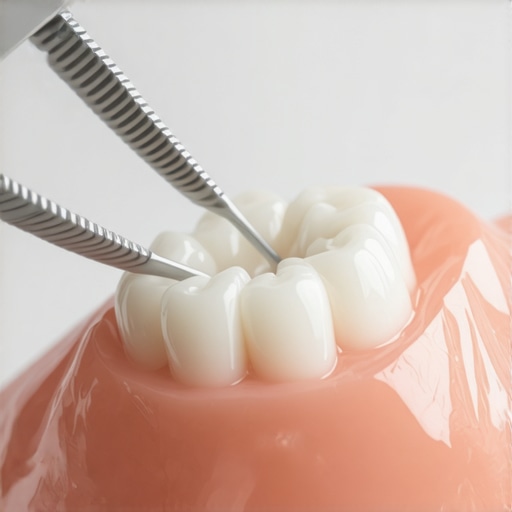
Another nuance people miss is the ‘domino effect’ of missing teeth. Many assume a bridge is a fine substitute for a missing molar, but bridges do not stimulate the jawbone. This is where dental implants 2025 innovations change the game. An implant is the only solution that tricks your body into keeping your jawbone strong. Without that root-like stimulation, your face literally begins to change shape over time as the bone resorbs. If you have ever felt like your smile is ‘collapsing,’ it might be because you chose a surface-level fix over a foundation-level one. If you are ready to stop guessing and start protecting your structural health, feel free to contact us for a consultation that looks at your whole oral ecosystem.
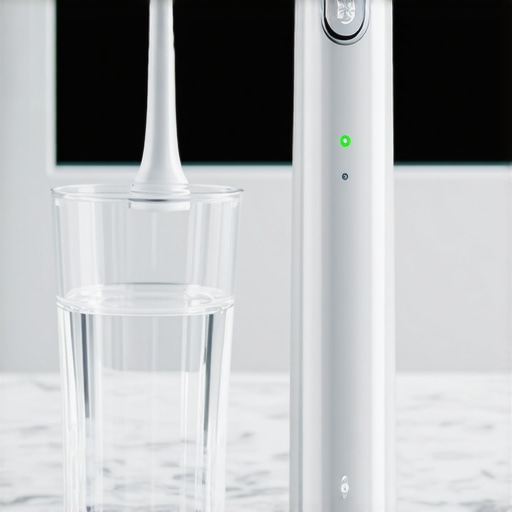
I used to think that once the dentist handed me the mirror and I saw my new smile, the hard part was over. I could not have been more wrong. The aftercare stage is not just a list of suggestions; it is a full-blown lifestyle if you want those thousands of dollars to stay put for the long haul. For me, the absolute game-changer was moving away from standard string floss to a high-pressure water flosser equipped with a specific orthodontic tip. Standard floss often gets caught on the margins of restorations, and if you are not careful, you can actually snag a veneer edge or fray the thread between tight contacts. I personally use the Plaque Seeker tip because it is designed to navigate the tiny, often invisible gaps where your implant meets the gum line. This is crucial because bacteria love those microscopic transitions where your natural tissue meets the titanium or porcelain.
How do I maintain these high-end dental upgrades over time?
Consistency is obviously the foundation, but the specific way you clean matters far more than just how often you brush. I recommend following the 3 secrets to making your porcelain veneers last twenty years, which includes switching to a non-abrasive gel rather than a gritty, whitening toothpaste. Gritty pastes act like liquid sandpaper on the glaze of your new teeth. If you have a bridge, you must learn how to clean the underside of a dental bridge without shredding your floss to prevent that hidden decay that often develops under the pontic. It is all about using specialized threaders or high-velocity water jets that can flush out food debris without causing mechanical trauma to the surrounding gums.
Beyond the daily scrub, keep a close eye on the technology. We are currently seeing incredible shifts in dental implants 2025 innovations that are making the maintenance phase much easier for the average patient. For instance, new abutment materials are being developed that naturally repel biofilm, making it harder for plaque to stick in the first place. Looking ahead, I predict that within the next five years, we will see smart crowns equipped with micro-sensors that alert your smartphone if they detect early signs of a loose bond or localized inflammation. This proactive, data-driven approach is exactly how dental implants reshape your oral health in 2025 and beyond, moving us away from reactive dentistry toward true prevention.
According to a specific clinical review in the International Journal of Oral & Maxillofacial Implants (JOMI), patients who utilize a combination of mechanical vibration and water irrigation see a significant reduction in marginal bone loss around implants compared to those using manual methods. This is not just about having clean teeth; it is about absolute bone preservation. I remember the first time my electric brush flashed a red warning light because I was pressing too hard—it was a major wake-up call. I thought I was being thorough, but I was actually being destructive to the very work I just paid for. If you are feeling overwhelmed by the technical side of your new smile, do not just guess and hope for the best. Feel free to contact us to get a personalized maintenance blueprint that fits your specific restorations. My big tip for you this week: swap your morning scrub for a gentle, two-minute timed session with an electric brush that has a built-in pressure sensor. Your enamel and your investment will thank you ten years from now.
Lessons My Smile Taught Me the Hard Way
Looking back at my journey from that painful bowl of peach cobbler to a pain-free smile, I’ve realized that sensitivity isn’t just an annoyance; it’s a language your body uses to tell you the protective barrier is failing. First, I learned that a small ‘twinge’ is actually a distress signal—if you ignore it, the eventual repair bill only goes up. Second, I finally understood that you cannot out-brush a bad habit. If you are already seeing structural changes, such as when your teeth look translucent at the edges, it is time to move from defense to offense. Lastly, I realized that modern family dentistry isn’t about drills and fillings anymore; it’s about preserving the foundation you have left before it’s too late. It took me years to realize that a healthy smile isn’t just white; it’s resilient.
My Personal Toolkit for a Pain-Free Life
I don’t leave my oral health to chance anymore, and neither should you. I personally rely on a pressure-sensing electric toothbrush because it physically stops me from being my own worst enemy when I’m tired. I also swear by a high-velocity water flosser; it’s the only way to ensure I’m really getting under the margins of my dental work where traditional floss fails. Finally, I always keep a pH-neutralizing mouthwash in my bag for those times I can’t brush immediately after a meal. If you’re unsure which path to take for your own restoration, comparing veneers vs crowns is a great place to start your research. These tools aren’t just gadgets; they are the insurance policy for the time and money you have invested in your smile.
Take Back Your Right to Enjoy Dessert
You shouldn’t have to live in a world where a piece of chocolate or a cold drink feels like a gamble. Whether you need a simple change in your brushing routine or you are curious about how dental implants reshape your oral health in 2025, the technology and expertise exist to give you back your confidence. Take that first step today and stop letting dental sensitivity dictate what you can and cannot enjoy. If you’re ready for a personalized plan that looks at your whole oral ecosystem, don’t hesitate to contact us and let’s get your health back on track. Have you ever had to give up a favorite food because of a sudden, sharp tooth sting? Let me know in the comments below!