I was standing in front of my bathroom mirror, clutching a wedding invitation and staring at that one little space between my front teeth. It was barely three millimeters wide, yet it felt like the only thing people saw when I spoke. I’d spent years perfecting my “closed-lip” smile, which, let’s be honest, usually just made me look like I was suppressing a sneeze or hiding something suspicious. I didn’t want braces in my thirties; the thought of metal brackets and rubber bands felt like a step backward into high school. I just wanted a quick, effective way to reclaim my confidence without the multi-year commitment. This gap wasn’t just a physical trait; it was a distraction that pulled at my self-esteem every time I laughed. I knew there had to be a way to bridge the divide without the clunky hardware of traditional orthodontics.
My Quest to Close the Gap Without the Metal Mouth
Early on in my journey, I made a massive mistake: I tried those “gap bands” you find on sketchy corners of the internet. It was a disaster that nearly cost me my front teeth and taught me a hard lesson about the importance of professional cosmetic dentistry secrets to boost your confidence. I thought I could outsmart the system with a DIY rubber band, but all I did was cause inflammation and a dull ache that lasted for weeks. We often think a tiny gap requires a massive intervention, but that isn’t the case anymore. Today, I’m going to show you exactly how I bypassed the orthodontist’s chair and used modern techniques to seal that space for good. Whether you are looking for a permanent fix or just something to get you through your next big event, there is a path that doesn’t involve tightening wires every six weeks. Modern dentistry has advanced so far that even a massive gap between front teeth can often be addressed with minimally invasive procedures. I remember the relief I felt when I realized I wouldn’t have to spend two years hiding my teeth behind metal. Have you ever caught yourself practicing a “safe” smile in the mirror just to hide a small imperfection? It is an exhausting way to live, and I am here to tell you that you don’t have to.
Does this actually work or is it just a temporary fix?
Skepticism is healthy here because your smile is your calling card. You might worry that these non-braces options will look fake or pop off the moment you bite into a crisp apple. I had the same fear, especially after hearing stories about why your veneers feel thick and bulky or look like “chiclets.” It’s terrifying to think you might trade one insecurity for an even more obvious one. However, the science has changed drastically. According to a study published in the Journal of Dentistry, modern composite resins now achieve a bond strength and aesthetic translucency that rival natural enamel almost perfectly. You aren’t just “covering” the gap; you’re essentially rebuilding the tooth’s architecture using materials that move and catch light just like the real thing. Choosing between veneers vs crowns or even simple bonding is the key to a result that looks like you were just born with perfect genes. The key is understanding that “no braces” doesn’t mean “no professional help.” It means choosing a more artistic, immediate approach to family dentistry that values your time and your appearance. Let’s dive into the specific options that actually stay put, look real, and won’t leave you with a lisp.
Why Composite Bonding is Your Quickest Fix
Think of dental bonding like a high-end architectural repair for your smile. Instead of shifting the entire foundation with years of orthodontic pressure, your dentist adds material to the existing structure. During my first real appointment, I watched in a hand mirror as the dentist applied a putty-like composite resin. It felt like a high-stakes art project. He carefully layered the material to widen each of my two front teeth by just 1.5 millimeters. This is the ultimate ‘one-and-done’ solution because it requires no anesthesia and virtually no removal of your natural enamel. However, you have to be realistic about the upkeep. I learned the hard way that my morning double-shot espresso was a problem, as I quickly discovered why composite bonding stains faster than porcelain veneers. Bonding is porous, meaning it picks up pigments from coffee and red wine much easier than your natural teeth do. If you choose this route, you are committing to a bit more maintenance and a replacement every five to seven years.
Pick the Right Material for Your Lifestyle
If you want something that feels more permanent and resists the wear and tear of a caffeine-heavy lifestyle, you have to look at porcelain. This is where the debate of veneers vs crowns becomes vital. For a gap, a veneer is almost always the better choice because it’s a thin shell that sits on the front, whereas a crown requires grinding the tooth down to a nub. I remember the moment I saw the porcelain chips; they had a translucency that the bonding just couldn’t replicate. While bonding is like using a high-quality paint, veneers are like installing a custom marble countertop. They are incredibly durable, but they aren’t invincible. I once met someone who tried to open a plastic package with their teeth and ended up searching for how to fix a chipped veneer without replacing the whole unit. It’s a costly mistake that reminds you these are medical-grade enhancements, not steel tools.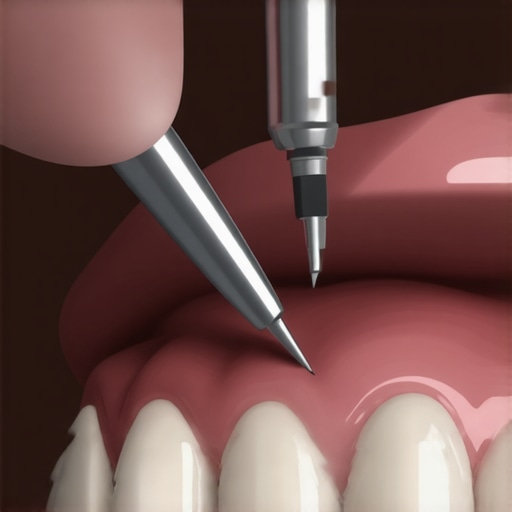
Keep Your New Smile from Looking Like Fake Plastic
The biggest fear most of us have is ending up with ‘The Wall of White.’ This happens when a dentist closes a gap by making the teeth too wide or too opaque, leading to the mistake that makes your new crowns look like chiclets. To avoid this, you need to focus on ‘incisal translucency.’ This is the fancy term for the way light passes through the bottom edges of your teeth. Natural teeth aren’t one solid color; they are slightly see-through at the tips. When I was in the chair, I insisted on a multi-tonal shade. We looked at the porcelain under different lighting—daylight, office fluorescent, and even the dim light of the exam room. If the technician gets this right, nobody will ever know you had a gap to begin with. You also need to follow 3 secrets to making your porcelain veneers last twenty years, which starts with wearing a night guard. I didn’t think I was a ‘grinder’ until I saw the micro-fractures in my natural molars. Protecting that investment is just as important as the procedure itself. The goal is a smile that looks like an improved version of you, not a generic dental advertisement.While I was initially obsessed with the gap itself, I quickly learned that the width of the teeth isn’t the only factor in a natural-looking smile. Most people think closing a gap is a simple additive procedure where more material equals a better result. However, the contrarian truth is that a gap is often a symptom of your overall bite or jaw alignment, not just a cosmetic fluke. Everyone says porcelain veneers are the gold standard, but in my experience, a conservative approach like bonding often preserves the tooth’s long-term health better than aggressive prep. If you just slap on a wider tooth without looking at the gingival architecture, you end up with black triangles at the gumline. You can learn more about 3 ways to fix the black triangles between your teeth if this happens. The biggest oops factor here is usually a lack of attention to the pink tissue.
Stop assuming the widest tooth always looks the best
If you make the central incisors too wide to fill a gap, you destroy the Golden Proportion—the mathematical ratio that makes a smile look balanced and appealing. This mistake leads to results that look like dentures, which is why why your veneers look too opaque and how to make them look natural is such a common concern. According to a study in the International Journal of Prosthodontics, failing to respect the proportions of the adjacent teeth creates a visual clash that the human eye perceives as artificial. True expertise lies in subtly adjusting the surrounding teeth so the new work blends seamlessly.
Can your gums actually handle a sudden change in tooth shape?
This is where the expertise of your clinician really shows. If a restoration is too thick at the margin, it creates a ledge that traps plaque and bacteria. I have seen cases where patients were thrilled with their gap-free smile for a month, only to end up with chronic bleeding. It is vital to know how to tell if your veneers were bonded correctly to the enamel to avoid these inflammatory disasters. 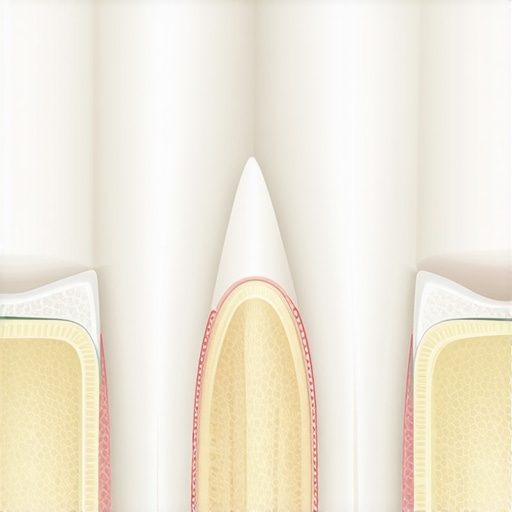 According to research in the Journal of Clinical Periodontology, encroaching on the biological width—the specific distance between the tooth restoration and the bone—is a recipe for permanent gum recession.
The hidden bite trap that shatters expensive restorations
Another nuance people miss is occlusion, which is the way your teeth meet when you chew. If your teeth aren’t hitting perfectly, your jaw will exert massive pressure on that new bonding or porcelain every time you speak or eat. You might eventually need to research how to fix a chipped veneer without replacing the whole unit, but the real solution is a comprehensive exam of your cosmetic dentistry secrets to boost your confidence that includes a functional bite analysis. Don’t let your quest for a quick fix lead to mechanical failure. Have you ever fallen into this trap of prioritizing a quick fix over the functional mechanics of your mouth? Let me know in the comments.Once the gap is closed, the real work begins—and no, I am not talking about a grueling routine, just a smarter one. I transitioned from a ‘brush and pray’ method to a tactical approach using a high-quality water flosser. If you have a permanent retainer behind those front teeth, you know the struggle of threading floss. Learning how to clean a permanent retainer without breaking the wire changed everything for me. I also swapped my medium-bristle brush for an ultra-soft electric one because abrasive bristles can actually micro-scratch the surface of your bonding. You have to how to pick a toothbrush that wont destroy your enamel to ensure your polish stays glass-like for years.
How do I keep my new smile from failing prematurely?
Consistency is the only way to avoid the heartbreak of a chipped restoration. I never go a night without my custom-fitted night guard. Even if you think you do not grind, the sheer force of nocturnal clenching can reach up to 250 pounds per square inch. Understanding the risk of skipping your night guard for just one week is essential if you want to protect your investment from stress fractures. According to clinical data from the Glidewell Dental Laboratories, porcelain restorations are most vulnerable to ‘fatigue failure,’ which happens not from one big impact, but from the repetitive, low-level stress of a misaligned bite. This is why I also avoid certain textures; you really should learn the 6 habits that cause your porcelain veneers to pop off unexpectedly, like biting directly into raw carrots or ice. 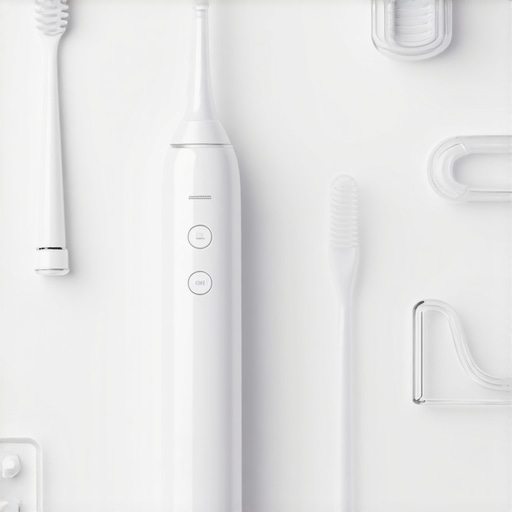 For those who chose bonding, remember that it is not as ‘set it and forget it’ as porcelain. If you notice a dullness, do not try a DIY fix. While you might want to know how to polish a scratched veneer at home without ruining the porcelain, it is always safer to have a professional repolish the resin with a specific sequence of aluminum oxide disks. Looking toward the future, I predict we will soon see AI-driven dental sensors integrated into retainers that track your bite pressure in real-time and alert you to potential chips before they happen. This type of proactive family dentistry is where the industry is heading. My best advice? Buy a high-quality water flosser today and use it twice daily; it is the single best tool for keeping the margins of your new teeth healthy and stain-free.
Hard-Won Truths for Your New Gap-Free Smile
Reflecting on my journey, there are a few things I wish I’d known before the first drop of bonding touched my enamel. First, your speech might feel different for about forty-eight hours. When you close a gap, your tongue has to relearn where to land for certain sounds, which is why your veneers feel thick and bulky at first—don’t panic, it is completely temporary. Second, do not over-whiten your natural teeth immediately before your procedure; you want the dentist to match a shade you can actually maintain long-term without aggressive chemicals. Finally, remember that you shouldnt use your teeth as tools under any circumstances. I used to open packaging with my incisors, but that habit is now a one-way ticket to an expensive repair.
Tools That Saved My Porcelain Investment
Maintaining a gap-free smile requires more than just standard brushing. I have found these specific resources to be absolute game-changers for longevity:
- A High-Quality Water Flosser: This is the most effective way to reach tight spaces without aggravating the gum tissue. It is also the trick to flossing around permanent orthodontic retainers if your dentist suggested one to keep the gap from reappearing.
- Expert Consultations: Before you commit to any permanent change, check out these expert tips for perfect results to ensure you are asking your clinician the right questions.
- Alcohol-Free Fluoride Rinse: This helps strengthen the enamel around your bonding or veneers without drying out your mouth or weakening the dental adhesives.
Your Future Smile is Closer Than You Think
You do not have to spend another year practicing a muted laugh or hiding behind your hand in photos. Whether you choose bonding, veneers, or a hybrid approach, the goal is a smile that reflects your true personality. By applying these cosmetic dentistry secrets to boost your confidence, you are taking a massive step toward a version of yourself that smiles freely and authentically. The technology has evolved to make these results more natural than ever before. Have you ever avoided a social event because you were self-conscious about a gap in your teeth? Let me know in the comments below!