It was a Tuesday night, and I was finally sitting down with a slice of thick, crusty sourdough bread. One bite, and then it happened—a tiny, sickening thunk. I felt a slight shift right where my permanent tooth was supposed to be. My heart dropped. I had spent months of time and a significant amount of money on this smile, and suddenly, it felt like a loose Lego piece in my jaw. I panicked. I assumed the worst. I thought my body was rejecting the metal, or worse, that I’d have to start the whole process over. If you are sitting there right now, obsessively poking at your tooth with your tongue and wondering why your dental implant crown feels like it is wiggling, I want you to take a deep breath. I have been exactly where you are, and I am here to tell you that a little movement does not always mean a total disaster. Today, we are going to get to the bottom of that wiggle and figure out if you need an emergency appointment or just a simple adjustment.
Why Your Tooth Feels Like It’s Dancing
I’ll be honest with you: when my crown first felt loose, I made a classic mistake. I ignored it for two weeks because I was too embarrassed to admit something might be wrong with my expensive new tooth. I figured it was just “settling.” That was a mistake. By the time I finally went into the office, the tiny screw holding the crown to the post had backed out just enough that it was starting to irritate my gums. Often, when you feel a wiggle, it is helpful to realize that you are likely dealing with a dental implant that feels loose but looks fine on the surface. Usually, the titanium post—the part fused to your bone—is rock solid. The part that moves is the crown or the abutment. Modern dental implants in 2025 are designed to be incredibly durable, but they are still mechanical systems that can occasionally have a screw come loose under the pressure of daily chewing. Have you felt that terrifying little click in your jaw while eating lately? Tell me in the comments, because it’s a lot more common than your dentist might have mentioned.
Is My Expensive Implant Actually Falling Out?
This is the big fear, right? You worry that the whole foundation is crumbling. But here is a bit of comfort: According to the American Academy of Implant Dentistry, the success rate for dental implants is nearly 98%. Most of the “wiggles” people experience aren’t because the bone is failing; it’s usually just a mechanical issue with the hardware on top. It is vital to learn how to tell if your dental crown is loose or just sensitive, because the treatment for each is very different. If it’s just the crown, your dentist can often just tighten a screw or re-cement the top in minutes. However, you shouldn’t wait, because ignoring a loose component can lead to the red flags that your dental implant is being rejected if bacteria gets into the gaps. We want to catch the loose screw before it turns into a bone problem.
Take Control of the Situation Before It Worsens
If you have noticed that unsettling shift in your jaw, the very first thing you need to do is stop the ‘detective work.’ It is incredibly tempting to use your tongue to constantly push on the tooth or, worse, to try and wiggle it with your finger to see how loose it really is. I remember a specific Tuesday after my sourdough incident; I spent the entire evening subconsciously flicking my tongue against the crown while watching a movie. I thought I was just monitoring it, but by the next morning, my gums were throbbing from the constant lateral pressure. Lateral force is the enemy of a screw-retained system. By trying to ‘test’ the looseness, you are actually risking damage to the internal threading of the abutment or the implant body itself. Step one is a total hands-off—and tongues-off—policy.
Check for Signs of Inflammation or Infection
Before you even pick up the phone to call your dentist, take a moment to look in the mirror with a flashlight. You need to differentiate between a mechanical issue and a biological failure. A simple loose screw is a mechanical fix, but if you see bright red, puffy tissue or if there is a strange discharge around the base, you might be looking at the red flags that your dental implant is being rejected. If the tissue looks pink and healthy, it is likely just the hardware. In my case, I noticed a tiny bit of greyish shadow at the gumline, which can happen when the crown shifts. Understanding why your dental implant is showing a tiny dark line can help you stay calm; often, it is just the metal abutment becoming visible because the crown is no longer seated perfectly.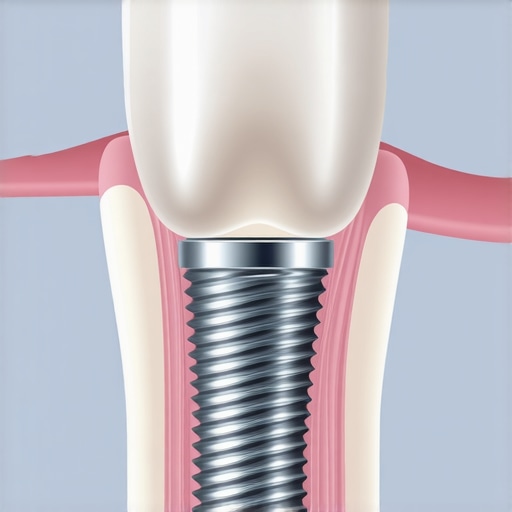
What to Expect During the Professional Tightening
Once you get into the chair, the process is usually surprisingly fast. If your crown is screw-retained, the dentist will remove the tiny bit of composite filling covering the access hole. They will then use a specialized dental torque wrench to tighten the screw to a specific tension. I was fascinated to learn that in the future of dental implants cutting edge techniques in cosmetic dentistry, these tools are calibrated to the exact Newton-centimeter to ensure the screw doesn’t back out again but also doesn’t snap. If your crown is cement-retained, they will likely clean off the old cement and use a stronger bonding agent. This is a great time to ask about cosmetic dentistry secrets to boost your confidence, as they can often polish the crown to look brand new while they have it out.
Maintain Your Investment for the Long Haul
After the fix, you have to be more diligent than ever. The reason my screw loosened was actually due to a slight night-grinding habit I didn’t know I had. Now, I follow family dentistry tips for a lifetime of healthy smiles by wearing a nightguard to protect the hardware. You also need to master how to safely clean a dental implant without scratching the post. Using the wrong type of metal scaler or abrasive paste can create microscopic scratches that host bacteria, eventually leading to bone loss. Think of your implant as a high-performance engine; it works perfectly, but only if you follow the specific maintenance schedule and use the right ‘fluids’—or in this case, the right flossing tools.
Let’s Talk About the ‘Set It and Forget It’ Lie
I often hear people say that once an implant is in, you never have to worry about it again. That is probably the biggest myth in family dentistry today. While the titanium post is designed to be permanent, the mechanics on top are subject to the same wear and tear as a high-end sports car. You wouldn’t drive a Porsche for five years without an oil change, right? The nuance most people miss is that your mouth is a dynamic environment. Your natural teeth move slightly over time, but your implant is fixed. This discrepancy can lead to the reason your dental implant crown feels tighter than the others or, conversely, why it starts to shimmy. Have you ever fallen into the trap of thinking your implant was invincible? Let me know in the comments.
Why Your Bite Is Actually the Secret Culprit
The ‘oops’ factor I see most often isn’t a lack of brushing; it’s ignoring how your teeth meet. If your bite is even a fraction of a millimeter off, every time you chew, you are hammering that implant with lateral force. A study published in the Journal of Oral Implantology highlights that ‘occlusal overload’ is one of the leading causes of mechanical screw loosening. If you’ve recently had other work done, like veneers with expert tips for perfect results, and now your implant feels weird, the new dental work might have shifted your bite balance. We have to look at the whole mouth, not just the one tooth that’s acting up.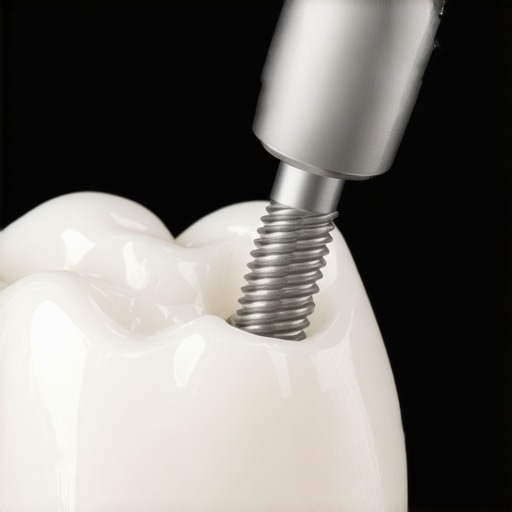
Can Your Natural Teeth Actually Sabotage Your New Implant?
This is the advanced level of the ‘wiggle’ mystery. Sometimes the implant isn’t loose at all; rather, the teeth around it have shifted, creating a gap that feels like movement. This is particularly common if you aren’t wearing a retainer or if you are dealing with how to tell if your wisdom teeth are causing your front teeth to shift. When natural teeth migrate, the contact points change, and suddenly food gets stuck or the implant crown feels ‘off.’ It’s a subtle distinction, but a vital one for your dentist to make. Another common trap is choosing the wrong restoration type; for example, knowing veneers vs crowns choosing the best option for your smile is essential because an improperly weighted crown can stress the implant foundation.
Stop the Damage Before It Becomes Permanent
If you feel a wiggle, don’t wait for the ‘check engine’ light to turn into a full-blown breakdown. Understanding how dental implants reshape your oral health in 2025 means recognizing that they require specialized care. You aren’t just protecting a tooth; you are protecting the bone that holds your entire facial structure together. If you’re worried about the aesthetics, remember that a loose screw is a quick fix, but a rejected implant is a long road. Avoid the mistake that makes porcelain veneers look like piano keys by ensuring your implant crown is custom-fitted to your unique bite. Your smile is an investment—treat it like one.
Get the Right Tools for Your Titanium Root
I’ve learned the hard way that you cannot treat a dental implant like a regular tooth. When I first got mine, I thought my standard manual toothbrush was enough. It wasn’t. To truly protect that connection, I switched to a sonic toothbrush with a sensitive head and a high-quality water flosser. Why? Because string floss can occasionally snag or shred on the edges of an abutment, leaving behind tiny fibers that irritate the gums. I also recommend a specialized interdental brush, but—and this is the crucial part—it must have a plastic-coated wire. According to the late Dr. Carl Misch, a world-renowned authority in implantology and author of Contemporary Implant Dentistry, using metal-on-metal tools at home can create microscopic scratches on the titanium post, which then become breeding grounds for the bacteria that cause peri-implantitis. If you want to avoid the red flags that your dental implant is being rejected, you have to be obsessive about the materials you put in your mouth.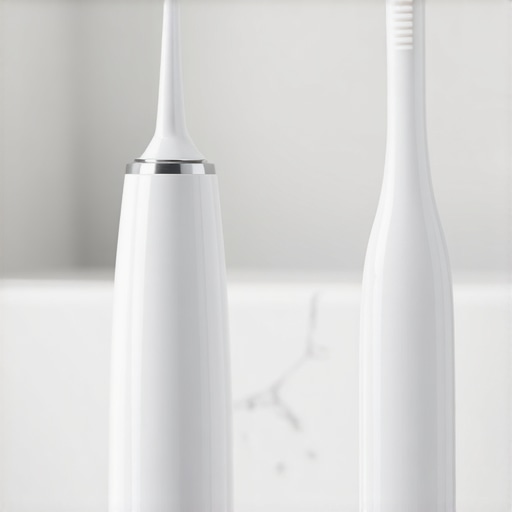
How can I make sure my implant survives the next decade?
Maintenance isn’t just about what you do in the bathroom every morning; it is about the professional checks you schedule every six months. During these visits, your dentist isn’t just looking for cavities—since implants can’t get them—they are checking the integrity of the screw and the health of the surrounding bone. This is where family dentistry tips for a lifetime of healthy smiles come into play. They will often use a plastic scaler to gently remove tartar around the implant without damaging the seal. I personally ask my dentist to check my ‘occlusal load’ every single time I go in. If my bite has shifted even slightly, they can make a micro-adjustment to the crown to ensure I’m not putting too much pressure on the post. This proactive approach is the difference between a tooth that lasts five years and one that lasts forty. It is also a great time to ensure your other work is holding up, especially if you are balancing veneers vs crowns which is right for your smile in different areas of your mouth.
The Future of Your Smart Smile
Looking ahead, I predict we are going to see a massive shift toward ‘smart’ dental maintenance. We are already seeing dental implants in 2025 innovations that redefine comfort, but the next step is likely integrated sensors within the abutment itself. Imagine a crown that sends an alert to your phone the moment it detects a looseness in the internal screw or a change in the pH levels of your gum tissue. Until that tech becomes mainstream, we have to rely on our own diligence and the expertise of our dental teams. If you’ve been feeling a little unsure about the stability of your dental work, I want you to try this: swap out your metal-core interdental brushes for plastic-coated ones today. It’s a tiny, inexpensive change that drastically reduces the risk of scratching your hardware. Protecting your smile is about these small, intentional choices that add up over time. Don’t let a simple mechanical wiggle turn into a biological failure—take charge of your oral health today and keep that investment rock-solid.
Three Things That Finally Saved My Smile From Failure
Reflecting on my journey with that terrifying wiggle, I realized a few things that aren’t usually in the pamphlet. First, your bite is a moving target. I learned that the reason your jaw aches or your teeth feel off can often be traced back to tiny shifts in your bite alignment that stress the implant. Second, never ignore a ‘click.’ That sound is the metal equivalent of a smoke alarm. Finally, I stopped assuming my implant was a piece of indestructible plastic; it is a medical device that lives in a living, breathing environment. If you notice the hidden reason your dental bridge feels loose or your crown is shimmying, it’s usually your body’s way of asking for a quick recalibration.
The Gear That Keeps My Hardware Happy
I’ve distilled my maintenance routine down to three non-negotiables. I swear by a high-powered water flosser because it reaches the nooks and crannies where the abutment meets the gum without the risk of shredding traditional floss. I also transitioned to using only plastic-coated interdental brushes to avoid any metal-on-metal scratching. Lastly, I keep a close eye on the healing process; understanding how to tell if your dental bone graft is healing as expected or if your implant is truly integrated is the best way to gain peace of mind. I trust these tools because they’ve kept my own restoration stable for years now.
#IMAGE_PLACE_HOLDER_E#
Your Smile Is Worth the Extra Minute
It is easy to feel overwhelmed when something feels ‘off’ in your mouth, but remember that modern technology is on your side. Whether you are dealing with a simple loose screw or just need a bite adjustment, taking action today prevents a minor inconvenience from becoming a major surgery later. Your dental implants are more than just teeth; they are your confidence and your ability to enjoy life’s simple pleasures. Don’t wait until the discomfort grows; reach out to a professional and get that peace of mind back. Have you ever felt a sudden shift in your dental work that turned out to be a simple fix? Let me know your experience in the comments below!