I will never forget that Tuesday morning when I woke up feeling like my entire upper jaw had been used as a punching bag. My nose was stuffed, my head was heavy, and every time I took a step, a sharp throb shot through my back molars. I panicked. I was convinced that my [dental implants](https://straightsmileortho.com/dental-implants-2025-innovations-that-redefine-comfort-and-durability) were failing or that I’d suddenly developed a mouthful of cavities overnight. I even went as far as calling my dentist in a cold sweat, only for him to ask, “How are your sinuses?” It was a lightbulb moment. I felt silly, but I also felt incredibly relieved. It turns out, I didn’t need a drill; I needed a decongestant and a nap. Today, I want to help you figure out why your mouth feels like it’s under siege when you’re just fighting a common cold, so you don’t make the same frantic mistake I did.
Your Sinuses are Actually Taking Up Your Teeth’s Personal Space
I used to think my teeth were these isolated ivory towers, completely separate from the rest of my face. I was wrong. Your upper teeth are actually neighbors with your maxillary sinuses—those air-filled pockets behind your cheekbones. When you catch a head cold, those sinuses get inflamed and filled with fluid, creating pressure that pushes directly down on the roots of your teeth. It’s a crowded neighborhood in there. This is why you might notice [why your gums throb when you lay down at night](https://straightsmileortho.com/why-your-gums-throb-when-you-lay-down-at-night) more during a cold; gravity and pressure are working against you. According to the American Rhinologic Society, the maxillary sinus is the largest of the paranasal sinuses, and its floor is often thin enough that the tooth roots can actually protrude into the sinus cavity itself. No wonder it hurts! You aren’t necessarily dealing with a decay issue, but rather a simple case of bad proximity. Have you ever felt that specific, dull ache in your molars right as a stuffy nose kicks in?
Is this really just a cold or a dental emergency?
It’s natural to feel skeptical. We are taught that tooth pain equals a trip to the chair, and for good reason. However, if the pain is bilateral—meaning it’s on both sides of your mouth—and seems to worsen when you lean forward or jump, it’s almost certainly sinus-related. My big mistake early on was ignoring [family dentistry tips for a lifetime of healthy smiles](https://straightsmileortho.com/family-dentistry-tips-for-a-lifetime-of-healthy-smiles) that emphasize tracking the type of pain you feel. A cavity usually sticks to one spot, but a cold-related ache is a team effort. We’re going to break down the specific signals your body is sending so you can stop worrying and start healing.
Stop Guessing and Use the Gravity Test
To figure out if your tooth pain is a dental emergency or just a secondary symptom of a head cold, you need to perform what I call the gravity test. It is a simple physical check that provides immediate feedback. Stand up straight, then slowly bend over at the waist as if you are reaching for your toes. If the pressure in your molars intensifies significantly or shifts forward toward your cheekbones, that is a classic hallmark of maxillary sinus congestion rather than a localized tooth infection. When I had my first major cold after getting my molar restored, I was terrified I would need to learn how to manage throbbing pain while waiting for a root canal, but the gravity test proved it was just fluid buildup. Real dental decay usually presents as a localized, sharp pain that remains constant regardless of your head position.
Look for the Bilateral Clue
A major differentiator is where the pain lives. Dental issues like a deep cavity or a failing restoration are almost always unilateral, meaning they stay on one side of the mouth. Sinus pressure, however, is a team player; it usually affects the entire upper quadrant. If your teeth on both the left and right sides of your upper jaw are humming with a dull ache, your sinuses are the likely culprit. Think of your sinuses like a balloon inflating inside a tight box; the pressure doesn’t just hit one corner, it pushes against every wall. If you only feel pain in one specific spot, especially if that tooth is sensitive to heat or cold, that is when you should check out cosmetic dentistry secrets to boost your confidence by getting that specific issue fixed by a pro.
Protect Your Dental Investments During a Cold
If you have undergone restorative work, your mouth might react differently to the pressure of a cold. For example, your veneers might feel thicker than your natural teeth when your gums are slightly inflamed from a viral infection. This isn’t because the porcelain has changed, but because the soft tissues around them are reacting to your body’s overall immune response. 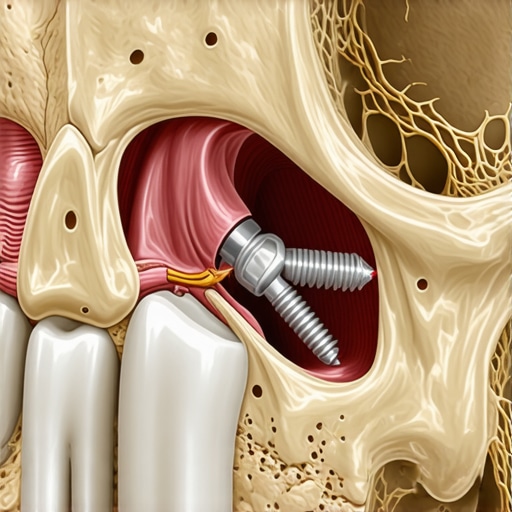
Why Your Dental Implant Might Feel Heavy
I remember a particularly nasty flu season three years ago when I was convinced my implant was vibrating. It was the strangest sensation—a deep, dense weight in my jaw. I learned later that because implants are fused directly to the bone, they act like a tuning fork for any surrounding pressure. It is quite common to wonder why your dental implant feels heavy in your jaw bone during a bout of sinusitis. The metal post is anchored near the sinus floor, and when that area gets inflamed, the lack of a periodontal ligament (the ‘cushion’ natural teeth have) means you feel every bit of that pressure. Don’t panic if it feels ‘off’ while you’re blowing your nose; the implant is structurally sound, it’s just your anatomy communicating the congestion. In fact, many patients notice that their dental implant feels different when it rains for the exact same reason: barometric pressure changes affect those sinus cavities.
Manage the Sensitivity Cycle
During a cold, your mouth can become a desert. Mouth breathing due to a stuffed nose dries out your saliva, which is your teeth’s natural shield. This can make your teeth feel ‘fuzzy’ or extra sensitive. If you have recently invested in your smile, you might notice that porcelain veneers sometimes cause sensitivity to cold drinks even more when your sinuses are flared up. To combat this, stay aggressively hydrated and use a saline nasal spray. By reducing the swelling in the ‘upstairs’ neighborhood of your sinuses, you take the direct physical load off the ‘downstairs’ roots of your teeth. Keeping the oral environment moist also prevents the gum irritation that often mimics a burgeoning cavity.While it is easy to blame the sinuses, we must address the nuance of how our body’s general immune response interacts with high-end restorations. One of the most common misconceptions I encounter in cosmetic dentistry is the idea that once a tooth is replaced or covered, it becomes a biological island. In reality, your mouth remains a highly integrated ecosystem. One of the biggest myths in the future of dental implants and cutting-edge techniques is that titanium and porcelain are inert and disconnected from your immune system. While the materials themselves do not change, the tissue surrounding them is incredibly sensitive to systemic inflammation.
Stop Treating Your Dental Implants Like Plastic Parts
We often assume that because an implant is a medical-grade fixture, it should feel the same regardless of whether we have a fever or a runny nose. However, because implants are fused directly to the bone without the periodontal ligament found in natural teeth, they provide different feedback to your brain. This is a nuance often missed in basic family dentistry tips for a lifetime of healthy smiles. When you are fighting a virus, your body’s vascular response increases, and the micro-circulation in your jawbone can actually make you feel like your dental implant feels tight when you wake up. It is not a mechanical failure; it is your body’s way of signaling localized inflammation.
Does My Body’s Immune Response Actually Change the Fit of My Veneers?
The short answer is no, but your proprioception—your sense of how your teeth fit together—definitely shifts. A study published in the Journal of Oral Rehabilitation notes that patients with prosthetic restorations often experience different tactile thresholds than those with natural enamel. When your gums are slightly swollen due to a cold, the way your tongue or lips rest against your dental work changes. You might begin to worry about why your dental implant is showing a tiny dark line or if your gum line is receding permanently. Usually, this is just a temporary physiological shift caused by the body focusing its resources on fighting the infection. 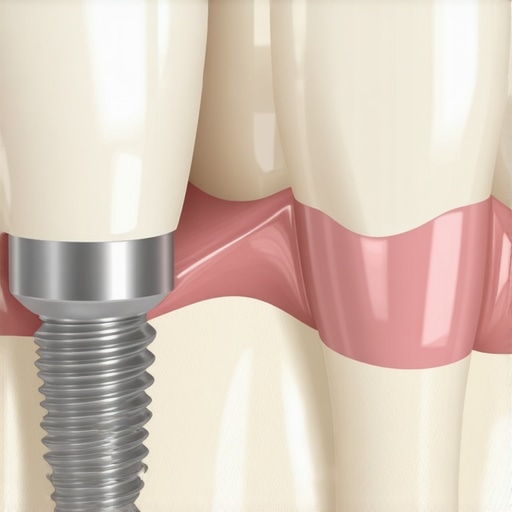
Avoid the Panic-Revision Trap
The most dangerous ‘oops’ factor I see with patients is the urge to schedule a bite adjustment or a repair while they are still in the middle of a respiratory infection. If you go to the dentist complaining that transforming your smile with veneers has resulted in a ‘heavy’ or ‘off’ bite while you’re sick, you risk having a professional grind down porcelain to fit a temporary, inflamed jaw position. Once the swelling goes down and you’re healthy again, that adjustment will leave your bite feeling uneven or, worse, looking like the mistake that makes porcelain veneers look like piano keys because they no longer align with your natural resting state. Patience is your best friend when your health is compromised. Have you ever fallen into this trap of thinking your expensive dental work was failing just because you had a fever? Let me know in the comments!
The Specialized Gear That Keeps My Smile From Cracking
After spending thousands on my mouth, I quickly realized that a manual toothbrush from a gas station wasn’t going to cut it. I’ve become quite the tool snob when it comes to oral hygiene, and for good reason. If you have any kind of prosthetic work, you need to be using a water flosser. Personally, I swear by the Waterpik Aquarius because it allows me to flush out the ‘dead zones’ around my implant crowns where traditional floss often shreds. When you understand the benefit of using a water flosser with your braces or implants, you realize it isn’t just about comfort; it’s about preventing peri-implantitis—the inflammatory disease that can lead to bone loss around your restoration. I also carry a set of TePe Interdental Brushes in my bag. They are far more effective at cleaning the wide gaps between molar implants than any plastic pick I’ve tried. 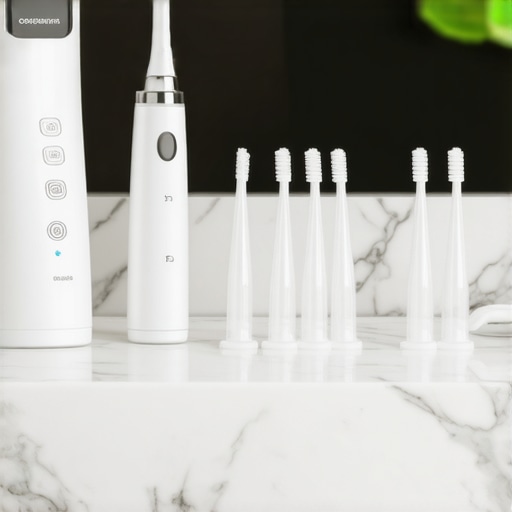
How do I keep these results for twenty years?
The secret to longevity isn’t just cleaning; it’s protecting the structural integrity of the porcelain from physical trauma. I wear a custom-fitted night guard every single night without fail. If you are a grinder, you can exert up to 250 pounds of pressure per square inch on your teeth while you sleep. This is why the connection between frequent headaches and grinding your teeth is so vital to understand; that nocturnal pressure will eventually chip even the most expertly placed veneers. Looking ahead, I predict that by 2030 we will see widespread use of at-home intraoral cameras that sync with your phone to alert you to early signs of gum recession before you can see it in a mirror. This kind of tech is already being integrated into the future of dental implants and cutting-edge techniques.
Stop Using Abrasive Pastes Before You Ruin the Finish
One of the biggest mistakes I see people make is trying to ‘whiten’ their porcelain using store-bought kits. You cannot whiten a veneer or a crown with chemicals, but you can certainly scratch them with the wrong paste. I always check the RDA (Relative Dentin Abrasivity) value of my toothpaste. According to technical documentation from the American Dental Association (ADA) Laboratory, any toothpaste with an RDA over 100 is potentially too abrasive for daily use on high-end cosmetic restorations. Many popular charcoal or whitening pastes score well over 150. This is why I warn people about the truth about charcoal toothpaste and your tooth enamel—it acts like sandpaper on your investment. I stick to CloSYS or Sensodyne Pronamel because they keep the RDA low. If you want to maintain your white smile after a coffee habit, use a straw and a low-abrasive paste rather than scouring your teeth. My challenge to you: Look up the RDA score of your current toothpaste brand; if it is over 100, swap it out for a gentle formula this afternoon to protect your smile’s luster.
The Hard Truth About Living with Restorative Work During Flu Season
I’ve spent years navigating the world of cosmetic dentistry, and the biggest lesson I’ve learned is that your body doesn’t care how much you paid for your smile when a virus hits. First, always remember the 48-hour rule: if your pain only exists while your nose is stuffed, give it two days of decongestants before you panic. Second, the ‘heaviness’ you feel is usually just fluid, not failure. I used to worry why my dental implant feels tight when I wake up, but now I know it’s just the lack of a ligament cushion reacting to inflammation. Third, your mouth is an ecosystem; if your nose is blocked, your mouth dries out, making your veneers feel more sensitive than usual.
Tools That Actually Save Your Smile When You’re Under the Weather
When you’re sick, your hygiene routine shouldn’t stop—it should evolve. I trust the Waterpik Aquarius because traditional flossing can be too aggressive when your gums are already tender from systemic inflammation. Understanding the benefit of using a water flosser is a game-changer for cleaning around implants. I also swear by a custom night guard to prevent clenching, which often worsens during a fever. This is a key part of family dentistry tips for a lifetime of healthy smiles. Lastly, ditch the charcoal! I stick to low-abrasive pastes to ensure I don’t scratch my porcelain while trying to keep things clean. The truth about charcoal toothpaste is that it’s often too rough for high-end work.
Take Control of Your Oral Health Future
Investing in your smile is about more than just aesthetics; it is about knowing how to maintain that investment through the ups and downs of physical health. Whether you are looking into the future of dental implants or just keeping your natural teeth in top shape, knowledge is your best defense against dental anxiety. You don’t have to fear every seasonal sniffle once you understand how your anatomy works together. Have you ever been convinced you had a cavity, only to find out it was just a stubborn head cold? Share your story in the comments below!