I’ll never forget that first Tuesday after my fitting. I walked out of the clinic feeling like a million bucks with my new smile, ready to conquer the world—or at least the local diner. But by 6:00 PM, I wasn’t conquering anything. I was hunched over the sink, staring at a set of angry, red gums that looked like they’d gone ten rounds with a heavyweight boxer. I made the classic rookie mistake of thinking I could just “power through” the discomfort. Spoiler alert: you can’t. In fact, trying to ignore that nagging friction is exactly why your gums might look like they are receding even when you think you are doing everything right. We often focus so much on the aesthetics that we forget our mouths are living, breathing tissue that needs a little grace during a big transition.
Stop the Burning Before Your Gums Give Up
We are going to fix this today. I am walking you through the actual, lived-in strategies I use to calm that post-denture ache so you can actually enjoy your dinner tonight. We will talk about the magic of salt rinses, the right way to massage your tissue, and the one massive blunder I made for three weeks straight that kept me in pain far longer than necessary. If you have been searching for the best way to soothe a sore mouth after a new denture is fitted, you are in the right place. I’ve been through the trenches of new denture ownership, and I’ve learned that treating your gums like a bruised athlete is the only way to win.
The First Line of Defense is a Warm Saltwater Rinse
Think of a saltwater rinse as a specialized first-aid kit for your mouth. When your dentures rub against your gum tissue, they create micro-abrasions that can feel like a slow burn. Salt is a natural antiseptic that draws out excess fluid and reduces the swelling that makes the fit feel even tighter than it actually is. I remember on my fourth day, I was so frustrated with the friction that I almost threw my plate across the room. Instead, I mixed half a teaspoon of salt into a cup of warm water and swished for thirty seconds. The relief wasn’t instant magic, but the throbbing slowed down enough for me to think straight. It’s a trick often recommended in family dentistry tips for a lifetime of healthy smiles because it’s simple, cheap, and effective. Don’t skip this; do it four times a day, especially after meals.

Give Your Gums a Literal Break
New dentures are like a fresh pair of heavy-duty hiking boots. If you wear them for twelve hours straight on day one, you’re going to get blisters. Your gums need to breathe to recover and heal. My biggest mistake was wearing mine through the entire evening news because I wanted to ‘get used to them’ as fast as possible. By 9:00 PM, my mouth felt like it was on fire. Now, I suggest the 6-hour rule: wear them for six hours, then take them out for at least twenty minutes. This allows blood flow to return to the compressed tissues. If you find your gums are staying red or looking damaged, you might be dealing with issues similar to why your gums look receding after you started using a firm toothbrush—too much mechanical pressure for the tissue to handle without a rest period.
Knead the Pain Away With a Gentle Tissue Massage
This sounds weird until you try it. When you take your dentures out for those necessary breaks, use a clean finger or a very soft, damp washcloth to gently rub your gums in a circular motion. This is basically physical therapy for your mouth. It stimulates circulation and helps move along the healing process of the bruised areas. It’s a similar logic to how to soothe your mouth after a professional deep cleaning; you are encouraging the body’s natural repair mechanisms by increasing local blood flow. I once spent a whole weekend thinking I had a ‘bad’ denture, but after a few rounds of massage and salt rinses, the ‘bad’ fit actually started to feel comfortable because the underlying swelling went down.
The Soft Food Safety Net
While you are in this delicate adjustment phase, stop trying to eat steak or crunchy carrots. Your gums are already under significant stress from the new appliance; don’t make them work harder by chewing tough foods that force the denture to press deeper into the sore spots. Stick to yogurt, mashed potatoes, or protein shakes. This isn’t just about comfort; it’s about preventing further trauma. In the world of cosmetic dentistry secrets to boost your confidence, the secret is often patience. Your mouth will eventually toughen up, but you can’t rush the biological clock of tissue healing. If the pain persists even after these steps, it might be time to look into dental implants 2025 innovations that redefine comfort and durability for a more permanent, stable solution.
Stop Thinking of Implants as Indestructible Armor
Once you move past the initial soreness of a new denture, many people start looking toward more permanent solutions like dental implants 2025 innovations that redefine comfort and durability. However, there is a common myth in the world of cosmetic dentistry that once you have a titanium post or a porcelain veneer, you are ‘done’ with dental maintenance. In my experience, that is the furthest thing from the truth. While these materials don’t decay like natural enamel, the biological foundation they sit on is actually more sensitive than it was before. Everyone says artificial teeth are easier to care for, but I’ve found they require a much higher level of precision. If you treat a high-end restoration with the same ‘good enough’ brushing habit you had before, you are setting yourself up for a very expensive failure.
The Hidden Risk That Porcelain Can’t Protect You From
Here is the ‘oops’ factor most people ignore: the gingival interface. When you transform your smile with veneers expert tips for perfect results, the tiny margin where the porcelain meets your gum is a magnet for plaque. If that tissue becomes inflamed, the whole aesthetic is ruined. I’ve seen patients focus so much on the color of their teeth that they completely neglect the fact that why your gums are receding even though you use a soft toothbrush 2 can apply to veneers and implants just as easily as natural teeth. In fact, according to a study published in the Journal of Periodontology, nearly 25% of implant patients develop peri-implantitis—a condition similar to gum disease that can lead to bone loss—precisely because they assumed the implant was maintenance-free. 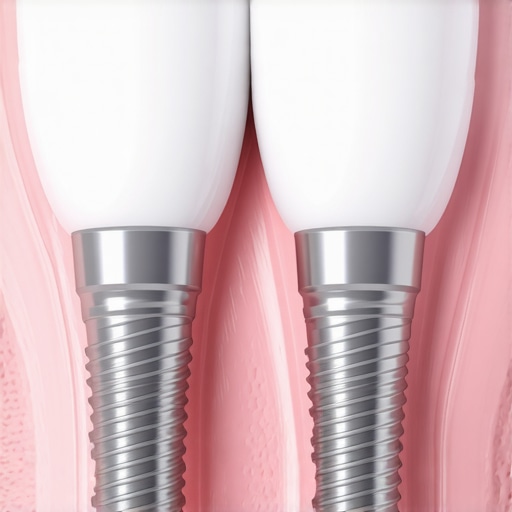
Why Does a Dental Implant Sometimes Feel ‘Off’ Years After Surgery?
It is a sophisticated question that often catches people off guard. If you are noticing a slight change in sensation, it might not be the implant itself, but the way your surrounding teeth have shifted. Unlike natural teeth, which have a periodontal ligament that acts as a shock absorber, an implant is fused directly to the bone. This lack of ‘give’ means that even a minor shift in your bite can create intense pressure. This is how dental implants reshape your oral health in 2025; they provide stability, but they also require you to be hyper-aware of your bite alignment. If things feel slightly out of place, knowing how to handle a dental implant that feels loose after five years is essential to saving the restoration. Have you ever fallen into this trap of thinking artificial teeth didn’t need work? Let me know in the comments. By following solid family dentistry tips for a lifetime of healthy smiles, you can ensure that your investment in your smile actually lasts the decades it was designed for.
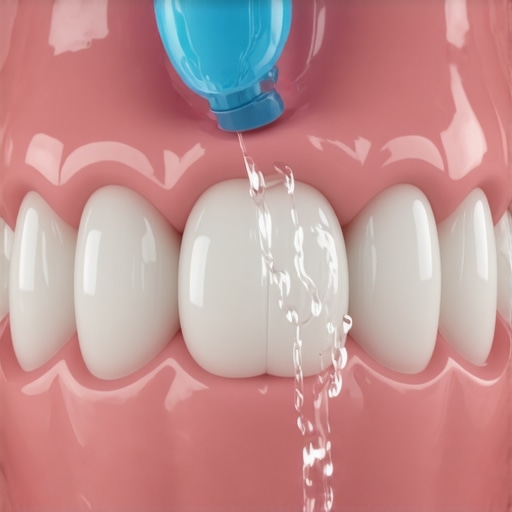
Ditching the standard string floss was the single best decision I made for my dental health. If you are dealing with a bridge or a crown, standard floss tends to shred and get caught on the tiny metal margins, which is not only annoying but can actually harbor bacteria. I’ve switched entirely to a high-pressure water pulsator. The reason is simple: it flushes out the ‘crevicular fluid’ around the implant that manual brushing just can’t reach. This is especially important for mastering the trick to flossing around a bulky dental bridge or implant without causing trauma to the delicate tissue. The American Academy of Implant Dentistry (AAID) notes that the long-term success of an implant depends entirely on the health of the surrounding bone and gum tissue, which can be compromised by even microscopic levels of plaque buildup at the base of the post. If you aren’t using a water flosser yet, you are essentially leaving your investment to chance.
Stop Scrubbing Away Your Expensive New Smile
I learned the hard way that not all toothpastes are created equal, especially when you have a veneers transformation unlocking your best smile yet. Many whitening toothpastes contain silica or other abrasives that are designed to scrub stains off natural enamel. On porcelain, however, these act like sandpaper. Over time, they dull the high-polish finish of your veneers, making them look matte and lifeless. I now exclusively use a gel-based, non-abrasive paste with a low RDA (Relative Dentin Abrasivity) score. If you notice why your veneers feel tight when you wake up in the morning, it might actually be inflammation from using a brush that’s too stiff or a paste that’s too gritty. My advanced tip for you today: check the RDA of your toothpaste; anything over 70 is too much for your cosmetic work.
How do I make these teeth last a lifetime?
The secret isn’t just in the tools, but in the frequency of ‘mechanical debridement.’ I use interdental brushes—those tiny little trees—at least once a day. They are far more effective at disrupting the biofilm than a toothbrush alone. If you ever feel a slight wobble, you need to know how to handle a dental implant that feels loose after five years before it becomes a total failure. Often, it’s just the screw inside the crown loosening, but if you haven’t been cleaning that area properly, it could be a sign of bone loss. I also recommend using a dedicated cleaner for any removable parts; learning how to clean your clear aligner cases without using harsh chemicals is a great philosophy to apply to all your dental hardware to avoid ingesting nasty residues.
Smart Sensors and the Future of Your Mouth
Looking ahead, I predict we are about to see a massive shift toward ‘Smart Implants.’ Within the next decade, I expect to see implants embedded with pH sensors that can alert your smartphone the second they detect the chemical signatures of infection or bone recession. We are already seeing glimpses of this in the future of dental implants cutting edge techniques in cosmetic dentistry. Instead of waiting for pain to tell us something is wrong, your mouth will give you a data-driven heads-up. For now, we have to be our own sensors. My challenge for you: swap your standard toothpaste for a low-RDA gel tonight and see if that gum sensitivity starts to fade. Your future self—and your wallet—will thank you for the extra care you put in today.
What I Wish Someone Had Told Me Before My First Fitting
Reflecting on my own journey through the world of dental restorations, I realized that the biggest hurdle wasn’t the procedures themselves, but my own expectations. First, I had to accept that my gums are a dynamic, living environment; they change based on my hydration, my stress levels, and even the weather. Secondly, I learned that ‘powering through’ the pain of a new denture is a recipe for long-term tissue damage. If it pinches, it needs an adjustment. Third, I discovered that even the most expensive veneers transformation unlocking your best smile yet requires more daily vigilance than my natural teeth ever did. Finally, I wish I knew that a slight lisp is perfectly normal for the first week—it’s just your tongue learning a new dance. These moments of frustration were actually just growing pains on the way to a much more confident version of myself.
The Small Tools That Keep My Gums and Teeth Happy
Maintenance is where your investment either thrives or fades. I personally swear by a three-part toolkit that has saved me thousands in potential repairs. I never go a day without my water pulsator, which is far more effective at cleaning the tricky spaces in veneers vs crowns choosing the best option for your smile than traditional string. I also keep a supply of ultra-soft interdental ‘trees’ to massage the gum line without causing recession. For anyone using removables, a specialized ultrasonic cleaner is worth every penny to remove the biofilm that a toothbrush simply smears around. These aren’t just gadgets; they are the insurance policy for your dental health. If you are unsure which tools are right for your specific hardware, it is always a good idea to contact us for a personalized recommendation.
#IMAGE_PLACEHOLDER_E#
Why Your New Smile Deserves a Lifetime of Care
Choosing to improve your smile is an act of self-care that ripples through every interaction you have. Whether you are navigating the early soreness of dentures or the meticulous care of cosmetic dentistry secrets to boost your confidence, remember that you are doing this for your future health as much as your current appearance. Consistency is your greatest ally. By combining these daily habits with foundational family dentistry tips for a lifetime of healthy smiles, you ensure that your smile remains as vibrant and comfortable ten years from now as it is today. You’ve done the hard work of getting the work done; now, just enjoy the results with the grace and patience your body deserves. Have you ever struggled with the initial discomfort of a new dental appliance or found a specific tool that changed the game for you? Let me know in the comments below!