I still get a little shiver down my spine when I think about my oldest daughter’s first major dental visit. There we were, crammed into a tiny room with a heavy lead apron dangling from her shoulders, and she was absolutely convinced that the oversized X-ray machine was a space monster designed to eat her face. I made the classic rookie mistake of trying to rationalize with a terrified four-year-old. I pleaded, I bargained, and I promised ice cream. None of it worked. She screamed, she wiggled, and we had to reschedule the entire appointment. It was embarrassing, exhausting, and completely avoidable. If you are currently losing sleep over an upcoming appointment, take a deep breath. Today, I am going to share the exact strategies I learned the hard way so you can keep your sanity intact and help your little one breeze through the process. How to handle your child’s fear of dental x-rays doesn’t have to involve tears, bribes, or wrestling matches in the clinical chair.
Why Those Tiny Digital Pictures Matter So Much Right Now
Keeping a toddler or elementary schooler perfectly still for even ten seconds feels like trying to hold onto a wet bar of soap. But those dental pictures are non-negotiable for their oral development. You might look at their mouth and think everything is fine, but baby teeth are incredibly porous, and cavities can hide in the tight spaces between their molars where a toothbrush bristles simply cannot reach. Beyond decay, these early images show your dentist how their permanent teeth are developing under the surface. It is a crucial part of proactive family dentistry that saves you thousands of dollars down the road. According to the American Academy of Pediatric Dentistry, children who have a positive, anxiety-free experience during their first few dental visits are significantly more likely to maintain excellent oral hygiene habits as adults. The goal isn’t just getting through today’s appointment; it is about setting them up for a lifetime of confident smiles. If your child is exceptionally anxious about visiting the clinic in general, you might also want to read up on how to handle a child who is afraid of the dental chair to build their confidence beforehand.
Is forcing them to sit still actually going to traumatize them?
It is the question that keeps every sensitive parent awake at 2:00 AM. We worry that a stressful moment in the dental chair will scar them for life. The truth is, physical restraint or intense emotional pressure absolutely can create long-term dental phobias. That is why we do not force them. Instead, we use play, preparation, and clever psychological framing to make them active participants in their own care. Have you ever had to walk out of a clinic because your child flat-out refused to cooperate? Tell me your story in the comments below, because believe me, you are not alone in this parenting club.
Turn the X-Ray Machine into a Friendly Space Camera
To get a four-year-old to cooperate with a giant, rumbling medical arm, you have to change the narrative before you even step foot in the clinic. Children struggle with scale and sound; the machine looks like a monster because it is large, gray, and makes clicking noises. Translate this clinical environment into a sci-fi playground. Tell them they are going to get their teeth photographed by a special space camera that takes super-secret pictures of their hidden superhero tooth-powers. If they can hold perfectly still like a frozen statue for just five seconds, the camera can capture their secret power source.
I tried this with my youngest son after the disaster with my daughter. I sat him down on the living room rug the night before, put a heavy winter coat on him to simulate the lead apron, and held my phone up like a scanner. We practiced being ‘frozen statues’ while I made silly buzzing noises. When the actual appointment came, he wasn’t afraid of the heavy vest; he actually asked the hygienist if his ‘space armor’ was ready. Demystifying the physical sensations beforehand removes the shock factor entirely.

Tell, show, and then do
The golden rule of pediatric family dentistry is a three-step behavioral technique: Tell, Show, Do. First, the team explains the instrument in child-friendly language. Next, they demonstrate how it works on a stuffed animal or even on the parent’s arm. Finally, they perform the actual procedure. If your child is extremely stubborn or resistant to letting anyone look inside their mouth, you might face some tension, much like the struggles parents face when learning the real reason your toddler wont let you brush their back molars 2. By letting them touch the soft plastic sensors before they go into their mouth, you satisfy their sensory curiosity and lower their guard.
Use the sandwich trick for uncomfortable sensors
The hardest part of the dental picture process is the rigid plastic sensor that goes inside the cheek. It is bulky, uncomfortable, and often triggers a sensitive gag reflex. Ask the hygienist if they can use smaller pediatric-sized sensors, or use the ‘sandwich’ distraction technique. Have your child focus entirely on an active physical task during the five-second exposure. Tell them to lift their right leg up in the air and wiggle their toes as fast as they can. Because the young brain struggles to process intense sensory input from two different places simultaneously, focusing on the wiggling toes distracts them from the uncomfortable plastic tab resting against their gums.
Ditch the bribes and focus on immediate post-visit pride
We often resort to offering massive sugar-loaded treats as bargaining chips when we are desperate. However, promising a reward *before* they cooperate actually signals to the child that something terrifying is about to happen. Instead, focus on building their internal pride. Frame the successful pictures as a major grown-up milestone. If you are a parent who has invested heavily in your own smile through cosmetic procedures like veneers transformation unlocking your best smile yet, you already understand how life-changing dental confidence can be. Celebrate their bravery immediately with words of validation rather than sugary bribes, cementing a positive association with the dental office for years to come.
When we talk about pediatric oral care, many parents believe that getting through a dental visit is simply a matter of luck or having a naturally cooperative kid. But as someone who has spent years analyzing the clinical side of pediatric dentistry, I have realized there is a massive gap between conventional parenting advice and what actually works in the operatory chair. Let’s dig deeper into the advanced psychology of clinical cooperation and look at some of the nuances that even seasoned parents often get wrong.
Why do so many parents fail when preparing their kids for dental visits?
The single biggest mistake parents make is over-preparing. We live in an era of hyper-information, and in our quest to ease our children’s anxiety, we often over-talk the upcoming appointment. When you explain a procedure in too much detail, you inadvertently signal to your child that there is something to fear. A clinical study published by the Journal of Dental Research and Review highlights that parental pre-appointment anxiety and excessive verbal reassurance are directly correlated with increased child distress in the operatory chair. By constantly reassuring them that ‘it won’t hurt’ or ‘it is safe,’ you are introducing the concept of pain before they have even felt a thing. Speak about the appointment as if it is as mundane as a trip to the grocery store.

Another common trap is assuming that all pediatric offices use the same behavioral techniques. If you want to set your family up for long-term success, you need to partner with a practice that actively understands the subtle shifts in modern pediatric psychology. While managing an anxious child is one hurdle, if you are looking to invest in your own long-term oral aesthetics down the road, you will want to understand things like a veneers transformation unlocking your best smile yet to see how early positive clinical experiences build a lifetime of proactive oral health habits.
We also see a lot of confusion when parents transition from pediatric care to more advanced family needs. For example, some believe that cosmetic improvements or dental restorations are only for adults, yet early intervention is key. If you are currently navigating your own advanced treatments, such as trying to understand why your veneers feel tight when you wake up in the morning or exploring restorative options, you know that dental care is highly personalized and evolving. Have you ever fallen into the trap of over-explaining a treatment to your child, only to watch their anxiety skyrocket right in front of you? Let me know in the comments below!
Ultimately, the secret to a smooth visit lies in keeping your own energy completely calm, choosing a team that practices the ‘Tell-Show-Do’ method, and utilizing clever sensory distractions like the toe-wiggling trick. With these tools in your parenting arsenal, you can turn a potentially terrifying experience into just another proud milestone on their journey to a healthy smile. If you are ready to experience a stress-free dental partnership, feel free to contact us today to see how we can make your child’s next visit a breeze.
When you look beyond the immediate hurdle of getting your child to cooperate during an X-ray, the conversation naturally shifts toward long-term maintenance. How do we keep this clinical cooperation working for years to come? Over my years of managing pediatric dental anxiety, I have found that the right home-care tools completely transform how children perceive their actual office visits. If their daily routine is seamless, the clinical chair stops being a place of sensory overload.
What tools actually work for home-care maintenance?
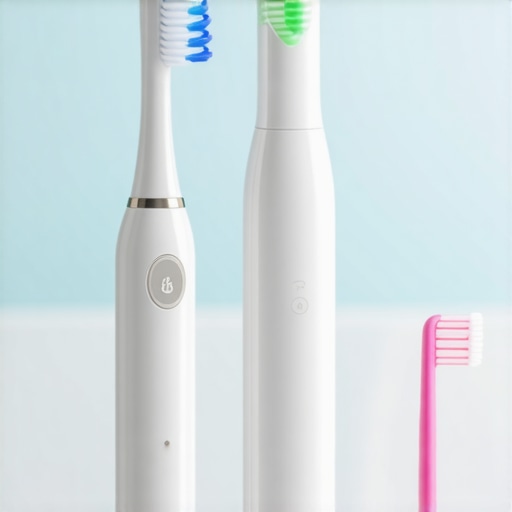
I do not recommend generic youth toothbrushes. Instead, I personally advocate for the Oral-B Kids Electric Toothbrush paired with the Disney Magic Timer App. The physics of an oscillating brush head do the heavy lifting for small hands that lack fine motor skills, and the visual feedback of the app gamifies the two-minute timer. More importantly, using an electric brush at home desensitizes your child to the vibrations and humming sounds they will encounter during a professional cleaning. If you are also managing your own advanced cosmetic restorations, such as keeping up with expert tips for perfect results with veneers, you know that having the right specialized tools makes all the difference in protecting your investment.
For flossing, ditch the traditional string. Children simply do not have the manual dexterity for it. I recommend dual-aim dental floss picks, which allow you to quickly slide between tight spaces without snapping the floss against their sensitive gums. Keeping these spaces clean prevents the interproximal decay that makes those dreaded dental X-rays necessary in the first place.
How do I maintain my family’s oral health confidence over time?
Consistency is your absolute superpower. Children thrive on predictability, so scheduling their checkups precisely every six months keeps the environment familiar. In the dental world, technology is rapidly evolving to make these visits even more comfortable. According to Dr. Paul Casamassimo, a leading researcher at the American Academy of Pediatric Dentistry Pediatric Oral Health Research Center, the integration of near-infrared imaging technology (like the iTero scanner) is beginning to complement and, in some cases, reduce the frequency of traditional dental X-rays by detecting early decay using light instead of radiation. This is a massive win for parents of anxious children.We are also seeing incredible clinical advancements on the adult side of family dentistry. For instance, the transition to computer-guided surgery for dental implants in 2025 is redefining comfort and precision, while advanced materials are making cosmetic dentistry secrets more accessible than ever. Whether you are maintaining your child’s natural baby teeth or exploring a full veneers transformation for yourself, the goal remains the same: proactive, stress-free care.
I encourage you to try one specific advanced tip tonight: download a visual brush timer app and let your child ‘practice’ holding an electric toothbrush handle against their cheek to get used to the vibration. It takes less than two minutes, but it builds the sensory familiarity they need to breeze through their next professional cleaning.
When we look beyond the immediate hurdle of getting your child to cooperate during an X-ray, the conversation naturally shifts toward long-term maintenance. How do we keep this clinical cooperation working for years to come? Over my years of managing pediatric dental anxiety, I have found that the right home-care tools completely transform how children perceive their actual office visits. If their daily routine is seamless, the clinical chair stops being a place of sensory overload.
What tools actually work for home-care maintenance?
I do not recommend generic youth toothbrushes. Instead, I personally advocate for the Oral-B Kids Electric Toothbrush paired with the Disney Magic Timer App. The physics of an oscillating brush head do the heavy lifting for small hands that lack fine motor skills, and the visual feedback of the app gamifies the two-minute timer. More importantly, using an electric brush at home desensitizes your child to the vibrations and humming sounds they will encounter during a professional cleaning. If you are also managing your own advanced cosmetic restorations, such as keeping up with expert tips for perfect results with veneers, you know that having the right specialized tools makes all the difference in protecting your investment.
For flossing, ditch the traditional string. Children simply do not have the manual dexterity for it. I recommend dual-aim dental floss picks, which allow you to quickly slide between tight spaces without snapping the floss against their sensitive gums. Keeping these spaces clean prevents the interproximal decay that makes those dreaded dental X-rays necessary in the first place.
How do I maintain my family’s oral health confidence over time?
Consistency is your absolute superpower. Children thrive on predictability, so scheduling their checkups precisely every six months keeps the environment familiar. In the dental world, technology is rapidly evolving to make these visits even more comfortable. According to Dr. Paul Casamassimo, a leading researcher at the American Academy of Pediatric Dentistry Pediatric Oral Health Research Center, the integration of near-infrared imaging technology (like the iTero scanner) is beginning to complement and, in some cases, reduce the frequency of traditional dental X-rays by detecting early decay using light instead of radiation. This is a massive win for parents of anxious children.
We are also seeing incredible clinical advancements on the adult side of family dentistry. For instance, the transition to computer-guided surgery for dental implants in 2025 is redefining comfort and precision, while advanced materials are making cosmetic dentistry secrets more accessible than ever. Whether you are maintaining your child’s natural baby teeth or exploring a full veneers transformation for yourself, the goal remains the same: proactive, stress-free care.
I encourage you to try one specific advanced tip tonight: download a visual brush timer app and let your child ‘practice’ holding an electric toothbrush handle against their cheek to get used to the vibration. It takes less than two minutes, but it builds the sensory familiarity they need to breeze through their next professional cleaning.
The Hardest Lesson I Learned While Trying to Keep My Kids Calm in the Chair
Through trial, error, and plenty of spilled tears, I learned that children are emotional mirrors. If you walk into the operatory with your shoulders tense, waiting for a meltdown, they will instantly sense your stress hormones and match your panic level. My biggest breakthrough came when I stopped talking entirely during the procedure. I stepped back, let the dental team take the lead, and kept a warm, quiet smile on my face. Your silence signals to your child that you trust the professional holding the mirror, which instantly allows their nervous system to settle.
My Essential Parenting Toolkit for Stress-Free Dentistry
To help you navigate future visits with ease, here are three resources that I personally trust and recommend to every family in our community:
- The ‘Dentist Trip’ Episode of Peppa Pig or Daniel Tiger: Visual modeling is incredibly powerful for young minds. Let them watch their favorite cartoon character successfully sit in the big chair the morning of their visit.
- Child-Sized Safety Glasses: Many pediatric practices use bright clinical lights that trigger a sensory overload. Bringing a pair of their favorite sunglasses to wear during the checkup makes them feel cool and physically shielded.
- Our Direct Support Channels: When in doubt, a quick conversation with your provider can set your mind at ease. You can always contact us to discuss your child’s sensory triggers before you even walk through the front door.
How to Handle Your Childs Fear of Dental X-rays in the Future
At the end of the day, remember that a bumpy dental visit is not a parenting failure. It is simply a single step on their journey toward developing healthy, lifetime habits. With a spoonful of clinical play, some clever sensory distractions, and a supportive pediatric team, you can confidently help your little one master their next visit. Have you ever had to walk out of an appointment because your toddler simply refused to cooperate? Let me know in the comments below, because we have all been there!