I was sitting in that tiny plastic chair, sweat beads forming on my forehead, as my six-year-old let out a scream that could shatter glass. Why? Because of a heavy blanket. The dental assistant was just trying to drape the lead apron over him for an x-ray, but to him, it looked like a monster’s cape. I tried the ‘it’s just a game’ routine, but it fell flat. It was a total parenting fail, and honestly, it made me feel like I hadn’t prepared him at all for the realities of family dentistry tips for a lifetime of healthy smiles. If you’ve ever wanted to crawl under the exam table while your child refuses to open their mouth, I’ve been there. We are going to change that narrative today. I’m sharing the exact steps I used to turn the ‘scary camera’ into just another part of the check-up, so you can stop dreading these appointments.
Why the Big Lead Apron Scares the Little Ones
It’s easy for us to forget that a dental office is a sensory overload for a child. There are high-pitched whirring sounds, bright lights, and strangers in masks. When the assistant brings out the x-ray sensor, it feels invasive. Early on, I made the mistake of being too clinical. I told my son, ‘It’s just a picture for your bones,’ which sounded incredibly creepy to a first-grader. That lack of relatability is usually where we lose them. Often, we focus so much on the equipment that we forget to validate their feelings about how to handle a child who is afraid of the dental chair. If your child is already struggling, you might notice other issues, like the real reason your toddler wont let you brush their back molars, because fear often stems from a feeling of losing control.
Are Dental X-rays Really Necessary for Every Visit?
This is the question I asked my dentist while my son was hiding behind my legs. Is it worth the struggle? The reality is that according to the American Academy of Pediatric Dentistry, x-rays are essential for spotting decay and monitoring the development of permanent teeth that haven’t emerged yet. You might be looking at why your childs permanent teeth look large in their small jaw and wondering if everything is okay; x-rays provide that peace of mind. But how do we get them to stay still long enough to actually get a clear image? Have you ever had a dental appointment derailed by a sudden tantrum over the equipment? I’d love to hear your stories below, because it really does take a village to survive these milestones. Understanding the ‘why’ is the first step toward a tear-free visit.
Turn the Scary Lead Apron into a Superhero Cape
The first hurdle is always the weight. To a child, that lead apron feels like it’s pinning them down. I started using our weighted blanket at home during story time to get my son used to the sensation of ‘heavy pressure’ being a cozy thing rather than a restrictive one. If you don’t have one, just piling up a few thick quilts works wonders. Explain that the apron is a special ‘superhero shield’ that protects their body while the camera works its magic. During that same appointment where my son screamed, the assistant finally caught on and called it his ‘Iron Man armor.’ The shift in his eyes was instant. He went from terrified to stoic in three seconds flat. This small pivot is a cornerstone of family dentistry tips for a lifetime of healthy smiles because it replaces the unknown with a narrative they already love.
Ditch the Clinical Language Right Now
Stop using the word ‘x-ray’ or ‘radiation.’ To a kid, those are ‘doctor words’ that signal pain. Instead, call the machine a ‘magic camera’ that can see through their cheeks to find hidden sugar bugs. When you are explaining why your childs permanent teeth look large in their small jaw, show them the pictures afterward. Make it a reveal, like looking at a treasure map. I once spent twenty minutes at the kitchen table with a flashlight and a piece of paper, ‘scanning’ my daughter’s teeth before her visit. By the time we got to the office, she was actually excited to see the ‘real’ version of her bones.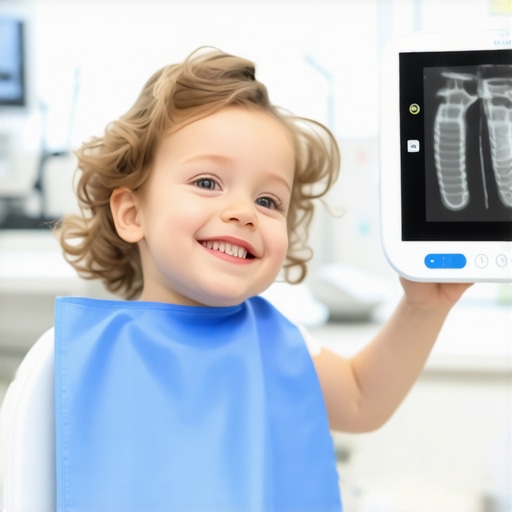
The Three-Step Strategy for Smooth Appointments
Most of the resistance happens because the sensor—the piece that goes in the mouth—is bulky and uncomfortable. You can’t change the size of the equipment, but you can change how they react to it. First, practice ‘big alligator breaths’ through the nose. If they breathe through their mouth, they are more likely to gag on the sensor. Second, use a physical distraction. I have my kids lift one leg in the air and hold it there while the ‘camera’ clicks. It forces their brain to focus on their leg muscles instead of the plastic in their mouth. This is a pro-level move for anyone wondering how to handle a child who is afraid of the dental chair. Finally, celebrate the ‘click.’ As soon as the machine makes that beep, give a high-five. Positive reinforcement must be immediate to stick.
Why Mastery of the X-Ray Leads to Better Oral Health
Getting through an x-ray isn’t just about that one day; it builds the confidence they need for more complex care later. If a child learns to trust the process now, you won’t be dealing with the real reason your toddler wont let you brush their back molars when they are older—which is usually a deep-seated fear of dental tools. These images are the only way to see if there is enough room for adult teeth to erupt or if early intervention is needed. I remember the relief I felt when an x-ray showed my daughter’s ‘shark teeth’ weren’t a problem, just a temporary phase. That peace of mind only happened because we practiced the ‘magic camera’ routine for a week straight before the visit. When they feel like they have a job to do—like being the world’s best ‘statue’ for five seconds—they take pride in the appointment instead of fearing it.
Stop Treating Baby Teeth Like They Are Disposable
While we have spent time mastering the ‘superhero cape’ and the ‘magic camera,’ there is a deeper layer to pediatric care that many parents—myself included—initially miss. We often focus on the immediate comfort of the appointment, but the real nuance lies in how these early visits prevent a domino effect of oral health issues. Most people think cosmetic work or complex restorations are ‘adult problems,’ but the foundation for a healthy mouth is laid before the first permanent molar even breaks through. I used to believe that if a baby tooth had a cavity, pulling it was the simplest fix. It is a baby tooth, right? It is going to fall out anyway. This is the biggest mistake you can make in family dentistry. If you have ever felt tempted to skip a filling for a temporary tooth, you are walking into a trap that could cost your child their smile’s alignment later in life.
Avoid the Space Maintenance Trap Before It Is Too Late
When a primary tooth is lost too early due to decay or injury, the surrounding teeth do not just sit still; they begin to drift into the empty gap. This migration causes a loss of space for the adult teeth waiting underneath. Furthermore, without a tooth root to stimulate it, the jawbone in that specific area can begin to lose density. This bone resorption is a silent process, but it is the reason some adults later struggle with how dental implants reshape your oral health in 2025 because there simply is not enough bone left to support a replacement. By protecting a baby tooth today, you are actually performing a high-level preventative procedure for their future adult self. 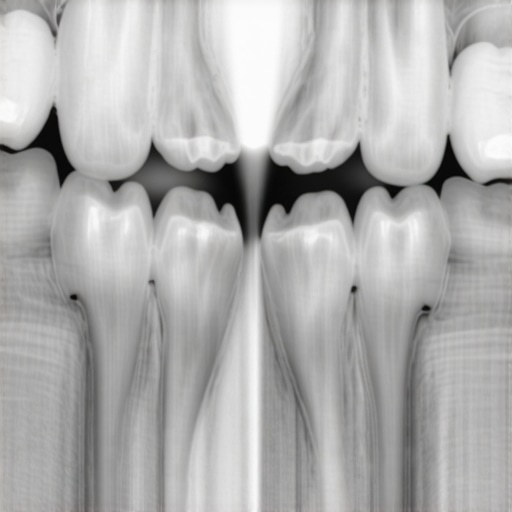
Does early tooth loss actually ruin the chance for a perfect adult smile?
It is a sophisticated concern that goes beyond simple aesthetics. According to a study published in the Journal of Clinical Pediatric Dentistry, the premature loss of primary teeth without immediate and proper space maintenance significantly increases the likelihood of severe crowding and malocclusion. If you have ever wondered why your childs permanent teeth look large in their small jaw, you are seeing the result of this complex spatial dance. Without the guidance of primary teeth, adult teeth take the path of least resistance, often erupting at odd angles. This usually leads to a scenario where, as an adult, they have to navigate the choice between veneers vs crowns choosing the best option for your smile to correct the resulting functional and visual misalignments. Even observing the reason your child has two rows of teeth like a shark can be an indicator that the timing of development is being disrupted by underlying issues. We must shift our mindset: baby teeth are not disposable placeholders; they are the architectural blueprints for the rest of their lives. Have you ever fallen into this ‘it is just a baby tooth’ trap? Let me know in the comments, because sharing these ‘oops’ moments is how we all get better at family dentistry tips for a lifetime of healthy smiles.Once you’ve made the investment in a beautiful smile—whether it’s through a veneers transformation unlocking your best smile yet or getting that first permanent bridge—the real work begins in the bathroom mirror. I’ve realized that maintenance isn’t just about brushing; it’s about mechanical precision. If you don’t stay on top of it, you’ll eventually find yourself searching for how to handle a dental implant that feels loose after five years, which is a situation nobody wants.
My Favorite Tools for High-Level Hygiene
I personally swear by the ‘low-and-slow’ method with a water flosser. Most people crank the pressure to ten, but that can actually detach the delicate gum tissue from the base of a veneer or crown. I keep mine at a level three, focusing strictly on the sulcus—that tiny pocket where the tooth meets the gum. I also made the switch to a high-quality electric toothbrush with a pressure sensor. It’s a game-changer because it stops me from scrub-cleaning my gums into recession. This level of care is one of the cosmetic dentistry secrets to boost your confidence because a healthy foundation makes the aesthetics pop.
How do I maintain my dental implants and veneers over time?
The secret isn’t just cleaning; it’s protection from force. Porcelain is incredibly strong but brittle under shear stress. If you grind your teeth at night, you are effectively a slow-motion wrecking ball for your dental work. I wear a custom-fitted occlusal guard every single night without exception. According to the Journal of Oral Implantology, the mechanical stability of the abutment connection is the most critical factor in long-term implant success, and excessive biting force is the primary cause of connection failure. If you skip the nightguard, you are risking the integrity of the whole system. Also, pay attention to how your bite feels; if you notice the reason your dental implant crown feels tighter than the others, it’s time for a professional adjustment.
The Next Wave of Home Dental Tech
Looking toward 2025 and beyond, I predict we are going to see a massive shift toward AI-integrated oral cameras for home use. We already see this trend in the future of dental implants cutting edge techniques in cosmetic dentistry, where digital scanning is replacing messy molds. Soon, you’ll be able to snap a photo of your gums and have an app tell you exactly where inflammation is starting before it becomes a ‘dentist-office-emergency.’ This proactive approach is the ultimate evolution of family dentistry tips for a lifetime of healthy smiles. For now, try this: tonight, use an interdental brush instead of traditional floss just once around your furthest back molars. Traditional floss often misses the concave surfaces of the tooth roots that interdental brushes can actually reach and scrub. You’ll be shocked at what your regular routine is missing. Maintaining the bone density is why how dental implants reshape your oral health in 2025 is such a hot topic right now.
The Hardest Truths About Tiny Teeth I Learned the Hard-Way
Reflecting on those early appointments, I’ve realized that the biggest hurdle isn’t the equipment; it’s the expectation we set. Here is the insider wisdom I wish I had on day one:
- The ‘Wait and See’ trap is real: Many parents assume baby teeth aren’t worth the fuss because they eventually fall out. But I’ve learned that these teeth are actually placeholders for the future. Protecting them now prevents the need for a veneers transformation unlocking your best smile yet or complex orthodontic work later.
- Sensory triggers matter more than logic: You can explain physics to a child all day, but the cold sensation of the sensor or the weight of the apron is what sticks. Desensitization starts at home with heavy blankets and ‘camera’ play, not just in the chair.
- Consistency beats intensity: It’s better to have a three-minute positive interaction with a toothbrush than a twenty-minute battle. If you notice why your childs permanent teeth look large in their small jaw, don’t panic—just keep the hygiene routine steady while the jaw grows to match.
The Tools I Actually Trust for My Family
I don’t believe in every dental gadget on the market, but these specific items have changed how we approach oral care in our house. First, a pressure-sensitive electric toothbrush is vital to prevent the reason your gums look receding even if you have good hygiene. Second, I always keep a stash of interdental brushes for those hard-to-reach spots that traditional floss tends to glide over. Finally, for the adults, a custom nightguard is the single best investment you can make to protect your dental work. If you’ve invested in cosmetic dentistry secrets to boost your confidence, don’t let nighttime grinding ruin that progress. If you ever feel like your dental implant crown feels tighter than the others, it’s usually a sign that your bite needs a professional adjustment before mechanical stress causes a failure.
Your Roadmap to a Fearless Smile
Taking these small, intentional steps today—from practicing with a ‘superhero cape’ to perfecting your ‘low-and-slow’ flossing technique—is how you ensure your kids (and you!) never fear the dentist again. It is about building a legacy of health that lasts decades. By applying these family dentistry tips for a lifetime of healthy smiles, you aren’t just cleaning teeth; you are building confidence and protecting their long-term well-being. The future of their smile starts with how you handle the chair today. Have you found a creative way to help your child feel like a superhero during their dental check-ups? Let me know your best parenting wins in the comments below!