I still remember the sudden panic of spitting into the bathroom sink, only to see a bright splash of red clouding the white porcelain. It was 7:15 AM, I was rushing to make coffee, and my first thought was that my teeth were literally falling apart. I used to think I was just brushing too hard, or maybe it was just a fluke. But morning after morning, that metallic taste and pink foam kept showing up. It felt like a daily failure before my day even started. If you are waking up to this frustrating sight, you are definitely not alone, and it is not a mystery we have to live with. Today, we are going to dive into the surprising biological reasons why your mouth acts up specifically in the AM and exactly how you can turn things around for a healthier smile.
Is morning gum bleeding actually worth worrying about?
When I first noticed the bleeding, I made the classic mistake of brushing even harder, thinking I just needed to clean better. That only made my poor, inflamed gums scream louder. What I did not realize back then is that our mouths undergo major shifts while we sleep. Saliva production plummets at night, leaving our gums vulnerable to bacteria that throw a party while we dream. If you also notice your teeth feel tender in the morning, you might be dealing with a combination of dry mouth and overnight grinding, which is why why your veneers feel tight when you wake up in the morning or why your natural teeth feel sore. According to the American Academy of Periodontology, nearly half of all adults over thirty suffer from some form of gum disease, which often goes unnoticed until that morning spit reveals a problem. Recognizing these early warning signs is the first step in effective family dentistry tips for a lifetime of healthy smiles. Have you ever stood over your bathroom sink, stared at the pink foam, and wondered what you did wrong? Let me know in the comments below, because we have all been there, and fixing it is easier than you think. Let’s look at what is actually happening in your mouth while you sleep.
Step-by-step habits to heal your gums while you sleep
To stop the cycle of morning bleeding, you have to treat your mouth like a greenhouse. If the air is too dry, the plants wither; if your saliva flows too little, harmful bacteria overrun your oral tissues. It is not just about brushing harder; it is about changing how you protect your mouth during those critical eight hours of rest.
Master the two-minute evening reset
Most people brush their teeth right before bed, but they do it in a rush. To truly stop overnight bacterial growth, you need to be methodical. Think of plaque as a sticky film of glue. Water alone won’t wash it away, and a quick scrub just moves it around. Brush gently at a forty-five-degree angle toward your gum line. I used to scrub back and forth like I was cleaning a rust spot off a car bumper, which only led to sore tissues. Once I switched to a soft-bristled brush and gentle circular motions, the morning pink foam disappeared within a week. If you are struggling with irritation, it is highly common to experience why your gums feel sore after you floss for the first time in weeks, but consistency is key.
Eliminate overnight dry mouth
Saliva is your body’s natural defense mechanism, washing away acids and keeping bacteria in check. When you breathe through your mouth at night, you dry out this protective barrier. If you regularly wake up with a parched throat, you are likely dealing with the real reason your mouth feels dry at night while sleeping. To combat this, try using a cool-mist humidifier in your bedroom to keep the air moist, and make sure you hydrate thoroughly before bed. 
Commit to proper flossing angles
Flossing is non-negotiable if you want to stop morning bleeding, but doing it wrong can actually slice your delicate gum tissue. Instead of snapping the floss straight down between your teeth, wrap the thread into a ‘C’ shape around the side of each tooth. Gently slide it beneath the gumline to clear out the hidden plaque. If you have advanced dental restorations, you might need to learn the trick to flossing around a bulky dental bridge or implant to ensure you are not leaving bacteria traps behind. When I first started flossing properly, my gums bled even more for the first three days. I almost gave up, thinking I was damaging my mouth, but by day five, the inflammation subsided, and the bleeding stopped completely. If you are working with specialized cosmetic upgrades, keeping the surrounding tissues healthy is vital for maintaining your investment, which is why understanding transform your smile with veneers expert tips for perfect results can save you from future discomfort.
The dangerous myth about perfect smiles and healthy gums
We often look at stunning cosmetic dentistry and think the secret to that flawless look lies entirely in the porcelain or the composite materials. That is actually one of the biggest misconceptions in modern family dentistry. Many people assume that once they invest in premium restorations, their oral health worries are over because porcelain cannot decay. However, the foundation beneath those restorations remains living, breathing tissue. I have seen so many patients focus so intensely on shade matching and alignment that they completely ignore the structural support. If your gums are inflamed, even the most expensive dental work is built on shifting sand. According to a landmark study by the American Academy of Periodontology, chronic gum inflammation actively destroys the bone structure supporting your teeth, which can lead to premature failure of both natural teeth and cosmetic enhancements. To keep your investment secure, prioritizing daily tissue health is just as critical as choosing the right treatment option when comparing veneers vs crowns choosing the best option for your smile. Have you ever fallen into this trap of prioritizing the looks of your teeth over the health of your gums? Let me know in the comments.
How hidden gum recession ruins beautiful dental implants
The ultimate trap in restorative dental work is assuming that artificial roots do not need the same care as natural ones. This is a massive mistake. While it is true that a titanium post cannot get a cavity, the surrounding bone and gum tissue are still highly vulnerable to peri-implantitis, an inflammatory condition similar to gum disease. When plaque accumulates around the base of a restoration, it causes the gumline to back away. This is why your gums look receding even if you have good hygiene if your brushing technique is slightly off or if you are neglecting the tight spaces around your hardware. When the tissue recedes around an implant, it does not just look bad by exposing the metal beneath; it threatens the entire structure. If you are preparing for this procedure, you need to understand how dental implants reshape your oral health in 2025 so you can protect your investment from the very start. 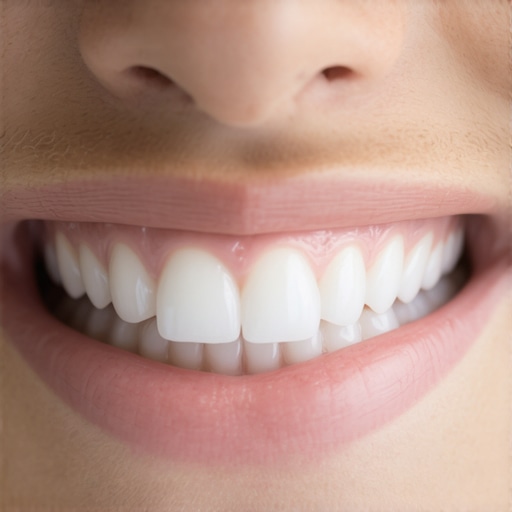
Why do my new restorations feel like they are crowding my mouth?
It is incredibly common to feel a sense of tightness or pressure immediately after a cosmetic procedure. Many patients panic, thinking the dentist made the teeth too large or positioned them incorrectly. However, the real culprit is usually temporary tissue swelling. Your gums are highly sensitive, and the process of placing restorations can temporarily irritate the margins. If you are experiencing this exact sensation right now, reading about why your new veneers feel like they are pushing against your gums will help ease your anxiety and show you how to manage the transition phase safely. Real healing takes time, and maintaining gentle, consistent hygiene is the absolute fastest way to help your gums settle comfortably around your beautiful new smile.
My favorite toolkits for long-term gum health
I spent years trying every drug store gadget on the market, but my daily routine changed forever when I stopped buying generic accessories. If you want to stop morning bleeding for good, you have to invest in tools that respect the delicate biology of your mouth. I personally use and recommend a sonic-powered toothbrush with a built-in pressure sensor. Many people don’t realize that scrubbing too hard actually destroys the attachment fibers of your gums. This is why your gums look receding after you started using a firm toothbrush. The pressure sensor on high-end sonic brushes vibrates or flashes red when you push too hard, forcing you to let the micro-bubbles do the work instead of your biceps. For interdental care, I rely on a combination of woven dental floss and a targeted water flosser loaded with diluted, alcohol-free antimicrobial rinse. This combo removes sticky plaque first, then flushes out the deep pockets where regular bristles can’t reach.
How do I maintain my gum health over time?
Consistency is the only currency that matters in oral biology. To maintain healthy tissues over years, you need to establish a feedback loop. Every Sunday night, I do a simple ‘touch test’ with a clean finger, checking for any soft, spongy areas or localized tenderness. If a spot feels slightly swollen, I dedicate an extra thirty seconds of gentle cleaning there for the next two days. In the wider world of clinical care, we are entering an exciting era. I predict that by the end of this decade, we will see smart home diagnostics—like salivary pH test strips built directly into toothbrush handles—becoming standard practice. Advanced computer modeling is already helping specialists design smarter tooth replacements. If you are exploring permanent solutions, looking at the future of dental implants cutting edge techniques in cosmetic dentistry shows how quickly clinical maintenance is evolving to make long-term care easier. To make sure you are getting the absolute most out of your modern restorations, practicing smart family dentistry tips for a lifetime of healthy smiles is your ultimate roadmap to success. According to the clinical guidelines published by the American Academy of Periodontology, personalized mechanical plaque control remains the single most effective way to prevent tissue regression around both natural teeth and porcelain upgrades. 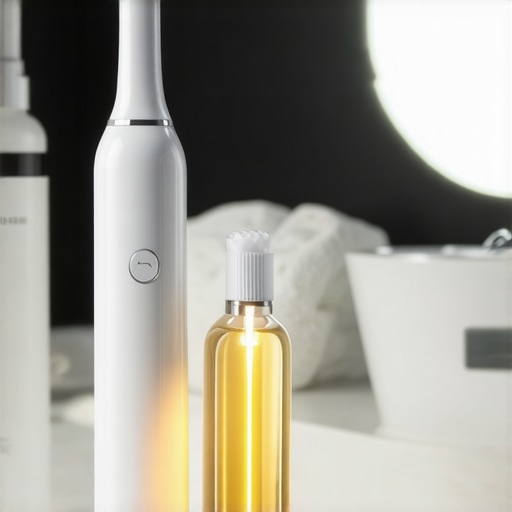 Try upgrading your routine tonight by switching to a soft-bristled brush and focusing purely on the gumline angle, and see how much better your mouth feels by tomorrow morning.
3 Myths About Modern Gum Care That Kept Me Struggling
For years, I believed that if I invested in high-end treatments, my biological responsibilities were somehow reduced. Here are the three most eye-opening truths I discovered that changed my entire outlook on oral hygiene:
- Porcelain is bulletproof, but your tissue is not: I used to think cosmetic upgrades protected my smile from neglect. The reality is that underlying bone and tissue remain completely organic and susceptible to infection.
- Bleeding is not a sign of a good scrub: Many people believe that seeing blood means they are successfully cleaning deep. In truth, it is an alarm bell of active inflammation.
- Your sleeping environment dictates your morning oral health: You can have a perfect brushing routine, but if you sleep in a dry room or breathe through your mouth, you strip away the protective saliva that keeps bacteria in check.
My Personal Toolkit for Overnight Oral Defense
To finally conquer morning bleeding and protect your long-term health, you need the right tools in your corner. Here are the specific resources and items I rely on daily:
- Built-In Pressure Sensor Toothbrushes: These devices take the guesswork out of brushing. They actively force you to stop scrubbing, which prevents tissue recession and stops you from accidentally damaging delicate areas.
- Woven Dental Floss and Water Flossers: Standard plastic-glide floss often misses sticky plaque. Switching to a thick, woven floss paired with a water flosser helps clear out debris around advanced work without slicing your gums.
- Alcohol-Free Antimicrobial Rinses: Traditional mouthwashes with alcohol dry out your mouth, exacerbating overnight issues. A soothing, alcohol-free formula keeps your mouth hydrated and balanced.
Take Control of Your Morning Smile Today
You do not have to accept morning bleeding as a permanent part of your routine. By making small, mindful changes to how you brush, floss, and care for your mouth before bed, you can protect both your natural teeth and your cosmetic dentistry. A healthy smile is built from the foundation up, and consistency is your greatest ally. To understand how advanced care continues to evolve to support your long-term health, explore the future of dental implants cutting edge techniques in cosmetic dentistry and discover how modern innovation makes maintaining your tissue health easier than ever.
Have you ever noticed your gums bleeding only in the morning, or did you realize your overnight environment was the culprit? Let me know in the comments below!