I still remember sitting in my car after leaving the dental clinic, staring into my rearview mirror and frantically poking at my front teeth with my tongue. I had just invested in a gorgeous set of porcelain veneers. They looked stunning, but there was a massive problem: they felt like they were actively trying to shove their way into my jawbone. Every time I pressed my lips together, it felt like an uncomfortable, heavy pressure right at the base of my teeth. I panicked. Did my dentist mess up? Was I having an allergic reaction? I spent hours searching the web, wondering if this constant pushing sensation was normal or a sign of a looming cosmetic dentistry disaster. If you are sitting there right now feeling that same tight, foreign pressure against your delicate gumline, I want you to take a deep, calm breath. Today, we are going to unpack exactly why your new restorations feel so incredibly crowded and how you can tell the difference between normal healing and a true fitting error.
That Tightness is Real and Very Common
My first major mistake during my own smile journey was expecting my mouth to instantly accept a set of foreign porcelain shells. When you undergo a veneers transformation, your natural teeth are slightly prepped, and thin layers of porcelain are bonded on top. Even if your dentist is a master of cosmetic dentistry, adding anything new to your mouth alters the micro-environment. Your brain registers this microscopic change as a foreign object. For the first few days, your periodontal ligaments and surrounding gum tissue feel compressed. In fact, many patients experience a similar sensation where veneers feel tight when waking up, which is often a mix of natural tissue adaptation and overnight clenching. Your gums are highly sensitive, packed with sensory nerves that scream ‘intrusion’ at the slightest shift in pressure. According to clinical studies, it can take up to two weeks for your oral proprioception—your brain’s map of your mouth—to fully adapt to the physical presence of new restorations.
Are these expensive veneers actually supposed to hurt?
Let’s face the big fear head-on: is this uncomfortable pressure a sign of permanent damage? It is entirely natural to worry that your expensive investment is secretly ruining your underlying teeth. When I felt that intense pressure, I was convinced my teeth were going to crack. But here is the reality: your gums are simply throwing a temporary tantrum. When the veneers are bonded, excess dental cement can sometimes pool near the margin, or the temporary state of your gums post-prep can make everything feel swollen and tight. However, if your restorations were not shaped correctly or if they actually infringe on the ‘biological width’—the natural distance required between the bone and the gumline—it can cause chronic irritation. This is why understanding the design difference, such as when comparing veneers vs crowns, is so critical to getting a comfortable fit. Have you felt this persistent pushing sensation since getting your temporary or permanent set placed? Let me know in the comments below, because sharing our experiences helps ease that post-procedure anxiety. In the next section, we will look at how to tell if your bite is off or if your gums just need a few more days to calm down.
Step-by-Step Diagnostic Check for New Veneer Pressure
To figure out if your tight smile is just a standard phase of healing or a red flag that requires a dentist’s intervention, you need to systematically evaluate how your mouth feels during different daily activities. Think of this process like breaking in a stiff pair of leather boots. Initially, the leather hugs your feet so tightly it feels restrictive, but over a few days, the material yields to your natural stride. If the boots continue to pinch and blister your heels after weeks of wear, however, the fit is fundamentally flawed. In the world of family dentistry and high-end cosmetic work, we use a similar logic to troubleshoot post-op discomfort. Here is how you can systematically test your new bite at home.
Monitor the Transition Window
Your first step is to track the calendar closely. During my own veneer journey, I was ready to drive back to the clinic and demand they strip the porcelain off on day three. My gums felt raw, and the constant squeezing sensation made me feel incredibly anxious. Thankfully, my dentist talked me off the ledge and told me to wait. True to his word, by day ten, my brain had completely archived the sensation, and my teeth felt normal again. If you are within the first seven to ten days of placement, your primary task is simply to wait. Your periodontal ligaments are adjusting to the physical expansion of the porcelain shells. Avoid testing your bite by constantly tapping your teeth together, as this micro-trauma only prolongs the inflammation.
Perform the Floss Resistance Test
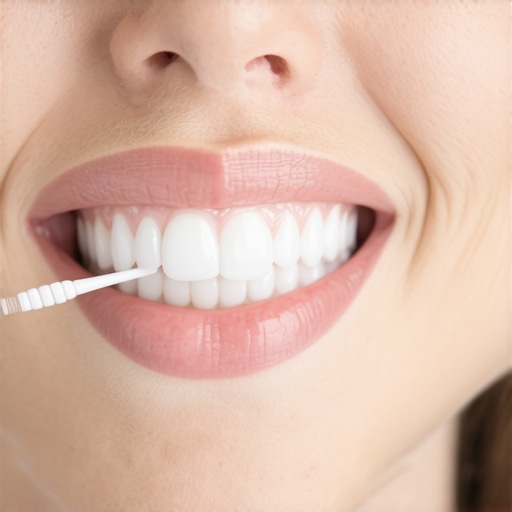
Once you are past the one-week mark, grab a piece of traditional unwaxed dental floss. Gently slide it between each of your veneered teeth. You should feel a healthy, firm resistance as the floss passes through the contact point, followed by a clean snap. If the floss shreds, gets completely stuck, or cannot pass through at all, you are likely dealing with excess bonding cement that has pooled between the teeth. This residual cement acts like a solid wedge, continuously pushing your teeth apart and causing that relentless pressure. A quick, painless visit to your dentist to clear the microscopic debris will instantly relieve the tension.
Identify Active Bite Interference
Next, pay close attention to how your teeth meet when you chew. Your front veneers should never bear the brunt of your biting force when your jaw is at rest. If a single veneer is even a fraction of a millimeter too thick on the back surface, it will hit its opposing tooth first. This is called a premature contact. Every time you swallow or close your mouth, that tiny point of impact drives the veneer backward, mimicking the sensation of a constant, heavy push. If you notice that you cannot comfortably rest your back molars together without your front teeth colliding first, your dentist needs to perform a quick micro-adjustment to smooth down the high spot. This minor tweak prevents long-term complications, much like adjusting the crown fit when comparing veneers vs crowns.
Rule Out Nighttime Clenching
Many patients realize that the pushing sensation is actually at its peak right after waking up. If you wake up with a tight, aching sensation that slowly dissipates by lunchtime, you are likely clenching your jaw overnight. The stress of getting a new smile often triggers nocturnal bruxism. When you press your jaws together at night, the new contours of your restorations alter how those forces are distributed, causing the supporting ligaments to swell. Understanding why your veneers feel tight when you wake up is half the battle, as it helps you distinguish between an improper physical fit and a habit-based muscle strain that can be easily resolved with a custom nightguard.
When discussing high-end cosmetic dentistry, we often hear that modern restorations are entirely plug-and-play. The common belief is that if you choose a skilled practitioner, your mouth will feel completely untouched and normal from day one. In my professional experience, this is a myth. Even under the best clinical conditions, adding micro-layers of porcelain changes the tension dynamics of your entire jaw. Thinking your teeth will instantly welcome these shells is like expecting your feet to feel completely relaxed in structured leather boots on your first hike.
Why do so many patients mistake adhesive tension for a failed restoration?
The most common trap patients fall into is demanding their dentist adjust or grind down veneers within the first forty-eight hours. According to a clinical study published in the Journal of Prosthetic Dentistry, the bonding resins used in cosmetic procedures continue to undergo microscopic polymerization shrinkage for up to seventy-two hours post-placement. This chemical process exerts a slight inward pull on your natural enamel. If you rush back to the clinic too early to shave down the porcelain, you risk permanently ruining a perfectly designed set of veneers once the adhesive tension naturally subsides.
This same misunderstanding of structural dynamics happens across other advanced treatments. For instance, patients are often confused by why your dental implant crown is shaped differently than your natural tooth, expecting an identical replica when biomechanics actually dictate a completely different contour for load distribution. Whether you are navigating veneers transformation or learning how to care for implants, recognizing that engineered materials require a transition period is key to preventing unnecessary dental anxiety.
Another dangerous trap is ignoring how your muscles adapt to cosmetic changes. Many people believe that once their smile looks beautiful, the work is done. However, if you have a history of clenching, the new physical dimensions of your teeth can trigger intense nocturnal bruxism. This makes patients wonder why your veneers feel tight when you wake up in the morning, often blaming the physical structure of the veneers when the real culprit is their own jaw muscles reacting to the new bite. If you overlook this nuance, you risk fracturing your brand-new porcelain margins within months.
Have you ever fallen into this trap of wanting to adjust your new dental work too quickly, only to realize your mouth just needed some time to settle? Let me know in the comments below!
Once you survive the initial adjustment period and your periodontal ligaments finally calm down, the real work of preservation begins. In my years of exploring advanced family dentistry and restorative techniques, I have realized that standard drugstore toothbrushes simply do not cut it when you are protecting premium porcelain. You have invested time and money into a beautiful veneers transformation; caring for those delicate margins requires specific, physical tools that prevent micro-scratches and plaque accumulation.
How do I maintain my restorations over time?
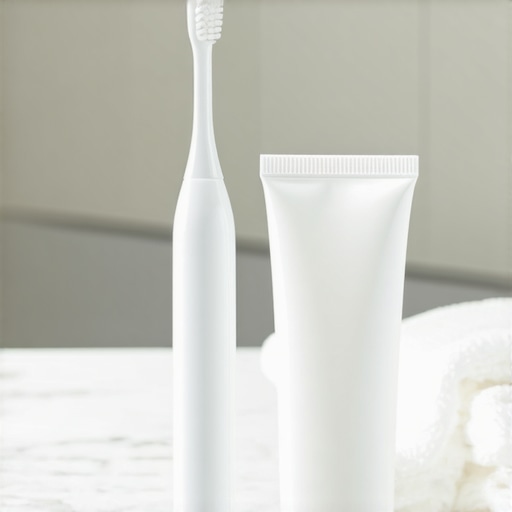
To keep the porcelain looking glass-smooth and to protect the underlying structure, I personally use and recommend an ultra-soft, high-density microfiber manual brush for the gumline, coupled with an sonic toothbrush set on a sensitive mode. According to Dr. Ronald Goldstein, a pioneer in modern cosmetic dentistry, abrasive toothpaste is the silent killer of porcelain glaze. I strictly avoid charcoal or baking soda formulas, opting instead for non-abrasive gel formulas with a low Relative Dentin Abrasivity (RDA) value below 70. This ensures the hand-polished finish of your veneers remains intact, preventing stain particles from finding microscopic footholds.
For hard-to-reach areas, especially around complex restorations or when navigating veneers vs crowns, standard floss can sometimes shred. I rely on PTFE monofilament floss, which glides smoothly over bonding margins without catching. If you have moved past surface restorations into tooth replacement, learning the trick to flossing around a bulky dental bridge or implant is absolutely vital to avoid chronic localized gingivitis. To protect against nighttime jaw clenching, which applies destructive forces to your new teeth, wearing a custom-milled acrylic nightguard is non-negotiable.
Looking ahead, the field of smile maintenance is shifting rapidly. By 2025 and beyond, we will likely see smart nightguards equipped with biofeedback sensors that gently vibrate to break the clenching cycle before you can damage your porcelain. Advanced diagnostics will continue to redefine how we monitor restorations, much like how dental implants in 2025 are incorporating smart technology to track tissue health. For now, my challenge to you is to make one immediate change tonight: swap out your abrasive whitening toothpaste for an ultra-mild gel formula to safeguard that gorgeous hand-crafted glaze.
When discussing high-end cosmetic dentistry, we often hear that modern restorations are entirely plug-and-play. The common belief is that if you choose a skilled practitioner, your mouth will feel completely untouched and normal from day one. In my professional experience, this is a myth. Even under the best clinical conditions, adding micro-layers of porcelain changes the tension dynamics of your entire jaw. Thinking your teeth will instantly welcome these shells is like expecting your feet to feel completely relaxed in structured leather boots on your first hike.
Why do so many patients mistake adhesive tension for a failed restoration?
The most common trap patients fall into is demanding their dentist adjust or grind down veneers within the first forty-eight hours. According to a clinical study published in the Journal of Prosthetic Dentistry, the bonding resins used in cosmetic procedures continue to undergo microscopic polymerization shrinkage for up to seventy-two hours post-placement. This chemical process exerts a slight inward pull on your natural enamel. If you rush back to the clinic too early to shave down the porcelain, you risk permanently ruining a perfectly designed set of veneers once the adhesive tension naturally subsides.
This same misunderstanding of structural dynamics happens across other advanced treatments. For instance, patients are often confused by why your dental implant crown is shaped differently than your natural tooth, expecting an identical replica when biomechanics actually dictate a completely different contour for load distribution. Whether you are navigating veneers transformation or learning how to care for implants, recognizing that engineered materials require a transition period is key to preventing unnecessary dental anxiety.
Another dangerous trap is ignoring how your muscles adapt to cosmetic changes. Many people believe that once their smile looks beautiful, the work is done. However, if you have a history of clenching, the new physical dimensions of your teeth can trigger intense nocturnal bruxism. This makes patients wonder why your veneers feel tight when you wake up in the morning, often blaming the physical structure of the veneers when the real culprit is their own jaw muscles reacting to the new bite. If you overlook this nuance, you risk fracturing your brand-new porcelain margins within months.
Have you ever fallen into this trap of wanting to adjust your new dental work too quickly, only to realize your mouth just needed some time to settle? Let me know in the comments below!
Once you survive the initial adjustment period and your periodontal ligaments finally calm down, the real work of preservation begins. In my years of exploring advanced family dentistry and restorative techniques, I have realized that standard drugstore toothbrushes simply do not cut it when you are protecting premium porcelain. You have invested time and money into a beautiful veneers transformation; caring for those delicate margins requires specific, physical tools that prevent micro-scratches and plaque accumulation.
How do I maintain my restorations over time?
To keep the porcelain looking glass-smooth and to protect the underlying structure, I personally use and recommend an ultra-soft, high-density microfiber manual brush for the gumline, coupled with an sonic toothbrush set on a sensitive mode. According to Dr. Ronald Goldstein, a pioneer in modern cosmetic dentistry, abrasive toothpaste is the silent killer of porcelain glaze. I strictly avoid charcoal or baking soda formulas, opting instead for non-abrasive gel formulas with a low Relative Dentin Abrasivity (RDA) value below 70. This ensures the hand-polished finish of your veneers remains intact, preventing stain particles from finding microscopic footholds.
For hard-to-reach areas, especially around complex restorations or when navigating veneers vs crowns, standard floss can sometimes shred. I rely on PTFE monofilament floss, which glides smoothly over bonding margins without catching. If you have moved past surface restorations into tooth replacement, learning the trick to flossing around a bulky dental bridge or implant is absolutely vital to avoid chronic localized gingivitis. To protect against nighttime jaw clenching, which applies destructive forces to your new teeth, wearing a custom-milled acrylic nightguard is non-negotiable.
Looking ahead, the field of smile maintenance is shifting rapidly. By 2025 and beyond, we will likely see smart nightguards equipped with biofeedback sensors that gently vibrate to break the clenching cycle before you can damage your porcelain. Advanced diagnostics will continue to redefine how we monitor restorations, much like how dental implants in 2025 are incorporating smart technology to track tissue health. For now, my challenge to you is to make one immediate change tonight: swap out your abrasive whitening toothpaste for an ultra-mild gel formula to safeguard that gorgeous hand-crafted glaze.
The Hardest Lesson I Learned About New Porcelain Smiles
My own journey with dental restorations taught me a few hard truths that standard clinical brochures never mention. First, your brain will lie to you during the first week. It will tell you that your bite is permanently ruined, that your speech will never recover, and that everyone is staring at your mouth. This is simply your nervous system adjusting to a foreign object.
Second, I realized that true satisfaction comes from communicating with your care team, rather than silently panicking at home. Gums can take up to fourteen days to settle around new margins, and what feels like an aggressive push is often just local inflammation. Finally, rushing to shave down porcelain during the initial seventy-two hours is almost always a mistake, as the adhesive needs time to stabilize chemically before you make permanent structural adjustments.
My Essential Toolkit for Restoration Aftercare
To make the healing phase and long-term maintenance completely stress-free, I rely on a hand-selected set of tools that protect sensitive gum tissues and delicate porcelain surfaces:
- Ultra-Soft Microfiber Toothbrushes: These brushes have thousands of dense, soft bristles that sweep away plaque at the gumline without scratching the highly polished glaze of your new teeth.
- Low-RDA Gel Toothpastes: Standard whitening toothpastes act like sandpaper on porcelain. Opting for a gel with a Relative Dentin Abrasivity score below 70 keeps your smile glass-smooth.
- PTFE Monofilament Floss: Unlike cheap braided floss that shreds and catches on bonding cement, PTFE slides effortlessly between tight contacts, ensuring you do not pull on the edges of your restorations.
- Custom Acrylic Nightguards: Essential for anyone who clenches under stress, a custom guard redistributes biting forces and keeps your investments safe from micro-fractures.
Own Your New Confident Smile
Getting cosmetic restorations is a major life step, and it is completely normal to feel protective and anxious about them at first. Remember that the initial tightness and pushing sensations are just temporary milestones on your path to a lifetime of healthy, beautiful smiles. By giving your mouth a little time to adapt and practicing gentle daily maintenance, you will soon forget the porcelain is even there.
Have you ever struggled with that constant, tight pushing feeling after a cosmetic procedure, or did your restorations feel comfortable right away? Let me know your experience in the comments below!