I’ll never forget the cold dread I felt staring into a 5x magnification mirror at 2:00 AM, my phone’s flashlight reflecting off a tiny, stubborn white patch on my lower gum line. Just months after finishing a major veneers transformation, I was convinced my entire investment was about to crumble. I poked it. I prodded it. I even tried to rinse it away with aggressive mouthwash, which only made it burn like fire. My mind raced through every dental horror story I’d ever heard, from failed dental implants to rare infections. It’s funny how a single millimeter of white tissue can make a grown adult feel completely helpless. Today, I am going to help you skip that 2:00 AM panic by showing you exactly how to differentiate between a simple sore and a real dental emergency.
Why that little white spot is currently ruining your day
We’ve all been there—that ‘Ouch, what is that?’ moment when your tongue finds a rough or stinging patch. It’s easy to spiral. You start wondering if you need family dentistry tips or if you’re looking at a serious medical crisis. Most of the time, it’s just your body reacting to stress, a sharp chip, or a stray piece of crusty bread. But the uncertainty is what keeps you up at night. I want to clear the air and give you the same checklist I use when my own mouth starts acting up. We are going to figure out if you can just gargle some salt water or if it’s time to contact us for a real exam. Have you ever spent an hour on Google only to end up more terrified than when you started? Drop a comment below; I promise you’re not the only one.
Is this really just a minor annoyance or something bigger?
When I was younger, I made the massive mistake of thinking all white spots were created equal. I once ignored a patch for three weeks, thinking it was a simple sore, only to find out it was actually a reaction to an old restoration that was causing my gums to look white or pale. According to the Mayo Clinic, a true aphthous ulcer (canker sore) typically heals within one to two weeks and is often round with a red border. If it lingers longer than that, or if the patch is flat and won’t scrape off, it might be leukoplakia or a fungal issue like thrush. Knowing this timeline is your best defense against unnecessary anxiety. We want to make sure your cosmetic dentistry secrets aren’t being overshadowed by a preventable health scare. It’s about being realistic: not every bump is a disaster, but every bump deserves your attention.
Perform the two-minute diagnostic check
Try the gentle swipe test first
One of the most effective ways to identify what’s happening in your mouth is as simple as using a cotton swab. Think of your gums like a delicate silk fabric; you wouldn’t scrub a stain with a wire brush. I remember when I first got my veneers transformation and saw a pale film. I panicked and grabbed my toothbrush, scrubbing until I bled—the absolute worst thing I could have done. If you see a white patch, take a clean, damp swab and gently wipe it. If the white film comes off, you might be looking at oral thrush, which is essentially a yeast overgrowth. In this case, you’ll need to learn how to get rid of the white film on your tongue naturally or with a prescription. However, if that spot doesn’t budge and feels like it’s part of the skin, it’s likely leukoplakia or a reaction to an irritant.#IMAGE_PLACE_HOLDER_B#
Assess the pain level and the shape
A harmless canker sore acts like a tiny volcano: it has a sunken center and a raised, red rim that stings like crazy when you drink orange juice. If the spot is flat, painless, and looks more like a callus on your gums, that is when you should pay closer attention. When I was monitoring how to tell if your dental implant is healing at the right speed, I realized that healthy healing tissue often looks different than we expect. Sometimes your gums look white or pale after you brush simply because of temporary pressure or a localized reaction to a new toothpaste. If the area is painless but persistent for over two weeks, it’s time to stop the DIY diagnosis. It is much better to be safe than to let a chronic irritation turn into something more complex.
Calm the irritation without making it worse
Switch to a bland diet for forty-eight hours
When your mouth is in defense mode, the last thing it needs is a chemical or physical assault. Think of an oral sore like a fresh scrape on your knee. You wouldn’t pour vinegar on it, right? Stop the spicy salsas, the crusty sourdough, and especially the alcohol-based mouthwashes. I once tried to sanitize a sore with a high-percentage alcohol rinse, and I ended up with a chemical burn that took twice as long to heal. Instead, stick to lukewarm salt water. It’s the gold standard of family dentistry tips for a reason—it’s gentle and effective. Avoid extreme temperatures too; ice cold water or boiling tea can shock the sensitive nerve endings in inflamed tissue.
Audit your hygiene habits immediately
Sometimes the emergency is actually a side effect of your routine. Are you brushing too hard? If you’ve recently upgraded your smile, you might be over-cleaning out of fear. Whether you are protecting dental implants or trying to maintain cosmetic dentistry secrets, aggression is never the answer. Check the bristles on your brush; if they are splayed out like an old broom, you’re pressing too hard and likely traumatizing the tissue, causing those white, calloused spots to form as a protective layer. Switching to an extra-soft brush for a few days can give your gums the breathing room they need to regenerate and return to their natural pink hue.A common mistake I see in family dentistry is the belief that once your veneers or implants are in, the work is over. In my experience, the ‘bio-integration’ phase is actually when most people fail their new smile. Everyone says that porcelain is invincible, but your gums are very much alive and reactive. If your restoration wasn’t designed with your ‘biological width’ in mind, your body will fight it. The mistake that makes porcelain veneers look like piano keys is more than just an ugly aesthetic; it’s a functional hazard that crowds the gum tissue, leading to that permanent white or red line of irritation. This happens when the porcelain is too thick at the gum line, preventing the natural flow of oxygen and nutrients to the tissue.
The trap of thinking implants are indestructible
We need to address the ‘hardware’ myth. Most people assume that because an implant isn’t real bone, it can’t get ‘sick.’ This is a dangerous trap that leads to complacency. While the titanium post itself won’t decay, the surrounding tissue and bone are incredibly sensitive to bacterial load. A study in the *Journal of Periodontology* suggests that nearly one-quarter of implant patients experience some level of peri-implantitis—a form of gum disease for implants—due to poor home care or improper fit. When you are monitoring how to tell if your dental implant is healing at the right speed, you are looking for a lack of inflammation and a tight seal of the gum, not just a lack of pain. Pain is often a late-stage symptom, meaning if you wait for it to hurt, you might already be losing bone.
Why does my crown feel tight after I haven’t worn my nightguard?
This advanced question often pops up months after a procedure, usually following a stressful week where sleep hygiene slipped. If you’ve invested in the future of dental implants or premium crowns, you might notice why your crown feels tight after you haven’t worn your nightguard. It happens because our teeth are in a state of ‘dynamic equilibrium,’ meaning they are constantly micro-shifting based on the pressure of our tongue and cheeks. A nightguard holds that precise position. When you skip it, the natural teeth move slightly, but the rigid porcelain of a crown or veneer doesn’t flex. This creates a pressure sensation that can even cause those white, blanched spots on the gums as the tissue is compressed.
Stop ignoring that bulky feeling against your lips
If your new veneers feel bulky against your lips, don’t just ‘get used to it’ or assume it’s just how they are supposed to feel. Over-contoured porcelain is a massive plaque magnet. It creates a ‘shelf’ where your toothbrush can’t reach, and that is exactly where those mysterious white films or localized infections start to brew.  Have you ever fallen into this trap or felt like your dental work just didn’t ‘fit’ your face right? Let me know in the comments; I’ve found that patients’ intuition is usually spot-on about these sensations. If you notice your gums look black or purple near an old crown or if a new spot won’t clear up after forty-eight hours of salt water rinses, it’s time to stop the guessing game. You should contact us for a detailed evaluation. Protecting your cosmetic dentistry secrets requires a balance of art and biology, and being aware of these nuances is your best defense against long-term complications.
If you want your dental work to outlast your car, you have to stop treating it like a ceramic plate and start treating it like a high-performance engine. I’ve seen too many people spend thousands on a veneers transformation only to let it fall apart because they thought porcelain was a hall pass from oral hygiene. The truth is, the hardware might be artificial, but the foundation—your bone and gums—is still very much susceptible to neglect.
Stop treating your smile like a ceramic plate
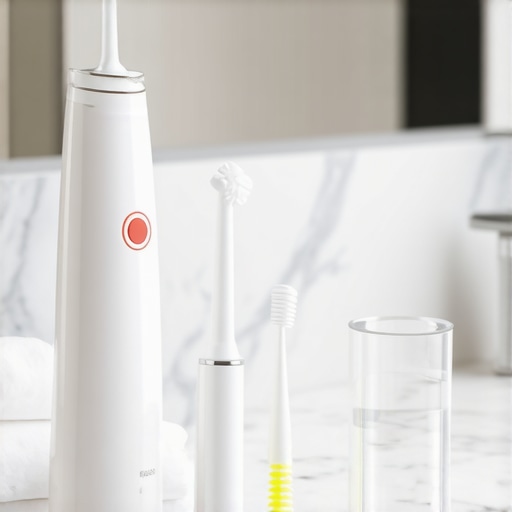
The biggest mistake I see is using the wrong tools. For instance, I personally use a Waterpik on a medium setting (never the highest!) to flush out the sulcus around my crowns. If you blast your gums with too much pressure, you risk detached tissue, which is why your gums bleed only when you use a water flosser. You want a gentle sweep, not a power wash. I also keep a stash of GUM Proxabrush interdental cleaners in my car. These are essential for the trick to flossing around a bulky dental bridge or implant because they reach the ‘impossible’ nooks where traditional floss just shreds.
How can I keep my smile investment looking new for decades?
Consistency is your only real insurance policy. Beyond the brush, you need to be clinical about your nightly routine. I use a dedicated cleaner for my nightguard because bacteria buildup on plastic can migrate back to your gums. If you don’t know the best way to clean your retainers so they dont smell, you’re basically soaking your teeth in a bacterial bath for eight hours every night. I recommend an ultrasonic cleaner with a tablet of Retainer Brite; it reaches the microscopic pores in the acrylic that a toothbrush simply can’t touch. This level of detail is one of the cosmetic dentistry secrets that keeps the porcelain bright and the breath fresh.
The gear that saves my gums every night
When it comes to implants, you have to be even more surgical. According to the Journal of Oral Implantology, using metal-tipped tools at home can create microscopic scratches on the titanium abutment, which then act as a breeding ground for biofilm. This is why I only recommend plastic-coated interdental brushes and specialized floss. You have to learn how to safely clean a dental implant without scratching the post to prevent long-term failure. I also suggest keeping an eye on your cleaning solutions; for example, learning how to clean your clear aligner cases without using harsh chemicals ensures you aren’t introducing irritants into your oral microbiome.
Predicting the future of home dental maintenance
I predict that in the next five years, we’ll move away from guessing and toward ‘AI-integrated home monitoring.’ We are already seeing the emergence of smartphone-attached intraoral cameras that allow you to send a high-res scan of your dental implants directly to your dentist for a ‘spot check.’ This will catch inflammation weeks before it becomes painful. My advanced tip for you today? Grab a high-intensity penlight and do a ‘transillumination check’ once a week. Shine the light through your teeth from the back; if you see dark shadows or new cloudy spots around the edges of your veneers, don’t wait for your six-month checkup. It’s time to reach out and stay ahead of the curve.
Lessons from the Chair That Changed My Daily Routine
Over the years, I’ve realized that your gums are the ultimate gatekeepers of your health. Even after a successful veneers transformation, your biological foundation remains the most critical factor in your comfort. One of the biggest lightbulb moments for me was learning that pain is a late-stage symptom; if you wait for it to hurt, you are often reacting to a problem that has been brewing for weeks. I also discovered that stress frequently manifests in the mouth first. Those white, blanched spots or a feeling of tightness are often your body’s way of signaling that you need to adjust your hygiene or reduce your clenching habits. Treat your mouth like an early-warning system rather than just a tool for eating.
The Daily Gear That Keeps My Smile Investment Safe
To keep your foundation strong, you need the right tools. I personally swear by a high-quality Waterpik used on a low-to-medium setting; it’s the most effective way to flush out bacteria from the sulcus without the mechanical trauma that can lead to recession. I also never skip using Retainer Brite tablets for my nightguard, which prevents the bacterial transfer that often causes chronic gum irritation. Finally, I always recommend extra-soft tapered toothbrushes. These are essential for gently cleaning the delicate margin where your porcelain meets your natural tissue, ensuring you don’t accidentally create the calloused white tissue we discussed earlier. These simple family dentistry tips are the difference between a smile that lasts five years and one that lasts twenty.
Your Journey to a Fear-Free Smile Starts Now
You have already taken the most important step by educating yourself on the nuances of oral health. Protecting your cosmetic dentistry secrets isn’t about perfection; it’s about the small, consistent daily wins that keep your tissues vibrant and resilient. Don’t let a tiny white spot or a bit of temporary sensitivity ruin your week. Trust your intuition, use the diagnostic steps we’ve covered, and remember that professional support is always available. If you have a spot that hasn’t cleared up after 48 hours of gentle care, please contact us so we can provide the peace of mind you deserve. Your smile is a high-performance asset—treat it with the respect it deserves. Have you ever spotted a weird white patch and spent the night on Google? Tell me your story in the comments below.