I woke up last Tuesday with a sensation I can only describe as “tooth claustrophobia.” You know that feeling when you try to squeeze into a pair of jeans that fit perfectly a month ago, but today they’re staging a protest? That was my upper left molar. I’d spent the last few nights without my nightguard—convinced that a “little break” wouldn’t hurt anyone—and boy, was I wrong. My expensive porcelain crown felt like it was being squeezed by a tiny, invisible vice. It wasn’t just annoying; it was a visceral realization that my mouth is a lot more dynamic than I ever wanted to admit. I’ve been there, and I know the panic that sets in when you think your cosmetic dentistry investment is failing or that you’ve somehow warped a permanent fixture in your mouth. But here’s the good news: you probably haven’t ruined anything yet. Today, we’re going to talk about exactly why that tightness happens, why skipping even a few nights of protection causes havoc, and how to get things back to normal without a frantic emergency appointment. Have you ever skipped a few nights and felt that weird, localized pressure the next morning? Let me know, because I felt like I was the only one until I started digging into the mechanics of it.
The Morning My Tooth Felt Two Sizes Too Small
When I first got my crown, I made the classic rookie mistake of thinking it was a “set it and forget it” situation. I treated it like a piece of indestructible armor. What I didn’t realize is that our teeth are essentially in a slow-motion dance. They are constantly shifting, even if it’s just by fractions of a millimeter. When you wear a nightguard, you aren’t just protecting the porcelain from grinding; you are essentially acting as a nightly anchor for your entire bite. Without it, the pressure from clenching forces those teeth to migrate. If you’ve ever wondered why your dental implant crown feels tighter than the others, it usually comes down to this same lack of stability. I ignored my guard because I was tired of the cleaning routine, but I didn’t yet know how to remove the smell from a plastic night guard at home easily, so I just left it on the nightstand. That was my first big mistake.
Is a little bit of tightness actually worth the worry?
You might be tempted to think, “It’s just a little snug, it’ll go away by lunch.” Sometimes it does, but that “tight” feeling is a loud symptom of micro-movements. According to the American Dental Association, bruxism (teeth grinding) can apply up to 250 pounds of force per square inch, which is more than enough to shove a crown slightly out of its ideal alignment overnight. This is the same reason why it is so critical to stop your teeth from shifting after any major dental work. When that crown feels tight, it’s because the surrounding teeth have closed in on the space, or the crown itself has been hammered deeper into the ligament by the sheer force of your jaw.
Your Teeth are Moving More Than You Think
It’s easy to forget that teeth aren’t fused to our jawbones like nails in a plank of wood. They sit in a socket held by ligaments, which means they have a tiny bit of “give.” When you stop wearing your guard, you lose the barrier that keeps your top and bottom teeth from interlacing and pushing against each other. For me, that meant my molars started leaning into the space occupied by my crown. It’s a subtle change, but your brain is incredibly good at sensing even a hair-width difference in your bite. This realization changed how I viewed my family dentistry appointments; it’s not just about cavities, it’s about maintaining the architecture of your smile.
Stop the Shift Before It Becomes Permanent
To fix that tight sensation, you have to understand that your teeth have already begun their journey toward a new, albeit incorrect, position. The moment I realized my crown was under pressure, I wanted to jam my night guard in and force everything back. Don’t do that. Instead, start by gently cleaning your appliance. If you have been avoiding it because of the scent, learning how to remove the smell from your plastic night guard at home is step number one. A clean guard ensures no debris is interfering with the fit. Once it is ready, try wearing it for just 15 to 30 minutes while you are awake. This applies a controlled, steady pressure that tells the periodontal ligaments to move back without the sudden trauma of a full night of clenching. It is the same principle used when people try to stop your teeth from shifting after orthodontic work; consistency beats brute force every single time.
Test the Fit Without Forcing the Issue
I remember a specific trip to the mountains where I forgot my guard for three nights. When I got home, the guard wouldn’t even seat properly over my crown. I felt a surge of panic, thinking I’d need a whole new cosmetic dentistry overhaul. I tried to bite it into place—a move that left me with a dull ache for twelve hours. The better way is to use your fingers to gently guide the guard. If it doesn’t click into place with light pressure, your teeth have moved too far for a DIY fix. This is especially common if you find why your dental implant crown feels tighter than the others, as implants don’t have the same ‘give’ as natural roots. 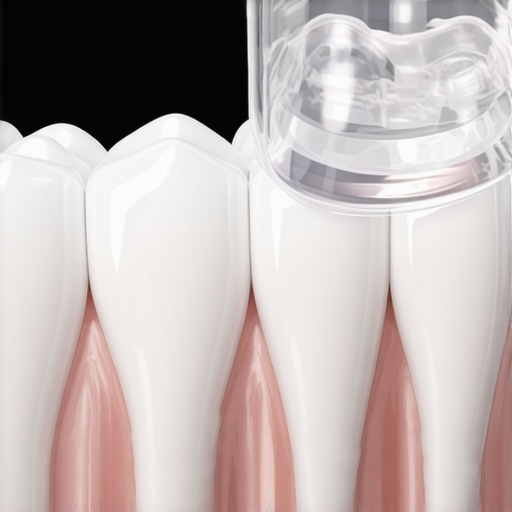
Soothe the Ligaments Instead of Fighting Them
If the guard fits but feels like a vice, your goal is to manage the inflammation in the jaw. Use a warm compress on your masseter muscles (the ones right by your ears) for ten minutes before putting the guard in. This relaxes the muscles and prevents them from fighting against the guard. I found that a simple salt-water rinse also helps if the gums around the crown feel slightly puffy. If you’ve recently had work done, you might even notice a metallic taste after a new dental crown, which can be exacerbated by the pressure of a tight guard. Keep the area clean and focus on reducing the ‘bite force’ your jaw naturally wants to apply.
Know When Your Bite Needs a Pro Touch
Sometimes the tightness isn’t just about shifting; it’s about a change in the bite alignment. If you put your guard back in and your opposite side suddenly feels like it’s hitting first, you might have created a ‘high spot.’ I ignored this once and ended up with a headache that lasted three days. This is often why a smile looks asymmetrical after dental work—the balance is off. If the tightness doesn’t resolve after two nights of consistent wear, it’s time to see your dentist. They can do a quick ‘occlusal adjustment,’ which is basically just shaving down a microscopic amount of the crown to ensure your bite is perfectly level again. This is a standard part of family dentistry care and takes less than ten minutes.
When we talk about the longevity of dental work, most people assume that as long as they brush and floss, their investment is safe. But here is the contrarian truth: your biological teeth are far more ‘intelligent’ than any porcelain or titanium replacement. This intelligence comes from the periodontal ligament (PDL), a complex network of fibers that acts as a sensory organ. When you bite into something too hard, the PDL sends an immediate signal to your brain to stop. However, when you opt for dental implants, you lose that sensory feedback loop. A study published in the Journal of Oral Rehabilitation notes that dental implants have a significantly higher tactile threshold, meaning you can easily over-stress an implant-supported crown without even feeling it until the screw looses or the porcelain chips.
Why Your Dental Implant Lacks a Sense of Touch
This lack of proprioception is the hidden nuance that most patients don’t consider when they are comparing veneers vs crowns or implants. Because an implant is fused directly to the bone, it doesn’t ‘give’ or ‘warn’ you like a natural tooth. This makes your night guard even more essential than it was for your original teeth. It is not just about protecting the surface; it is about protecting the bone-to-metal interface from vertical forces that your brain can no longer accurately measure. If you’ve been skipping your protection because you think your ‘new tooth’ is indestructible, you are falling into the most common trap in modern family dentistry. Your jaw muscles still have the same strength, but the ‘off switch’ provided by the natural root is gone.
Can You Truly Replicate the Translucency of a Natural Smile?
Another major misconception involves the aesthetics of a veneers transformation. Most people walk into a clinic asking for the ‘whitest white’ possible, which is often the quickest way to end up with a smile that looks artificial. The real expertise lies in understanding ‘value’ and ‘chroma’ rather than just brightness. If your dentist doesn’t account for the natural translucency at the incisal edge, you end up with the dreaded mistake that makes porcelain veneers look like piano keys. Real teeth have depth; they are not opaque blocks of ceramic. Achieving that depth requires a sophisticated understanding of light reflection that goes far beyond basic cosmetic dentistry basics.
The Dangerous Trap of Natural Whitening Hacks
In my years of exploring dental health, I have seen a rise in ‘natural’ whitening trends that actually destroy high-end restorative work. Many people think that because a method is fruit-based, it is safe. For instance, the truth about using strawberry paste is that the malic acid can etch the microscopic glaze off your porcelain crowns or veneers. Once that glaze is gone, the porcelain becomes porous and will actually stain much faster than your natural enamel. It is a catch-22: you try to whiten your teeth naturally and end up permanently dulling your most expensive dental work. Always stick to professional-grade maintenance to ensure the integrity of the porcelain remains intact. Have you ever fallen into this trap or tried a ‘natural’ hack that backfired? Let me know in the comments, and let’s discuss the better alternatives for keeping that shine. Consistency in professional care always beats a weekend DIY project.
Beyond just avoiding the DIY whitening traps, the real secret to making high-end dental work last for decades is the toolkit you keep in your bathroom cabinet. I used to think a standard toothbrush was enough, but once I transitioned to cosmetic dentistry, my approach had to evolve. If you’ve ever noticed why your gums bleed only when you use a water flosser, it is usually because the pressurized water is finally reaching the stagnant bacteria that your manual brush missed. I personally swear by the Waterpik Aquarius because of its ten pressure settings. For anyone with dental implants or complex bridgework, I start on setting three. It is gentle enough not to disrupt the seal but powerful enough to flush out the debris that naturally accumulates around the restoration base.
The Gear That Actually Keeps My Smile Intact
I’ve found that using the right tools isn’t just about hygiene; it’s about mechanical preservation. For instance, if you have a permanent wire, you need to know how to clean under a permanent retainer without breaking it. I use Platypus flossers specifically designed for this because they slide behind the wire without pulling on the bonding agent. When you are dealing with a veneers transformation, the margin where the porcelain meets your gum is the most vulnerable spot. If you aren’t meticulous, that’s where recurrent decay starts. I also recommend a high-quality electric toothbrush with a pressure sensor. I used to scrub my teeth like I was cleaning a grout line, but that’s the fastest way to cause gum recession around your new investment.
How do I maintain my dental implants and veneers over time?
Consistency is the only metric that matters. Every night, I follow a ‘triple threat’ routine: water flossing, followed by gentle manual flossing, and finishing with a non-abrasive fluoride rinse. According to a study in Clinical Oral Implants Research, the long-term success of restorations is 90% dependent on the control of the ‘peri-implant biofilm.’ This is why you must learn how to safely clean a dental implant without scratching the post. Scratches on the abutment or the post provide a ‘hotel’ for bacteria to grow, which eventually leads to bone loss. 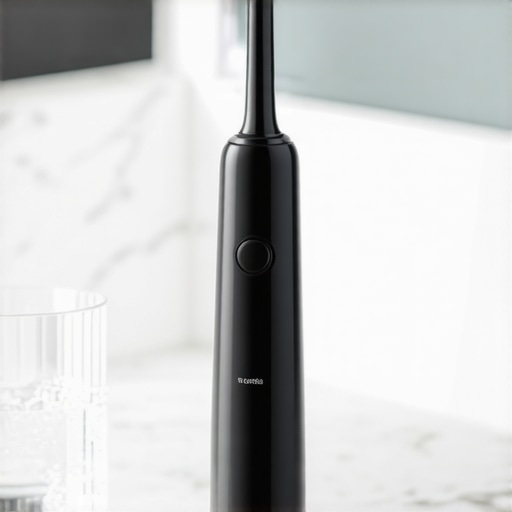
What’s Next for the High-Tech Smile?
Looking ahead, I predict that the future of dental implants will move toward ‘smart’ restorations. We are already seeing dental implants 2025 innovations like pH-sensing coatings that can alert your dentist via a smartphone app if there is a sign of infection before you even feel pain. This level of preventative care is going to redefine family dentistry, making the ’emergency appointment’ a thing of the past. To keep your results perfect, I suggest following expert tips for perfect results, which always include a professional check-up every six months to verify the ‘occlusal balance’—basically, making sure your teeth still hit at the same time. If you haven’t yet, try switching to a water flosser on a low-pressure setting tonight to see exactly what your manual brush has been leaving behind.
What Nobody Tells You About Life With Porcelain
My biggest “aha” moment was realizing that dental work isn’t static. Even the most advanced cosmetic dentistry secrets won’t save a smile if you don’t respect the underlying architecture of your jaw. It took me a long time to understand that a night guard isn’t just a suggestion; it’s a structural necessity that prevents your teeth from attempting to reclaim their old, crooked positions. Another lesson? Don’t wait for throbbing pain to check your alignment. If your bite feels even slightly off, it’s your body’s way of signaling that the balance of force has shifted. Lastly, I’ve learned that “natural” whitening hacks can be the enemy of longevity; professional guidance is the only way to protect the delicate glaze of expensive porcelain work.
The Small Toolkit That Saved My Smile
I keep my maintenance routine simple but incredibly precise. I personally recommend a high-quality water flosser for anyone with complex restorative work; it is a total game changer for reaching the bacteria that traditional floss ignores. If you are still weighing the pros and cons of veneers vs crowns, know that while the procedures differ, the maintenance routine requires the same level of commitment. My essential toolkit includes a soft-bristled electric brush with a built-in pressure sensor to prevent gum recession. I also suggest using a dedicated effervescent cleaner for your night guard to keep it fresh and clear, ensuring you actually want to wear it every single night. #IMAGE_PLACEHOLDER_E#
Investing in the Next Ten Years of Your Smile
Your smile is a massive investment in your confidence and your long-term health. By staying consistent with proven family dentistry tips and keeping an eye on dental implants 2025 innovations, you aren’t just fixing a current aesthetic issue; you are building a foundation for decades of functional health. If you follow these expert tips for perfect results, that dreaded “tight” sensation will become a rare memory rather than a stressful morning ritual. Taking ten minutes tonight for proper maintenance can save you ten hours in the dental chair later. Have you ever experienced that weird tightness after forgetting your night guard for a weekend? Share your story in the comments below!