I remember sitting on my bathroom counter, phone flashlight in one hand and a dental mirror in the other, squinting at my lateral incisors like I was trying to solve a cold case. It had been three months since I got my braces, and to my untrained eye, absolutely nothing had changed. I felt like a fraud. I was spending my hard-earned money, skipping popcorn, and dealing with a sharp wire poking my cheek every other day, but the ‘perfect smile’ felt like a mirage. I even made the rookie mistake of thinking that if it didn’t hurt, it wasn’t working. I actually stopped wearing my elastics for a few days because I was frustrated—a move that, surprise surprise, only added more time to my treatment plan. We’ve all been there, wondering if the investment is actually paying off or if we’re just stuck in a holding pattern. Today, I want to show you exactly how to spot those tiny, hidden victories so you can stop stressing and start trusting the process.
Look for the Subtle Shifts That Happen Between Appointments
The problem with looking at your teeth every single day is that you become blind to the micro-movements. It’s like watching a tree grow; you won’t see it happen in real-time, but suddenly, the view is different. One of the first signs things are moving is actually the feeling of your bite changing. You might notice that your molars don’t meet quite the same way when you chew, or you might find yourself needing to learn how to handle a snapped rubber band at work because your jaw alignment is finally shifting. When I was in the thick of it, I realized things were working when I could suddenly floss between two teeth that used to be tightly overlapped. That ‘floss test’ is a game changer for your confidence. If you’re feeling a bit overwhelmed, remember that even a sore mouth after getting your braces tightened is actually a biological signal that your periodontal ligaments are stretching and the bone is remodeling.
Why do my teeth feel looser than they used to?
This is the big one that scares everyone. You’re eating a sandwich, and suddenly, a front tooth feels like it has a tiny bit of ‘give.’ Your brain immediately goes to: ‘My teeth are falling out!’ Take a deep breath—they aren’t. In fact, for a tooth to move, the bone around it has to soften slightly. According to the American Association of Orthodontists, this ‘mobility’ is a completely normal part of the process where bone is resorbed and then rebuilt to support the new position. I remember panicking about this and calling my ortho in tears. He laughed kindly and told me that a ‘wobbly’ tooth is a tooth on the move. However, there is a fine line between healthy progress and moving too quickly. You should always keep an eye on how fast your orthodontic treatment is moving to ensure your roots stay healthy and stable. Have you ever had that moment where you were convinced your braces were just ‘stuck’ and doing nothing?I certainly did, and it drove me crazy until I realized I was measuring my progress all wrong.
Document Your Progress Like a Forensic Specialist
To truly see the change, you need to stop relying on your memory because it is the most unreliable tool in your kit. Instead, take a high-resolution photo every Sunday night after you brush your teeth. Stand in the exact same spot, under the same lighting, and use your fingers to pull your cheeks back so the molar-to-molar view is crystal clear. I didn’t do this for the first two months, and it was a massive mistake that led to unnecessary anxiety. When I finally started, I compared month three to month six and was stunned; the gap I thought was ‘stuck’ had actually closed by nearly two millimeters. This type of documentation is one of the biggest cosmetic dentistry secrets to boost your confidence because it provides objective proof that your hard work is paying off. Look specifically for ‘incisal edges’ and how they align with your lower lip—this is where the most dramatic visual shifts often occur. If you are already looking ahead to the finish line, noticing the reason your veneers look different in sunlight versus indoors can help you plan your final aesthetic goals while your alignment is still being perfected. 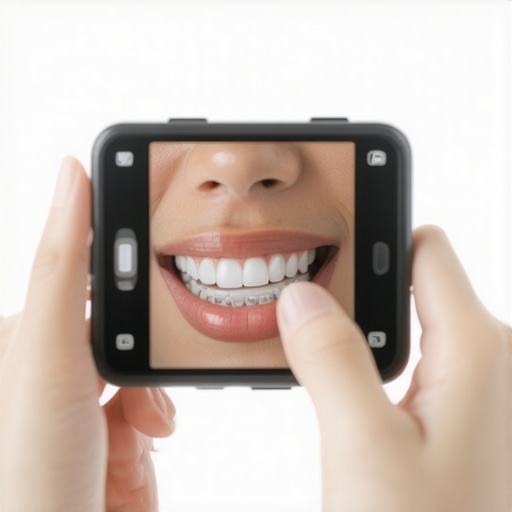
Why Inflammation is the Enemy of Fast Results
Your teeth move through a complex biological process called bone remodeling. Think of your gums like the soil and your teeth like fence posts you are trying to relocate. If the soil is hard, frozen, or filled with debris (which in this case is inflammation), those posts are not going anywhere regardless of how hard you pull. This is why family dentistry tips for a lifetime of healthy smiles always emphasize the importance of meticulous flossing even when it feels like a chore. If your gums are puffy or red, the biological signaling required to move teeth safely gets muffled by the body’s immune response. I learned this the hard way during a particularly busy month when I slacked on my cleaning routine; my orthodontist told me my progress had stalled simply because my gum tissue was too irritated to allow for healthy bone resorption. If you find yourself wondering why your gums bleed only when you use a water flosser, it is usually a sign that bacteria are hiding in the tight spaces created by your hardware, triggering a localized inflammatory response. Clean, healthy pink gums equal faster, more efficient tooth movement.
Master the Art of the Appliance Routine
If your orthodontist gave you elastics or rubber bands, they are not ‘suggestions’—they are the actual engine of the entire operation. Braces are great for straightening the teeth themselves, but elastics are what fix the bite and jaw alignment. Skipping them is like trying to drive a car with the parking brake on; you might move a little, but you are burning out the engine and going nowhere fast. I used to keep a bag of elastics in my car, my gym bag, and even taped to my nightstand because I realized that even two hours of ‘off’ time allowed my teeth to start drifting back to their old, comfortable positions. This constant ‘tug-of-war’ only extends your time in the chair. This same level of discipline is exactly what you will need later when learning how to stop your teeth from shifting after your braces come off. Maintaining consistency now prevents a ‘smelly’ or frustrating situation later, much like the reason your orthodontic retainer smells bad despite daily rinsing if you do not stay on top of your hygiene habits. Treat your elastics like a second job, and you will likely find yourself at the finish line weeks or even months earlier than your original estimate.Once your braces come off, you might think the hard part is over, but for many, this is where the world of advanced cosmetic dentistry truly begins. A common myth I see circulating is that cosmetic procedures like veneers are just ‘sticker-like’ covers that hide any flaw. In reality, your biology dictates the success of these upgrades far more than the porcelain itself. If you rush into aesthetics without considering how your teeth actually function, you fall into the trap of the ‘piano key’ look—teeth that are too white, too flat, and entirely unnatural. This is often the mistake that makes porcelain veneers look like piano keys because the dentist didn’t account for the unique way your jaw moves.
Stop Chasing Trends Before Your Bite is Ready
Most people believe that if they want a Hollywood smile, they should just get veneers and call it a day. However, placing high-end porcelain on a misaligned bite is a recipe for expensive disaster. I’ve seen cases where patients spent thousands only for their veneers to chip within months because their teeth were still hitting at the wrong angles. You have to decide between veneers vs crowns: choosing the best option for your smile based on the structural integrity of what’s underneath, not just the visual outcome. Furthermore, if you notice the reason your porcelain veneers look opaque and fake, it is usually because the tooth preparation didn’t allow for enough light translucency. According to a study published in the International Journal of Periodontics & Restorative Dentistry, the long-term success of these restorations is significantly higher when periodontal health is prioritized over the speed of the procedure. 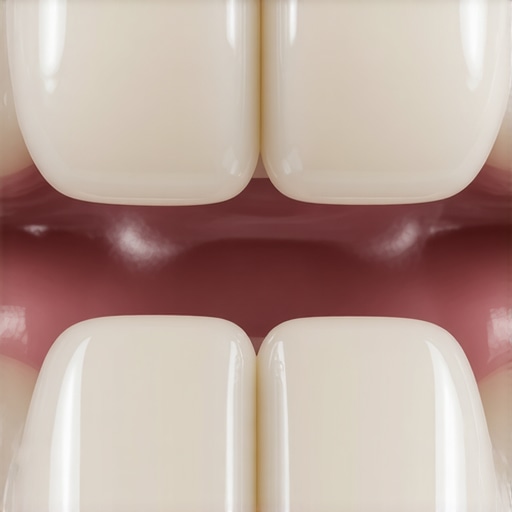
Why do my new veneers feel bulky against my lips?
This is a sophisticated question that many high-end cosmetic patients face during the first few weeks of their transformation. If you find yourself wondering why your new veneers feel bulky against your lips, it is often due to the change in the ‘labial profile’ of your teeth. Even a fraction of a millimeter can feel like a mountain to your tongue and lips. This sensation usually fades as your brain undergoes neuroplasticity, essentially ‘rewiring’ its map of your mouth, but if it persists, it could mean the veneers were over-contoured.
The Invisible Foundation of a Lasting Dental Implant
When we talk about tooth replacement, many assume that a dental implant is a ‘set it and forget it’ solution. This is a dangerous oversimplification. The real magic happens in the bone, and how dental implants reshape your oral health in 2025 is through a process called osseointegration. If the bone density isn’t there, the implant won’t hold. I’ve talked to people who were terrified because their dental implant feels heavy in their jaw bone shortly after surgery. While some sensation is normal as the titanium fuses, you must be vigilant for the red flags that your dental implant is being rejected, such as persistent throbbing or a ‘wiggling’ sensation in the crown. Have you ever fallen into the trap of prioritizing speed over structural health? Let me know in the comments. Digging deeper into the mechanics of your smile is the only way to ensure your investment lasts decades rather than years.I spent years thinking that once the braces were off or the crown was seated, I was ‘done.’ That mindset cost me a minor relapse in my lower teeth. To keep everything working, I eventually invested in a high-quality ultrasonic cleaner. If you have ever wondered about the reason your orthodontic retainer smells bad despite daily rinsing, it is usually because manual scrubbing cannot reach the microscopic pores in the acrylic. An ultrasonic cleaner uses cavitation bubbles to blast away biofilm without scratching the surface. It is the same logic behind how to safely clean a dental implant without scratching the post—you want to avoid abrasive tools that create micro-grooves where bacteria can thrive. 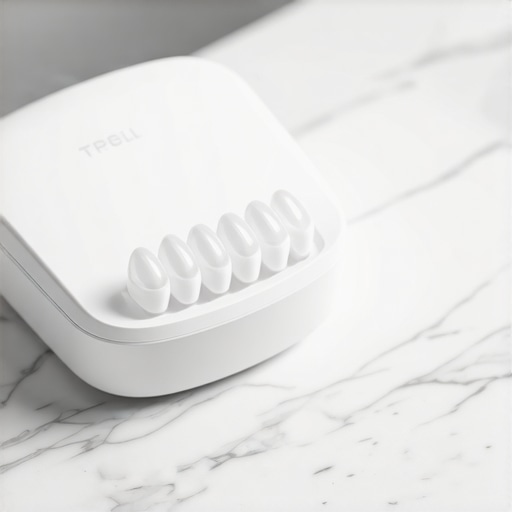
How do I maintain my smile’s alignment over the next decade?
The answer is boring but non-negotiable: retention. Your teeth have a memory, and they are constantly trying to return to their ‘natural’ state. I personally use a combination of a permanent lingual wire and a removable night guard. If you skip even a few nights, you will quickly need to learn how to stop your teeth from shifting after your braces come off. For those with implants or veneers, the focus shifts to gum health. While many swear by traditional floss, I have found that a water flosser on a medium setting is the only way I can consistently reach the tight spaces around my hardware. Do not be alarmed if you see why your gums bleed only when you use a water flosser at first; it is usually just a sign that the tool is finally reaching the localized inflammation you have been ignoring. This habit is one of the most effective cosmetic dentistry secrets to boost your confidence because healthy gums frame your teeth perfectly. Beyond the tools, you must consider the chemistry of what you put in your mouth. According to a clinical review in the Journal of Oral Implantology, patients who utilized a standardized maintenance protocol involving non-abrasive prophylaxis had a 95% higher success rate in preventing peri-implantitis over a five-year period. This means staying away from DIY ‘hacks’ that circulate on social media. For example, the danger of using baking soda to whiten your teeth at home is that it can act like sandpaper on your expensive porcelain, stripping away the glaze that prevents staining. If you want to keep things bright, focus on how to keep your teeth white while drinking black coffee daily without compromising the integrity of your enamel. Looking ahead to 2026 and beyond, I predict we will see the rise of ‘smart’ retainers equipped with micro-sensors that sync to your phone, alerting you if your teeth are exerting pressure that indicates a shift is starting. We are moving away from reactive dentistry and into an era of real-time monitoring. For now, your best bet is following the core family dentistry tips for a lifetime of healthy smiles: clean hardware, healthy gums, and zero shortcuts. My challenge to you? Order an ultrasonic cleaner tonight—it is the single best investment you will make for the longevity of your oral health.
Hard Truths About Maintaining Your Investment
If there is one thing I have learned through my own dental journey, it is that your teeth have a relentless memory. They spent decades in one position, and they are in no rush to settle permanently into their new ones. You must accept that retention is a lifetime commitment, not a six-month phase. I also realized that while we focus on the white part of the tooth, the real victory is in the pink tissue. Healthy gums are the scaffolding for every veneers transformation you might undergo. Finally, never underestimate the power of your bite; if things feel ‘off’ during a meal, don’t wait for your next check-up. Addressing a slight misalignment now prevents the need for a full dental implants procedure down the road.
The Gear Every Smile Success Story Needs
To keep your results looking pristine, you need more than just a standard toothbrush. I swear by an ultrasonic cleaner to keep hardware fresh; it is the only way to avoid the reason your orthodontic retainer smells bad despite daily rinsing. Next, a water flosser is non-negotiable for anyone with permanent wires or crowns. If you’re wondering why your gums bleed only when you use a water flosser, keep at it—it means you are finally reaching the areas that matter. Lastly, always keep a high-quality, non-abrasive whitening gel on hand for touch-ups, but avoid the danger of using baking soda to whiten your teeth because it can scratch your beautiful new porcelain. #IMAGE_PLACE_HOLDER_E#
Believe in the Power of a Patient Plan
Transitioning from dental anxiety to a confident, healthy smile doesn’t happen overnight, but the emotional payoff is worth every appointment. Whether you are currently tracking micro-movements in your braces or recovering from surgery, trust that your body is doing the heavy lifting behind the scenes. Implementing these cosmetic dentistry secrets to boost your confidence will ensure that when you finally see that reflection you’ve been dreaming of, it stays that way for decades. Keep your eyes on the goal and remember that a lifetime of healthy smiles is built one day of consistency at a time. Have you ever felt like your dental progress hit a plateau? Let me know in the comments!