I remember waking up one Tuesday morning, popping my retainer out, and being hit with a scent so pungent it rivaled my dog’s breath after he finds a ‘treat’ in the yard. I was brushing it every day, so why did it smell like a science experiment gone wrong? I felt embarrassed and, honestly, a little grossed out. I was doing everything I thought was right—rinsing it under cold water, occasionally scrubbing it with my toothbrush—yet the funk remained. It’s a dirty little secret many of us share after our braces come off. We work so hard to learn how to stop your teeth from shifting after your braces come off, but nobody really tells you that your retainer can become a breeding ground for bacteria if you aren’t careful. Today, I’m going to share the exact routine that saved my nose (and my social life), moving beyond basic rinsing to real deep-cleaning techniques. I’m talking about getting rid of that yellow crust and the ‘morning breath’ smell for good.
Stop Rinsing and Start Sanitizing to Kill the Odor
When I first noticed the smell, I made a classic rookie mistake: I scrubbed my retainer with whitening toothpaste. I thought, ‘If it’s good for my teeth, it’s good for my plastic, right?’ Wrong. I ended up creating microscopic scratches that actually trapped more bacteria, which is a major reason your orthodontic retainer smells bad despite daily rinsing. It’s incredibly frustrating when you try to be hygienic and it backfires on you. According to the American Association of Orthodontists (AAO), plaque can accumulate on orthodontic appliances just as easily as on teeth, forming a stubborn biofilm that acts like a shield for smelly germs. You can’t just wish that away with lukewarm water and a prayer. To get your smile back to its freshest state, you need to master how to clean your clear aligners so they stay clear and odor-free. We’re going to dive into the safe, non-abrasive methods that actually dissolve that biofilm without warping the plastic or breaking the bank. You might even notice that your mouth feels cleaner overall once you stop reintroducing a dirty tray into your system every single night. Have you ever wondered why your teeth feel fuzzy only hours after cleaning them? Often, a neglected retainer is the culprit reintroducing millions of bacteria back to your enamel.
Do These DIY Methods Actually Damage Your Expensive Retainer?
Many people fear that anything stronger than tap water will melt their expensive investment. It’s a valid concern! I once heard a horror story about someone using boiling water to ‘sterilize’ their tray—don’t ever do that unless you want a melted piece of modern art instead of an orthodontic tool. Have you ever felt like no matter how much you scrub, that funky scent just clings to the plastic like it’s part of the material? I’d love to hear your ‘stinky retainer’ stories in the comments so we can tackle them together. We are going to break down which household items are safe and which are total ‘retainer killers’ so you can breathe easy again. Whether you are dealing with a standard Hawley or trying to remove the smell from your plastic night guard at home, the principles of keeping that plastic pristine are the same. Let’s get into the step-by-step process I use every week to keep things smelling like nothing at all.
Build a Routine That Actually Works
To get your retainer truly clean, you have to treat it like a delicate piece of machinery. Think of the biofilm on your retainer like the plaque on a tooth; it is a sticky, invisible film that hardens over time. If you do not mechanically remove it, no amount of soaking will reach the bacteria hiding underneath. I use a dedicated soft-bristled toothbrush—not the one I use for my teeth—and a tiny drop of non-abrasive liquid dish soap. You want to avoid the tiny abrasives found in toothpaste because they act like sandpaper on plastic. This is similar to how to safely clean a dental implant without scratching the post; once you create a scratch, you have basically built a luxury hotel for bacteria.
The Vinegar Soak That Kills the Funk
Once the surface debris is gone, it is time for the deep sanitization. This is where most people fail. I swear by a 1:1 mixture of white distilled vinegar and lukewarm water. I remember the first time I tried this; I was terrified my retainer would taste like a salad for eternity. But after a 15-minute soak and a thorough rinse, the cloudiness was gone and the smell had vanished. Vinegar is a natural disinfectant that breaks down mineral deposits (that white crusty stuff). If you are dealing with discoloration, learning how to safely clean a stained clear aligner at home follows this same logic. Just do not leave it in for hours, or the acid might start to degrade the material. 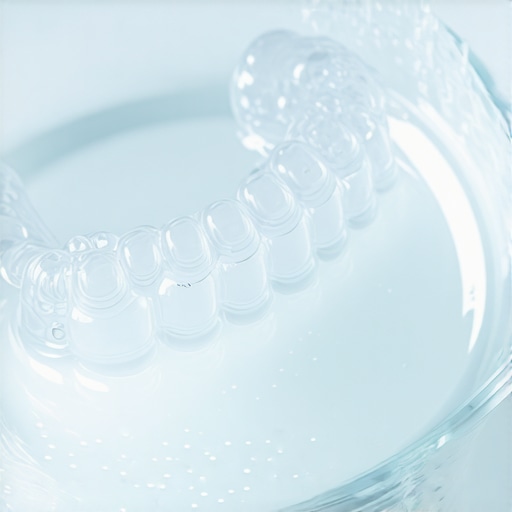
Avoid the Mouthwash Trap
It is so tempting to just throw your retainer into a cup of mouthwash. I did this once before a big date, thinking I would have the freshest breath possible. Instead, the alcohol in the mouthwash dried out the plastic, making it brittle, and the artificial blue dye actually tinted my retainer. It looked like I had been eating blue popsicles all morning! Beyond the aesthetic disaster, alcohol-based rinses do not actually solve the root cause of the odor. If you find that why your breath smells bad even after using expensive mouthwash is a recurring issue, it is likely because the bacteria are embedded in your dental appliances, not just sitting on your tongue. Keeping these tools clean is one of the essential family dentistry tips for a lifetime of healthy smiles.
Castile Soap for a Gentle Daily Clean
If vinegar is too intense for your nose, baby-grade castile soap is a fantastic alternative. It is incredibly gentle but effective at breaking down the oils from your saliva. I started using a peppermint-scented castile soap, and it was a total game-changer for my morning routine. You just need a tiny drop and some cool water. Always avoid hot water, as the heat can warp the plastic, changing the fit. If you end up damaging your alignment significantly, you might find yourself looking at more expensive fixes like veneers transformation unlocking your best smile yet to restore your confidence. Consistent, gentle care is the secret to making these expensive pieces of plastic last for years instead of months.The transition from daily retainer care to managing high-end cosmetic work is smaller than you think. While a stinky retainer is an annoyance, neglecting the nuances of permanent work can be a five-figure mistake. Most people believe that because porcelain does not decay, they can slack off on their hygiene. I have seen this lead to the dark gum line phenomenon, which ruins even the most expensive transform your smile with veneers expert tips for perfect results. The common myth is that veneers are a set it and forget it solution, but the reality is that the margin where the porcelain meets your natural tooth is a high-risk zone for plaque. One major oops factor involves how people choose their shade. Everyone wants Hollywood White, but choosing a shade with zero translucency is the mistake that makes porcelain veneers look like piano keys. It looks flat and artificial. Expert sources, including the American Academy of Cosmetic Dentistry (AACD), emphasize that natural teeth have varying levels of opacity; ignoring this detail makes your dental work stand out for the wrong reasons. Have you ever fallen into this trap? Let me know in the comments.
Will Your New Smile Look Different When You Step Outside?
Yes, and this is a nuance most people ignore until they have already left the office. Metamerism is the phenomenon where a material changes color under different light sources. This is exactly the reason your veneers look different in sunlight versus indoors. If your dentist only checks the shade under fluorescent office lights, you might find your smile looks chalky at a summer barbecue. 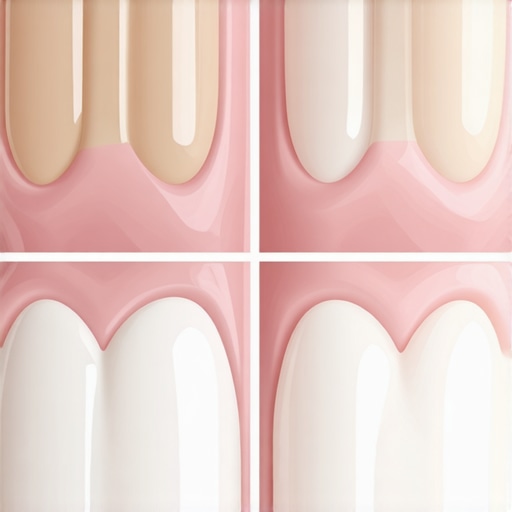 When it comes to restorative work, the stakes get even higher. I often hear people say that dental implants are indestructible. While the titanium post is tough, the soft tissue around it is fragile. A study in the Journal of Clinical Periodontology found that peri-implantitis (inflammation around the implant) can progress faster than traditional gum disease because implants lack the protective fibers of a natural tooth. This is why learning how to safely clean a dental implant without scratching the post is non-negotiable. If you use a metal scaler or an abrasive paste, you create micro-grooves that harbor pathogens. Beyond the cleaning, there are functional nuances to consider. If you have noticed why your new veneers feel bulky against your lips, it might not be the thickness of the porcelain but rather a misalignment in how they interact with your bite. Modern cosmetic dentistry secrets to boost your confidence are not just about the look; they are about the feel and the long-term biological integration. Whether you are looking into how dental implants reshape your oral health in 2025 or simply maintaining a family smile with family dentistry tips for a lifetime of healthy smiles, the secret is always in the subtle details that most people overlook.
I realized early on that my bathroom counter needed more than just a standard toothbrush if I wanted my dental work to last. If you have moved beyond basic care into the world of high-end restorative work, you need tools that respect the material. For my night guards and aligners, I stopped using manual brushes altogether and invested in a small ultrasonic cleaner. These devices use high-frequency sound waves to create millions of tiny bubbles that implode, literally blasting the biofilm off the plastic without me ever having to touch it. It is the only way to ensure you really know how to clean your clear aligners so they stay clear and completely sterile. I also switched to a water flosser with a specialized ‘orthodontic’ tip. This is a game-changer for those with permanent wires, as it flushes out debris that even the best floss threader might miss. When you are trying to master the secret to flossing when you have a permanent wire retainer, the mechanical pressure of the water does the heavy lifting for you.
How do I maintain my dental work over time?
Consistency is your best friend, but so is the right technique. I always tell my friends that if they feel something is off, they should check it immediately. For example, knowing why your dental implant crown feels like it is wiggling can be the difference between a simple screw tightening and a full replacement. According to the American Academy of Implant Dentistry (AAID), the long-term success of implants depends heavily on the health of the surrounding bone and gum tissue, which requires professional monitoring at least twice a year. You cannot just DIY your way through a loose crown. This same logic applies to your aesthetic work; if you start to feel why your porcelain veneers feel gritty to your tongue, it might be time for a professional polishing to remove surface stains and microscopic buildup that your home brush can’t reach. These small check-ins are essential family dentistry tips for a lifetime of healthy smiles.
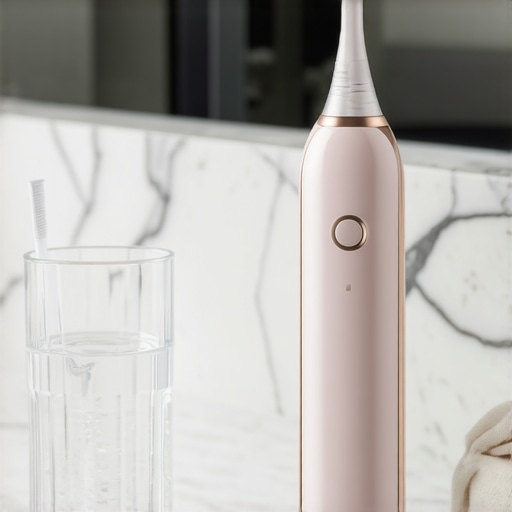
Looking ahead, the next five years will likely bring us closer to ‘smart’ dental appliances. I predict we will soon see retainers and implants embedded with micro-sensors that can track pH levels and bacterial growth in real-time, sending an alert to your phone before an infection even starts. This level of the future of dental implants cutting edge techniques in cosmetic dentistry will take the guesswork out of maintenance. For now, we rely on the best tech available today, like dental implants 2025 innovations that redefine comfort and durability. These advancements are making it easier than ever to maintain a high-end look without the constant fear of failure. My best advice? Grab an ultrasonic cleaner this week; it is the single most effective tool for keeping your removable appliances smelling like absolutely nothing.
Lessons My Bathroom Mirror Taught Me About Dental Work
After years of trial and error, I have realized that the most expensive dental work is only as good as the daily habits supporting it. One of my biggest lightbulb moments was understanding that biofilm does not take a vacation; if you skip just one night of deep cleaning your retainer or night guard, you are essentially letting bacteria set up a permanent camp. I also learned that the gum line is the most critical battlefield. Whether you are weighing the pros and cons of veneers vs crowns which is right for your smile, or you already have a full set of implants, that tiny margin where the restoration meets your tissue is where your health is won or lost. Finally, I discovered that ‘feeling’ clean and ‘being’ clean are two different things—sometimes the most harmful bacteria are the ones you cannot smell or feel yet.
My Go-To Kit for a Lifetime of Fresh Breath
If you want to maintain your results without the stress, I recommend building a ‘smile station’ in your bathroom. First, an ultrasonic cleaner is non-negotiable for anyone with removable appliances; it reaches the microscopic crevices that a brush simply cannot. Second, keep a bottle of high-quality, pH-balanced cleanser specifically designed for medical-grade plastic. I also rely on a soft-bristled detail brush for reaching those tricky spots around permanent wires. These are the practical family dentistry tips for a lifetime of healthy smiles that actually save you money on future repairs. If you are ever unsure about a tool, it is always best to contact us or your local provider to ensure you are not accidentally voiding a warranty or damaging your enamel.
#IMAGE_PLACEHOLDER_E#
Step Into a More Confident Version of Yourself
Proper maintenance is more than just hygiene; it is a form of self-respect. When you know your breath is fresh and your smile is gleaming, you carry yourself differently in every meeting and social gathering. Embracing these cosmetic dentistry secrets to boost your confidence ensures that your investment pays dividends for decades. Do not be afraid to start small—even switching from a hard brush to a soft one tonight is a win. You have worked hard for your smile, and now it is time to let it shine. What is the biggest challenge you face when trying to keep your dental appliances clean? Let me know in the comments below!