I remember the exact morning I felt it. I was brushing my teeth, looking in the mirror, and I noticed my bottom front teeth looked… different. They weren’t quite the perfect picket fence they used to be. One was slightly tilted, just a fraction of a millimeter, but I knew. I’d spent two years in braces and a small fortune on my smile, and here it was, shifting right before my eyes. My wisdom teeth were finally making their grand entrance, and they were bringing a whole lot of chaos with them. It felt like I was losing a battle I had already won, and the physical pressure was more than just a nuisance; it was a threat to my hard-earned confidence. Have you ever looked in the mirror and realized your teeth aren’t as straight as they were last month? If so, you’re not alone, and that sinking feeling in your gut is a call to action. Today, I’m going to share the hard-learned lessons on how to protect that alignment and why you shouldn’t panic, but you definitely shouldn’t wait. We’re going to dive into the reality of late-stage tooth movement and how to maintain the results of your journey into cosmetic dentistry secrets to boost your confidence.
Protect Your Investment Before the Crowding Starts
The biggest mistake I made early on was assuming that my teeth were permanent residents of their current spots. I figured that once the orthodontist gave me the thumbs up and the wires came off, the job was done forever. I ignored that dull, throbbing ache in the back of my jaw for months. I told myself it was just stress from work or maybe a sinus cold, but in reality, I was ignoring the classic signs of how to tell if your wisdom teeth are coming in sideways. By the time I actually sat in a dental chair to take it seriously, the ‘squish’ had already started, pushing my front teeth out of their alignment. It’s a common misconception that wisdom teeth just ‘pop up’ without affecting their neighbors. In fact, many professionals point to the eruptive force of these latecomers as a primary driver of anterior crowding. Whether you are looking for family dentistry tips for a lifetime of healthy smiles or you are specifically worried about your teenage years coming back to haunt your dental work, the goal remains the same: stop the movement before it requires a whole new treatment plan.
Is the Pressure You Feel Actually Moving Your Teeth?
This is the question that kept me up at night when my jaw was aching. There is a lot of debate in the dental world about whether wisdom teeth are the sole villains in the story of shifting teeth. While some experts argue that teeth naturally drift forward as we age—a phenomenon known as mesial drift—adding four large, powerful molars into a mouth that is already full is like trying to squeeze an extra person onto a packed subway bench; something has to give. According to the American Association of Oral and Maxillofacial Surgeons, impacted teeth can continue to move and exert pressure even if they don’t fully erupt, potentially damaging the roots of nearby teeth. You need to know how to tell if your wisdom teeth are causing your front teeth to shift before you find yourself looking into a veneers transformation unlocking your best smile yet to fix the crowding you could have prevented. If you’re starting to feel that familiar, uncomfortable pressure in your jaw, don’t wait like I did; it’s time to contact us and get a professional opinion before your smile takes a permanent detour.
Map Your Jaw with a Panoramic Scan
To start, you need a high-definition panoramic X-ray. Think of your jaw as a complex piece of machinery; you wouldn’t try to fix it without looking at the internal gears first. My own epiphany came during a routine checkup when my dentist pulled up a 2D scan. I could clearly see the third molars—the wisdom teeth—wedged against the second molars. It wasn’t just ‘pressure’ I was feeling; it was a physical blockade. This visual evidence is crucial because it helps you determine how to tell if your wisdom teeth are coming in sideways before the external symptoms appear. If you see them angled toward your other teeth on the monitor, you’re looking at a ticking time bomb for your alignment. Don’t rely on what you can see in the mirror; the real movement happens below the gum line where your eyes can’t reach.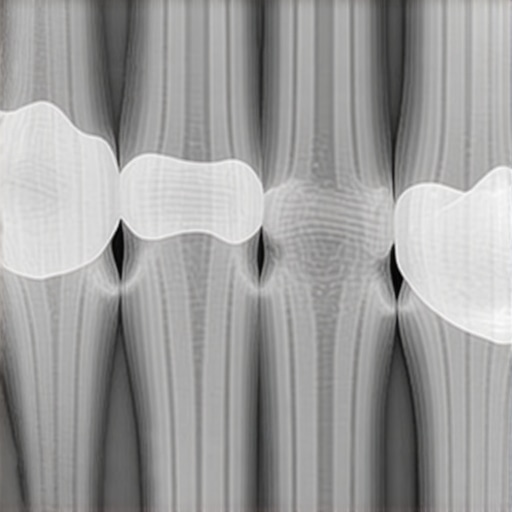
Treat Your Retainer Like a Daily Diagnostic Tool
Next, you must treat your retainer as more than just a piece of plastic; it’s your early warning system. After my braces came off, I got lazy. I’d wear my retainer once a week, and every time, it felt like my jaw was being crushed. I remember one specific Tuesday where I hadn’t worn it for three days. When I finally snapped it in, the pain wasn’t just in my teeth—it radiated up into my temples. This is often the reason your jaw aches every time you wear your aligners or retainers; it’s the physical resistance of teeth being pushed back into place. That tightness is the most direct way how to tell if your wisdom teeth are causing your front teeth to shift. If the retainer is difficult to seat, the molars are already applying force that translates all the way to the front. You need to know how to stop your teeth from shifting after your braces come off by sticking to a strict wear schedule. If you have a permanent wire, you face a different challenge. I once spent twenty minutes trying to floss around a bent wire, only to realize the pressure from my wisdom teeth had actually stressed the metal. Learning how to clean under a permanent retainer without breaking it is vital, but so is checking that the wire hasn’t been compromised by shifting molars.
Clear the Path Before the Crowd Forms
Finally, you have to be proactive about extraction. Waiting for the teeth to fully emerge is a gamble you usually lose. In my case, I waited until I felt a ‘clicking’ in my jaw—a sign of inflammation and overcrowding. By then, the alignment of my lower incisors was already compromised. Think of your jaw like a parking lot. If every spot is taken and four SUVs try to squeeze in, someone is getting dented. Extraction isn’t just about avoiding a toothache; it’s about preserving the structure you’ve spent years perfecting. If the crowding is caught early, simple extraction preserves your smile. However, if the damage is already done, you might need to explore cosmetic dentistry secrets to boost your confidence to realign the front teeth. In extreme cases where root damage occurs, we often look toward dental implants 2025 innovations that redefine comfort and durability to replace teeth that simply couldn’t handle the pressure. The goal is to clear the path before the crowd forms, ensuring that your family dentistry tips for a lifetime of healthy smiles remain effective for decades rather than just a few years.Everyone tells you that once you invest in a new smile, your days of worrying about your teeth are over. We treat procedures like veneers or implants as the final destination, but the biggest myth in cosmetic dentistry is that these solutions are ‘set it and forget it.’ In my experience, the biological foundation of your mouth is constantly in flux, and assuming your dental work is immune to these changes is a dangerous trap. You might be looking into cosmetic dentistry secrets to boost your confidence, but if you don’t account for the underlying bone and gum health, you’re building a house on shifting sand.
Don’t Fall for the Permanent Marketing Myth
The most common mistake I see is patients ignoring their periodontal health after getting high-end work. People assume that because porcelain doesn’t decay, they can slack on their hygiene. This is where the ‘oops’ factor kicks in: while the veneer itself won’t get a cavity, the tooth structure underneath it and the bone supporting it certainly can. If the foundation fails, the veneer goes with it. Furthermore, there is the mistake that makes porcelain veneers look like piano keys—choosing a shade and opacity that looks great in a sterile office but looks completely unnatural in the real world. A study published in the Journal of Esthetic and Restorative Dentistry emphasizes that the longevity of cosmetic restorations depends more on the periodontal environment than the porcelain material itself. If you aren’t careful, you might find the reason your veneers feel thicker than your natural teeth is actually due to inflammation and shifting gums rather than the dental work itself. 
Why Does a Perfect Crown or Implant Suddenly Feel Tighter?
This is an advanced concern that many beginners overlook. You might notice the reason your dental implant crown feels tighter than the others isn’t a problem with the metal post, but rather the natural movement of your remaining biological teeth. While dental implants 2025 innovations that redefine comfort and durability have made the posts more stable than ever, the bone around them still ages. Your natural teeth have a periodontal ligament that allows for micro-movements; implants do not. This creates a mechanical discrepancy over time. Understanding how dental implants reshape your oral health in 2025 requires acknowledging that your mouth is a living ecosystem. If you ignore the ‘nuance’ of how these different materials interact, you risk localized bone loss or uncomfortable pressure. We often think the ‘perfect’ smile is a static goal, but it’s actually a moving target that requires constant calibration.
Keep Your Foundation Solid to Save Your Results
To truly protect your investment, you need to look beyond the surface. This means continuing with family dentistry tips for a lifetime of healthy smiles even after you’ve undergone a veneers transformation unlocking your best smile yet. The ‘trap’ is thinking that expensive work replaces the need for basic care. In reality, it amplifies it. If you’ve ever noticed why your smile looks asymmetrical after dental work, it’s often because the natural teeth have drifted while the artificial ones stayed put. Have you ever fallen into this trap? Let me know in the comments. Keeping that alignment means staying proactive with your dentist and recognizing that your dental work is a partner to your oral health, not a replacement for it. If things feel off, don’t wait for a visible gap to form; contact us to ensure your foundation is as strong as your new aesthetic.
Upgrade Your Daily Routine for Long-Lasting Results
I used to think a manual toothbrush and a piece of string floss were enough to protect my smile, but I was wrong. Once you invest in high-end work, you have to level up your toolkit. I personally switched to an electric toothbrush with a built-in pressure sensor because I realized I was a ‘scrubber.’ Excessive force is often why your gums are receding even though you use a soft toothbrush, which eventually exposes the margins of your veneers or the metal of your implants. For my dental work, I also rely on a water flosser. It is a game-changer for cleaning around the base of crowns, but don’t be alarmed if there’s a learning curve; why your gums bleed only when you use a water flosser is usually just a sign of early inflammation that regular use will resolve. By using a high-quality water flosser, you ensure that the complex gaps created by dental implants 2025 innovations that redefine comfort and durability stay free of plaque.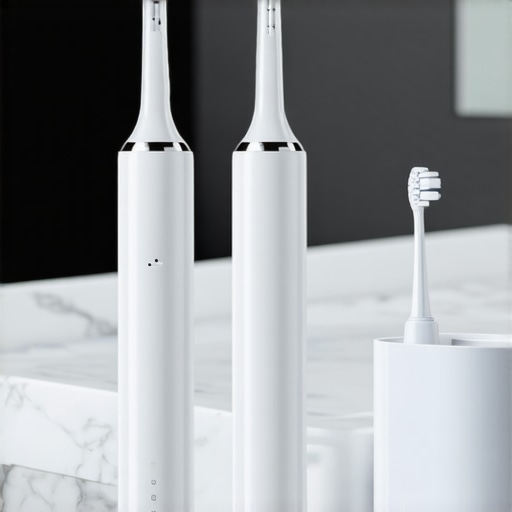
How can I maintain my veneers and implants over time?
Consistency is the only way to avoid the ‘maintenance trap.’ Beyond daily brushing, the most important tool in my drawer is a custom-fitted night guard. Bruxing, or grinding your teeth at night, is the number one killer of porcelain work. If you have spent years on a veneers transformation unlocking your best smile yet, a single night of heavy grinding can create micro-fractures in the ceramic. Just make sure you know how to remove the smell from your plastic night guard at home so you actually want to wear it every night. Furthermore, don’t skip your hygiene appointments. Even if your teeth feel fine, the reason your teeth feel sensitive after a professional cleaning is often because the hygienist is removing buildup that could have led to a failed implant or a decayed root. Following family dentistry tips for a lifetime of healthy smiles means acknowledging that professional intervention is a non-negotiable part of your investment.
The Next Wave of Dental Tech is Coming to Your Bathroom
I predict that within the next five years, we will see a massive shift toward AI-integrated home monitoring. We are already seeing the beginnings of this in the future of dental implants cutting edge techniques in cosmetic dentistry, where digital scans are used to track bone density changes in real-time. According to research from the Journal of Oral Rehabilitation, the mechanical stress on dental restorations can now be measured via wearable sensors that alert you if your bite is shifting. This technology will help us understand how dental implants reshape your oral health in 2025 and beyond. We are moving away from reactive dentistry—fixing things when they break—and toward a proactive model where your phone might tell you that your crown is loose before you even feel it. To get ahead of the curve, I recommend trying one specific advanced tip: start using interdental brushes instead of just floss. They reach the concave areas of your tooth roots that string floss simply cannot touch. If you’re ready to ensure your smile remains perfect for the next decade, contact us today to schedule a comprehensive health audit of your cosmetic work.
The High Price of Thinking Your Smile is Static
The most expensive lesson I ever learned was that my teeth aren’t set in concrete. Even after the best orthodontic care, your body is constantly remodeling. I used to think a missed week with my retainer was no big deal, but that ‘tight’ feeling is actually your teeth trying to find a new, crowded home. If you want to keep your veneers transformation unlocking your best smile yet looking pristine, you have to realize that maintenance is a marathon, not a sprint. Another lightbulb moment was realizing that how to tell if your wisdom teeth are causing your front teeth to shift isn’t always about pain; sometimes it’s just a subtle change in how you floss. Finally, don’t wait for your front teeth to overlap before you act; proactive extraction is significantly cheaper than a second round of braces.
The Daily Gear That Keeps My Smile Locked in Place
Maintaining a high-end smile requires better tools than a generic toothbrush from the grocery store. Here is what I personally trust to keep my alignment in check:
- A Sensor-Driven Electric Toothbrush: This prevents the aggressive scrubbing that leads to recession. If you’ve wondered about the signs your receding gums are caused by your toothbrush, it’s usually because you’re brushing like you’re cleaning a floor, not delicate tissue.
- High-Volume Water Flosser: Essential for anyone with implants or bridges. It gets into the nooks that string can’t reach, even if you experience why your gums bleed only when you use a water flosser at first.
- Custom-Milled Night Guard: This is the single best insurance policy for your dental work. Protecting against grinding ensures you don’t wake up wondering the reason your dental implant crown feels tighter than the others due to nocturnal pressure.
Build a Smile That Lasts for Decades
Your journey doesn’t end when the treatment plan does. By staying vigilant and using these cosmetic dentistry secrets to boost your confidence, you can ensure that your investment pays off for a lifetime. Whether you are navigating the nuances of family dentistry tips for a lifetime of healthy smiles or you are recovering from a major procedure, remember that your oral health is the foundation of your self-esteem. If you’re worried about a recent shift or a tight-fitting crown, don’t hesitate to contact us for a professional evaluation. Have you noticed your teeth moving even though you finished your orthodontic work years ago? Let me know your experience in the comments below!