I stood there, staring at my reflection with a toothbrush in one hand and a sense of utter betrayal in the other. I had spent extra money on the softest bristles money could buy. I was a ‘good’ patient. Yet, there it was: a tiny, sensitive notch at the base of my tooth where the pink gum used to be. It felt like my body was failing a test I had studied for every single night. I felt like I was doing everything right, but my smile was literally retreating from me.
The Frustrating Truth About Your Gentle Brushing Routine
If you feel like you are doing everything right and still seeing your gum line retreat, you are not alone. It is a silent, creeping issue that catches many of us off guard. We are told that soft bristles are the gold standard for family dentistry, and they are, but they are not a ‘get out of jail free’ card for bad habits. Today, I am going to pull back the curtain on why those gums are still migrating and show you exactly how to stop the damage before you find yourself looking into veneers to hide the recession. I used to think that ‘soft’ meant I could scrub with abandon. I treated my teeth like a dirty grout line in a shower. That was my first big mistake. Even the softest brush can act like sandpaper if you apply too much pressure. It is not just about the tool; it is about the technique. According to the American Dental Association, aggressive brushing (even with soft bristles) can lead to permanent gingival recession and wear down enamel.
Is my toothbrush actually the villain here?
It is a fair question. You bought the ‘soft’ version specifically to avoid this, right? But here is the kicker: the signs your receding gums are caused by your toothbrush are often subtle until they are not. You might notice sensitivity to cold drinks or a yellowish tint near the gum line. Sometimes, you might even think your gums look like they are receding even though you dont have gum disease, which is a confusing place to be. I want to know—have you ever caught yourself ‘sawing’ away at your teeth while thinking about your to-do list? It is a habit many of us have, and it is likely the culprit.
Why Soft Bristles Alone Wont Save Your Smile
The reality is that gum tissue is incredibly delicate. Think of it like silk. If you rub silk with a soft cloth but press down with ten pounds of force, that silk is eventually going to fray. When I first noticed my own recession, I panicked and started looking into cosmetic dentistry secrets to fix the look, but I had not yet fixed the cause. We need to talk about ‘The Scrub.’ If your toothbrush bristles look like a frayed explosion after only a month of use, you are pressing too hard. Period. That force pushes the gum tissue away from the tooth, exposing the root. And unlike a haircut, gums do not just ‘grow back’ once they have been bullied into retreat. Fixing this requires a total shift in how you think about your morning routine.
Master the Art of the Gentle Touch
Stop holding your toothbrush like you are trying to win a sword fight. Most of us use a ‘fist grip,’ which naturally invites us to use the power of our entire arm to clean. Instead, try holding your brush with just your fingertips, as if you were holding a delicate paintbrush or a fountain pen. This simple shift makes it physically difficult to apply the kind of crushing pressure that leads to the signs your receding gums are caused by your toothbrush. When I first tried this ‘fingertip grip,’ I felt like I was not getting my teeth clean at all. I was so used to the friction that ‘gentle’ felt like ‘useless.’ But after a week, I noticed the sensitivity after a professional cleaning I usually experienced was actually fading because I was finally letting my gums heal. 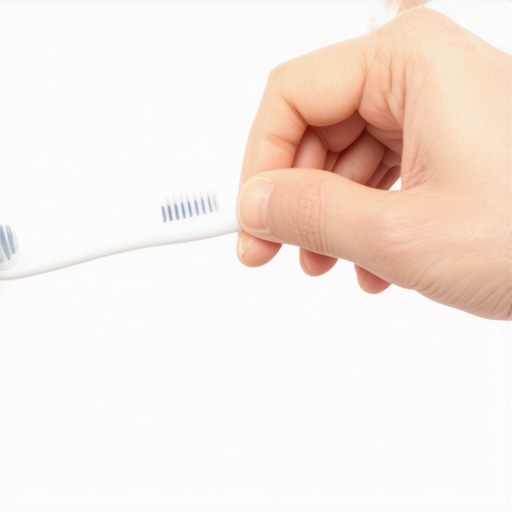
Angle the Bristles Toward Your Gums, Not Against Them
If you are hitting your teeth at a 90-degree angle, you are missing the most important part. You need to tilt the brush at a 45-degree angle so the bristles can gently slide just beneath the gum line. This is where the magic happens for family dentistry success. It is not about scrubbing the surface; it is about sweeping away the debris that hides in the pocket. If you press too hard here, you are literally pushing the tissue away from the tooth.
Swap the Sawing Motion for a Gentle Jiggle
We have been conditioned by cartoons to brush in long, horizontal ‘sawing’ motions. This is the fastest way to destroy your smile. Instead, use tiny, circular vibrations—a ‘jiggle’ rather than a ‘scrub.’ Think of it like massaging your gums rather than scouring a pot. If you have already done significant damage, you might be looking into veneers vs crowns choosing the best option for your smile to restore the look, but you must fix the motion first. Otherwise, you will just wear down your new dental work too. I once spent an entire month forcing myself to brush with my non-dominant hand. It was messy and frustrating, but it broke my muscle memory of ‘sawing’ and forced me to be intentional with every stroke.
Check Your Bristles for the Splayed Out Look
Your toothbrush is a diagnostic tool. If your bristles are splayed out, flattened, or pointing in every direction like a used firecracker, you are pressing way too hard. A toothbrush should look relatively new for the full three months you use it. If it is wrecked in three weeks, your technique is the culprit. While dental implants are a miracle of modern science for lost teeth, keeping your natural ones is always the cheaper and more comfortable goal. Regularly checking the color of your tissue is also vital; you can learn how to tell if your gums are healthy based on their color to ensure your new, gentler routine is working. You might even find that why your gums bleed even after a professional cleaning is less about the cleaning and more about how you have been ‘bullying’ them at home every morning.I’ve spent years talking to patients who view cosmetic work as a finish line, but the truth is, it’s a new starting block. If you think getting porcelain will hide your aggressive brushing history, you’re in for an expensive wake-up call.
Veneers Won’t Mask a Bad Brushing Habit Forever
One of the biggest myths I encounter is that once you’ve invested in veneers transformation unlocking your best smile yet, your natural tooth structure is ‘safe.’ That’s a dangerous assumption. Your gums don’t care how much you paid for those porcelain shells; they will still retreat if you bully them with a hard-bristle brush or poor technique. In fact, if the margin of the restoration isn’t perfectly placed, you might even experience why your new veneers feel bulky against your lips, which is often a sign of over-contouring. This isn’t just about comfort; it’s about biology.
Avoid the Trap of the ‘Piano Key’ Smile
Most people focus on the shade of white, but the real secret to a natural look lies in translucency and the ‘biological width.’ If your dentist over-preps the tooth or uses an opaque material, you’ll likely end up with the mistake that makes porcelain veneers look like piano keys. It’s that flat, chalky look that screams ‘fake’ the moment you step outside. I’ve seen so many people frustrated because the reason your veneers look different in sunlight versus indoors is usually due to poor material choice that doesn’t mimic natural enamel’s light-scattering properties. When we talk about cosmetic dentistry secrets to boost your confidence, the real secret is subtlety. 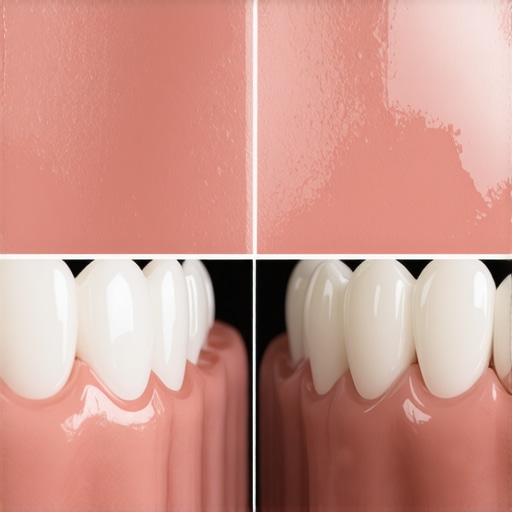
Why do my dental restorations feel tighter during certain times of the day?
This is a sophisticated question that points to the interplay between your restorations and your jaw health. It’s not just the teeth; it’s the bite. If your reason your dental implant crown feels tighter than the others isn’t addressed, you risk micro-trauma to the surrounding bone. According to a landmark study in the Journal of Esthetic and Restorative Dentistry, maintaining the ‘biological width’—the specific distance between the dental restoration and the bone—is the single most important factor in long-term success. This is why family dentistry tips for a lifetime of healthy smiles always include regular bite checks. If you ignore that ‘tight’ feeling, you might find that the reason your veneers feel thicker than your natural teeth is actually a sign of inflammation or improper seating.
Don’t Ignore the Foundation for the Facade
I’ve seen patients jump straight to dental implants 2025 innovations that redefine comfort and durability without fixing the underlying periodontal issues that caused the tooth loss in the first place. That’s like building a mansion on quicksand. You need a solid base. If you’ve ever noticed why your gums look black or purple near an old crown, that’s often the ‘metal collar’ of an old-school restoration showing through, but it can also be a sign of oxygen deprivation in the tissue. Moving forward requires a balance of aesthetics and health. Have you ever fallen into the trap of choosing the ‘whitest’ option only to regret how it felt later? Let me know in the comments—I’d love to hear your story and help you avoid these common pitfalls. For more personalized advice, you can always contact us to discuss your specific needs.
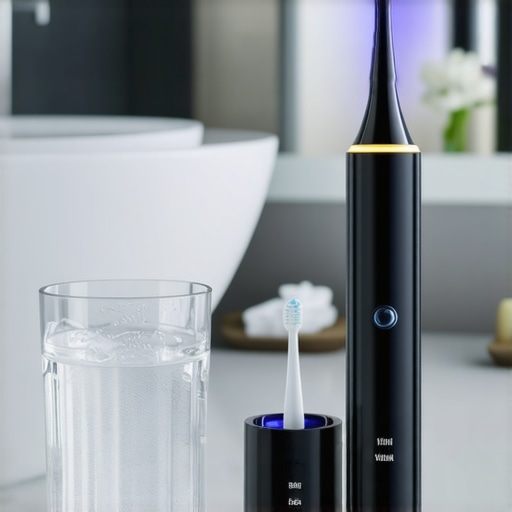
Maintaining a high-end smile isn’t just about the occasional check-up; it is about the equipment you use every single morning in front of your bathroom mirror. If you have invested in porcelain or titanium, you need a toolkit that respects the material. I personally swear by electric toothbrushes with built-in pressure sensors—specifically those that pulse rather than just vibrate—because they physically prevent you from making the mistakes we discussed earlier. When I switched to a brush that flashes red when I press too hard, my gum sensitivity vanished within fourteen days. This isn’t just a luxury; it is insurance for your mouth.
Upgrade Your Bathroom Counter for Long-Term Success
The first thing I tell anyone with dental implants 2025 innovations that redefine comfort and durability is to ditch the traditional string floss for a high-quality water flosser. Why? Because metal posts require a delicate touch. You need to know how to safely clean a dental implant without scratching the post, and a pressurized stream of water reaches deep into the pockets where bacteria hide without the abrasive risk of manual scraping. If you are dealing with traditional orthodontics or a permanent bar, you should also master the secret to flossing when you have a permanent wire retainer to avoid calcified buildup that leads to gum recession.
How do I maintain my dental work over the next decade?
Consistency is the boring but honest answer, but the way you maintain it matters most. You must use non-abrasive, gel-based toothpastes. Many ‘whitening’ pastes use silica or baking soda that can leave micro-scratches on your restorations, explaining why your porcelain veneers feel gritty to your tongue over time. To ensure you are on the right track, keep a close eye on the healing process; understanding how to tell if your dental implant is healing at the right speed can save you from a failure that costs thousands. A technical study in the International Journal of Oral & Maxillofacial Implants (IJOMI) highlights that the ‘peri-implant mucosa’ (the seal of gum around your implant) is far more vulnerable to plaque than natural tissue, making these daily mechanical tools essential, not optional.
The Next Evolution: AI-Driven Precision in Oral Care
I believe the future of maintaining veneers transformation unlocking your best smile yet lies in digital monitoring. We are already seeing the emergence of smart brushes that map your mouth in 3D and send a report to your phone. Soon, we won’t be guessing if our gums are receding; our mirrors will tell us. As we look at the future of dental implants cutting edge techniques in cosmetic dentistry, we will likely see bio-active coatings that actually help the gum tissue bond even tighter to the tooth, making ‘recession’ a thing of the past. For now, my best advice is this: try using a water flosser every single night for the next two weeks. You will be shocked at what your manual brush has been leaving behind. If you have questions about which tool is right for your specific restorations, feel free to contact us for a professional recommendation.
Hard Truths I Wish Someone Told Me Before I Scrubbed My Gums Away
One of the most sobering realizations in family dentistry is that gum tissue isn’t like a lizard’s tail—it doesn’t just grow back. I’ve learned that plaque has the consistency of soft butter; you truly only need the weight of a feather to clear it away. Another lesson? Your expensive dental work is only as good as the foundation it sits on. Whether you are weighing veneers vs crowns which is right for your smile or planning for the future, your daily habits dictate the lifespan of that porcelain. I’ve seen beautiful work fail simply because someone treated their teeth like a kitchen floor that needed scouring.
Building Your Professional Grade At-Home Dental Station
If you want to keep your smile pristine, you need the right kit. First, invest in an electric toothbrush with a visible pressure sensor—it is the only way to break a lifetime of ‘sawing’ habits. Second, switch to a non-abrasive gel toothpaste to avoid why your porcelain veneers feel gritty to your tongue later on. Finally, I highly recommend a water flosser. It is essential for anyone learning how to safely clean a dental implant without scratching the post, as it flushes bacteria from pockets that traditional floss simply cannot reach without causing trauma to the tissue.
Take Control of Your Smile Starting Tonight
Your smile is often the first thing people notice, but its health is what you will value most in the long run. Whether you are maintaining your natural enamel or enjoying a veneers transformation unlocking your best smile yet, the power is literally in your hands. Don’t let a bad brushing habit rob you of the confidence you have worked so hard to build. With the right tools and a gentler touch, you can ensure your family dentistry goals are met and surpassed for years to come. Have you ever caught yourself brushing way too hard because you were stressed or in a rush? Let me know in the comments below—I’d love to hear how you are making the switch to a gentler routine!