I’ll never forget the morning I realized my reflection wasn’t lying to me—there was a distinct, muddy purple shadow lurking right at the edge of my dental crown. It looked like a bruise that would not heal, or worse, like my tooth was slowly decaying from the inside out. I spent way too much time in front of the bathroom mirror, tugging at my lip and wondering if I’d somehow ruined my smile forever. If you are here, you are likely doing the same thing. You are worried that your gums are turning black or that your old dental work is failing. It’s a frustrating, visceral feeling to lose confidence in your smile, especially when you have already invested time and money into family dentistry to get things right. Today, I am going to pull back the curtain on why this happens and show you that you do not have to live with that ‘zombie gum’ look.
That Dark Line Is Not Your Fault But You Can Fix It
For years, the gold standard in restorative work was the PFM (Porcelain-Fused-to-Metal) crown. These are incredibly strong, but they have a secret: a metal substructure that can eventually peek through as the gum line naturally shifts. I made the classic mistake of thinking I just wasn’t brushing hard enough. In reality, I was probably making it worse! According to the American Academy of Cosmetic Dentistry, metal margins are one of the most common reasons patients seek to replace old work. It is not necessarily a sign of disease; it is often just the physics of light and metal. Sometimes, the issue is receding gums caused by your toothbrushing habits, which exposes that dark metal edge. This shadow is often called ‘the dark halo,’ and it can happen even if you have been meticulous with your oral hygiene.
Is this just a cosmetic thing or is my tooth actually dying?
This is the big fear, right? You see purple or black and assume the worst. While it can be a sign of a dental crown that is loose or a seal that has failed, it is often just ‘biocompatibility’ issues or the ‘umbrella effect’—where the crown blocks light from reaching the gum tissue, making it look darker than it is. When I finally talked to my dentist about choosing the best option for your smile, I realized that modern materials like zirconia or all-ceramic options could eliminate that shadow entirely. [image placeholder] Have you noticed a dark ring forming around your old work, or are you just starting to see a change in color? I would love to hear your story in the comments. We are going to dive into the specific causes—from oxidation to thinning tissue—so you can walk into your next appointment with a plan to regain your cosmetic dentistry confidence.To fix that dark ring, you first need to identify the material of your current restoration. If you have an older PFM crown, the solution is almost always a material upgrade. Unlike metal-backed crowns, all-ceramic or zirconia options allow light to pass through the tooth and into the gum tissue. This is the difference between a flashlight shining through a piece of paper versus a piece of lead. When light hits a metal crown, it stops dead, creating a shadow that makes the gum look bruised or dark red. I remember my own dental journey; I was so obsessed with the shadow that I thought I had developed a massive infection. I spent a week searching for why your gums look dark red around a specific dental crown only to find out my crown was just outdated technology.
Swap Out Old Metal for Light-Passing Ceramics
The most effective way to eliminate the ‘zombie gum’ look is to replace the PFM with a lithium disilicate (E-max) or zirconia crown. These materials mimic the translucency of natural enamel. When I finally made the switch, the ‘bruise’ disappeared instantly because light could finally reach the roots. If you are debating between different types of restorations, looking into veneers vs crowns which is right for your smile is a great first step to ensure your new look does not repeat the same mistakes.
Stop Aggressive Brushing to Protect Your Gum Line
Sometimes the dark line is not just about the crown—it is about the gums moving away from it. I used to think that the harder I scrubbed, the cleaner my teeth would be. In reality, I was contributing to receding gums caused by your toothbrushing habits. Once that tissue thins out, even the smallest bit of metal or a slightly darker natural tooth root will show through like a sore thumb. If you notice your gums are pulling back, you need to switch to a soft-bristled brush and a circular motion. You can check how to tell if your gums are healthy based on their color to see if the redness is from inflammation or just the crown’s shadow. 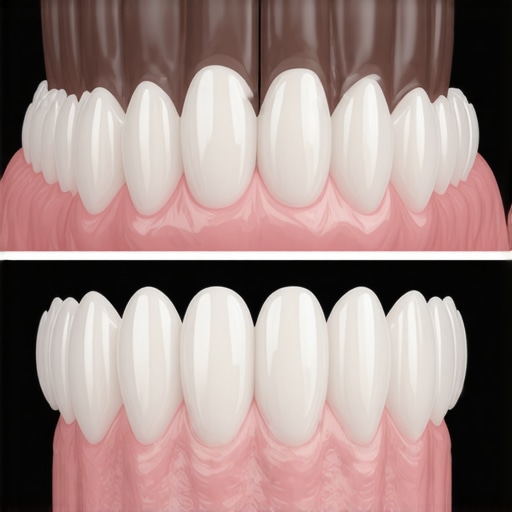
Address Potential Oxidation and Metallic Aftertaste
If you notice a strange tang in your mouth along with the discoloration, you might be dealing with oxidation. It is rare, but some base-metal alloys can react with your saliva. Learning how to manage the metallic taste after a new dental crown can help you distinguish between a harmless shadow and a material reaction. In some cases, the dark look is actually just a stain trapped at the margin. Before committing to a full replacement, ask your dentist if a professional cleaning can reach that area, especially if you have noticed the reason your teeth look grey after a dental injury might be related to the internal health of the tooth rather than the crown itself. By choosing high-quality expert tips for perfect results and modern materials, you can ensure your next restoration is future-proof and shadow-free.But here is the hidden nuance that most people—and even some general dentists—miss: it isn’t just about the material; it’s about the ’emergence profile’ and the way light interacts with the depth of the tooth. Let’s dig deeper into the ‘white’ myth. Most people walk into a cosmetic consultation asking for the ‘whitest shade possible.’ I’ve been there, thinking that a Hollywood-white smile was the ultimate symbol of health. But here’s the contrarian truth: natural teeth aren’t actually pure white. They are a complex, layered masterpiece of creams, subtle grays, and translucent edges. When you opt for a flat, opaque white, you end up falling for the mistake that makes porcelain veneers look like piano keys. It looks like you have a row of uniform blocks in your mouth because the light cannot bounce around inside the material, making it look dead and unnatural.
Avoid the Blindingly White Piano Key Trap
To get a result that actually looks like yours, you have to demand ‘characterization.’ This is where a master ceramist adds tiny imperfections—slight variations in color and texture—that mimic real enamel. Without this, your high-end work will always look like an ‘add-on’ rather than a part of you.
Why do some veneers look like plastic under certain lights?
This is where the sophisticated nuance comes in. If your restoration lacks ‘depth,’ it will look great in your bathroom mirror but like cheap plastic at a sunny outdoor brunch. This happens because of a lack of surface texture and internal characterization. A study in the Journal of Esthetic and Restorative Dentistry highlights that the most successful cosmetic outcomes don’t come from the brightest shade, but from matching the natural ‘incisal halo’—that slightly blue or clear edge at the bottom of your teeth. Without this, you get the reason your porcelain veneers look opaque and fake. It’s the difference between a high-definition photograph and a flat cartoon drawing. 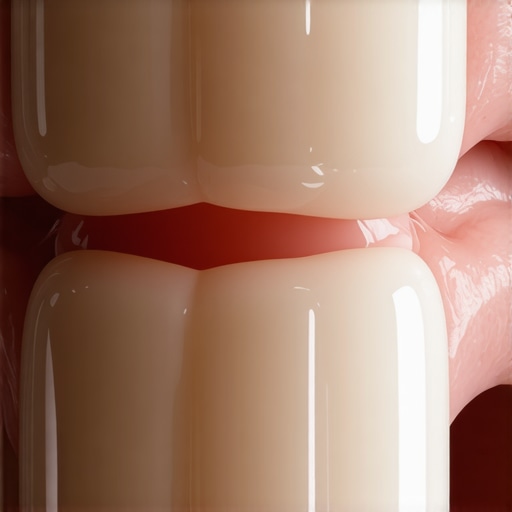
Stop Prioritizing the Facade Over the Foundation
Then there is the ‘Oops’ factor regarding the fit at the gum line. If your dentist doesn’t account for the ‘biological width’—the specific amount of space your gum tissue needs to stay healthy—you’re going to have chronic inflammation. This is often why your new veneers feel bulky against your lips or why your gums always look puffy and dark red no matter how much you floss. It isn’t just about the tooth; it’s about how the tooth ’emerges’ from the socket. When we talk about dental implants, the stakes are even higher. I hear so many people say that an implant is a ‘set it and forget it’ solution. In reality, modern dental implants 2025 innovations that redefine comfort and durability show that long-term success depends entirely on the health of the surrounding bone and tissue. If you don’t understand how dental implants reshape your oral health in 2025, you might miss the subtle signs of ‘peri-implantitis,’ which is essentially gum disease for implants. I also see a lot of confusion when it comes to choosing the best option for your smile. The trap here is thinking that veneers are always ‘easier’ than crowns. While they preserve more tooth structure, they require a much higher level of precision. If a veneer is placed on a tooth that actually needed the structural support of a crown, you’re looking at a failure within years. True expertise in family dentistry means knowing when to prioritize the foundation over the facade. Have you ever felt like your dental work looked ‘off’ but couldn’t quite put your finger on why? Maybe it was the reason your veneers look different in sunlight versus indoors. Have you ever fallen into this trap? Let me know in the comments. We need to stop settling for ‘good enough’ and start demanding work that actually looks like it belongs in a human mouth.Maintaining a high-end smile isn’t just about showing up for your six-month cleanings; it’s about the specific equipment you use in your own bathroom every single night. When I first got my dental work done, I thought a standard toothbrush and a bit of floss would suffice. I was wrong. If you really want to protect your investment, you need to understand that dental implants and veneers require a different toolkit than natural teeth. For starters, I stopped using traditional string floss around my implants. Why? Because the fibers can occasionally shred and get caught in the microscopic gaps of the hardware, leading to irritation. Instead, I switched to a water flosser with a specialized ‘Plaque Seeker’ tip. According to clinical data published in the International Journal of Oral & Maxillofacial Implants, water flossing with this specific tip is significantly more effective at reducing bleeding around implant sites than traditional flossing. This is crucial because why your dental implant feels loose but looks fine often comes down to early-stage inflammation that you can’t even see yet.
Ditch the Standard Floss if You Have Implants
When you use a water flosser, you aren’t just moving debris; you are flushing out the bacteria that love to hide under the crown’s margin. This is also the best way to prevent the dreaded ‘zombie gum’ shadow from returning due to recession. If you’re nervous about damaging the finish on your new work, learning how to safely clean a dental implant without scratching the post is the first step to ensuring the metal stays hidden and the tissue stays pink.
How can I keep my new smile looking fresh for decades?
The secret is in the non-abrasive approach. I personally use a high-end electric toothbrush with a pressure sensor because I’m a chronic ‘scrubber.’ If I press too hard, the light turns red, reminding me that I’m risking receding gums caused by your toothbrushing habits. For those with veneers, you also have to be careful about the ‘gritty’ feeling. If you ever wonder why your porcelain veneers feel gritty to your tongue, it might be that your toothpaste is too abrasive, literally sanding down the polish of your ceramic. I recommend a low-RDA (Relative Dentin Abrasivity) toothpaste to keep that glass-like shine. 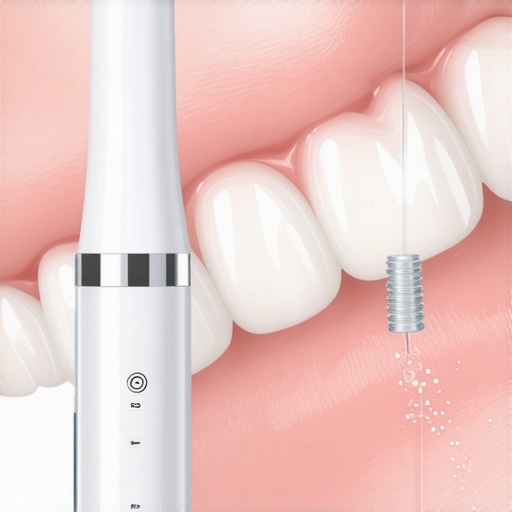
The Future of Bio-Digital Oral Care
I believe we are moving toward a world where your toothbrush will use AI to scan for early signs of demineralization or ‘peri-implantitis’ before you ever feel a thing. We are already seeing the future of dental implants cutting edge techniques in cosmetic dentistry focusing on bio-active materials that actually help the bone fuse faster and stay stronger. This shift from ‘fixing’ to ‘monitoring’ will redefine family dentistry tips for a lifetime of healthy smiles. If you want to stay ahead of the curve, I suggest asking your dentist about ‘digital impressions’ during your next check-up. They can compare your 3D scans year-over-year to see if your teeth are shifting even a fraction of a millimeter. This is the ultimate way to how to stop your teeth from shifting after your braces come off or after you’ve invested in a full set of veneers. My advanced tip for today? Pick up a bottle of pH-balancing mouthwash; neutralizing the acid in your mouth immediately after a meal is the single most underrated habit for protecting cosmetic dentistry confidence. Try switching to a water flosser for just two weeks and notice how much calmer and pinker your gums look—it’s a total game changer.
The journey to a perfect smile doesn’t end when the dentist hands you the mirror. In fact, that is just where the real maintenance begins. If you have been living with a shadow at your gum line, you already know the emotional toll it takes. But moving forward with the right information ensures you never have to hide your laugh again.
The Truth About Life After the Upgrade
Through my own experience and talking with top clinicians, I have realized a few things that aren’t usually in the patient brochure. First, the ‘settling’ period for a veneers transformation unlocking your best smile yet is as much psychological as it is physical. It takes about two weeks for your brain to stop seeing ‘new teeth’ and start seeing ‘you.’ Second, always check your new work in natural sunlight; office lights are notoriously forgiving, but the sun reveals the true translucency of the ceramic. Lastly, if you are looking into how how dental implants reshape your oral health in 2025, remember that the surrounding bone is a living tissue that needs stimulation and health, not just a static post.
Invest in These Daily Essentials to Save Your Smile
I have narrowed down my personal care routine to four non-negotiable items that protect high-end dental work. I swear by a specialized water flosser because it is the only way to effectively clean the junction where the crown meets the gum without abrasive friction. This prevents the scenario where a why your dental implant feels loose but looks fine becomes a reality due to hidden plaque. I also keep a pH-balancing mouthwash on hand to neutralize acids immediately after coffee or wine. Finally, I only use a low-abrasivity toothpaste to keep the ceramic polish intact for decades. These small shifts in your family dentistry routine are what separate a five-year restoration from a twenty-year one.
Reclaim the Confidence You Deserve
You deserve to feel proud of your reflection. Upgrading your old, metal-based work for modern dental implants 2025 innovations that redefine comfort and durability is more than just a cosmetic fix; it is a commitment to your long-term health. When you choose materials that allow light to dance through them, you aren’t just fixing a tooth—you are restoring your natural appearance. Take these cosmetic dentistry secrets to boost your confidence and apply them to your next consultation. Don’t be afraid to ask for the best, because your smile is the one thing you wear every single day. Did you ever think your dark gum line was a health issue before realizing it was just an old crown material? Let me know your story in the comments below!