I will never forget the morning I sat across the breakfast table from my seven-year-old and saw it—a thin, translucent shimmer right at the edge of his brand-new front teeth. In the bright kitchen light, the tips looked like they were made of frosted glass or expensive crystal, not sturdy bone. I immediately spiraled into a pit of parental guilt. Had I let him drink too much juice? Was I failing at the one job I had to protect his ‘forever’ smile? I actually made the mistake most parents make with their childs first tooth by trying to ‘scrub’ the translucency away with extra-firm brushing. Spoiler alert: that was the worst thing I could have done. It turns out that those see-through edges are often a totally normal part of dental development, but knowing the difference between a growth phase and a problem is everything. Today, I want to walk you through exactly why those glassy edges appear, when you should actually worry, and how we can protect that precious new enamel together.
Why Those See-Through Edges Are Actually Pretty Normal
If you have noticed your child’s teeth looking a bit like a window at the tips, you are definitely not alone. When permanent teeth first erupt, they have a lot of ‘character.’ They are often bumpy with ridges called mamelons, and because the tooth is still developing its internal density, the very tips can appear clear. I spent weeks diving into family dentistry tips for a lifetime of healthy smiles before a professional finally talked me off the ledge. The truth is that enamel is naturally translucent; it is the dentin underneath that gives a tooth its white or yellowish color. At the very edge of a new tooth, there simply is not any dentin yet to block the light, creating that ‘halo’ effect. You might also notice a sharp contrast where the rest of the tooth looks quite different, similar to why your childs permanent teeth look yellow compared to baby teeth, which only makes the clear edges stand out even more.
Is this just a sign that my kid has weak enamel?
It is the question every parent whispers into a search engine at 2 AM. You worry that the translucency is a precursor to a lifetime of cosmetic dentistry secrets to boost your confidence or expensive repairs. While see-through edges can sometimes indicate enamel hypoplasia or acid erosion, more often than not, it is just a structural stage of a young tooth. In fact, according to the American Academy of Pediatric Dentistry, young enamel is naturally more porous and can exhibit high levels of incisal translucency compared to the denser teeth of an adult. Have you ever caught a glimpse of your child’s teeth in the sunlight and felt that sudden jolt of worry that something was wrong? You are not ‘seeing things,’ but you also might not be seeing a disaster in the making. We just need to understand how to manage the environment of their mouth as they grow. This is where we move from panic into practical protection.
Stop the Scrubbing and Start Shielding
Think of your child’s new enamel like a fresh coat of ceramic glaze on a piece of pottery—it is incredibly hard once it sets, but it is vulnerable while it is still ‘curing’ in the mouth. When those translucent edges appear, your primary job is to act as a guardian for that glaze. First, you must evaluate the acidic environment of their mouth. Most parents do not realize that even healthy snacks like apples, oranges, or juice pouches can soften enamel temporarily. I learned this the hard way when my son started experiencing ‘zingers’ of pain after eating a simple fruit salad. I had to pivot our routine immediately. We stopped the immediate post-meal brushing and started implementing the best way to prevent cavities in toddlers who hate brushing: a simple water rinse to neutralize the pH before the toothbrush ever touches the tooth. This prevents you from literally brushing the softened enamel right off those clear tips. Think of it like trying to wipe a wet painting; you will only smear and thin the surface. By waiting thirty minutes and rinsing first, you allow the minerals in their saliva to re-harden the surface naturally.
Build a Remineralization Routine That Actually Works
Next, check your tools. If you are using a stiff-bristled brush to ‘clean better,’ you are actually acting like sandpaper on a delicate surface. Switch to the softest bristles you can find. It is also a great time to look at the surrounding tissue for clues about overall health. If you see why your childs gums look swollen where their new teeth are coming in, know that this localized inflammation is normal, but it can make the area harder to clean, leading to plaque buildup right at the base of that new, thin enamel. 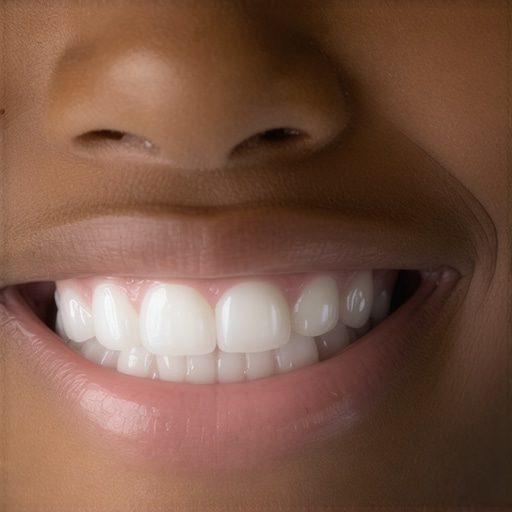 I once thought I was being ‘extra healthy’ by switching my kids to a trendy, fluoride-free charcoal paste I found online. Within three weeks, my eldest complained of sharp pain every time he drank cold water. That is when I discovered why your teeth feel sensitive when you switch to a natural toothpaste. Many of these products are too abrasive for young enamel or lack the essential remineralizing agents needed to densify the translucent parts of a new tooth. We went back to a high-quality mineralizing paste immediately, and the sensitivity vanished as the ‘porous’ edges finally began to harden. Using these family dentistry tips for a lifetime of healthy smiles is about long-term consistency, not aggressive cleaning.
How to Spot the Difference Between Growth and Decay
Finally, you need to differentiate between natural development and actual damage. Hold a small flashlight to the tooth while your child is lying back. If the translucency is uniform across the biting edge and the surface is glass-smooth, it is likely just the natural absence of dentin. However, if the clear areas look pitted, jagged, or have white opaque ‘chalky’ spots mixed in, you need to determine how to tell if your child has a cavity or just deep grooves. Enamel that is truly ‘weak’ or eroded will feel sticky or rough if you (very gently) run a clean fingernail over it. While you might be tempted to look into cosmetic dentistry secrets to boost your confidence for your child, remember that their smile is a work in progress. The best approach for those see-through edges is a ‘wait and strengthen’ strategy. Focus on providing the minerals their teeth need to ‘fill in’ that translucency naturally over the next few years as the internal dentin matures and pushes forward.The biggest misconception I see in modern dentistry is the belief that healthy teeth must be solid, opaque white from root to tip. We have been conditioned by filtered social media photos to think that any hint of transparency is a dental failure. In reality, a truly natural, high-quality tooth possesses a specific optical property called an ‘incisal halo’ where light passes through the enamel without hitting the dentin core. If you rush to cover this up in a child or even an adult, you might end up with the mistake that makes porcelain veneers look like piano keys—a flat, artificial look that lacks the depth of real anatomy. Professional ceramists actually spend years mastering the art of mimicking this exact translucency to ensure restorations don’t look like plastic blocks.
The Hidden Danger of Opaque Expectations
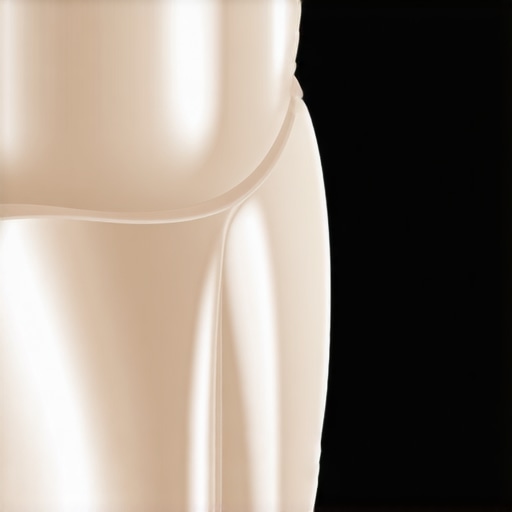 A nuanced trap many parents fall into is what I call the ‘Acid Reflex.’ When we see clear edges, we assume we need more aggressive cleaning, but we completely ignore the chemical environment of the mouth. A study published in the Journal of Dentistry emphasizes that ‘incisal translucency’ is often exacerbated by ‘stealth acids’ found in supposedly healthy sports drinks and flavored waters that have a pH low enough to etch enamel. If you are already debating veneers vs. crowns: which is right for your smile because your teen’s teeth look worn, stop and check the fridge first. You cannot build a durable smile on a foundation that is constantly being softened by vitamin waters.
What if the translucency starts moving further down the tooth?
This is where we move from normal development into the ‘worry zone.’ If that clear window starts to creep toward the middle of the tooth, it usually indicates that the enamel is thinning globally or the internal dentin is not maturing properly. At this stage, cosmetic dentistry secrets to boost your confidence are about structural reinforcement rather than just vanity. However, jumping to permanent porcelain solutions before the jaw has finished growing is a major error. If you place a restoration too early, you may face issues similar to how dental implants reshape your oral health in 2025, where the surrounding bone and tissue continue to shift, eventually leaving your expensive work looking misaligned. The hidden nuance here is patience; most ‘glassy’ teeth will naturally appear more opaque as the child’s secondary dentin forms over the next decade. Have you ever fallen into this trap of over-treating a minor dental quirk? Let me know in the comments.
The Brush That Won’t Destroy Your Progress
When I finally stopped the aggressive scrubbing, I realized I needed a tool that was smarter than my own panicked hands. I switched my kids (and myself) to electric brushes with built-in pressure sensors. I personally use the Philips Sonicare series because it physically vibrates differently if you press too hard—a feature that is non-negotiable when you are trying to protect thin, translucent edges. If you have any restorations, knowing how to safely clean a dental implant without scratching the post is vital; the same applies to new enamel. You want a tool that does the work of removing biofilm without acting like a power sander. I also ditched the traditional gritty pastes for nano-hydroxyapatite formulas. Unlike fluoride which creates a protective layer over the tooth, nano-hydroxyapatite actually fits into the tiny tubules of the enamel to rebuild it from within. 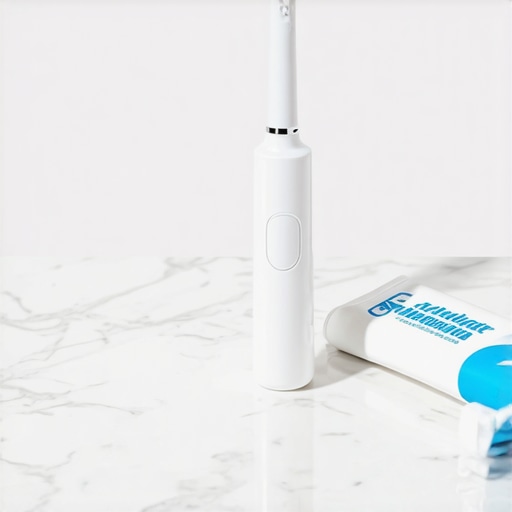
How do I keep this new enamel strong for the long haul?
Maintenance isn’t just about what you do in the bathroom; it’s about the chemistry of your day. I’ve started carrying a small bottle of alkaline water to sip on after my morning espresso. If you are a caffeine lover, finding how to keep your teeth white while drinking black coffee daily often comes down to neutralizing those acids before they can etch the surface. The International Journal of Molecular Sciences notes that nano-hydroxyapatite is the current gold standard for non-invasive enamel repair because it mimics the natural mineral composition of our teeth so closely. This isn’t just a trend; it’s the foundation of family dentistry tips for a lifetime of healthy smiles. If you find yourself dealing with an unexpected issue, like knowing how to handle a chipped front tooth on a friday night, you’ll be glad you spent the time fortifying the structure beforehand.
Why the Future of Dentistry is Bioactive
Looking ahead, we are moving away from the old-school ‘drill and fill’ mentality and toward ‘regeneration.’ By 2025, we will see even more focus on dental implants 2025 innovations that redefine comfort and durability, specifically focusing on materials that ‘talk’ to our bone cells for faster integration. The same logic is being applied to cosmetic work. We are finding the safest way to whiten teeth with sensitive enamel by using light-activated minerals rather than harsh peroxides. My best advice for you? Try the ’30-minute wait’ rule starting tomorrow. After your next meal, don’t reach for the brush. Instead, swish with water and let your saliva do its natural job. It is the single most effective, zero-cost way to ensure those translucent edges harden into a lifetime of strength.
The Hard Truth About Those Shimmering Tooth Tips
I used to think a perfectly healthy tooth had to be a solid, opaque white block. I was wrong. That thin, translucent shimmer is often just proof of high-quality, young enamel that hasn’t been stained or worn down yet. One of the biggest lessons I learned is that transparency is about light physics, not a lack of hygiene. If you try to ‘clean’ the clear away, you will actually cause the very damage you are trying to prevent. Another lightbulb moment was realizing that the ’30-minute rule’ is non-negotiable. Brushing immediately after an acidic breakfast is like using sandpaper on wet wood. You have to let the saliva do its job first. Finally, remember that your child’s teeth are still maturing from the inside out; the dentin will eventually catch up and fill in that ‘halo’ look. If you feel the urge to fix it immediately, you might be looking for cosmetic dentistry secrets to boost your confidence, but for a child, the best secret is simply patience.
My Daily Gear for Bulletproof Enamel
To protect those delicate edges, I’ve curated a toolkit that focuses on biology rather than just scrubbing. First, I moved my family to electric brushes with pressure sensors. If you press too hard, the brush slows down, which is essential for protecting the biting surface. Second, I replaced our standard paste with nano-hydroxyapatite formulas. This mineral actually bonds to the tooth structure to help densify those clear spots. Third, I keep a bottle of alkaline water in the car for post-snack rinses. This is one of the most effective family dentistry tips for a lifetime of healthy smiles because it kills the ‘acid attack’ before it can etch the enamel. Lastly, if you are an adult dealing with sensitivity alongside translucency, look into the safest way to whiten teeth with sensitive enamel to ensure you aren’t stripping your own protection in the name of beauty.
Building a Smile That Lasts Decades
Your child’s smile is a work in progress, and those see-through edges are just one chapter in their dental story. By focusing on mineralization and pH balance now, you are setting them up for a future where they won’t need to worry about veneers vs. crowns: which is right for your smile until they are much, much older. Trust the process, keep the soft-bristled brush handy, and remember that a little translucency is a sign of natural beauty. Have you noticed those glassy edges on your child’s new teeth, or did you experience them yourself? Let me know in the comments below!