I remember the first time I saw a ‘bruised’ lump on my son’s gums. It looked like he’d taken a stray toy to the face at full speed, but he hadn’t. I spent a good three hours down a Google rabbit hole, convinced he had a rare infection or needed immediate surgery. I even made the mistake of trying to ‘clean’ the area with a wet washcloth, which only made him cry and made me feel like an absolute failure. It was my classic over-parenting moment, born out of love but fueled by zero information. You see that puffiness and your brain immediately goes to the worst-case scenario. But most of the time, what you’re seeing is just a normal, albeit weird, part of the human body doing its job.
My midnight panic over a ‘bruised’ baby gum
If you’re staring at a puffy, red, or even slightly purple ridge in your child’s mouth right now, take a deep breath. You aren’t alone in that worry. In the world of family dentistry, we see these ‘eruption sites’ every single day. It’s usually just the body’s way of clearing a path for those brand-new teeth to make their grand entrance. Whether it’s their very first set of pearly whites or the big-kid molars coming in at the back, eruption involves a massive amount of pressure. Sometimes, a little bit of fluid or blood builds up under the surface, creating what looks like a scary bubble or a dark bruise. Today, I’m going to help you identify exactly what’s happening in that little mouth and when you actually need to pick up the phone. We’ll look at why gums puff up, how to tell if it’s a normal ‘bump’ or something like cavities vs deep grooves, and how to keep your sanity through the teething process.
Should I really just sit back and watch my kid’s gums turn blue?
It feels wrong to do nothing, doesn’t it? Our instinct is to fix things immediately. But according to the American Academy of Pediatric Dentistry, most ‘eruption cysts’ are benign and resolve themselves once the tooth breaks through the surface—absolutely no surgery required. I used to think every little change was a sign of a disaster, but most of the time, it’s just nature’s construction site. Have you ever noticed a weird color change in your child’s mouth that seemed to vanish overnight? If you’re seeing these changes along with a loose tooth, you might specifically wonder why your gums are swollen around a loose baby tooth. The process is remarkably similar to when they first come in. The tissues are reacting to movement, and while it looks dramatic, it’s rarely a cause for a trip to the ER. Let’s dive into the specific signs that mean things are moving exactly as they should be.
Identify the eruption hematoma before you panic
When a tooth is moving through the gum tissue, it is basically a slow-motion construction project. Sometimes, a tiny blood vessel leaks, and that blood gets trapped in a little pocket right above the crown. This is called an eruption hematoma. It looks dark blue or purple, like a grape hiding under the skin. If you see this, do not try to “pop” it. I once had a neighbor call me panicking because her toddler’s molar site was purple and bulging. She was ready to try and scrape it away with a spoon. I told her to put the spoon down and offer a frozen bagel instead. The risk of infection from home-made “surgeries” is massive. Instead, look for the “soft bounce.” If you gently touch it with a clean finger and it feels like a tiny, squishy water balloon, that is the body doing exactly what it should to facilitate the tooth’s exit.
Safe ways to handle the pressure at home
If your kid is fussy, the goal is not to remove the bruise but to manage the pressure. Cold is your best friend here. I found that freezing a damp, clean washcloth and letting my son gnaw on it worked wonders. The cold constricts the vessels and numbs the area naturally. If they are already on solid foods, a chilled silicone teether can provide the counter-pressure they crave. This is also a great time to start thinking about long-term protection, especially if those molars are the ones causing the ruckus. You might eventually want to look into why your child needs a dental sealant for their molars to keep those deep grooves safe from decay once they finally emerge.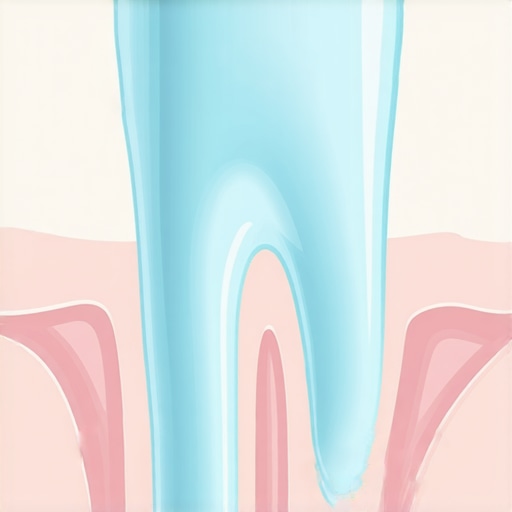
Watch for the red flags that mean it is an emergency
While 90% of these cases resolve on their own, you need to be a detective. If the area starts to smell bad, or if you see yellowish fluid leaking from the site, that is not an eruption cyst—that is an infection. Fever is another big one. A “teething fever” is usually very low-grade; anything over 101°F is likely something else entirely. If you are ever unsure, it is always better to know how to manage a toddlers first dental emergency safely rather than guessing. I remember a case where a parent was convinced a bump was just teething, but it turned out to be a small abscess from a nearby chipped tooth. If the child is lethargic or refuses to drink fluids, stop reading and call your pediatric dentist immediately.
Getting a stubborn toddler to cooperate for an inspection
We all know the “alligator snap”—that moment your child decides their mouth is a forbidden zone. To actually see what is going on with that bruise, try the “knee-to-knee” technique. Have another adult sit across from you, lay the child’s head in your lap while their legs are in the other person’s lap. This gives you a clear, bird’s-eye view of the upper and lower arches. If they still will not budge, knowing what to do when you have a sharp edge on a broken tooth or other obstacles can help, but specifically learning what to do when your toddler refuses to open their mouth for the dentist can help you navigate the struggle at home without making it a traumatic event. Once you get a good look, check for symmetry. Is the other side of the mouth doing the same thing? Often, teeth come in pairs, and seeing a similar bump on the opposite side is a huge sign that it is just standard growth. You might also notice gaps opening up as the jaw expands, and you can check how to tell if your childs tooth gap is normal to put your mind at ease about their future alignment.While that purple bump in a toddler’s mouth is usually a rite of passage, adult gum issues often hide a much more complex story. Many patients come to me thinking a cosmetic fix like a veneer is a ‘shield’ for a tooth, but that’s a dangerous oversimplification. In my years of practice, I’ve seen people rush into cosmetic dentistry secrets to boost your confidence without realizing that the underlying tissue is what dictates the success of any procedure. Everyone says the whiter the better, but in my experience, chasing a ‘refrigerator white’ shade is the fastest way to end up with a smile that looks synthetic.
The ‘piano key’ trap and how to avoid it
One of the biggest ‘oops’ factors I see in adult patients is ignoring the translucency of their dental work. If you choose a shade that is too opaque, you fall victim to the mistake that makes porcelain veneers look like piano keys. Real teeth have a certain depth to them; they aren’t flat blocks of color. This is why the reason your porcelain veneers look opaque and fake is often a lack of light transmission. If you are planning a transformation, you need to understand how to pick the right shade for your new porcelain veneers so they mimic the way light travels through natural enamel. 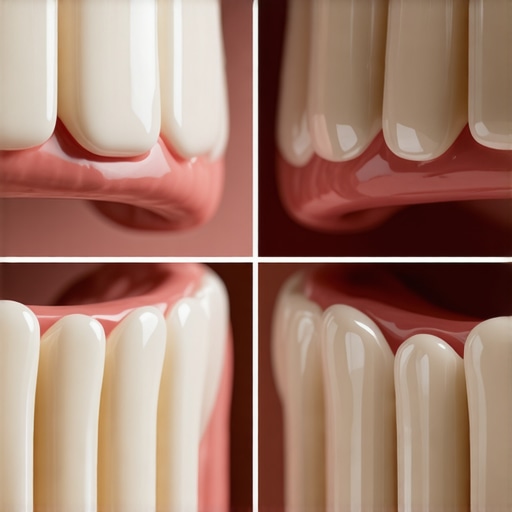
Is it normal for a high-end dental implant to feel ‘heavy’ or show a dark line?
This is a sophisticated concern that many beginner guides skip. If you’ve invested in a replacement tooth, you might worry about why your dental implant feels heavy in your jaw bone or notice that your dental implant is showing a tiny dark line at the base. While a dark line can sometimes indicate gum recession, it can also be a sign of ‘shadowing’ from the metal post underneath—a nuance that is often better managed through the future of dental implants cutting edge techniques in cosmetic dentistry like using zirconia abutments. A study published in the Journal of Prosthodontics emphasizes that the ‘pink esthetics’—the health and shape of the gum tissue—are actually more critical to the long-term success of an implant than the implant itself. It’s not just about the screw; it’s about how the body integrates with it. Don’t just look at the tooth; look at the frame around it.
Why your ‘perfect’ smile might look different in the mirror
Have you ever noticed the reason your veneers look different in sunlight versus indoors? This is called metamerism. It’s the same reason a paint color looks great in the store but ‘off’ in your living room. When you are sitting in the dental chair under bright fluorescent lights, your teeth look one way. But step outside, and the natural UV light changes everything. If your dentist doesn’t check your shade in multiple lighting environments, you’re being set up for a surprise. Have you ever fallen into this trap where you liked something in the office but hated it once you got home? Let me know in the comments.It is one thing to get the work done; it is another to keep it from failing three years down the line. I have seen patients spend thousands on a smile only to treat it like a rental car. If you have gone the implant route, you need to be surgical about your hygiene. I personally swear by the Waterpik with the Plaque Seeker tip. Why? Because manual flossing around an abutment can be tricky, and if you are not careful, you will miss the sulcus where bacteria love to hide. Learning how to safely clean a dental implant without scratching the post is the difference between a lifetime tooth and a costly failure.
The water flosser is your secret weapon for implants
While most people think a water flosser is just for people with braces, it is actually the gold standard for anyone with complex restorative work. A study published in the Journal of Clinical Periodontology found that peri-implant mucositis—a precursor to implant failure—affects nearly 43% of patients. Using a water flosser significantly reduces that risk by flushing out bio-film that a standard string can’t reach. If you are struggling with tight spaces between new restorations, you might find the secret to flossing when you have a permanent wire retainer actually applies quite well to the tight contacts of veneers too. 
How do I maintain my cosmetic work over the next ten years?
Longevity comes down to habit. I tell every veneer patient that their teeth are now jewels, not tools. No more opening plastic packages or biting your nails. For those who had a veneers transformation unlocking your best smile yet, the biggest threat is nocturnal grinding. Even the strongest porcelain can crack under the 250 pounds of pressure humans can exert during sleep. This is why a custom-fitted occlusal guard is non-negotiable. I have seen $20,000 smile makeovers destroyed in eighteen months because a patient thought they didn’t need the ‘bulky’ night guard.
Protect your investment with a custom night guard
Don’t settle for the boil-and-bite versions from the drugstore. They are often too soft, which can actually encourage your jaw to chew more during the night, exacerbating the problem. A hard acrylic guard from your dentist keeps the jaw in a neutral position and absorbs the shock. As we look toward the future of dental implants cutting edge techniques in cosmetic dentistry, we are already seeing ‘smart’ mouthguards that sync with your phone to track grinding intensity. This data helps us adjust your treatment before you ever feel a chip.
The AI trend in home dental care
In the next five years, I predict we will see a massive shift toward AI-integrated toothbrushes that use camera sensors to check for recession or early signs of the red flags that your dental implant is being rejected in real-time. We are moving away from reactive dentistry and into a phase of constant, digital monitoring. For now, my best advice is to treat your dental visits like a high-performance oil change. You need those expert tips for perfect results to stay valid. I want you to try this tonight: Use your water flosser on the lowest setting first, and focus specifically on the junction where the tooth meets the gum. If you see any pink in the sink, don’t stop—that is the signal that you need to be more consistent, not less.
The Hardest Lessons Learned in the Dental Chair
After years of navigating both parenting and professional dentistry, I have realized that the perfect moment to fix a problem is almost always right now. Waiting for a baby’s gum bruise to just go away is fine when it is an eruption site, but waiting too long to decide between veneers vs crowns for your own restorative needs can lead to more invasive procedures later. I have also learned that white isn’t a single color; it is a complex spectrum of light. If you want results that don’t look synthetic, you must follow expert tips for perfect results, which usually involve checking your tooth shade in the morning sun rather than just under the clinic LED panels.
My Personal Toolkit for a Lifetime Smile
I do not just recommend these tools to patients; I use them in my own home. For my kids, the transition from baby teeth to permanent molars was made easier by establishing a routine that prioritizes gum health early on. For adults, the benefit of using a water flosser extends far beyond those with metal wires; it is the most effective way to ensure your tissue stays healthy around cosmetic work. Additionally, if you have spent time and money on your alignment, you must prioritize how to stop your teeth from shifting by being consistent with your retainer or night guard. These small daily habits are what separate a temporary fix from a decades-long success story.
#IMAGE_PLACEHOLDER_E#
Look Forward to Your Next Milestone
Whether you are currently soothing a crying toddler with a purple gum ridge or researching the latest innovations in family dentistry, remember that your mouth is a living, breathing system that requires constant care. Do not let a scary-looking bump or a complex cosmetic decision keep you from seeking professional advice. Your smile is often the first thing the world sees, so make sure it reflects health and confidence. Have you ever been surprised by a sudden change in your child’s mouth or your own dental work that turned out to be a normal part of the process? Let me know your story in the comments below!