The clock on the microwave said 3:14 AM, and I was currently reconsidering every life choice that led me to getting my wisdom teeth pulled. It wasn’t just a ‘sore’ feeling; it was a deep, radiating throb that felt like it was trying to vibrate my jaw out of its socket. I had done the one thing my dentist told me not to do: I sipped a smoothie through a straw because I was ‘careful.’ Spoiler alert: I wasn’t. That tiny bit of suction was enough to yank the blood clot right out, leaving my nerve endings exposed to the cold, cruel air. If you’re reading this right now with a hand pressed to your face, I know exactly where you are. It’s miserable. It’s exhausting. And honestly, it feels a bit like a betrayal by your own body. We’re going to fix the immediate fire in your jaw tonight using things you probably already have in your pantry. I’ve been through the ringer with family dentistry tips for a lifetime of healthy smiles, but nothing prepares you for the raw intensity of a dry socket until you’re in the thick of it. Let’s get you some relief so you can actually get an hour or two of sleep.
The Reason Your Jaw Feels Like It is Pulsing Right Now
Most people think a dry socket is just a slow-healing wound, but it’s actually much more dramatic than that. When that clot goes missing, your bone and nerves are basically naked. According to the Journal of the American Dental Association, while this only happens in a small percentage of extractions, the pain is often cited as the most severe complication in outpatient dental surgery. It’s a different beast than the dull ache of getting dental implants 2025 innovations. This is sharp. It’s localized. And it’s incredibly stubborn. My biggest mistake early on was trying to ‘flush’ the area with a high-pressure water flosser, thinking I had food stuck in there. Don’t do that. You’ll just make it worse. We need to focus on soothing the nerve, not aggravating the site further. [IMAGE_PLACEHOLDER]
Is it actually possible to stop the throbbing at home?
You might be skeptical—I certainly was. When you’re in this much pain, a salt-water rinse feels like bringing a squirt gun to a forest fire. But the goal tonight isn’t a permanent cure; it’s management until you can contact us or your surgeon in the morning. Have you tried the ‘clove oil’ trick yet, or are you still at the ‘pacing the hallway’ stage? Let me know if you’ve already tried some over-the-counter meds that just aren’t touching the pain. We’re going to dive into the specific steps that actually work, starting with the one pantry staple that acts like a temporary nerve block.Grab a bottle of clove oil, also known as Eugenol. It’s the closest thing you’ll find to magic in a kitchen cabinet. I remember my first attempt at this; I was so desperate at 3 AM that I practically soaked a whole cotton ball in the stuff. It tasted like I was chewing on a Christmas tree made of batteries, and the oil dripped onto my lip, leaving a red, stinging mark for two days. But the relief inside that throbbing socket? It was near instant. Managing dry socket intensity is quite similar to how to manage gum pain after getting your braces tightened, but the sensation is much more localized and sharp. To do it right, soak just the tip of a cotton swab or a tiny, pea-sized piece of sterile gauze. Squeeze out every drop of excess—you do not want that oil running down your throat or coating your tongue—and gently place it over the socket. Do not pack it in like a suitcase. The goal is to let the vapors and a tiny bit of contact numb the exposed nerve endings without disturbing the area further. 
The Salt Water Tilt Method
You’ve likely heard that salt water is the gold standard for oral hygiene and family dentistry tips for a lifetime of healthy smiles, but right now, a traditional ‘rinse’ is your absolute enemy. If you swish like you’re using mouthwash, the suction and turbulence will just rip out any tiny progress your body has made in forming a new clot. Instead, mix about half a teaspoon of salt into eight ounces of lukewarm water. Take a small mouthful, tilt your head so the liquid pools over the extraction site, and just let it sit there for 30 to 60 seconds. When you’re done, lean over the sink and literally let the water fall out of your mouth. Do not spit. Spitting creates the same vacuum pressure that likely caused the dry socket in the first place. If you’ve wondered why your mouth feels salty all the time even when you don’t eat, you’ll definitely know the answer after this, but the saline is essential to keep bacteria from colonizing that exposed bone while it’s vulnerable.
Avoid the Suction Trap at All Costs
This sounds obvious, but when your mouth is dry and sore, you’ll be tempted to do things that make the pressure worse. No straws, no smoking, and no ‘clucking’ your tongue against the roof of your mouth. Even the way you swallow can matter. Try to keep your jaw relaxed. It’s a different kind of focus than how to tell if your tooth pain is a cavity or just a sinus infection, where the pain might change with your breathing. Here, the pain is structural.
Why You Should Sleep Propped Up on Three Pillows
The throbbing gets significantly worse when you lie flat because blood pressure increases in the vessels in your head. It’s a physical reality of fluid dynamics. By propping yourself up at a 45-degree angle—basically sleeping in a reclined position—you reduce the ‘pounding’ sensation of your pulse in your jaw. It won’t stop the nerve pain, but it lowers the volume of that internal drum that keeps you awake. You should also check for other irritants, like how to tell if your gum recession is caused by brushing too hard, because any inflammation in the surrounding gums will make the dry socket feel even more unbearable. When the sun finally comes up, make sure to contact us or your surgeon immediately. This isn’t a battle you can win alone, but these steps will at least help you survive the night without losing your mind.
While managing the immediate fire of a dry socket is a survival skill, the real expertise in modern dentistry comes when we look at long-term restorative choices. Most people think of family dentistry tips for a lifetime of healthy smiles as just being about avoiding cavities, but the true nuance—the stuff that separates a functional mouth from a masterpiece—lies in the details of cosmetic and implant work. One of the biggest myths I encounter is that ‘white’ equals ‘healthy.’ In reality, the mistake that makes your teeth look too white and fake is the most frequent regret I hear from patients who sought out a quick transformation. Natural teeth have depth and translucency; they aren’t solid blocks of color. When a veneer is too opaque, it reflects light like a piece of plastic rather than a living part of your smile. It is about the interplay of light reflection, not just choosing the highest shade on a plastic tab.
Why Your New Smile Might Feel Too Thick
Then there is the structural ‘oops’ factor that many people overlook until it is too late. Many patients rush into cosmetic work to hide crowding, only to find that why your porcelain veneers might feel bulky at first is often because the underlying teeth weren’t properly aligned before the porcelain was applied. You cannot simply stack ceramic on top of a structural problem and expect it to feel natural to your tongue or look right in photos. Sometimes, the right move is a more comprehensive approach, carefully weighing veneers vs crowns choosing the best option for your smile to ensure you aren’t sacrificing long-term durability for a fast aesthetic fix. If the bite isn’t perfectly calibrated, you risk chipping your new investment within months.
Is it too late for implants if you have waited years?
This is a common concern for those who have lived with a gap for a long time, assuming the bone has long since withered away. However, the truth about getting dental implants if you have existing bone loss is that modern grafting techniques and 3D imaging can rebuild almost any site. The nuance lies in ‘bio-integration.’ According to a study published in the Journal of Oral Implantology, the success of an implant depends heavily on the ‘platform switching’ design and how the soft tissue attaches to the abutment, not just the screw itself. This biological seal is what prevents bacteria from reaching the bone. This complexity is also the reason your dental implant feels different than a natural tooth—it lacks the nerve-rich periodontal ligament, meaning your brain does not receive the same ‘pressure’ signals when you chew. Without that feedback loop, you have to be extra mindful not to over-stress the restoration. Have you ever fallen into the ‘quicker is better’ trap with your dental work, or opted for a shade that felt a little too bright? Let me know in the comments below.
Maintaining a high-end restoration isn’t just about ‘brushing twice a day.’ If you have invested in veneers transformation unlocking your best smile yet, you have essentially bought a piece of fine jewelry for your mouth. You wouldn’t clean a diamond with a scouring pad, and you shouldn’t treat your new porcelain with a generic, abrasive toothpaste. I personally advocate for using an oral irrigator, but there is a trick most people miss: you have to use it on the low-pressure ‘massage’ setting around the margins of the crown or veneer. High-pressure streams can actually cause micro-trauma to the delicate gum tissue, leading to why your gums bleed every time you try a new electric toothbrush and eventually causing recession that exposes the edge of your restoration.
Stop guessing if your cleaning routine actually works
I started using disclosing tablets—those little red chewable dyes—once a week, even as an adult. It sounds like something for kids, but it’s the only way to see exactly where biofilm is hiding around how to fix the gap that appeared between your gums and your new bridge. If you can’t see the plaque, you aren’t removing it. For those with implants, I highly recommend specialized ‘implant floss’ that has a built-in stiff threader. Standard floss is often too thin to effectively clean the wider base of an implant abutment, which is often why your dental implant crown feels loose after years of use due to silent inflammation beneath the surface.
Why I trust 3D imaging over a standard X-ray
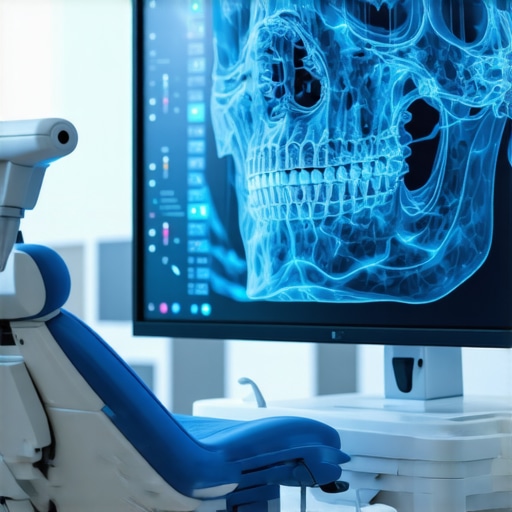
When we look at the ‘scaling’ of your dental health, we have to talk about diagnostics. The shift toward the future of dental implants cutting edge techniques in cosmetic dentistry is heavily reliant on CBCT (Cone Beam Computed Tomography). I won’t let anyone touch my jawbone without a 3D scan first. According to the American Academy of Oral and Maxillofacial Radiology (AAOMR), CBCT provides a sub-millimeter resolution that standard 2D bitewings simply cannot match. It allows us to see the exact density of the bone and the path of the nerves. This level of detail is exactly what your culpeper dentist sees on a cbct scan that a standard x-ray misses, and it is the difference between a successful implant and a surgical complication. I predict that in the next five years, we will see AI-driven software that automatically compares these 3D scans year-over-year to detect bone loss long before a human eye could ever spot it.
How do I keep my new smile looking fresh for decades?
Consistency is your only real currency here. You have to understand the truth about the lifespan of a dental implant; the titanium may last forever, but the bone holding it and the crown on top of it are subject to the same wear and tear as natural teeth. I tell all my friends to wear a night guard, even if they don’t think they grind. The sheer force of nocturnal clenching is the number one cause of porcelain fracture. If you want to take your maintenance to the next level, I challenge you to try a ‘disclosing tablet’ test tonight. You will be shocked at the spots you’ve been missing around your gums. If you see red, you know exactly where to focus your brush to prevent how to tell if your gum recession is caused by brushing too hard or neglect. Let’s keep that investment safe.
The Hardest Lesson I Learned About Protecting Your Dental Investment
After years of observing patient outcomes, the most vital lightbulb moment I can share is that a ‘new smile’ is a beginning, not a finish line. Many believe that because porcelain cannot decay, the work is invincible; however, the truth about the lifespan of a dental implant is that the surrounding bone and gum tissue remain susceptible to your body’s biological changes. Another hard truth: your bite is dynamic. If you have invested in high-end cosmetic dentistry secrets to boost your confidence, failing to wear a night guard is the fastest way to turn a masterpiece back into a repair project. Finally, never underestimate the power of a second opinion regarding structural alignment; aesthetics without proper function is just a ticking clock.
The Essential Kit That Keeps My Smile Looking Expensive
I don’t trust my dental longevity to luck, and you shouldn’t either. To maintain that ‘fresh from the chair’ look, I personally rely on a few specific tools. First, a high-quality water flosser is non-negotiable, particularly for keeping the area around an implant abutment free of biofilm. Second, I always recommend keeping our guide on family dentistry tips for a lifetime of healthy smiles handy to troubleshoot minor issues before they become emergencies. Lastly, look into specialized interproximal brushes; they reach the ‘impossible’ angles where standard floss often fails to clear away debris that can cause localized inflammation.
Stop Hiding and Start Smiling Again
It is completely normal to feel overwhelmed by the technical details of modern oral care, especially when you are dealing with the immediate stress of a dry socket or a missing tooth. But seeing how dental implants reshape your oral health in 2025 gives me immense hope for anyone struggling with their confidence. You deserve a smile that feels as good as it looks. If you are tired of the ‘quick fix’ cycle and want a plan that actually lasts, please contact us today to discuss your options. Have you ever put off a dental procedure because you were worried about the recovery, only to find the results were life-changing? Let me know your story in the comments below.