I was sitting in a quiet office meeting when it hit me. That unmistakable, sharp tang of copper. I hadn’t eaten anything weird, and I definitely hadn’t been chewing on office supplies. It felt like I’d just licked a rusted fence post. I tried to discreetly sip some coffee to wash it away, but the bitterness only made the metallic edge sharper. It’s a jarring experience that makes you want to hide your face behind your hand for the rest of the day. For a long time, I just ignored it, figuring it was a fluke. That was my first big mistake. I assumed my mouth was just “off” for a day, but that penny-like aroma is actually a very specific distress signal from your body. Today, we’re going to get to the bottom of why this happens and how you can reclaim a fresh, neutral-tasting mouth without the panic.
Your Mouth is Trying to Tell You Something Important
We usually associate bad breath with morning mouth or too much onion, but the metallic variety—technically known as parageusia—is a different animal. I spent weeks trying to mask it with extra-strength mints. Big mistake. All I did was create a weird “wintergreen-copper” fusion that was arguably worse. It wasn’t until I sat down with a professional that I realized I was ignoring the basics of oral health. Sometimes, the issue stems from old dental work or even the way your dental implant feels different than a natural tooth as it interacts with your gums. Other times, it is just plain old inflammation. If you’ve noticed why your mouth feels sticky and dry when you wake up, you might be dealing with a lack of saliva, which allows those metallic-tasting bacteria to throw a party in your mouth.
Is this metallic taste actually worth worrying about?
I get it. You do not want to be the person who runs to the doctor for every little thing. I was the same way. I figured it was just “one of those things.” But here is the reality: your mouth is a delicate ecosystem. When you start tasting spare change, it is often because of “micro-bleeding” in the gums. Because blood contains iron, that’s exactly what you taste. According to the Cleveland Clinic, a metallic taste can be a side effect of everything from sinus infections to vitamin deficiencies, but most often, it’s a sign that your gum health needs a tune-up. I ignored it until my gums started looking puffy, and let me tell you, catching it early is much easier than dealing with gum recession later on. Have you ever experienced this sudden copper sensation while just going about your day? If so, do not wait as long as I did to address it. You can always check in with a pro to get peace of mind. Let us look at the most common culprits so you can stop guessing and start fixing.
Stop the Bleeding Before It Becomes Permanent
The very first thing you need to do is a deep audit of your current routine. Think of your mouth like a high-performance engine; if you don’t change the oil, the metal starts to grind. Most people brush and think they’re done, but why your breath still smells bad after brushing and flossing usually comes down to the areas you can’t see. If you have any dental work, like a bridge or braces, you have to be even more surgical. I used to be lazy with my back molars until I realized that’s exactly where the copper-tasting bacteria were setting up camp.
Clean the Cracks Where Copper Hides
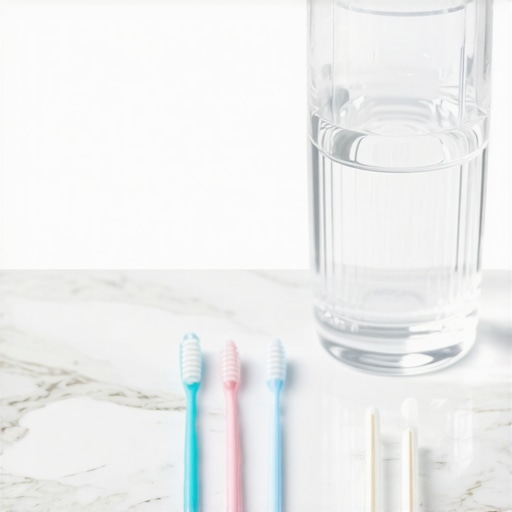
You need to get aggressive with flossing—but not violent. If you have fixed gear in your mouth, you need specialized tools. Learning the secret to flossing comfortably with a permanent retainer or a bridge is a game changer. When I finally started using a threader consistently, the bleeding gum taste vanished within four days. If your gums are healthy, they shouldn’t bleed when you clean them. If they do, that iron-rich blood is exactly what’s causing that metallic sensation.
Check Your Hardware for Hidden Problems
Sometimes the metal taste isn’t from your gums at all, but from what’s actually in your mouth. If you’ve recently invested in your smile, it’s worth noting how dental implants reshape your oral health in 2025. Modern materials are incredibly biocompatible, but if a crown is loose or a veneer is chipped, food can get trapped and ferment, creating a sharp, metallic byproduct. I had a friend who thought her new dental work was leaking metal, but it turned out to be a tiny gap in her bonding where bacteria were thriving.
Keep the Saliva Moving to Neutralize the Metal
Dryness is the best friend of a metallic mouth. Saliva is your natural mouthwash; it neutralizes acids and washes away the metallic ions. If you’ve ever wondered why your mouth feels sticky and dry when you wake up, you’re experiencing the perfect environment for parageusia. I remember one specific Tuesday where I was so busy I didn’t drink water for six hours. By 3 PM, my mouth tasted like I’d been sucking on a handful of pennies. I thought I was getting a sinus infection, but a liter of water and a quick rinse proved me wrong. For long-term success, follow family dentistry tips for a lifetime of healthy smiles to keep your hydration and hygiene in check.
Address Your Dental Work Directly
If the taste persists, it might be time to look at the structural integrity of your teeth. Whether it is a veneers vs crowns situation or an aging filling, old dental materials can occasionally break down or cause a galvanic shock sensation—that weird metallic zing. When I had my old silver fillings replaced with porcelain, the constant metallic background noise in my mouth finally went silent. Don’t let the tang become your new normal when the solution is often just a matter of tightening up your daily maintenance or updating a piece of hardware.
Why your perfect porcelain might be hiding a gum problem
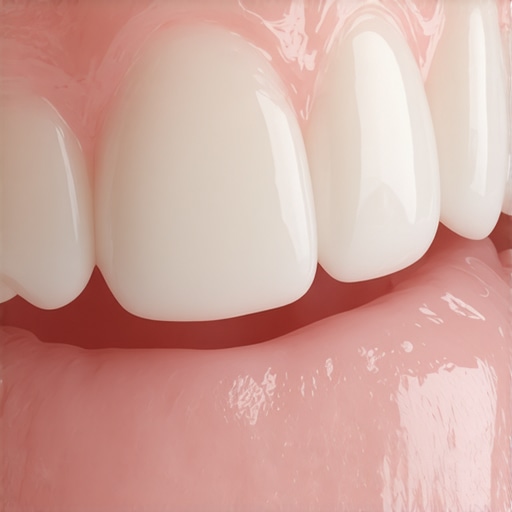
Most people assume that once they get a veneers transformation unlocking your best smile yet, their worries are over. There is a common myth that synthetic materials like porcelain or titanium are ‘invincible’ because they can’t get cavities. In my experience, that mindset is exactly what leads to that lingering copper taste. While the porcelain itself won’t decay, the biological interface—the tiny space where your gum meets the restoration—is incredibly sensitive. If the fit isn’t microscopically perfect, you get what we call ‘micro-leakage.’ Bacteria hide under the edge of the veneer, causing inflammation that you eventually taste as iron or metal.
The trap of choosing the whitest shade possible
Here is an ‘oops’ factor I see constantly: patients demanding the brightest ‘bleach shade’ without considering translucency. When you go too white, the lab often has to make the porcelain more opaque to mask the natural tooth underneath. This is why your veneers look too opaque and how to make them look natural is such a frequent conversation in cosmetic dentistry. Opaque porcelain lacks the light-filtering qualities of natural enamel, but more importantly, it often requires a thicker build-up. This extra bulk can irritate the gum line, leading to chronic low-grade bleeding—the primary source of that penny-like flavor in your mouth. If you’ve noticed why your porcelain veneers might feel bulky at first, it’s usually because the transition between the tooth and the veneer isn’t seamless, creating a ‘shelf’ for bacteria to grow.
What happens when your ‘perfect’ implant starts to feel like a foreign object?
Advanced patients often ask: ‘If my x-ray looks perfect, why does my mouth still taste like spare change?’ The nuance here lies in ‘peri-implant mucositis.’ According to a study published in the Journal of Oral Implantology, soft tissue health is just as critical as bone integration. You can have a rock-solid post, but if the gum tissue isn’t tightly sealed around the abutment, you’re looking at a gateway for metallic-tasting anaerobic bacteria. This is a core part of how dental implants reshape your oral health in 2025; we are moving away from just ‘bone’ success to ‘biological’ success. If you ignore that slight metallic tang, you might be overlooking the early stages of the truth about why your dental implant feels loose later on. Check the color of your gums; why your gums look dark around a porcelain-fused-to-metal crown or implant is often a sign of thinning tissue or metal oxidation, both of which require professional attention.
Think of your dental hardware as a living system
We need to stop treating cosmetic dentistry as a ‘one-and-done’ purchase. Even with dental implants 2025 innovations that redefine comfort and durability, the environment in your mouth is constantly changing. Your bite shifts, your gums recede naturally with age, and those tight seals can loosen. I’ve seen people spend a fortune on their smile only to skip the specialized cleaning required for their new hardware. If you aren’t using the right tools, you’re just leaving the door open for that metallic distress signal to return. Have you ever fallen into this trap of thinking your new smile was maintenance-free? Let me know in the comments. If you’re currently tasting metal despite your best efforts, it might be time to contact us to evaluate the seal of your restorations before a small leak becomes a big problem.
The gear that finally killed the copper taste
I spent years thinking a standard manual brush was ‘good enough.’ I was wrong. If you have invested in your smile, you need to treat it like a luxury vehicle, not a lawnmower. The first tool I cannot live without is a high-end water flosser. It is not just about blowing water between your teeth; it is about disrupting the biofilm that gathers at the base of a crown or veneer where traditional floss sometimes struggles to reach. I specifically recommend the Waterpik Aquarius series because of its pulse-modulation technology. It does not just rinse; it massages the gingival tissue, which increases blood flow and helps eliminate that ‘tight’ feeling some experience after getting new work. For those with ortho work or bridges, learning the secret to flossing comfortably with a permanent retainer makes the difference between a healthy mouth and chronic, metallic-tasting inflammation. 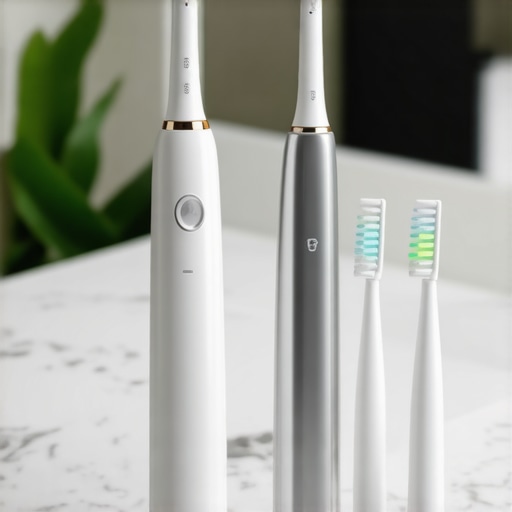
Stop guessing with a sonic pressure sensor
Another game-changer was switching to a sonic toothbrush with a built-in pressure sensor. I used to be a ‘scrubber,’ which is the fastest way to ruin expensive dental work and cause sensitivity. If you suspect your hygiene routine is too aggressive, look for signs like bleeding or shifting gum lines; knowing how to tell if your gum recession is caused by brushing too hard can save you from needing painful graft surgery later. According to Dr. Gordon Christensen of the CR Foundation, the use of a power toothbrush significantly reduces plaque accumulation at the restorative margin compared to manual brushing, extending the life of your porcelain restorations by several years.
How do I maintain my dental work over time?
Consistency is the obvious answer, but the real secret is mechanical precision. I have started using TePe interdental brushes—those tiny, specialized ‘tree’ brushes—specifically for the gaps under bridges where food often gets trapped. I use them twice a day, focusing on the underside of the pontic to ensure no debris causes that metallic odor or bacteria buildup. For long-term success, follow family dentistry tips for a lifetime of healthy smiles to ensure every member of the house keeps their hardware in top shape. If you want to know the truth about the lifespan of a dental implant, it really comes down to how well you manage the ‘bio-load’ on those synthetic surfaces day after day.
Smart sensors are the next big thing
I predict that by 2030, we will not just be ‘brushing’; we will be ‘monitoring’ our oral health in real-time. We are already seeing dental implants 2025 innovations that redefine comfort and durability, but the next step is embedded smart sensors. Imagine a veneer or implant with a built-in pH sensor that alerts your phone when your mouth becomes too acidic, preventing decay before it even starts. This is part of how dental implants reshape your oral health in 2025, moving us toward proactive biological success. My advanced tip for you is to start using a 0.05% sodium fluoride rinse every single night before bed; it is not just for kids, it helps harden the natural tooth structure that supports your porcelain. If you want to keep your results looking incredible, check out these expert tips for perfect results to stay ahead of the curve. Don’t wait for that metallic taste to return; contact us to schedule a professional ‘hardware check’ and ensure your investment stays secure for the next twenty years.
Lessons from the Copper Penny Trap
I learned the hard way that a beautiful smile is about more than just aesthetics. For years, I thought that once I completed my veneers transformation unlocking your best smile yet, I could stop worrying about the biological details. Here are the three biggest shifts in my perspective that finally cleared that metallic tang for good:
- Synthetic teeth still require biological care: Just because porcelain can’t get a cavity doesn’t mean the gums around it are invincible. Most metallic tastes come from the tiny gap where your hardware meets your living tissue.
- The “Interface” is the danger zone: I used to brush the surface of my teeth, but I learned that the real action happens at the gum line. If that seal isn’t perfect, bacteria create the iron-like scent you’re tasting.
- Copper is a signal, not a sentence: I stopped viewing parageusia as a scary mystery and started seeing it as my body’s early-warning system. It’s the “check engine” light for your mouth.
The Pro-Gear I Wish I Had Bought Sooner
To keep your mouth neutral and fresh, you need to move beyond the drugstore basics. My daily routine now revolves around a few specific tools that keep my hardware pristine. First, a high-pressure water flosser is non-negotiable for anyone with crowns or implants; it reaches the spots where traditional floss just glides over. Second, I swear by interdental brushes for cleaning the underside of bridges. Finally, understanding the truth about the lifespan of a dental implant helped me realize that professional maintenance is the only way to avoid oxidation and inflammation issues. I also recommend a pH-balancing mouthwash to keep the environment too alkaline for those metallic-tasting bacteria to survive.
Your Path to a Neutral and Fresh Smile
You don’t have to live with a mouth that tastes like spare change. By focusing on the health of your gums and the precision of your dental hardware, you can reclaim your confidence. Use these cosmetic dentistry secrets to boost your confidence and remember that a fresh-tasting mouth is the ultimate sign of a healthy body. If you’ve tried everything and that metallic taste still won’t budge, it’s time to contact us and let a professional inspect the seal of your restorations. Your investment deserves to look—and taste—perfect every single day. Have you ever noticed a strange metallic sensation right after getting new dental work? Let me know your experience in the comments below!