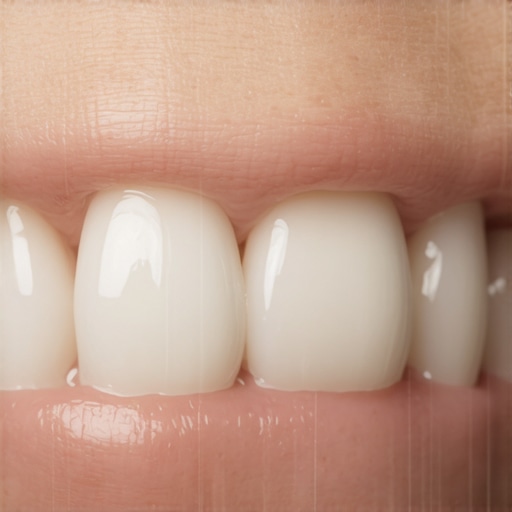
I remember the first time I caught a glimpse of myself in a bathroom mirror under those harsh, flickering fluorescent lights. I had just spent a small fortune on a smile makeover, expecting a Hollywood transformation. Instead? I looked like I had glued white refrigerator tiles to my gums. They didn’t look like teeth; they looked like a flat, solid wall of ‘Too White.’ It was a gut-punch moment. I had been so focused on getting that bright, celebrity glow that I completely ignored how light actually interacts with a human tooth. If you’re staring at your reflection right now feeling like your smile looks more like a row of Chiclets than a natural set of pearly whites, believe me, I’ve been in that chair. Many people think ‘white’ equals ‘perfect,’ but the secret to a stunning veneers transformation isn’t just the shade—it’s the depth. When your porcelain veneers look opaque, they lose that vital ‘life’ that real enamel has. We’re going to dive into why this happens and how you can actually fix that flat, artificial look.
Why Your New Smile Looks More Like Plastic Than Porcelain
The biggest mistake I made early on—and I see so many people repeat it—was demanding the absolute brightest shade on the guide. I thought more bleach-white meant more beauty. I was wrong. Natural teeth are actually quite translucent, especially at the edges. According to the Journal of Cosmetic Dentistry, natural enamel allows light to penetrate and scatter through the underlying dentin, a property called ‘optical depth.’ When a veneer is too thick or the material is too dense, it blocks that light. It’s like the difference between a glass of milk and a piece of white marble. One has life; the other is just… there. If you’re wondering why your veneers look too opaque, it usually comes down to a lack of ‘incisal translucency’ or a lab technician who went a little too heavy on the opaquing agent to hide a dark tooth underneath. Often, this happens when we try to skip steps in the expert tips for perfect results, like not prepping the tooth enough for the porcelain to have adequate thickness without looking bulky.
Is it actually possible to make them look real?
You might be sitting there thinking, ‘I’ve already spent the money, am I stuck with these glowing rectangles forever?’ It’s a terrifying thought. You shouldn’t have to choose between veneers vs crowns just to get a natural look, but you do need to understand how the light hits. Sometimes the issue is that your veneers look like white chiclets because they lack surface texture. Real teeth have tiny ridges and valleys that catch the light. Without them, you’re just reflecting a solid, unnatural beam of light back at everyone you meet. Have you ever felt like your smile was ‘shouting’ at people before you even said hello? If so, you aren’t alone, and there are ways to soften that look even after they’ve been bonded.
Create Depth with Layered Porcelain
When I was working on a case last year, the patient insisted on the brightest shade available. We bonded the trial set, and it looked like a row of white piano keys. We had to go back to the lab and request ‘maverick colors’—those tiny internal stains and flecks that mimic real dentin. This is where cosmetic dentistry secrets to boost your confidence really come into play. You have to ask your dentist for a multi-layered approach rather than a monolithic block of ceramic. Instead of one solid color, high-end veneers use layers of varying opacity to build a tooth from the inside out.
Mimic the Clear Edges of Natural Teeth
Real teeth are like a frosted window; you can almost see through the very bottom. This is called incisal translucency. If your current set lacks this, they will always look ‘heavy’ and artificial. If you notice why your teeth look translucent at the edges, you will realize that this is a hallmark of youth. To fix opaque veneers, a skilled technician can sometimes micro-etch the edges to allow more light to pass through. If the material is simply too dense, you may need to look at cutting-edge techniques in cosmetic dentistry that utilize newer, glass-based ceramics like lithium disilicate which better mimic the light-handling properties of a human tooth.
Rough Up the Surface for a Natural Glow
Think about a glossy photo versus a matte one. A flat, polished veneer reflects a single, harsh point of light. I remember my own ‘Chiclet’ phase where my teeth looked like they were made of plastic. The fix was adding ‘perikymata’—those microscopic horizontal ridges found on real enamel. By gently polishing these into the porcelain, the light scatters in different directions, making the tooth look three-dimensional. This tiny tweak is one of the expert tips for perfect results that separates a standard job from a masterpiece. If your veneers are already bonded, a cosmetic dentist can sometimes use a fine diamond bur to introduce subtle texture and then hand-polish them back to a natural luster.
Balance Your Prep for the Perfect Fit
Sometimes the opacity is a cover-up. If a tooth is naturally dark, the lab uses an ‘opaquer’ to hide it. However, if the dentist doesn’t remove enough of the natural tooth, the porcelain has to be thin, making it impossible to hide the dark stump without looking flat. In these cases, the debate between veneers vs crowns becomes a critical choice. A crown allows for more thickness to hide discoloration while still maintaining a lifelike exterior. If you are researching why your veneers look too opaque and how to make them look natural, you must ensure the ‘prep’ provides enough room for the ceramicist. Without that physical space, you’re just layering white paint on a dark wall. Following 3 secrets to making your porcelain veneers last twenty years starts with this foundational design—getting the thickness right so the light doesn’t just hit the surface and stop.
Let’s dig deeper into the world of high-end restorations. Most people assume that once they get a dental implant, they are ‘immune’ to oral health issues in that spot. While it’s true that titanium can’t decay, the surrounding tissue is actually more vulnerable than it was with your natural teeth. This is a nuance often skipped in basic consultations. In my experience, patients who treat their restorations like ‘set-and-forget’ hardware end up back in the chair sooner than those who understand the delicate biology of the mouth. Have you ever fallen into the trap of thinking your new teeth were indestructible? Let me know in the comments because it’s a common misconception that can lead to heartbreak.
Stop Treating Your Implants Like Indestructible Iron
The biggest myth I encounter is that implants are tougher than real teeth. In reality, the way an implant attaches to your jaw is fundamentally different. Natural teeth have a periodontal ligament that acts as a shock absorber and a barrier against bacteria. Implants don’t. This lack of a ‘natural seal’ means that if you aren’t vigilant, bacteria can slide down the post much faster than they would on a real tooth. This is why the truth about the lifespan of a dental implant is so closely tied to your hygiene habits. According to a study published in the International Journal of Implant Dentistry, peri-implantitis is a leading cause of failure, often triggered by the same habits that led to the original tooth loss. If you notice a dull ache, you need to know how to tell if your dental implant is rejecting or just healing before the bone loss becomes irreversible.
Why Your Gums Might Revolt Against Your New Veneers
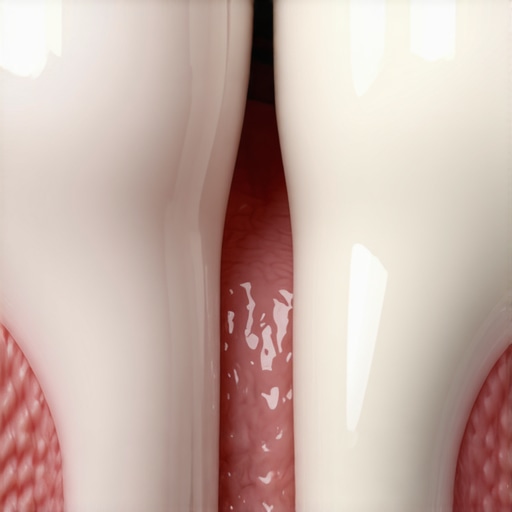
Another ‘oops’ factor I see frequently involves what we call ‘biological width.’ This is the specific amount of space your gum tissue needs to attach to the tooth. If a dentist places a veneer too deep under the gum line to hide the seam, the body views that porcelain as a foreign invader. The result? Chronic redness, swelling, and bleeding that no amount of flossing can fix. You might think your veneers feel tight against your natural teeth because they are ‘settling in,’ but it could actually be your gums reacting to a violation of this biological space. True cosmetic dentistry secrets to boost your confidence aren’t just about the porcelain; they are about the health of the pink frame around the teeth.
Can You Really Keep Your Gums Healthy Without Sacrificing the Look?
Advanced readers often ask if they have to choose between a visible ‘margin’ at the gum line or healthy tissue. The answer is no, but it requires precision. A skilled clinician uses a ‘supra-gingival’ approach where possible, or very shallow margins that respect the tissue. This is a core part of family dentistry tips for a lifetime of healthy smiles: the foundation must be healthy before the decorations go on. If you are debating veneers vs crowns, remember that crowns often require more aggressive gum-line prep, which increases this risk.
The Hidden Danger of the Perfect Bite
Finally, let’s talk about the ‘trap’ of ignoring occlusion—how your teeth meet. If your new veneers or implants are even a fraction of a millimeter too high, the force of your bite will concentrate on that one spot. This leads to fractures, or worse, jaw pain. Many patients focus on the mirror, but I focus on the ‘paper test’ where we check the bite. If you’ve invested in a veneers transformation, you must protect it. Forgetting this is why some people experience habits that cause your porcelain veneers to pop off unexpectedly. Always consider the risk of skipping your night guard for just one week; that small piece of plastic is the only thing standing between your investment and a costly repair. Whether you are looking into cutting-edge techniques in cosmetic dentistry or standard care, the nuance of the ‘bite’ is what determines if your smile lasts five years or twenty.
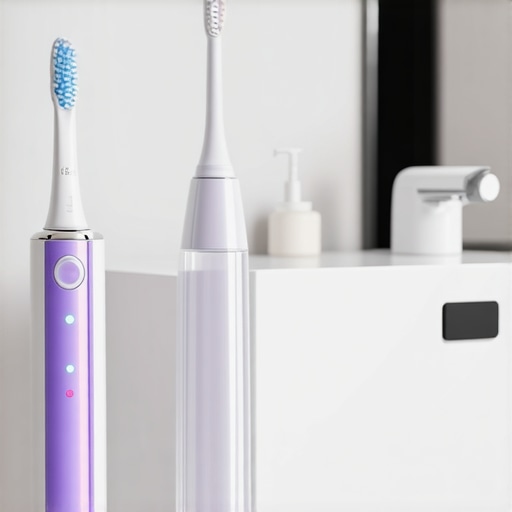
Once you’ve successfully navigated the aesthetic hurdles, you enter what I call the ‘Maintenance Era.’ Most people think the hard part is over once the anesthesia wears off, but the reality is that the longevity of your work depends on the tools you use every single day. I’ve seen patients spend thirty thousand dollars on a veneers transformation only to treat them like they bought them at a drugstore. For me, the game-changer was moving away from manual tools. I personally swear by a sonic toothbrush with a built-in pressure sensor. It’s not just about the vibrations; it’s about the feedback loop. If you press too hard, you risk mechanical wear, which is one of the leading reasons why your gums are receding even though you brush twice a day. You need a tool that forces you to be gentle while the technology handles the plaque removal.
The Pro-Level Tools I Actually Use at Home
For my implants, I ditched traditional string floss years ago. It tends to shred against the titanium or the underside of a bridge, which is frustrating and ineffective. Instead, I use a high-powered water flosser with a specialized ‘plaque seeker’ tip. This is essential when you are learning how to clean under a dental bridge without shredding your floss. The targeted stream of water flushes out the ‘biofilm’ that manual flossing often just pushes around. I also keep a stash of interproximal brushes—those tiny, Christmas-tree-shaped ones—for the tight spots around my back molars. If you are following the 3 secrets to making your porcelain veneers last twenty years, you know that keeping the margins where the porcelain meets the tooth perfectly clean is the only way to prevent ‘leakage’ and decay underneath the restoration.
How do I maintain my cosmetic dental work over time?
Maintenance isn’t just about what you do in the bathroom; it’s about the data you get at the office. I recommend asking your dentist for a ‘T-Scan’ or digital bite analysis once a year. Traditional blue articulating paper only shows where your teeth touch, not the *force* behind the touch. As Dr. Pascal Magne, a leading voice in biomimetic dentistry, points out, the goal of modern restoration is to mimic the natural tooth’s ability to distribute stress. If your bite shifts slightly—which it naturally does as we age—you could be putting a 200-pound hammer blow on a single veneer every time you chew. This leads to the habits that cause your porcelain veneers to pop off unexpectedly. By digitally mapping the bite, we can make microscopic adjustments before a crack even starts to form.
The Shift Toward AI-Driven Dental Monitoring
Looking ahead, I predict we are moving toward a ‘smart’ maintenance model. We are already seeing the rise of AI-powered intraoral cameras that patients can use at home to send high-resolution scans to their dentist. This means instead of waiting for your six-month cleaning, your dentist can spot a tiny bit of inflammation or a micro-crack in real-time. This level of oversight is exactly how dental implants reshape your oral health in 2025—by making care proactive rather than reactive. If you want to ensure the truth about the lifespan of a dental implant is measured in decades rather than years, you have to embrace these diagnostic tools. Don’t just settle for a quick polish; ask your provider for a high-definition scan to track changes over time. My advanced tip? Invest in a high-quality night guard immediately, even if you don’t think you grind your teeth. The ‘passive’ protection it provides while you sleep is the single best insurance policy for your smile.
The Hardest Lesson I Learned About the ‘Perfect’ Smile
The biggest ‘aha!’ moment I had after years in the industry was realizing that the best dental work is the kind no one actually asks about. When people stop saying ‘your teeth look great’ and start saying ‘you look refreshed,’ you have officially won the game of aesthetics. I used to think the goal was a flawless, symmetrical line of white, but real beauty thrives in the slight imperfections that mimic nature. These cosmetic dentistry secrets to boost your confidence are often found in the subtle translucency at the edges and the way light dances off the surface texture rather than hitting a flat wall of ceramic.
#IMAGE_PLACEHOLDER_E#
A Toolkit for Your Forever Glow
If you want your investment to last, you need a strategy that goes beyond just brushing twice a day. Here are the specific tools I personally trust and use: First, a custom-fitted night guard is non-negotiable. It is the single most important insurance policy for your veneers transformation to prevent chipping. Second, a high-powered water flosser is essential for flushing out the biofilm around restorations, which is a key part of embracing dental implants 2025 innovations. Finally, an intraoral mirror allows you to inspect the health of your gum line in high-definition, catching inflammation early.
Step Into Your Most Natural Confidence
The journey to a better smile shouldn’t feel like a compromise between health and beauty. By focusing on the biological foundations—like gum health and bite alignment—you ensure that your new look isn’t just a temporary fix but a lifelong upgrade. If you are ready to take the next step, I highly recommend looking into expert tips for perfect results to ensure your provider understands the balance of light and depth. You deserve a smile that feels like yours, only better. If you have questions about your specific case, don’t hesitate to contact us for personalized guidance. Have you ever felt like your dental work looked just a little too ‘perfect’ or artificial? Let me know in the comments below!