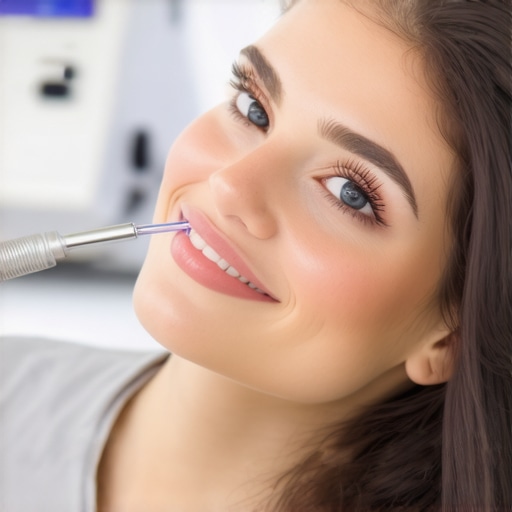
I remember the moment I finally realized my family dentist had switched to laser treatments. It was a sleepy Tuesday afternoon, and I was in the chair, bracing myself for that familiar, almost predictable drill. But instead, I felt a gentle warmth, a whisper-quiet beam cutting through my cavity. Shocked, I wondered: Why on earth would a dentist abandon traditional drills for lasers? That small shift changed everything I thought I knew about dental care. And from that day, I became curious about this high-tech evolution.
Why Are Family Dentists Falling in Love with Lasers in 2026?
Every year, dental technology advances—and 2026 is no exception. But what’s driving this radical shift from pounding drills to laser precision? The answer is simple: patients get better, faster, and less painful treatments. As someone who’s experienced both, I can tell you that not all innovations are created equal. My initial mistake was dismissing laser treatments as a gimmick—until I saw the real benefits firsthand. This glut of high-tech upgrades is transforming family dentistry into a more comfortable, efficient, and effective practice for everyone involved.
Is Laser Dentistry Actually Worth the Hype?
That’s the big question, isn’t it? Early on, I was skeptical. Honestly, I worried that lasers would be expensive, complicated, or too experimental for routine care. But here’s the truth: recent studies show laser dentistry can reduce treatment time by up to 50% and minimize discomfort, leading to faster healing (source: Strait Smile Orthodontics). For families like mine, that’s a game changer. If you’ve faced anxiety or dread over routine dental visits, laser treatments could very well be the answer to your prayers. In the sections ahead, I’ll walk you through why this innovation is gaining ground and how it can improve your family’s oral health experiences.
Prepare Your Family’s Dental Blueprint
Start by assessing your current dental health, like reading a map before a journey. Schedule a comprehensive examination with your family dentist, focusing on identifying issues that can be improved with cosmetic solutions or implants. When I did this, I took detailed notes on each concern—discoloration, chipped teeth, or gaps—and discussed options like veneers or dental implants, which are detailed in cosmetic dentistry secrets.
Design a Custom Treatment Plan
Utilize Digital Smile Mapping
Use advanced tools like 3D digital mapping to visualize potential outcomes. I witnessed my dentist employ a digital scanner, akin to a 3D blueprint, which drastically reduced guesswork. This step ensures your treatment aligns with your aesthetic goals and functional needs, facilitating procedures like veneers or implants. Its precision prevents mistakes like over-grinding, a common pitfall explained in veneers bonding.
Prepare for the Procedure with Precision
Before any invasive step, you must prepare your mouth as if preparing a canvas. For example, I practiced excellent oral hygiene, avoiding foods that stain or weaken enamel, akin to priming a surface. Modern dentistry, like laser treatments, can minimize discomfort during procedures such as crown placement or veneer bonding, making the entire process smoother. Use tools like low-resistance polishing techniques to ensure your tooth surfaces are optimal for bonding, as described in 3D guided implants.
Execute the Procedure with Technology-Driven Precision
When the day arrives, leverage cutting-edge equipment—like robotic-assisted implants—that excel at reducing healing time and improving placement accuracy. My dentist employed a robotic arm that guided implant insertion, akin to an autopilot navigating through tight spaces. This technology minimizes errors and trauma, ensuring a longer-lasting, natural look. The specific placement reduces risks like nerve damage, as highlighted in guided implants.
Post-Procedure Care to Sustain Results
After the procedure, maintain your new smile with diligent care. Think of this as tending a garden—you need to water, prune, and protect it. Use gentle brushing techniques, possibly with smart sensors that prevent over-brushing, and avoid habits that could compromise your crowns, veneers, or implants. Regular check-ups are essential; I made it a point to visit my dentist for follow-ups and cleanings, which are essential for long-term success. Recommendations for these routines can be found in smart sensors for families.
Many people assume that cosmetic dentistry, dental implants, family dentistry, and veneers are straightforward solutions with clear benefits. However, beneath the surface lies a complex web of nuances, myths, and pitfalls that can significantly affect your outcomes if overlooked. As someone deeply involved in dental health advancements, I want to shed light on these often-misunderstood aspects.
Why Common Beliefs About Smile Makeovers Can Mislead You
One prevalent misconception is that veneers are a quick fix for perfect teeth. While they can dramatically enhance your smile, many don’t realize that improper placement or neglect of underlying dental health can lead to early failures, such as chipping or staining. The truth is, incorrect veneer application can compromise your natural teeth, causing irreversible damage. A nuanced approach, like advanced digital mapping and proper bonding techniques, ensures durability and natural aesthetics—once again emphasizing the importance of choosing experienced professionals.
What Advanced Techniques Do Most Dentists Overlook?
Many assume traditional methods are sufficient for all cases, but recent studies have highlighted that innovations like enamel-safe bonding techniques and hybrid veneers can prevent damage and improve longevity. Failing to leverage these nuanced advances can result in unnecessary wear and early replacements.
Myth Busting: Dental Implants Are Not Foolproof
Contrary to popular belief, dental implants are not immune to failure, especially if overlooked issues persist. Common mistakes like ignoring habits damaging implants or neglecting bone health can lead to loosening or even loss of the implant. Advanced implantology now offers solutions such as bio-active coatings or peptide-infused implants that promote faster and more secure osseointegration—yet many patients and even some practitioners remain unaware of these innovations. To avoid the ‘oops’ moment, it’s vital to understand the subtleties behind successful implantation.
Are Family Dentists Ready for the Next Level?
In family dentistry, the misconception that routine cleanings suffice is a trap. Today, emerging technologies like microbiome testing and AI-driven diagnostics can detect underlying issues before they manifest visibly, saving families from costly procedures down the line. Yet, many practices still rely solely on traditional x-rays, missing out on early intervention opportunities. The key is understanding that dentistry’s nuances extend far beyond the surface—requiring both expertise and openness to innovation.
In summary, the real expertise lies in recognizing that cosmetic dentistry and dental implants are nuanced fields where advances are constantly reshaping best practices. Avoid falling into the trap of outdated misconceptions and ensure your care providers are leveraging the latest, scientifically supported techniques. Have you ever fallen into this trap? Let me know in the comments.
When it comes to maintaining the stunning results of your cosmetic dental procedures like veneers and implants, having the right tools and strategies can make all the difference. Personally, I rely on a combination of advanced technology and disciplined routines to ensure longevity and optimal function. One of my top recommended tools is a smart oral sensor. Unlike traditional toothbrushes, these devices monitor your brushing pressure and technique in real time via Bluetooth connectivity, helping prevent over-brushing that can damage veneers or irritate soft tissues. I use a model like the Philips Sonicare with pressure sensors, which gives immediate feedback through a dedicated app, making routine hygiene more precise and less damaging.
Another indispensable asset is 3D dental imaging software. For example, I highly recommend software such as DSDApp, which allows patients and dentists to review detailed visualizations of dental restorations and implants over time. This technology has been instrumental in tracking wear patterns or early signs of deterioration that might otherwise go unnoticed. Incorporating such software into your routine offers predictive insights—spotting potential issues before they become costly repairs—ensuring your smile stays at its best for years to come.
Moreover, investing in high-quality dental cleaning tools specifically designed for veneers and implants greatly extends their lifespan. I prefer a ultra-soft toothbrush with a non-abrasive, biocompatible bristle material to prevent scratching and staining. Pairing that with smart brushing sensors helps me maintain consistent, gentle cleaning habits, which are crucial for long-term success.
The future of dental maintenance is trending toward AI-driven diagnostics and personalized home-care regimens. Wearable devices and mobile apps are increasingly capable of providing tailored tips—such as adjusting brushing angles or recommending specific products—based on your unique oral health data. This personalized approach ensures that each patient’s routine is optimized, thereby reducing the risk of veneer staining or implant failure.
How do I maintain my cosmetic results over time?
Establishing a disciplined routine with the right tools is key. Combine nightly cleaning with a comprehensive oral hygiene regimen that includes brushing, flossing, and occasional use of a low-abrasive whitening or polishing paste. Regularly visiting your dentist for check-ups and utilizing digital tracking improves early detection of issues, making repairs simpler and less invasive. I also recommend scheduling professional cleanings every six months to remove plaque buildup that can compromise veneers or implants.
Looking ahead, I predict a shift toward integrated dental health platforms that seamlessly combine data from home sensors, imaging, and AI analyses. This convergence will empower patients to proactively maintain their smiles and prevent problems before they require repair. Don’t hesitate to try innovative tools like smart sensors or digital mapping to safeguard your investment in cosmetic dentistry. Consistent, smart maintenance today ensures your radiant smile lasts for decades to come.