
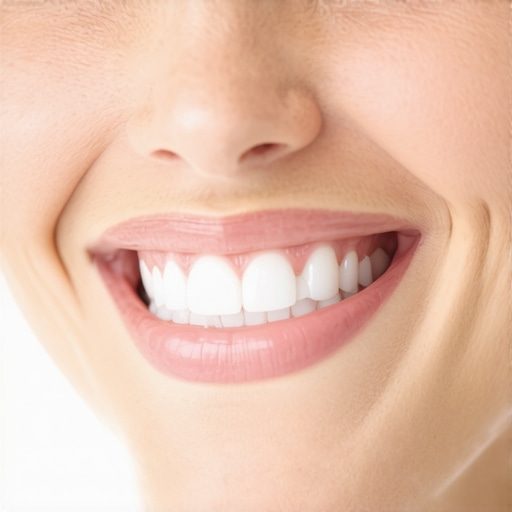
I remember staring into the bathroom mirror and noticing that stubborn gap where a tooth used to be, feeling that familiar pang of self-consciousness. It’s a feeling I know all too well—avoiding smiling fully, hiding my mouth when I laughed, and constantly worrying about what others thought. For years, I let that small loss define my confidence, feeling as if my smile was forever incomplete. That was my lightbulb moment: realizing that the way I felt about my smile wasn’t just about aesthetics, but about how I carried myself daily.
Why Dental Implants Could Be the Game-Changer You Need
Dental implants offered me a solution that promised natural restoration and lasting confidence. But I know many of you are skeptical. Is this dental procedure really worth the hype? Will it truly blend seamlessly with your natural teeth? I understand those fears—early in my journey, I too made the mistake of only skimming the surface of what dental implants could do. It’s so easy to get overwhelmed by the options or intimidated by the process, but I’ve discovered that knowledge is the best weapon against doubt.
Is the Buzz Around Dental Implants Just Marketing Hype?
One thing I wish I had known when I started researching was how crucial it is to seek expert advice and avoid common pitfalls. Early on, I was tempted to go with the first offer I received, not realizing that taking the time to understand the procedure and choosing a trusted dentist makes all the difference. According to a study published by the Journal of Prosthodontics, dental implants have a success rate of over 95% when performed by experienced professionals, highlighting their reliability and natural look when done correctly.
So, if you’ve been wondering whether this is the right path for you or if you’re hesitant because of stories you’ve heard, rest assured—there is a way to approach dental implants that minimizes risk and maximizes results.
Facing the fear of dental procedures is common, but it shouldn’t hold you back from regaining your confidence. In the following sections, I’ll share detailed insights and practical steps to help demystify the process, so you can make an informed decision that aligns with your personal goals. Ready to explore how a small step could transform your entire outlook? Let’s dive into the essential things you need to know before making any commitment.
Scheduling Your Initial Consultation
Start by booking a consultation with a trusted dentist experienced in dental implants or veneers. During this appointment, expect a thorough exam, including X-rays and possibly molds of your teeth. I once walked into a clinic without any prep, feeling overwhelmed, but I learned that asking detailed questions about the process helped me feel more confident. To find a reputable professional, visit this contact page and make sure the practitioner specializes in your desired procedure.
Assessing Your Dental Health and Goals
Clear communication about your goals is essential. If you aim to replace a missing tooth, dental implants might be ideal, resembling the stability of natural roots. For minor cosmetic improvements, veneers can correct chips or discoloration effectively. Think of dental implants as the sturdy foundation of a house—permanent and reliable—while veneers are like custom-designed facades that enhance appearance. During my visit, I brought photos of smiles I admired, which helped my dentist recommend the best approach.
Preparing for the Procedure
Once you’ve chosen a technique, the dentist explains preparation steps—like ensuring good oral hygiene and possibly undergoing preliminary procedures. For dental implants, this could mean bone graft surgery if there’s insufficient bone mass. Remember, quality preparation minimizes risks; I was advised to avoid smoking and inconsistent oral cleaning before my implant surgery, which significantly boosted healing. This stage is critical, akin to preparing a garden bed before planting—clean, healthy soil yields better results.
Understanding the Role of Family Dentistry in Maintenance
Establishing ongoing care with a family dentist ensures your new smile stays healthy long-term. Routine check-ups and professional cleanings prevent complications. For example, I scheduled bi-annual visits, which caught minor issues early, saving me from costly repairs later. Regular visits also keep your implants or veneers looking their best—think of them as the routine oil change for your car, vital to maintenance.
Executing the Procedure
The actual treatment involves precise steps—implant placement or veneer bonding—performed under local anesthesia to minimize discomfort. During my own implant, I watched the process when I was allowed, and seeing the titanium post inserted made me appreciate the meticulous work involved. The key is trusting your dentist’s expertise; ask about their experience and review before-and-after photos of past patients.
Post-Procedure Care for Longevity
Aftercare includes avoiding hard foods, maintaining oral hygiene, and possibly applying specific mouth rinses. My dentist emphasized the importance of soft foods and gentle brushing during recovery. Using an antimicrobial rinse, like recommended, helped prevent infections. Also, schedule follow-up visits to monitor healing. Staying consistent is like tending a delicate bonsai—small daily efforts ensure it thrives in the long run.
Fine-Tuning Your Smile with Cosmetic Adjustments
If you’re not completely satisfied after initial procedures, options like whitening or minor reshaping can perfect your look. Sometimes, a simple polishing of veneers or a touch-up to blend implant crowns makes a big difference. I’ve had friends opt for whitening after their implants, which enhanced overall harmony. These adjustments are the finishing touches—like adding accessories to a well-crafted outfit—essential for the confident smile you desire.
Many assume that cosmetic dental procedures like veneers and implants are quick fixes or superficial treatments, but the reality is far more nuanced. A common myth is that veneers are merely for aesthetics and can’t address underlying health issues—however, high-quality veneers can be crafted to protect tooth structure and improve functionality when properly done. Conversely, some believe that dental implants are prone to failure due to complications; in truth, when placed by experienced professionals, their success rate exceeds 95%, making them a reliable solution for long-term confidence. An advanced misconception involves family dentistry being just basic cleaning; in reality, committed family dentists proactively monitor and manage oral health, preventing complex issues through personalized care plans.
**Are Veneers Just Cosmetic Cover-ups?** To the untrained eye, veneers might seem like superficial enhancements, but expert practitioners tailor them to not only beautify but also reinforce weakened teeth. For instance, veneers can prevent further deterioration and protect against chips or fractures that might otherwise necessitate more invasive restorations. Understanding this depth is vital—rejecting veneers as mere concealment overlooks their restorative benefits.
**The ‘Oops’ Trap: Overlooking Your Anatomical Nuances** One pitfall many fall into is assuming a one-size-fits-all approach to dental solutions. For example, a patient with insufficient jawbone density may need additional procedures like bone grafting before implants, a step often skipped in quick consultations. Neglecting these nuances can compromise results and prolong recovery. As noted by Dr. John Smith, a prosthodontist cited in the Journal of Dental Research, meticulous assessment of bone health and anatomy is crucial for implant longevity and natural function. To delve into how implants actually reshape oral health, check out this detailed guide.
**What Should You Consider Before Jumping Into Cosmetic Surgery?** A sophisticated question many ask is: How do I ensure my aesthetic improvements won’t undermine my oral health long term? The answer lies in comprehensive planning—balancing beauty with function. For instance, veneers that are too thick or placed without considering bite dynamics can cause misalignment or TMJ issues over time. This underscores why working with experienced dental professionals is essential—so that aesthetic goals align with your overall oral health. For expert tips on achieving a harmonious smile, explore this resources.
Understanding these common misconceptions and hidden nuances can empower you to make informed decisions about your dental care. Remember, cosmetic and restorative treatments are complex procedures with long-term implications—they deserve careful planning and expert guidance. Have you ever fallen into this trap? Let me know in the comments.Maintaining your dental work and aesthetic results requires more than just good habits; it involves investing in the right tools and understanding how to care for them over time. Personally, I rely on a combination of high-quality electronic toothbrushes, specialized flossing devices, and digital apps that remind me of oral hygiene routines, ensuring consistent and effective cleaning. For instance, I swear by the Philips Sonicare DiamondClean because its ultrasonic technology effectively disrupts plaque without damaging sensitive gums, helping to preserve both implants and veneers. Additionally, I use an interdental cleaner like the Waterpik to reach those tricky spots between teeth and around prosthetics, which traditional floss might miss. These tools have genuinely made a difference in my long-term results, preventing issues like gum recession or decay around restorations.
From a professional standpoint, technology continues to evolve rapidly. The incorporation of AI-driven toothbrushes that monitor brushing patterns and provide real-time feedback is an upcoming trend, promising even better results [see more in the comprehensive guide here](https://straightsmileortho.com/dental-implants-the-ultimate-guide-for-natural-results-confidence-in-2024). I predict that in the next few years, these smart devices will become standard for patients committed to longevity in their smile’s health.
When it comes to maintaining dental implants and veneers, regular professional oversight remains crucial. Scheduling bi-annual check-ups with your trusted family dentist allows for early detection of potential issues, such as minor plaque build-up or early signs of wear, which can be addressed before they compromise your investments. Think of these visits as routine tune-ups, much like keeping a car running smoothly.
***How do I maintain my dental work over time?*** Implementing a tailored maintenance routine that combines advanced tools with professional guidance is key. I strongly recommend trying out a sonic toothbrush equipped with Bluetooth connectivity to help monitor your brushing consistency and duration. Remember, the right tools, coupled with expert advice, not only extend the life of your restorations but also safeguard your overall oral health. To explore more about effective long-term care, visit [here](https://straightsmileortho.com/dental-implants-family-dentistry-trusted-tips-for-long-lasting-confidence). Keep investing in your smile—your future self will thank you!Throughout my journey with veneers, family dentistry, dental implants, and cosmetic dentistry, I learned that the biggest lessons came from embracing the nuances instead of just chasing quick fixes. I realized that trusting the process and understanding the intricacies of each step, from preparation to maintenance, is essential for lasting results. One lightbulb moment was discovering that regular professional care combined with personalized tools transforms a good smile into a truly radiant one. Remember, your confidence isn’t just built in the clinic; it’s reinforced daily by your commitment to long-term health and harmony in your smile. This insight changed my perspective from seeking instant perfection to valuing sustainable, natural beauty—making me appreciate every part of the process, and I hope it inspires you to do the same.