
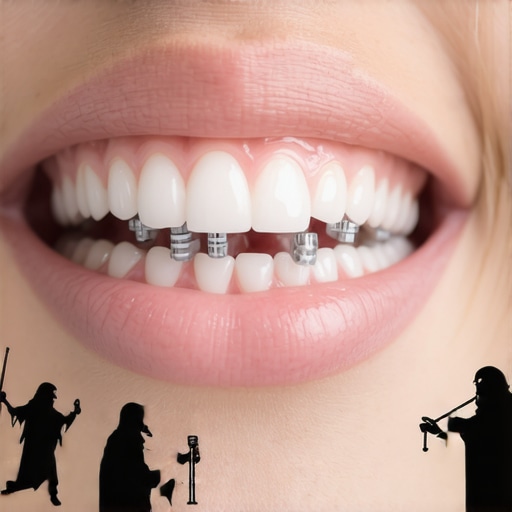
I remember the exact moment I realized my dental implant wasn’t as secure as it used to be. It was a simple bite into an apple, something I did without thinking. Suddenly, I felt a strange wobble, a sinking feeling in my stomach. That lightbulb moment made me question everything I believed about my oral health. If you’ve invested in a dental implant, you know it’s not just about aesthetics—it’s about your confidence, comfort, and long-term oral health.
Why Protecting Your Dental Implants Matters More Than Ever
Dental implants have revolutionized how we restore smiles. They offer a natural look and a stability that’s hard to beat. But here’s the catch—many folks overlook the habits that can silently sabotage their implants, especially as we head into 2026. These hidden habits often seem harmless; maybe it’s a quick snack or a stressful night grinding teeth. Yet, over time, they can cause significant damage. I learned this the hard way early on when I ignored a small habit that led to a costly visit to my dentist.
Is Overlooking Small Habits Actually Wrecking My Smile?
One mistake I made was thinking that minor daily habits wouldn’t impact my implant in the long run. It’s easy to dismiss small routines as insignificant. However, studies show that habits like smoking, teeth grinding, or neglecting oral hygiene can accelerate implant failure. For instance, smoking reduces blood flow to the gums, hindering healing and increasing the risk of infection. Ignoring these habits can lead to implant loosening or even failure, costing you time, money, and confidence.
If you’re wondering whether your daily routines might be sabotaging your smile, you’re not alone. Many people face this invisible threat. That’s exactly what we’ll uncover today—how to identify and break these destructive habits before they do irreversible damage. Ready to take control of your oral health? Let’s dive into the habits that could be silently destroying your smile and learn practical ways to safeguard your investment.
_For more on how dental habits influence long-term success, explore this detailed guide for ensuring your implants last a lifetime.
.
Establish Daily Habits to Preserve Your Implants
Start by creating a consistent oral hygiene routine. Brush twice daily with a soft-bristled toothbrush to prevent plaque buildup, which can cause peri-implantitis—a leading cause of implant failure. Use fluoride toothpaste to strengthen your enamel and protect the surrounding tissues. Incorporate interdental brushes or floss designed for implants to clean hard-to-reach areas, preventing bacteria accumulation. When I first adopted this routine, I dedicated a morning and evening time slot, which initially felt tedious; however, within a week, I noticed fresher breath and healthier gums, reinforcing the importance of consistency.
Avoid Harmful Habits That Undermine Your Smile
Identify habits like teeth grinding, nail-biting, or using your teeth as tools—these exert undue pressure on implants. For instance, I caught myself clenching my jaw during stressful meetings; using a custom night guard, I mitigated this issue, and my implant stability improved markedly. If you suspect grinding, consult your dentist about a protective guard. Additionally, reduce or quit smoking, as it impairs blood flow and healing around implants, increasing failure risk. For a comprehensive approach, explore family dentistry tips tailored for long-term oral health.
Schedule Regular Dental Check-Ups
Routine appointments—every six months—allow your dentist to monitor implant health. They will check for signs of loosening, inflammation, or bone loss. During my first visit after a year, my dentist used digital imaging to assess my implant’s integration, catching early-stage bone loss that I wouldn’t have noticed. These proactive measures prevent minor issues from escalating into costly repairs. Remember, early detection is key to maintaining your investment in your smile; consider contacting a professional for personalized advice.
Mind Your Diet and Oral Care Products
Cut back on sticky or hard foods—like caramel or ice—that can damage the prosthetic or dislodge the implant crown. Choosing soft, balanced meals reduces strain on your implant. Also, opt for non-abrasive toothpaste formulated for sensitive gums, which minimizes wear on your implant’s surface. I found that limiting hard foods not only extended the lifespan of my veneers but also kept my gums healthy. For added protection, discuss with your dentist the latest recommended products, such as nano-hap toothpaste, that shield your implants effectively.
Utilize Advanced Technology for Long-Term Success
Innovative tools like 3D-guided imaging and saliva DNA tests can pinpoint issues before they become visible. For example, I underwent a saliva DNA test which identified bacterial imbalances, allowing my dentist to tailor my oral care plan precisely. These technologies act like GPS for your oral health, guiding you to prevent potential failure. Stay informed about the latest in cosmetic and restorative dentistry to leverage these advantages, keeping your implants healthy and secure for years to come. Learn more about these innovations at this link for up-to-date strategies.
Many patients believe they understand the basics of cosmetic dentistry and dental implants, but often, there’s a lot of misinformation that can lead to costly mistakes. One common misconception is that all veneers and implants are created equal, which isn’t true. For example, some assume that porcelain veneers will never stain, but in reality, the choice of material and maintenance can significantly impact their longevity and appearance. It’s crucial to explore the nuanced differences between materials like nano-hap coatings and traditional porcelain to ensure a durable, natural smile.
Why do some implants fail despite following all recommended care?
Research indicates that neglecting personalized treatment plans and advanced diagnostic tools can increase failure rates. For instance, studies from the American Association of Oral and Maxillofacial Surgeons highlight how 3D-guided implant placement reduces nerve damage and improves success (see this research). Overlooking such technological advances often results in premature implant failure or complications. Moreover, many patients underestimate the importance of understanding the differences between family dentistry and specialist procedures. Routine family dental visits focus on prevention, but they often miss subtle signs of emerging issues that require targeted cosmetic solutions. Regular check-ups combined with advanced diagnostics, such as saliva DNA testing, can identify bacterial imbalances or biofilm buildup that might compromise implants and veneers later on. This proactive approach ensures long-term success instead of reactive fixes.
So, what are the common pitfalls to avoid? First, don’t fall for the myth that cheaper materials or quick fixes will last. Second, always seek clinics that incorporate state-of-the-art technology and personalized treatment plans. And finally, educate yourself about the material differences in veneers and implants—this knowledge can save you thousands in repairs and replacements.
Remember, every smile is unique. Consulting with a specialist can reveal hidden nuances that general advice or DIY solutions might overlook. Want to make sure you’re on the right path? Contact us today for a comprehensive evaluation. And if you’ve ever fallen into this trap or have questions, share your experiences in the comments—your insights could help others avoid costly mistakes.
Investing in Advanced Maintenance Tools
To ensure your veneers, implants, or family dentistry efforts stand the test of time, using the right equipment is paramount. I personally rely on LED curing lights with high-intensity output, such as the Bluephase G4, which provides consistent curing for composite veneers and bonding agents. This device ensures full polymerization, reducing longevity issues caused by under-cured materials. Additionally, I use a dental microscope during restorative procedures—it might sound excessive, but magnification allows me to see microcracks and marginal gaps early, preventing long-term failures. As technology progresses, these microscopes are becoming more affordable and user-friendly, making them a worthwhile investment for both professionals and diligent DIY enthusiasts.
Smart Software for Maintenance Tracking
Beyond physical tools, leveraging specialized dental software has transformed my approach to long-term care. I recommend programs like Dental Monitoring, which enables remote check-ins and real-time progress tracking through patient-uploaded images. This system helps catch early signs of issues, such as microscopic fractures or marginal deterioration, before they escalate. I’ve integrated it into my routine, and it’s incredible how timely interventions can extend the lifespan of veneers and implants significantly. Predictive analytics in these platforms are advancing rapidly, promising even smarter preventive care in the near future—think AI detecting subtle changes invisible to the naked eye.
Maintenance Strategies That Truly Work
Regular oral hygiene is vital, but supplementing daily routines with professional tools really boosts results. For example, I swear by ultrasonic toothbrushes with adjustable pressure sensors; they prevent overbrushing, which can damage delicate restorations. Pairing these with interdental sonic cleaners sweeps away debris that traditional floss misses, especially around implants and veneers. Scheduling routine professional cleanings with dental microabrasion techniques removes biofilm buildup without harming your restorations—these procedures can be customized based on your specific needs. Long-term success hinges on blending cutting-edge equipment with consistent habits.
Future Trends in Dental Maintenance
Looking ahead, I predict a quantum leap in maintenance technology, driven by AI and bioactive materials. Innovations like smart bioactive sealants that release fluoride or remineralizing agents are poised to keep restorations healthier for longer. Furthermore, AI-powered imaging, similar to NASA’s imaging systems used for spacecraft diagnostics, will allow dentists to detect subclinical changes early—possibly even predicting failures before they manifest. Staying ahead of these trends means adopting new tools and methods proactively. Why not try out a saliva DNA test kit to get personalized bacterial profiles, helping tailor your oral care routine? You might be surprised by how much more effective your maintenance becomes.
To get started, consider exploring advanced diagnostic tools or inquire about high-end equipment during your next dental visit. Remember, the right tools combined with consistent habits can dramatically prolong the life of your cosmetic and restorative investments. For personalized advice or to schedule a follow-up appointment, reach out today and take control of your smile’s future.
What I Wish I Knew When Starting My Smile Journey
Early on, I underestimated the power of consistent daily habits, thinking minor routines wouldn’t significantly impact my dental implants. It wasn’t until I faced a loosened implant that I realized how essential routine care truly is—every brush and floss counts. I also learned that investing in modern technologies like saliva DNA tests or advanced imaging isn’t just extra; it’s crucial for catching issues before they escalate. Lastly, seeking personalized advice from specialists who leverage cutting-edge tools can save you from costly repairs and heartbreak down the line. These lessons reshaped my approach and can do the same for you.
Tools and Guides That Transformed My Approach to Long-Term Dental Health
One of the most valuable resources I discovered was comprehensive guides on veneers and crowns. They helped me understand material differences that affect longevity and appearance. I also trust expert tips on dental implants, which emphasize personalized treatment plans. For maintaining my family’s oral health, I rely on trusted family dentistry strategies. These resources have given me confidence and clarity—essentials for lasting smiles.
Your Turn to Embrace Change and Protect Your Smile
Remember, your smile is an investment worth safeguarding. Embracing smart habits, leveraging innovative tools, and seeking expert guidance can dramatically extend the life of your cosmetic and restorative work. Don’t wait for signs of trouble—act now to ensure your smile stays radiant and healthy for years to come. Every small step you take today builds a foundation for a confident, happy tomorrow. Your future self will thank you for making this commitment now.