I’ll never forget the morning I realized my obsession with cleaning was actually making things worse. I stood in front of my bathroom mirror, toothpaste foaming, scrubbing away for the third time that day, yet my teeth still looked like the edges of an old paperback novel. It was deeply frustrating. I was doing everything right by the book, yet I found myself hiding my smile in every family photo. If you are currently feeling defeated because your pearly whites look more like pearly yellows, I want you to know you aren’t alone, and more importantly, it is likely not a hygiene problem at all. Today, I am going to pull back the curtain on why your toothbrush is losing the battle and how we can actually solve the underlying causes to reclaim a bright, confident look.
Brushing harder won’t make them whiter
For years, I made the classic mistake of thinking that if I just used more elbow grease or a grittier paste, I would finally see results. In fact, I once went through a reckless phase of using baking soda to whiten my teeth at home, only to end up with localized sensitivity and teeth that looked even more translucent. Here is the kicker: the outer layer of your tooth, the enamel, is actually a translucent blueish-white. The layer underneath it, called dentin, is naturally yellowish. When we over-brush with hard bristles or use highly abrasive products, we thin out that protective enamel, letting the yellow dentin shine through more prominently. It is a cruel irony that the harder you work to scrub away the color, the more yellow you might actually appear. This is even common in younger patients, as permanent teeth often look yellow compared to baby teeth simply because of their thicker dentin structure.
Is it actually possible to undo years of staining?
It is a fair question to ask if we are just stuck with the hand we are dealt by genetics. Many people worry that once the yellowing sets in, their only option is to hide their mouth or spend a fortune on experimental treatments. However, the reality is that modern cosmetic dentistry offers secrets to boost your confidence that go far beyond what a store-bought tube of toothpaste can provide. According to the American Academy of Cosmetic Dentistry, while nearly all adults believe a healthy smile is a social asset, many are fighting biological factors—like naturally thin enamel or internal staining—that a toothbrush cannot reach. Have you ever felt like you are fighting a losing battle with your smile despite your best efforts? I would love to know if you have tried those miracle whitening hacks only to be left disappointed by the results. Understanding the why is the first step toward a solution that actually works.
Swap your scrub brush for something softer
The first thing I had to do was unlearn everything I thought I knew about ‘clean.’ Think of your enamel like the clear-coat on a luxury car. If you use a wire brush and harsh soap, you’ll get the dirt off, but you’ll also ruin the finish. I switched to an extra-soft bristle brush and started focusing on circular motions rather than sawing back and forth. I will be honest—at first, my mouth didn’t feel ‘scrubbed,’ and it drove me crazy. But after a month, the translucent gray edges I was seeing started to stabilize. If you are struggling with pain during this transition, you need to learn how to whiten your teeth if you have very sensitive enamel without stripping away more of your defense.
Stop the staining at the source
It’s not just about what you take off; it’s about what you put in. I realized my three-cup-a-day coffee habit was like painting a white fence with a thin layer of beige every single morning. You don’t have to quit coffee, but you should rinse with water immediately after. This simple habit prevents the tannins from setting into the microscopic pores of your teeth. For those of us focused on long-term health, following core family dentistry tips for a lifetime of healthy smiles means managing the pH balance of your mouth, not just the color. 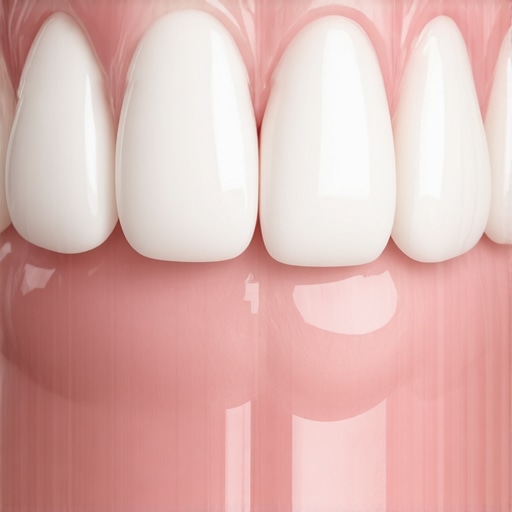
When surface cleaning hits a dead end
Sometimes, the yellow isn’t on the outside; it’s the actual structure of the tooth. When I finally sat down with a professional, they explained that my years of aggressive brushing had thinned my enamel to the point of no return. This is where we move past the ‘clean’ phase and into the ‘restore’ phase. For many, a veneers transformation unlocking your best smile yet is the only way to achieve that bright look because it adds a new, permanent layer over the thinned enamel. It’s like putting a new siding on a house rather than just trying to power-wash old, rotting wood. However, you have to be careful about the ‘piano key’ look. You must avoid the mistake that makes porcelain veneers look like piano keys by choosing shades that match your facial features.
What if the tooth itself is the problem?
In cases where the tooth is structurally unsound or missing, surface fixes won’t cut it. I’ve seen friends struggle with gaps that make them look ten years older than they are. This is where modern tech changed the game. Seeing how dental implants reshape your oral health in 2025 shows that we can now replace a tooth from the root up, providing a foundation that actually preserves your jawbone. It’s a more involved process, but it’s the difference between a temporary patch and a permanent architectural upgrade.The biggest lie in the world of family dentistry tips for a lifetime of healthy smiles is that dental implants are ‘set it and forget it.’ Most people think that because titanium cannot rot, they have successfully dodged the dentist forever. In my experience, that is exactly where the trouble starts. While it is true you won’t get a cavity in an implant, the tissue around it is actually less resilient than the tissue around a natural tooth. According to the International Team for Implantology (ITI), the lack of a periodontal ligament around an implant means bacteria can reach the bone faster than you would expect. You have to be incredibly diligent and learn how to safely clean a dental implant without scratching the post or you will find yourself dealing with peri-implantitis before the year is out. Have you ever fallen into this trap of thinking a restoration meant you could slack off on hygiene? Let me know in the comments.
Your new teeth should do more than just look pretty
One major ‘oops’ factor I see with cosmetic work is focusing exclusively on the front-facing color. People spend thousands on a veneers transformation unlocking your best smile yet but forget that those shells change the physical architecture of their mouth. This is often why your new veneers feel bulky against your lips or why you might notice the reason your veneers look different in sunlight versus indoors. If the technician does not account for the way light penetrates the porcelain, you end up with teeth that look like chalk rather than living enamel. Even more advanced is the structural foundation; sometimes, you need to see how a simple sinus lift makes dental implants possible for more people to ensure there is actually enough bone to support the weight of a new smile. Without that base, you are not just looking at a cosmetic failure; you are looking at a functional one. 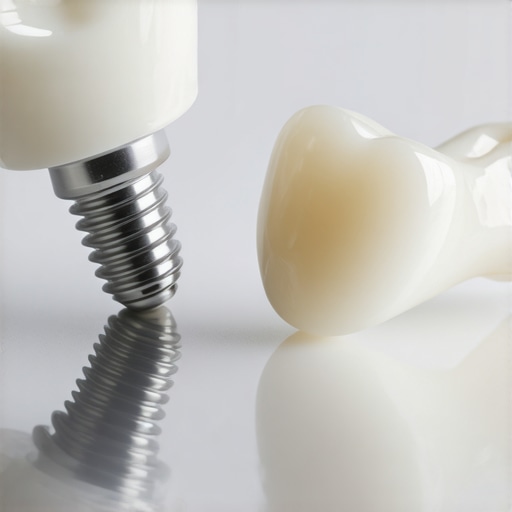
Why does a new crown sometimes feel tighter than the rest?
It is a common panic point for patients when they realize the reason your dental implant crown feels tighter than the others. Most assume it is an error in the lab, but in reality, your natural teeth have a tiny bit of ‘give’ due to the ligament, whereas an implant is fused directly to the bone. This rigidity can make the initial fit feel aggressive. If you aren’t careful, you might also experience why your dental implant crown feels like it is wiggling if the screw is not torqued to the exact specifications required for your specific jaw density. It is these tiny, mechanical nuances that separate a generic procedure from a long-term success. If you have been putting off a fix because you are worried about the complexity, contact us to discuss how dental implants 2025 innovations that redefine comfort and durability are making these advanced cases easier than ever before.
Manual brushing is a relic of the past for my restorations
For the first six months after I got my work done, I was terrified to touch my teeth. I felt like I was holding a delicate porcelain vase in my mouth. But then I realized that the real danger isn’t touching them—it’s letting plaque colonize the margins. I ditched the manual toothbrush because, frankly, my hands just aren’t fast or precise enough. I switched to a high-end sonic brush with a built-in pressure sensor. Why? Because I have a bad habit of pressing too hard, and as I mentioned earlier, thinned enamel is the enemy. This technology ensures I’m gently vibratring away the biofilm without risking the seal on my veneers transformation unlocking your best smile yet. If you aren’t using a brush that tells you when you’re being too aggressive, you’re gambling with your investment every morning.
How do I keep my smile looking brand new for years?
The secret isn’t just the brush; it’s the chemistry of what you put on it. I stopped using ‘whitening’ toothpastes entirely. Most of them contain high levels of silica which acts like sandpaper on porcelain and bonding. According to a study published in the Journal of Prosthetic Dentistry, the surface roughness of restorative materials directly correlates to how much tea, coffee, and wine will stick to them. To avoid this, I use a non-abrasive gel that focuses on remineralization rather than abrasion. This keeps the surface as slick as glass, making it much easier to learn the secret to getting red wine stains off your veneers without having to scrub. 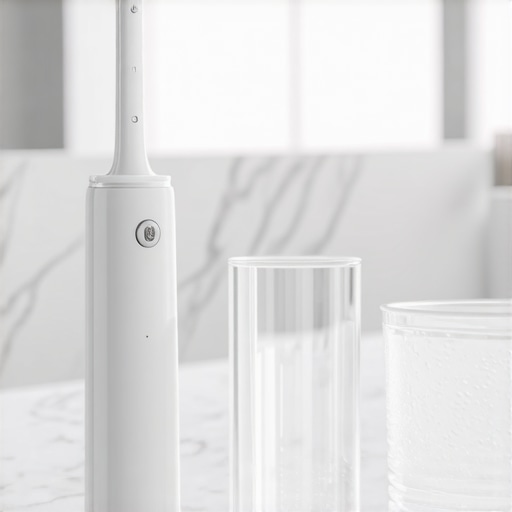
The tool that finally ended my gum irritation
If you have implants, you know the struggle of flossing. Normal string can shred, and it’s a nightmare to navigate around the posts. I finally invested in a high-quality water flosser with a specialized ‘orthodontic’ tip. At first, I was confused as to why your gums bleed only when you use a water flosser, but I realized it was just my tissue adjusting to the deep cleaning it had been missing for years. Now, it is the only way I can ensure I am following the best family dentistry tips for a lifetime of healthy smiles. It flushes out the ‘sulcus’—the little pocket around the implant—where traditional floss simply can’t reach. This is vital to prevent the bone loss that can lead to why your dental implant crown feels like it is wiggling. Looking ahead, I predict we are moving toward a world where ‘smart’ dental implants will have built-in sensors to alert our phones the moment inflammation is detected, but until then, these manual tools are our best defense. If you want to see a real difference, try swapping your traditional floss for a water flosser for just 14 days; your gums will thank you. If you’re still unsure about your current routine, contact us to get a professional assessment of your oral health and see the future of dental implants cutting edge techniques in cosmetic dentistry for yourself.
The Reality Check I Needed Before My Smile Transformation
Looking back, I realize my biggest hurdle wasn’t my coffee habit—it was my mindset. I had to accept that my teeth are living tissue, not plastic blocks to be scrubbed. When you are choosing the best option for your smile, remember that longevity comes from respect, not force. Here are a few things I learned the hard way after years of trial and error:
- The 2-Tone Rule: Never go more than two shades lighter than the whites of your eyes. Anything whiter looks like plastic and is the number one reason cosmetic work looks fake.
- Gums Are the Foundation: You can have the most expensive porcelain in the world, but if your gums are inflamed or receding, the look is ruined. Focus on the pink to save the white.
- Maintenance is Non-Negotiable: Restorations like veneers or implants require more specific care than natural teeth because they lack the same biological defenses at the margin.
Tools That Saved My Enamel From Myself
If you’re ready to stop the damage and start the healing, you need a toolkit that works with your body, not against it. These are the three things I never go a day without in my personal routine:
- A Sonic Brush with a Pressure Sensor: I switched to a high-end sonic model because it literally stops vibrating if I press too hard. It’s the only way I finally broke my aggressive ‘scrubbing’ habit.
- Neutral pH Mouth Rinses: Many drugstore mouthwashes are surprisingly acidic and can etch your dental work over time. I now use specialized, pH-balanced rinses that support a healthy biome.
- Professional Consultation: No amount of at-home hacking replaces a sit-down with an expert. If you’re serious about expert tips for perfect results, you need a customized biological plan.
#IMAGE_PLACE_HOLDER_E#
Your Path to a Smile You Don’t Have to Hide
I know exactly how exhausting it is to feel self-conscious every time you laugh or pose for a photo. But the journey from hiding your mouth to grinning with genuine confidence is shorter than you think. Whether you are curious about innovations that redefine comfort and durability or just need to fix a single stubborn tooth, the first step is always just a conversation away. You don’t have to live with a smile that doesn’t feel like the real you. Take the leap and contact us to see what’s possible for your unique features. You deserve to feel confident every time you look in the mirror. Have you ever felt like you’re scrubbing your teeth away instead of actually cleaning them? Let me know your experience in the comments below!