I remember the exact moment I realized my sweet tooth was actually acting like a debt collector. It was a Tuesday night, I had just finished a handful of saltwater taffy, and suddenly, my lower right gums started thumping. It wasn’t a sharp, ‘lightning bolt’ pain, but a steady, rhythmic pulse that felt like a tiny heart had moved into my jawbone. For weeks, I did what most of us do: I brushed harder and hoped it would just go away. I even told myself it was just a temporary ‘sugar high’ for my mouth. Boy, was I wrong. That throbbing is a loud, clear signal that your mouth’s ecosystem is under siege. Today, we’re going to get to the bottom of that annoying gum heartbeat so you can enjoy a treat without feeling like your mouth is about to explode.
That Weird Pulse in Your Mouth After a Snickers Bar
If you’ve ever felt that dull, heavy ache after a sugary snack, you aren’t alone, but you also shouldn’t ignore it. When I first experienced this, I assumed I had a piece of candy stuck in my teeth. I spent twenty minutes with a mirror, but found nothing. The reality is much more scientific—and a bit more urgent. When sugar hits your saliva, it creates an osmotic reaction. Essentially, the sugar draws fluid out of your gum tissues, which can cause nerves to fire off in protest. This is often the first sign that you might be dealing with something like a hidden cavity between teeth or early-stage gingivitis.
Is this just a dramatic reaction to a sugar rush?
You might think I’m being an alarmist. After all, it’s just a little candy, right? Many people believe that unless there is a hole in the tooth, everything is fine. But that throbbing is actually your body’s inflammatory response. According to the American Dental Association, the bacteria in your mouth (Streptococcus mutans) consume that sugar and produce acid within 20 seconds, which immediately begins attacking your enamel and irritating the gum line. If your gums are already slightly inflamed, this acid attack feels like pouring salt in a wound. Have you ever felt that rhythmic thumping after a dessert and just hoped it would vanish by morning?
Sugar Isn’t Just Sweet, It’s Fuel for an Invisible War
My biggest mistake early on was thinking that family dentistry tips were just for kids. I thought as an adult, my teeth were ‘set.’ But your gums are incredibly dynamic. When you eat sugar, the blood flow to your gingival tissues actually increases as your body tries to manage the bacterial spike. If your gums are already sensitive or receding—perhaps because of brushing too hard—that extra blood flow translates into that ‘throbbing’ sensation. It’s the sound of your immune system trying to fight off a localized infection. This often happens before you even realize you need professional help, and catching it now can save you from the complex world of cosmetic dentistry and implants later down the road.
Stop the Throb Right Now
When that rhythmic heartbeat starts in your jaw, you need to act before the acid does permanent damage. Think of your mouth as a high-pressure boiler; the sugar is the heat, and the throbbing is the pressure valve screaming. Your first move should always be a vigorous warm salt water rinse. It isn’t just an old wives’ tale; the salt changes the osmotic balance, helping to draw out some of that fluid buildup in your gums. In my early days of dental panic, I would scrub my teeth until my gums bled, thinking I could brush away the pain. This is actually the worst thing you can do because aggressive brushing creates recession. Instead, you need to master the best way to brush when you have sensitive gums. Use a soft-bristled brush and circular motions as if you are polishing a ripe peach; you want to clean the surface without breaking the skin.
Reach for the Floss Before the Ibuprofen
Most people’s instinct is to reach for a painkiller, but that is just muting the alarm without putting out the fire. I remember a specific Halloween where I overindulged in gummy bears. My right molar started that dreaded thump-thump. Instead of waiting it out, I grabbed my water flosser. Using the benefit of using a water flosser with your braces or even natural teeth can dislodge the microscopic sugar particles that a toothbrush simply misses. If you have a hidden cavity between teeth, those particles are essentially trapped in a cave, fermenting and causing instant inflammation. 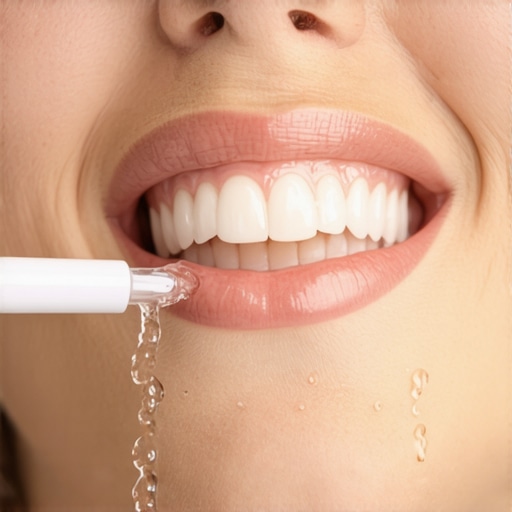
Differentiate Between a Cavity and a Sinus Issue
Sometimes the thumping isn’t even about the sugar—the sugar just highlights a pre-existing problem. If you notice the pain increases when you lean forward or walk down stairs, you might need to figure out how to tell if your toothache is actually a sinus infection. However, if the pain is localized specifically to a tooth that has had work done, it could be a structural failure. For instance, if you have older dental work, you might wonder why your porcelain veneers feel gritty to your tongue or why a crown feels high. These tiny misalignments become glaringly obvious when the gum tissue swells.
Why the Shade of Your Dental Work Matters
If you end up needing a repair because of chronic sugar damage, aesthetics come into play. When I finally had to address a damaged front tooth caused by years of sugar thumping that I ignored, I had to learn how to pick the right shade for your new porcelain veneers. A great dentist doesn’t just fix the hole; they ensure the repair looks like it has been there your whole life. If you have ever felt why your gums throb when you lay down at night, it is likely because the horizontal position increases blood pressure in the head, making any existing inflammation from that Snickers bar feel ten times worse. Take it from me: addressing the debris now is much better than a root canal later.
The Danger of Chasing a Hollywood Smile on a Weak Foundation
We’ve talked about that immediate thumping pain from a sugar rush, but there is a deeper, more expensive ‘thump’ that happens when we rush into cosmetic fixes without solving the underlying issues first. Everyone says that veneers are the ‘instant’ fix for a perfect smile, but in my experience, jumping straight to aesthetics is a trap. If your bite isn’t perfectly aligned, those expensive porcelain shells will chip or, worse, cause your jaw muscles to seize up in a matter of months. This is the ‘oops’ factor: ignoring your occlusion (how your teeth meet) while focusing only on how white they are. You might find that why your veneers feel bulkier than your natural teeth is often a result of trying to hide misalignment with ceramic rather than fixing the structural positioning first. When you layer porcelain over a tooth that isn’t in the right place, you’re essentially building a house on a crooked foundation.
Why does your jaw feel like it’s working overtime after a cosmetic fix?
It’s a sophisticated question that often catches patients off guard. A clinical review published in the Journal of Esthetic and Restorative Dentistry highlights that nearly 90% of cosmetic failures stem from ‘mechanical overload’—meaning the bite wasn’t adjusted to the new tooth shape. When you add material to a tooth, you change the way your jaw closes. If that isn’t perfectly calibrated, your brain treats the new restoration like a foreign object, leading to grinding and fatigue. You also need to consider the material science; there is a significant conversation to be had about the truth about the durability of composite vs porcelain veneers. While composite is more affordable, it is far more porous than porcelain. This means it can harbor the same acid-producing bacteria that caused your initial ‘sugar throb’ if not maintained with surgical precision.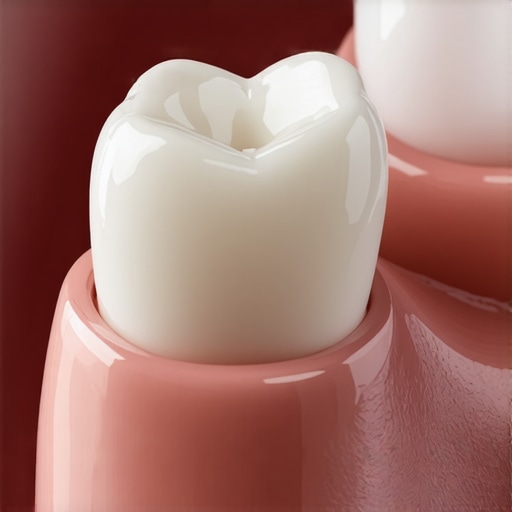
Future-Proof Your Jaw with Smarter Implants
If you’ve already lost a tooth to the ‘debt collector’ of decay we discussed earlier, don’t make the mistake of thinking an implant is just a cosmetic plug. This is where family dentistry tips and high-end restorative work finally merge. Modern technology is moving toward the future of dental implants, where the focus has shifted from just ‘filling the gap’ to bone-density preservation. Understanding how dental implants reshape your oral health in 2025 means recognizing that a well-placed implant actually prevents your jawbone from atrophying. It is a functional upgrade, not just a visual one. The nuance here is that an implant is a long-term investment in your facial structure. Have you ever fallen into the trap of choosing the fastest, cheapest fix instead of the most sustainable one? Let me know in the comments.If you’ve invested in your smile, whether it is a single implant or a full set of veneers, you have to stop treating your bathroom cabinet like a junk drawer. I used to think a standard brush was enough until I realized that ten thousand dollars worth of porcelain requires a vastly different protocol than natural enamel. You aren’t just cleaning teeth anymore; you are managing a complex interface of biology and high-tech ceramics. This is where family dentistry tips shift from simple ‘don’t eat candy’ advice to high-level asset management. One tool I personally swear by is the high-pressure water flosser. Even if you do not have hardware, the benefit of using a water flosser with your braces or natural teeth is that it flushes the ‘sulcus’—the tiny pocket where your gum meets the tooth—far more effectively than string flossing alone. If you have an implant, this tool is non-negotiable because the way your gums attach to titanium is different and more fragile than a natural root.
Stop treating your mouth like a junk drawer
Most people grab whatever toothpaste is on sale, but if you have veneers, you need to be incredibly wary of RDA (Relative Dentin Abrasivity) values. Many whitening toothpastes are essentially liquid sandpaper. A study published in The Journal of Prosthetic Dentistry confirms that high-abrasivity pastes can create microscopic scratches on porcelain that eventually harbor stains and bacteria, leading to a situation where the truth about the durability of composite vs porcelain veneers becomes a nightmare of premature wear and dullness. I recommend switching to a gel-based, non-abrasive paste that focuses on pH balance rather than ‘scrubbing’ power. I also use a pH-neutralizing rinse every night to counteract any lingering acidity from my afternoon coffee. 
How do I maintain my dental work over the next decade?
Success comes down to a ‘Night Guard Habit.’ If you have any history of clenching or grinding, your porcelain is at constant risk of fracturing. I’ve seen patients snap a expensive veneer in their sleep because they skipped one night of protection. Learning how to clean your night guard without damaging the material is just as important as wearing it; a dirty guard is a petri dish for the bacteria that causes hidden cavities between teeth. You want to avoid any alcohol-based cleaners that can make the acrylic brittle over time.
The future of your smile is digital and preventative
Looking ahead to 2025 and beyond, we are going to see ‘Smart Sensors’ embedded directly into crowns and implants. Imagine getting a notification on your phone that says your bite pressure is uneven or that your gum health is dipping in a specific quadrant before you ever feel a throb or pain. This aligns perfectly with how dental implants reshape your oral health in 2025—the shift is toward proactive data rather than reactive repair. My advanced tip for you today? Start using an interdental brush tonight in the gaps where your floss feels ‘too easy’ to slide through. That slight resistance in the interdental brush is where the real biofilm removal happens. Go buy a pack of varied-size interdental brushes and see which ones fit snugly between your molars; it is the single best way to prevent the secondary decay that leads to expensive replacements.
What I Learned While Chasing a Pain-Free Dessert
Over the years, I have realized that dental pain is rarely a sudden accident; it is usually a whisper that we ignored until it became a shout. One of the biggest revelations I had was that pain is a lagging indicator. By the time you feel that rhythmic thump in your jaw after a Snickers bar, the bacterial colony has already established a stronghold. Another ‘lightbulb moment’ for me was realizing that cosmetic dentistry secrets are worthless if you are applying them to a foundation of inflamed gums. You cannot out-veneer a lack of flossing. I also learned the hard way that our mouths are dynamic ecosystems; what worked for your teeth at twenty won’t necessarily sustain them at forty, especially if you have transitioned into the world of restorations. If you are noticing any sensitivity, it is your body begging for a change in protocol before you end up needing to research the future of dental implants sooner than expected.
Tools That Stop the Decay Cycle for Good
To move from reactive pain management to proactive health, you need a toolkit that addresses the root causes of that sugar-induced throbbing. First, I cannot recommend a high-quality water flosser enough. Beyond just cleaning, the benefit of using a water flosser with your braces or natural teeth is the oxygenation of the gum pocket, which kills the anaerobic bacteria that love sugar. Second, pick up a pack of interdental brushes; they reach the ‘hidden’ surfaces where a standard brush fails. Third, if you use a night guard to protect your investment, you must prioritize hygiene; knowing how to clean your night guard without damaging the material is the difference between a healthy mouth and a petri dish of bacteria resting against your enamel for eight hours. Finally, I always keep a pH-balancing rinse on my counter to neutralize the acid attack immediately after a sugary treat. #IMAGE_PLACEHOLDER_E#
Build a Smile That Lasts a Lifetime
The journey from feeling that terrifying ‘heartbeat’ in your gums to having a rock-solid, healthy smile is all about consistency and the right information. Whether you are currently relying on family dentistry tips or you are planning a major overhaul with expert tips for perfect veneers, the goal is the same: a functional, pain-free mouth that looks as good as it feels. Don’t wait for the next throb to take action. Take control of your oral health today, and you’ll find that you can enjoy the occasional sweet treat without the dental debt collector knocking on your door. Have you ever felt that weird heartbeat in your gums after a sugary snack? Let me know your experience in the comments below!