I’ll never forget the mid-July heatwave three years ago. I was sitting on my back porch with a massive double scoop of mint chocolate chip, ready to forget the humidity. One eager bite in, and I wasn’t thinking about the flavor anymore. It felt like a tiny electric jackhammer was going to town on my gum line. It wasn’t a standard ‘brain freeze’—it was a deep, rhythmic throb that stayed long after the ice cream had melted. I remember thinking my mouth was literally protesting against me. For a while, I just stopped buying anything frozen. I assumed I was just ‘one of those people’ with fragile teeth, but that wasn’t the whole story. I made the mistake of ignoring it, thinking it would just go away if I stopped poking the bear.
That Sharp Pain Is More Than Just a Cold Snap
I used to think [the reason your morning coffee is making your teeth more sensitive](https://straightsmileortho.com/the-reason-your-morning-coffee-is-making-your-teeth-more-sensitive) was the same as this cold-induced throb, but your gums are a different beast entirely. We often focus on the enamel, but when your gums start pulsating after a pint of Ben & Jerry’s, your body is trying to tell you that the protective barrier near your roots is thinning out. Today, I’m going to help you pinpoint exactly why this is happening and, more importantly, how you can get back to enjoying your favorite treats without bracing for impact. [image_placeholder]
Is this just part of getting older?
It’s easy to get skeptical and think your mouth is simply ‘timed out’ once you hit a certain age. You might worry that expensive surgery is the only way out. But honestly, most of the time, the fix is much simpler than a total overhaul. I spent months switching between random pastes without realizing I was actually brushing way too hard, which was the exact [reason your gums are receding even though you use a soft toothbrush](https://straightsmileortho.com/why-your-gums-are-receding-even-though-you-use-a-soft-toothbrush-2).
Why Ice Cream Makes Your Gums Protest
When you hit your mouth with extreme cold, the microscopic tubules in your dentin expand and contract. If your gum tissue has pulled back even a millimeter—something the Mayo Clinic notes can happen even with decent hygiene—that cold reaches the nerves instantly. It’s similar to [why your gums throb after you eat sugary snacks or candy](https://straightsmileortho.com/why-your-gums-throb-after-you-eat-sugary-snacks-or-candy); it’s all about nerve exposure. I learned the hard way that [how to manage tooth sensitivity](https://straightsmileortho.com/how-to-manage-tooth-sensitivity-after-your-first-professional-cleaning) involves more than just avoidance; it’s about rebuilding that defense. Does your mouth ever feel like it’s vibrating after a cold drink, or is it just me? I’d love to hear if you’ve been avoiding the freezer aisle too.
Look for the Potholes in Your Smile
Think of your teeth like a well-maintained road. Enamel is the smooth asphalt, but your gums are the soft shoulder that keeps everything stable. When gums recede, those ‘potholes’ expose the underlying dentin, which is essentially a series of tiny tunnels leading straight to the nerve. When ice cream hits those spots, it’s not just a surface chill; it’s a direct hit to the nerve center. I used to ignore this until I realized that how to manage tooth sensitivity is about more than just switching brands. It’s about sealing those tunnels. If you notice the pain is localized to one spot, you might be dealing with more than just recession. Sometimes, a physical change like a crack or a shifting tooth is the culprit, which is often why your tooth still feels sensitive weeks after a filling or a minor injury.
Treat Your Paste Like an Ointment
Most people use sensitivity toothpaste like regular soap—they brush and immediately rinse it all away. To actually get results, you need to change your delivery method. I started taking a pea-sized amount of desensitizing paste and rubbing it directly onto the sensitive gum line with a clean finger before bed. Think of it like putting a bandage on a scrape rather than just washing the wound. I did this for two weeks, and the ‘ice cream throb’ finally began to dull. However, be careful with what you use; I once tried a DIY approach and quickly learned why your teeth feel sensitive when you switch to a natural toothpaste—many of them lack the specific minerals needed to plug those dentin tubules.
Stop Using Your Toothbrush as a Power Tool
We often have this subconscious belief that the harder we scrub, the cleaner we get. In reality, your gums are more like silk than canvas. If you’re scrubbing back and forth with high pressure, you’re literally sawing away at the delicate tissue. This is the primary reason your gums are receding even though you use a soft toothbrush. I had to retrain myself to use ‘the circle method’—tiny, gentle loops that massage the gums rather than pushing them back. If you’ve already pushed them back too far, you might notice why your gums look receding even if you have good hygiene, which is usually a sign of over-zealous brushing or genetic thinness.
Explore Barriers That Actually Last
Sometimes, the recession is too advanced for paste alone. If your gums have retreated significantly, the roots have no natural armor. This is where cosmetic dentistry secrets to boost your confidence come into play. A dentist can apply a professional-grade resin or ‘bonding’ to cover the exposed root, acting as a permanent shield against the cold. In more comprehensive cases, looking into veneers vs crowns choosing the best option for your smile can provide a long-term solution by completely covering the sensitive areas. I remember a friend who was terrified of dental work, but once they opted for veneers transformation unlocking your best smile yet, their sensitivity vanished because the porcelain acted as a thermal insulator. If you are missing teeth entirely, the cold can even affect the surrounding bone, making dental implants 2025 innovations that redefine comfort and durability a viable path to restoring both function and comfort.
Watch Out for Hidden Triggers
Your diet might be working against your recovery. Acidic foods like lemons or soda soften the enamel, making the cold hit even harder. I noticed that my sensitivity spiked every time I had a morning espresso, later discovering the reason your morning coffee is making your teeth more sensitive is the combination of heat followed by acid. By rinsing with plain water immediately after acidic drinks, you help neutralize the environment and protect those sensitive pathways.
We need to address the elephant in the room: the idea that cosmetic dentistry is just about vanity. Most people assume that getting porcelain work is strictly for a Hollywood glow, but for those of us struggling with chronic sensitivity, it is a functional shield. However, there is a common trap I see people fall into: they rush into treatments without understanding the structural nuances. For instance, many believe that veneers require grinding your natural teeth down to pegs. In reality, modern additive techniques often preserve the majority of your natural enamel. If you are not careful with your choice of provider, you might end up with the mistake that makes porcelain veneers look like piano keys, which isn’t just an aesthetic fail—it can actually harbor bacteria along the gum line if the fit is bulky.
The Bone Loss Trap Most People Ignore
Another major misconception is that skipping a tooth replacement is ‘fine’ as long as you can still chew. When you lose a tooth, your jawbone begins to resorb or shrink almost immediately because it lacks the stimulation of a root. This is where how dental implants reshape your oral health in 2025 becomes a conversation about longevity rather than just looks. Unlike bridges, implants stop that bone loss. I’ve talked to many people who were hesitant about the cost, but the International Team for Implantology (ITI) confirms that implants are the only restoration that actually preserves natural bone by stimulating it. If you wait too long, you might eventually need a sinus lift or a bone graft just to make an implant possible. 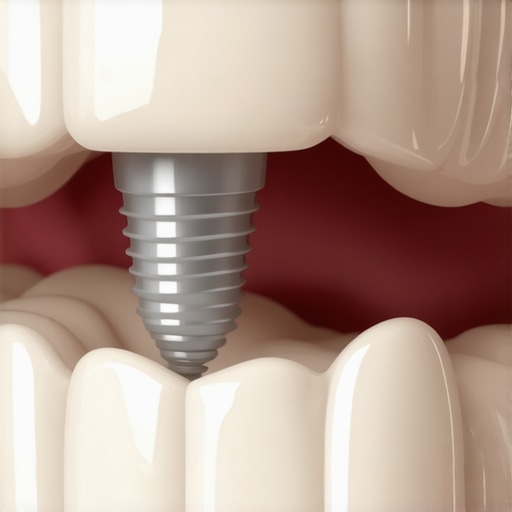
Why does your dental implant crown feel tighter than the others?
If you have gone the restoration route, you might notice a strange sensation. Because a natural tooth is suspended by a periodontal ligament—which acts like a tiny shock absorber—it has a microscopic amount of ‘give.’ A dental implant is fused directly to the bone through osseointegration. This lack of a ligament is precisely the reason your dental implant crown feels tighter than the others. It’s an advanced nuance that often surprises new patients, but it’s actually a sign of a successful, stable bond. Understanding these differences helps you set realistic expectations for the future of dental implants cutting-edge techniques in cosmetic dentistry.
Functional Benefits of the Perfect Fit
Whether you are looking at veneers vs crowns choosing the best option for your smile or just trying to navigate family dentistry tips for a lifetime of healthy smiles, the goal is always the same: protective coverage. I used to think I could just ‘tough out’ the cold sensitivity, but once I realized that my thin enamel was a gateway to deeper nerve damage, my perspective shifted. If you’ve ever noticed why your new veneers feel bulky against your lips, it’s usually because the lab didn’t account for the subtle anatomy of your bite. High-end cosmetic dentistry secrets to boost your confidence aren’t just about the color of the porcelain; they are about the ’emergence profile’—how the tooth grows out of the gum. Have you ever fallen into the trap of thinking a dental fix was just for looks only to realize it actually helped you eat or speak better? Let me know in the comments!
The Tools That Actually Keep Your Smile Intact
I learned the hard way that a manual toothbrush and some generic floss aren’t enough when you’ve invested in your smile. After my sensitivity issues, I upgraded to a high-end electric toothbrush with a pressure sensor. It was a game-changer. The sensor flashes red the second I start ‘scrubbing’ too hard, which is the number one reason your gums are receding even though you use a soft toothbrush. I also swear by my water flosser now. If you’ve ever wondered why your gums bleed only when you use a water flosser, it’s usually just a sign that you’re finally hitting those deep pockets where bacteria hide. It takes a week or two for the tissue to toughen up, but once it does, the ‘throb’ from cold foods significantly decreases because the gum tissue stays tighter against the tooth.
Protect Your Investment From Everyday Wear
If you have moved forward with a veneers transformation unlocking your best smile yet, your maintenance routine needs to be even more precise. You can’t just treat porcelain like natural enamel. I use a non-abrasive gel rather than a gritty paste to avoid micro-scratches. This is vital because, as noted in the Journal of Prosthetic Dentistry, even microscopic surface roughness on a restoration can increase the rate of biofilm accumulation, leading to potential issues at the margin. For those with titanium work, you must know how to safely clean a dental implant without scratching the post, as metal-on-metal contact during cleaning can actually compromise the implant’s longevity. 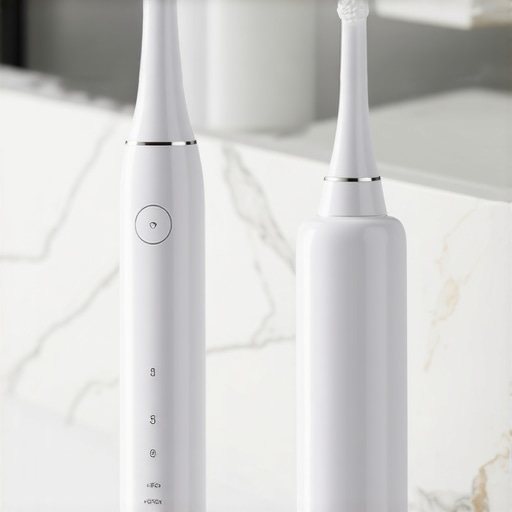
How do I maintain my dental work over the next decade?
The secret isn’t just what you do at home; it’s about the consistency of your professional check-ups. Think of it like a 50,000-mile service for your car. I make sure my hygienist knows exactly which teeth are restorations so they can use specialized plastic or titanium scalers. Following basic family dentistry tips for a lifetime of healthy smiles ensures that the supporting bone remains dense. If you are debating veneers vs crowns which is right for your smile, remember that both require an occlusal guard if you grind your teeth at night. I never go to sleep without my nightguard because one night of heavy clenching can do more damage than ten years of chewing.
What the Future of Your Smile Looks Like
Looking ahead, I suspect we are moving toward a world where ‘smart’ restorations are the norm. We are already seeing dental implants 2025 innovations that redefine comfort and durability, including materials that better mimic the natural shock-absorption of a periodontal ligament. This will likely solve the issue of the reason your dental implant crown feels tighter than the others by creating a more natural interface with the jawbone. We are also seeing the future of dental implants cutting-edge techniques in cosmetic dentistry incorporating 3D-printed scaffolds that encourage faster bone growth, potentially shortening recovery times by months. For now, the best thing you can do is focus on the basics of protection. Tonight, I want you to try this: instead of just flossing, use an interdental brush dipped in a tiny bit of fluoride gel to clean those hard-to-reach gaps. It’s a specialized move that makes a massive difference in preventing the recession that leads to that ice-cream-induced pain in the first place.
The Hardest Lessons I Learned While Chasing a Pain-Free Smile
Looking back at my journey from avoiding the freezer aisle to finally enjoying a double scoop without fear, a few things stand out that I wish I’d understood sooner. First, pain isn’t just an inconvenience; it’s a signal. I spent far too long thinking I was just ‘unlucky’ with my genetics when the reality was that I was accelerating my own gum recession through aggressive habits. These family dentistry tips for a lifetime of healthy smiles aren’t just suggestions—they are the blueprints for keeping your natural teeth in place well into your senior years.
I also learned that cosmetic dentistry secrets to boost your confidence are often actually functional secrets. A veneer isn’t just a pretty shell; it’s a barrier that replaces lost enamel. Similarly, understanding how dental implants reshape your oral health in 2025 changed my view on tooth replacement from a ‘vanity project’ to a ‘bone-saving necessity.’ You aren’t just buying a tooth; you’re preserving your jaw.
The Toolkit I Use to Keep the Throb Away
If you’re serious about ending that rhythmic throb, you need the right gear. I don’t go a single day without these three things: a pressure-sensing electric toothbrush to prevent further recession, high-quality interdental brushes for those hard-to-reach gaps, and a dedicated desensitizing gel used as an overnight ointment. I also regularly revisit clinical advice to stay updated on how biofilm affects gum attachment. #IMAGE_PLACEHOLDER_FINAL#
Your Path Back to Enjoying the Freezer Aisle
You don’t have to accept tooth sensitivity as a permanent part of your life. Whether you need a simple change in your brushing technique or you’re ready to explore a veneers transformation unlocking your best smile yet, the solutions are more accessible than ever. Don’t wait until the pain becomes a constant companion. Start by being gentle with your gums today, and you’ll be surprised at how quickly they can recover. Have you ever tried a specific remedy for cold sensitivity that actually worked, or are you still searching for the right solution? Let me know in the comments below!