It was a quiet Thursday night when it happened. I was sitting on my couch, happily devouring a slice of double-chocolate fudge cake, when suddenly a sharp, pulsing ache bloomed along my lower jaw. It wasn’t just a standard toothache; it felt like my actual gums were holding a tiny, furious rave. I remember thinking, did I brush too hard, or is this cake trying to destroy my mouth from the inside out? That was my wake-up call. For weeks, I had ignored the occasional twinge, but this full-blown throbbing forced me to realize that my love for sugary treats was waging a silent war on my oral health.
The Real Reason Sugar Makes Your Mouth Pulse with Pain
When you indulge in sweet treats, you aren’t just feeding your own cravings; you are throwing a massive feast for the microscopic bacteria living in your mouth. These bacteria consume the simple sugars and produce a highly acidic byproduct as a result. This acid quickly irritates your delicate gum tissue and begins to strip away microscopic layers of your protective enamel. If you already have minor gum recession or tiny micro-cavities near the gumline, this rapid chemical reaction translates directly into a throbbing, painful sensation. Early in my journey to figure this out, I made the classic mistake of simply brushing harder immediately after eating sweets, which actually scrubbed the active acid deeper into my enamel and made the irritation ten times worse!
Today, we are going to unpack exactly why this throbbing occurs, how you can identify the warning signs before they turn into major dental emergencies, and the immediate steps you can take to protect your smile without giving up every single thing you love to eat. If you have been ignoring that pesky post-dessert ache, it is time to address it before you find yourself needing advanced restorative procedures.
Is this throbbing a sign that I need major dental work?
It is incredibly easy to spiral into panic and assume that a little post-sweet throbbing means you are headed straight for expensive treatments like dental implants or full-mouth reconstruction. While persistent pain should never be ignored, often this throbbing is simply an early warning signal of mild inflammation or localized sensitivity. However, if the protective barrier of your teeth is severely compromised, you might eventually need to look into veneers vs crowns to rebuild that lost defense. Have you ever had to put down your favorite dessert halfway through because your mouth started throbbing out of nowhere? Tell me about your experience in the comments below!
According to research published by the American Dental Association, active oral bacteria can begin producing harmful acids within just twenty seconds of coming into contact with fermentable carbohydrates. This rapid-fire acid production is why the pain can feel so sudden and intense. Understanding this biological timeline is the first step toward reclaiming your comfort. In the next section, we will dive into the practical, everyday habits that can shield your gums from these sweet-induced attacks, keeping your smile bright and pain-free.
How to Stop the Sweet-Induced Throbbing in Your Gums
When sweet treats send a shockwave of pain through your jaw, you need a quick, systematic approach to neutralize the acid before it does permanent damage. Think of your enamel as the outer shield of a spacecraft. When sugary acids eat away at that shield, the hypersensitive inner control room of your tooth is left completely exposed to extreme temperatures and chemical shifts. The key is to acting immediately without causing self-inflicted friction damage.
First Neutralize the Acid Instead of Brushing
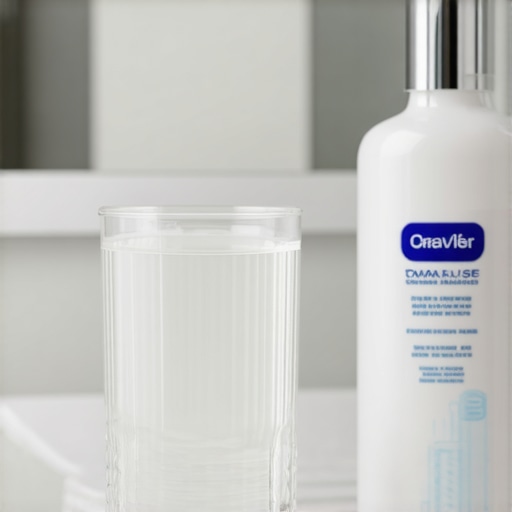
Your immediate instinct is probably to grab your toothbrush and scrub the sugar away. Do not do this. Brushing immediately after eating acidic treats acts like sandpaper on weakened enamel, grinding the corrosive substances deeper into your teeth. Instead, vigorously rinse your mouth with lukewarm water or a specialized pH-balancing rinse. I learned this lesson the hard way during a summer trip when I tried to scrub away the effects of a massive waffle cone, only to end up spending the rest of my vacation sipping lukewarm water because my teeth were too sore to function. Rinsing first safely dilutes the active sugars and washes away the loose bacterial debris without wearing down your protective dentin.
Switch to a Desensitizing Protocol
If you experience frequent discomfort, you need to actively rebuild your mouth’s natural defense system. Swap your standard paste for one formulated with potassium nitrate or calcium sodium phosphosilicate. These active compounds work like tiny microscopic corks, plugging the exposed tubules in your dentin so that hot, cold, and sweet triggers cannot send pain signals directly to your dental nerves. This is a foundational element of proactive family dentistry that helps protect every member of your household from unnecessary discomfort during dessert time.
Address Root Sensitivity and Structural Wear
When local remedies no longer keep the throbbing at bay, it usually means your physical dental shield has physically thinned or receded. If you are noticing that why your gums throb after you eat ice cream is becoming a daily struggle, you might be dealing with microscopic cracks or gum recession. In these instances, modern cosmetic and restorative solutions can step in to cover those exposed nerve pathways. Depending on the location and severity of the wear, upgrading your smile with custom veneers can physically shield the front of your teeth, while strong dental crowns can fully encase damaged molars to restore complete, pain-free chewing function.
When we talk about long-term dental health, there is a massive misconception that cosmetic dentistry is purely about vanity, while therapeutic dentistry does all the heavy lifting. In my years of exploring oral health care, I have realized this is a false dichotomy. Many people assume that cosmetic enhancements are just quick cover-ups for superficial flaws, but the reality is quite different. When done correctly, modern aesthetic treatments are deeply functional. They reconstruct damaged structures, close micro-gaps that harbor destructive bacteria, and shield exposed nerves from sweet triggers.
Why do so many people believe cosmetic treatments damage your teeth?
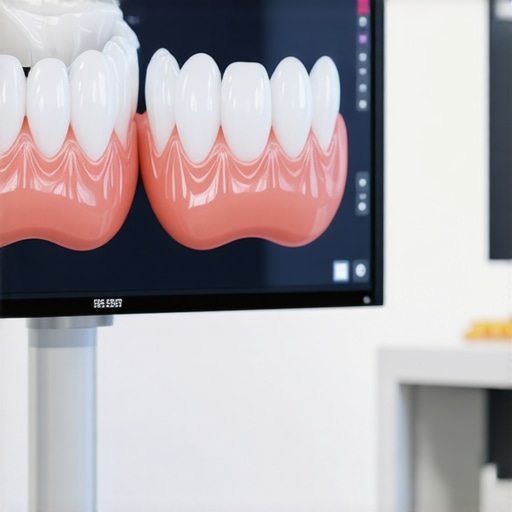
The most common myth surrounding procedures like porcelain restorations is that they require aggressive, irreversible grinding of your natural enamel. While this was sometimes true decades ago, contemporary conservative techniques focus heavily on preserving your natural tooth structure. A study published in the Journal of Prosthetic Dentistry highlights that ultra-thin porcelain preparations preserve up to 90% of the natural enamel, maintaining the tooth’s structural integrity while providing a powerful barrier against thermal and chemical sensitivity. If you only focus on temporary fixes like desensitizing paste, you are simply masking the symptoms of worn enamel rather than structurally protecting the tooth from further decay.
However, there is a dangerous trap to avoid here: the ‘Oops’ factor of opting for cheap, quick-fix cosmetic work abroad or from unverified providers. When restoration borders are not perfectly sealed at the microscopic level, they create tiny ledges. These ledges trap active sugars and bacteria directly against the newly prepared tooth, causing rapid, hidden decay that can eventually destroy the tooth from the inside out. If you are exploring how to address structural sensitivity, it is essential to compare options carefully, such as looking at veneers vs crowns, to ensure you select the approach that offers the most robust structural protection.
Ultimately, treating the underlying cause of your sweet-induced gum pain requires a comprehensive approach. For some, it means practicing advanced preventive care within the scope of comprehensive family dentistry. For others with severe localized wear or missing teeth, it might mean looking into modern restorative innovations like dental implants to rebuild a stable, pain-free bite. Have you ever fallen into this trap of choosing a quick fix only to deal with sensitivity later? Let me know in the comments below!
If you are tired of having your favorite desserts interrupted by a sudden, throbbing ache, it is time to stop guessing. Our dedicated team can help you identify the exact source of your sensitivity and craft a personalized plan to protect your smile. Do not wait for a minor ache to become a major emergency—reach out to us on our contact us page today to schedule a consultation and take the first step toward pain-free dining.
The Exact Tools I Use to Maintain My Restorations Every Day
Once you make the decision to investment in structural dental work—whether you upgraded your smile with custom porcelain veneers or chose to rebuild your bite with advanced dental implants—the real work shifts to daily maintenance. I used to think a basic plastic toothbrush and whatever cheap floss was on sale would suffice. I was entirely wrong. Specialized dental restorations require highly specific, non-abrasive tools to prevent microscopic scratching of the porcelain glaze and to protect the delicate gum margin where decay can secretly take hold.
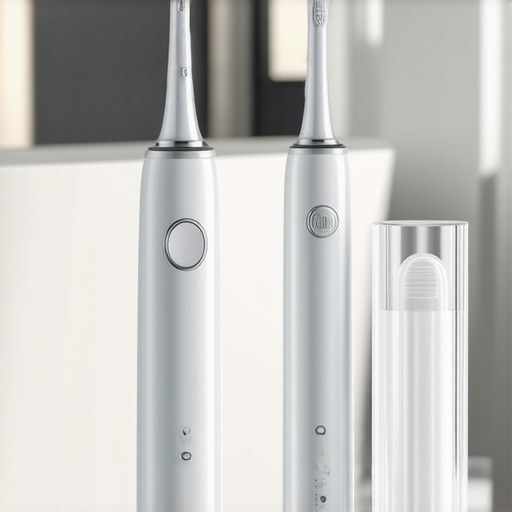
For my personal routine, I strictly use a sonic electric toothbrush equipped with ultra-soft, tapered polyester bristles rather than standard nylon. Standard nylon bristles can be too stiff, potentially causing micro-scratches on polished porcelain over time. To protect my investment, I also rely on a high-quality water flosser, but I had to learn how to use it correctly. If you have ever wondered why your gums bleed only when you use a water flosser, it is almost always because the pressure is set way too high or the tip is angled directly into the gum pocket rather than parallel to the tooth surface. Adjusting my technique to a medium-low setting was a complete game-changer for keeping my restoration margins clean without irritating my tissue.
How do I maintain cosmetic and implant restorations over time?
Long-term maintenance is not just about brushing; it is about preventing physical wear from nocturnal clenching and neutralizing acid attacks. When you sleep, stress can cause you to grind your teeth with up to 250 pounds of force per square inch. This intense pressure can easily fracture even the strongest dental materials. To counter this, wearing a custom-fabricated, hard acrylic nightguard is non-negotiable. It acts as a physical shock absorber, ensuring your restorations do not chip while you rest. Do you wear a nightguard, or do you wake up with a tight, aching jaw? Let me know your routine in the comments!
The future of dental maintenance is rapidly shifting toward biomimetic materials and micro-monitoring. I predict that within the next five years, we will see smart nightguards equipped with embedded pressure sensors that sync with your phone to track clenching patterns in real-time, allowing dentists to adjust your bite preemptively. Furthermore, advanced family dentistry practices are already beginning to utilize specialized remineralizing pastes containing nano-hydroxyapatite, a biocompatible compound that actually bonds with your natural tooth structure to seal microscopic pathways before active decay can begin.
According to Dr. Pascal Magne, a leading pioneer in biomimetic restorative dentistry, preserving the natural biomechanics of the tooth is paramount. His technical research emphasizes that when we protect the natural flex of a tooth using conservative bonding methods, we vastly extend the lifespan of any cosmetic enhancement. This is why choosing a highly precise dentist who understands conservative tooth preparation is so critical. If you are currently experiencing localized sensitivity or want to ensure your existing dental work is fully protected, I highly encourage you to try my favorite advanced maintenance tip: switch to a pH-neutralizing mouthwash immediately after eating sweet treats to stop acid damage in its tracks. To find a specialist who can analyze your bite and help preserve your smile, head over to our contact us page and schedule your assessment today.
It was a quiet Thursday night when it happened. I was sitting on my couch, happily devouring a slice of double-chocolate fudge cake, when suddenly a sharp, pulsing ache bloomed along my lower jaw. It wasn’t just a standard toothache; it felt like my actual gums were holding a tiny, furious rave. I remember thinking, did I brush too hard, or is this cake trying to destroy my mouth from the inside out? That was my wake-up call. For weeks, I had ignored the occasional twinge, but this full-blown throbbing forced me to realize that my love for sugary treats was waging a silent war on my oral health.
The Real Reason Sugar Makes Your Mouth Pulse with Pain
When you indulge in sweet treats, you aren’t just feeding your own cravings; you are throwing a massive feast for the microscopic bacteria living in your mouth. These bacteria consume the simple sugars and produce a highly acidic byproduct as a result. This acid quickly irritates your delicate gum tissue and begins to strip away microscopic layers of your protective enamel. If you already have minor gum recession or tiny micro-cavities near the gumline, this rapid chemical reaction translates directly into a throbbing, painful sensation. Early in my journey to figure this out, I made the classic mistake of simply brushing harder immediately after eating sweets, which actually scrubbed the active acid deeper into my enamel and made the irritation ten times worse!
Today, we are going to unpack exactly why this throbbing occurs, how you can identify the warning signs before they turn into major dental emergencies, and the immediate steps you can take to protect your smile without giving up every single thing you love to eat. If you have been ignoring that pesky post-dessert ache, it is time to address it before you find yourself needing advanced restorative procedures.
Is this throbbing a sign that I need major dental work?
It is incredibly easy to spiral into panic and assume that a little post-sweet throbbing means you are headed straight for expensive treatments like dental implants or full-mouth reconstruction. While persistent pain should never be ignored, often this throbbing is simply an early warning signal of mild inflammation or localized sensitivity. However, if the protective barrier of your teeth is severely compromised, you might eventually need to look into veneers vs crowns to rebuild that lost defense. Have you ever had to put down your favorite dessert halfway through because your mouth started throbbing out of nowhere? Tell me about your experience in the comments below!
According to research published by the American Dental Association, active oral bacteria can begin producing harmful acids within just twenty seconds of coming into contact with fermentable carbohydrates. This rapid-fire acid production is why the pain can feel so sudden and intense. Understanding this biological timeline is the first step toward reclaiming your comfort. In the next section, we will dive into the practical, everyday habits that can shield your gums from these sweet-induced attacks, keeping your smile bright and pain-free.
How to Stop the Sweet-Induced Throbbing in Your Gums
When sweet treats send a shockwave of pain through your jaw, you need a quick, systematic approach to neutralize the acid before it does permanent damage. Think of your enamel as the outer shield of a spacecraft. When sugary acids eat away at that shield, the hypersensitive inner control room of your tooth is left completely exposed to extreme temperatures and chemical shifts. The key is to acting immediately without causing self-inflicted friction damage.
First Neutralize the Acid Instead of Brushing
Your immediate instinct is probably to grab your toothbrush and scrub the sugar away. Do not do this. Brushing immediately after eating acidic treats acts like sandpaper on weakened enamel, grinding the corrosive substances deeper into your teeth. Instead, vigorously rinse your mouth with lukewarm water or a specialized pH-balancing rinse. I learned this lesson the hard way during a summer trip when I tried to scrub away the effects of a massive waffle cone, only to end up spending the rest of my vacation sipping lukewarm water because my teeth were too sore to function. Rinsing first safely dilutes the active sugars and washes away the loose bacterial debris without wearing down your protective dentin.
Switch to a Desensitizing Protocol
If you experience frequent discomfort, you need to actively rebuild your mouth’s natural defense system. Swap your standard paste for one formulated with potassium nitrate or calcium sodium phosphosilicate. These active compounds work like tiny microscopic corks, plugging the exposed tubules in your dentin so that hot, cold, and sweet triggers cannot send pain signals directly to your dental nerves. This is a foundational element of proactive family dentistry that helps protect every member of your household from unnecessary discomfort during dessert time.
Address Root Sensitivity and Structural Wear
When local remedies no longer keep the throbbing at bay, it usually means your physical dental shield has physically thinned or receded. If you are noticing that why your gums throb after you eat ice cream is becoming a daily struggle, you might be dealing with microscopic cracks or gum recession. In these instances, modern cosmetic and restorative solutions can step in to cover those exposed nerve pathways. Depending on the location and severity of the wear, upgrading your smile with custom veneers can physically shield the front of your teeth, while strong dental crowns can fully encase damaged molars to restore complete, pain-free chewing function.
When we talk about long-term dental health, there is a massive misconception that cosmetic dentistry is purely about vanity, while therapeutic dentistry does all the heavy lifting. In my years of exploring oral health care, I have realized this is a false dichotomy. Many people assume that cosmetic enhancements are just quick cover-ups for superficial flaws, but the reality is quite different. When done correctly, modern aesthetic treatments are deeply functional. They reconstruct damaged structures, close micro-gaps that harbor destructive bacteria, and shield exposed nerves from sweet triggers.
Why do so many people believe cosmetic treatments damage your teeth?
The most common myth surrounding procedures like porcelain restorations is that they require aggressive, irreversible grinding of your natural enamel. While this was sometimes true decades ago, contemporary conservative techniques focus heavily on preserving your natural tooth structure. A study published in the Journal of Prosthetic Dentistry highlights that ultra-thin porcelain preparations preserve up to 90% of the natural enamel, maintaining the tooth’s structural integrity while providing a powerful barrier against thermal and chemical sensitivity. If you only focus on temporary fixes like desensitizing paste, you are simply masking the symptoms of worn enamel rather than structurally protecting the tooth from further decay.
However, there is a dangerous trap to avoid here: the ‘Oops’ factor of opting for cheap, quick-fix cosmetic work abroad or from unverified providers. When restoration borders are not perfectly sealed at the microscopic level, they create tiny ledges. These ledges trap active sugars and bacteria directly against the newly prepared tooth, causing rapid, hidden decay that can eventually destroy the tooth from the inside out. If you are exploring how to address structural sensitivity, it is essential to compare options carefully, such as looking at veneers vs crowns, to ensure you select the approach that offers the most robust structural protection.
Ultimately, treating the underlying cause of your sweet-induced gum pain requires a comprehensive approach. For some, it means practicing advanced preventive care within the scope of comprehensive family dentistry. For others with severe localized wear or missing teeth, it might mean looking into modern restorative innovations like dental implants to rebuild a stable, pain-free bite. Have you ever fallen into this trap of choosing a quick fix only to deal with sensitivity later? Let me know in the comments below!
If you are tired of having your favorite desserts interrupted by a sudden, throbbing ache, it is time to stop guessing. Our dedicated team can help you identify the exact source of your sensitivity and craft a personalized plan to protect your smile. Do not wait for a minor ache to become a major emergency—reach out to us on our contact us page today to schedule a consultation and take the first step toward pain-free dining.
The Exact Tools I Use to Maintain My Restorations Every Day
Once you make the decision to investment in structural dental work—whether you upgraded your smile with custom porcelain veneers or chose to rebuild your bite with advanced dental implants—the real work shifts to daily maintenance. I used to think a basic plastic toothbrush and whatever cheap floss was on sale would suffice. I was entirely wrong. Specialized dental restorations require highly specific, non-abrasive tools to prevent microscopic scratching of the porcelain glaze and to protect the delicate gum margin where decay can secretly take hold.
For my personal routine, I strictly use a sonic electric toothbrush equipped with ultra-soft, tapered polyester bristles rather than standard nylon. Standard nylon bristles can be too stiff, potentially causing micro-scratches on polished porcelain over time. To protect my investment, I also rely on a high-quality water flosser, but I had to learn how to use it correctly. If you have ever wondered why your gums bleed only when you use a water flosser, it is almost always because the pressure is set way too high or the tip is angled directly into the gum pocket rather than parallel to the tooth surface. Adjusting my technique to a medium-low setting was a complete game-changer for keeping my restoration margins clean without irritating my tissue.
How do I maintain cosmetic and implant restorations over time?
Long-term maintenance is not just about brushing; it is about preventing physical wear from nocturnal clenching and neutralizing acid attacks. When you sleep, stress can cause you to grind your teeth with up to 250 pounds of force per square inch. This intense pressure can easily fracture even the strongest dental materials. To counter this, wearing a custom-fabricated, hard acrylic nightguard is non-negotiable. It acts as a physical shock absorber, ensuring your restorations do not chip while you rest. Do you wear a nightguard, or do you wake up with a tight, aching jaw? Let me know your routine in the comments!
The future of dental maintenance is rapidly shifting toward biomimetic materials and micro-monitoring. I predict that within the next five years, we will see smart nightguards equipped with embedded pressure sensors that sync with your phone to track clenching patterns in real-time, allowing dentists to adjust your bite preemptively. Furthermore, advanced family dentistry practices are already beginning to utilize specialized remineralizing pastes containing nano-hydroxyapatite, a biocompatible compound that actually bonds with your natural tooth structure to seal microscopic pathways before active decay can begin.
According to Dr. Pascal Magne, a leading pioneer in biomimetic restorative dentistry, preserving the natural biomechanics of the tooth is paramount. His technical research emphasizes that when we protect the natural flex of a tooth using conservative bonding methods, we vastly extend the lifespan of any cosmetic enhancement. This is why choosing a highly precise dentist who understands conservative tooth preparation is so critical. If you are currently experiencing localized sensitivity or want to ensure your existing dental work is fully protected, I highly encourage you to try my favorite advanced maintenance tip: switch to a pH-neutralizing mouthwash immediately after eating sweet treats to stop acid damage in its tracks. To find a specialist who can analyze your bite and help preserve your smile, head over to our contact us page and schedule your assessment today.
The Realizations That Completely Shifted My Perspective on Dental Health
Before I truly understood the biology behind tooth pain, I used to think a tooth was essentially an inert, solid rock in my mouth. My biggest personal lightbulb moment was realizing that our teeth are dynamic, living systems that actively react to every single bite of food. Here is what I wish I had known years ago:
- The immediate post-sugar window is critical: If you wait even thirty minutes to rinse your mouth after eating a sugary dessert, the acid has already done its micro-damage to your enamel. Speed is much more important than scrubbing.
- Sensitivity is an active warning system, not a permanent state: You do not have to just accept that cold or sweet foods hurt. Pain is your body telling you that your structural defenses are wearing thin, and modern restorative techniques can fix it.
- Restorations are only as good as the gumline beneath them: Whether you choose crowns or opt for a full veneers transformation, your home-care habits determine how long those beautiful enhancements actually last.
The Simple Daily Toolkit I Use to Keep My Mouth Quiet
I do not rely on generic, grocery-store dental supplies anymore. Over the years, I have curated a highly specific routine that keeps my teeth comfortable and prevents that dreaded post-sugar throb:
- Nano-Hydroxyapatite Toothpaste: Unlike fluoride alone, this biocompatible mineral actually replaces lost calcium and phosphate in your enamel, physically plugging the exposed tubules that trigger sensitivity.
- A Dedicated pH-Neutralizing Rinse: Instead of alcohol-heavy washes that dry out your tissues, a buffered, alkaline mouthwash quickly neutralizes sugars before the bacteria can convert them into acid.
- A Soft-Bristled Electric Sonic Brush: Using a high-quality electric brush removes significantly more biofilm without the aggressive friction that causes your gums to recede.
Take Control of Your Smile Health Today
You do not have to live in fear of the dessert menu or suffer through sudden throbbing every time you enjoy a sweet treat. By understanding how acid impacts your enamel and investing in high-quality home care and precise professional treatments, you can enjoy your meals in complete comfort. A beautiful, pain-free smile is one of the greatest investments you will ever make for your long-term health and personal confidence.
Have you ever experienced a sudden, painful throb in your gums right after eating something sweet? Let me know what worked best to soothe it in the comments below!