
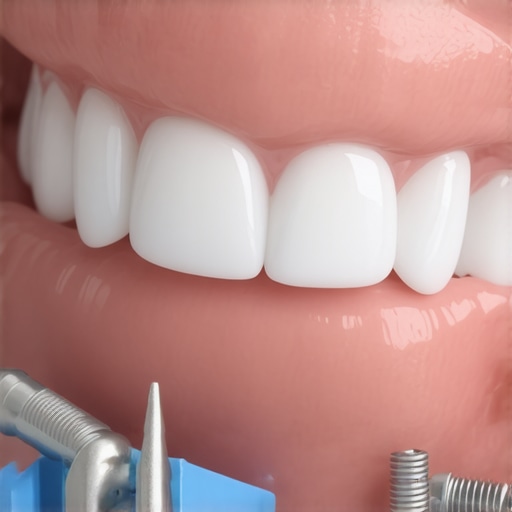
Ever had that unsettling moment when you bite into your favorite apple or toast and feel a strange wobble where your dental implant once felt secure? I remember the first time it happened to me—an inexplicable looseness that made me question everything about my smile. It was a lightbulb moment, realizing that even a small shift can cause big confidence issues and discomfort. If you’re nodding along, you’re not alone. Many folks with dental implants face this very problem, often wondering, Why does my implant feel loose? and whether it’s something they can fix themselves.
Understanding the Why Behind Your Loose Implant
Dental implants are designed to be a lifelong solution, providing stability and confidence that rival natural teeth. But over time, factors like bone loss, improper placement, or even daily habits can lead to a wobbly feeling. Early on, I made the mistake of ignoring these signs, thinking it was just a temporary issue. That was a mistake—delaying treatment can lead to more serious problems, like infection or implant failure. According to recent research, around 5-10% of dental implants fail within the first decade, often due to overlooked warning signs like looseness (source).
Is a Loose Implant Really Worth Fixing?
Initially, I thought a loose implant was just a minor inconvenience. I told myself I could wait it out or maybe tighten it myself—big mistake. Early in my treatment, I failed to recognize that a looseness is often a sign of underlying issues that require professional attention. Trust me, doing DIY fixes or ignoring the warning signs can lead to more pain and costly procedures down the line. Remember, your local dentist or oral surgeon has the expertise to diagnose and treat these problems before they escalate.
So, if your implant is feeling less than solid, don’t brush it off. In the next sections, I’ll share three simple, effective fixes that can help restore stability and confidence—methods I personally used and swear by. Whether it’s a minor adjustment or a more involved procedure, understanding your options is the first step toward keeping that beautiful smile intact.
Secure Your Implant with a Professional Evaluation
The first crucial step is scheduling an appointment with your dentist or oral surgeon. During this visit, they’ll examine your implant using X-rays and a physical assessment to determine the root cause of looseness. I once noticed my implant feeling wobbly after a meal, so I quickly booked a consultation. The dentist identified minor bone resorption and suggested a bone graft to reinforce stability. Prompt professional assessment prevents further damage and ensures proper treatment. Learn more about restoring confidence with expert implant solutions.
Deep Clean and Maintain Oral Hygiene
A common reason for loose implants is infection or plaque buildup around the area. I remember a time when poor brushing caused inflammation, leading my implant to feel less secure. To address this, I followed a strict oral hygiene routine: brushing twice daily with a soft-bristled toothbrush, flossing carefully around the implant, and using antibacterial mouthwash. Regular cleaning reduces bacterial load and prevents tissue swelling, essential for implant stability. Consider consulting your dental professional about specialized cleaning methods or tools that can enhance maintenance. Discover vital family dentistry tips.
Address Bone Loss with Repair Procedures
If your assessment uncovers bone deterioration, surgical intervention may be necessary. I underwent a minimally invasive bone augmentation procedure that involved adding graft material to support the implant. This process is akin to patching the foundation of a building to prevent future shifts. The surgery helped restore stability, and I experienced a much firmer, more confident bite afterward. Always work with your dentist to explore options like bone grafting, sinus lifts, or even implant upgrading. Learn about red flags to watch for that indicate bone loss risks.
Consider Re-Tightening or Replacing the Implant
In some cases, the implant itself may need to be re-tightened or replaced. I recall a visit where my dentist used a special torque wrench to gently tighten the abutment, restoring firmness. If loosening persists despite repairs, a new implant might be the best solution. This could involve removing the old implant, addressing any underlying issues, and placing a new one with improved techniques like guided surgery. Such measures are vital to ensure long-term success. For guidance on choosing the right implant, see best implants for lasting confidence.
Prevent Future Loosening with Ongoing Care
The key to maintaining a secure dental implant is consistent follow-up care. I schedule regular check-ups every six months, during which my dentist evaluates implant stability, performs professional cleanings, and monitors bone health. Additionally, avoiding harmful habits like teeth grinding or excessive force helps prevent loosening. Using a nightguard if needed and maintaining a balanced diet rich in calcium supports bone integrity. Staying proactive with your dental team ensures that your implant remains as firm as the day it was placed. Explore family dentistry’s role in lasting smiles.
Many individuals assume that veneers, cosmetic dentistry, and dental implants are foolproof, quick fixes for a perfect smile. But beneath the surface, there are nuanced pitfalls and misconceptions that can jeopardize long-term success. For example, the popular belief that veneers are completely stain-proof is misleading. While porcelain veneers are durable, they can still stain if patients consume excessive coffee, red wine, or neglect proper hygiene. This misconception often leads to disappointment and unnecessary replacements. Additionally, there’s a myth that cosmetic procedures are purely superficial and don’t impact oral health. In reality, poorly planned veneers or implants can cause bite issues, jaw pain, or even nerve damage over time. Understanding these intricacies is vital for choosing treatments that genuinely enhance both appearance and function.
Can veneers cause other dental issues down the line? Let’s dig deeper.
A common advanced mistake is selecting overly aggressive bonding techniques to save time, which can weaken tooth structure and increase the risk of fracture. Experts warn against rushing the process; meticulous prep and material selection are crucial for durability. Similarly, many overlook that not all dental implants are created equal. Some lower-quality implants may have a higher failure rate or cause bone resorption if placed without proper planning. For instance, recent studies highlight the importance of digital-guided implant placement to avoid nerve damage and ensure long-term stability—something many clinics neglect. Before opting for any cosmetic enhancement, consider consulting trusted sources like this detailed guide on dental implants to understand possible pitfalls.
Another oversight involves ignoring the importance of family dentistry in maintaining ongoing oral health. Focusing solely on aesthetics neglects the necessity of routine check-ups and preventive care, which are integral to the longevity of any cosmetic work. Regular visits can catch early signs of issues like gum disease or enamel erosion that might compromise your investment. As emphasized in family dentistry tips, patient education is key to avoiding costly mistakes and preserving your smile’s health.
It’s tempting to assume that cosmetic procedures are one-and-done solutions. However, the reality is that they require diligent maintenance and sometimes ongoing repairs. For example, veneers may chip or delaminate if subjected to excessive force or habits like teeth grinding. Recognizing early signs and seeking timely professional advice can prevent extensive repair work later. This is why understanding the nuances, like the importance of using custom nightguards, can make a significant difference.
In summary, the hidden nuance in cosmetic dentistry revolves around quality, planning, and maintenance rather than just surface appearance. Don’t fall into the trap of thinking that procedures are universally risk-free or permanent without effort. Educate yourself thoroughly and work with experienced professionals to ensure your smile remains radiant and healthy over the years. For more insights, explore our cosmetic dentistry secrets or schedule a consultation via our contact page. Have you ever fallen into this trap? Let me know in the comments.Maintaining your smile’s brilliance and longevity requires the right tools and techniques. One essential device I personally recommend is a UV-activated polishing pen, which I use weekly at home to gently remove surface stains and keep veneers shining. It’s simple, effective, and saves me trips to the dentist for minor touch-ups. Additionally, I rely on an ultrasonic dental scaler for daily plaque control—the sonic vibrations effectively clean hard-to-reach areas around implants and bonding, preventing bacterial buildup that can loosen restorations. In combination with high-quality, fluoride-rich toothpaste, these tools help extend the life of both veneers and implants. Looking ahead, advances in AI-powered dental plaque sensors are poised to revolutionize at-home oral hygiene by providing real-time feedback via smartphone apps, making maintenance smarter and more personalized. For long-term results, integrating these smart tools into your routine can prevent common pitfalls like surface staining, decay, or early implant failure. How do I maintain my cosmetic enhancements over time? I schedule regular professional check-ups every six months, during which my dentist assesses tissue health and performs necessary cleanings. I also follow personalized oral hygiene plans, emphasizing gentle brushing and interdental cleaning around restorations. Remember, neglecting maintenance can compromise your investment, leading to costly repairs or replacements down the line. For comprehensive strategies, explore [family dentistry tips](https://straightsmileortho.com/family-dentistry-tips-for-a-lifetime-of-healthy-smiles) that support ongoing oral health and longevity. I urge you to try implementing a polishing pen alongside ultrasonic cleaning—these small adjustments make a big difference in preserving your smile’s natural beauty and confidence. Embracing emerging technologies like AI-based plaque monitoring will soon become essential in proactive dental care, ensuring your restorations stay flawless for years to come.
Unveiling the Truths No One Tells About Smile Makeovers
- One of the most eye-opening lessons I learned was that not all materials used in veneers and implants are created equal. Opting for high-quality, trusted brands made a significant difference in longevity and appearance, proving that choosing the right materials is an investment in your smile’s future.
- Practicing diligent maintenance was another critical insight. I realized that regular professional check-ups and personalized oral hygiene routines are the secret sauce to keeping cosmetic work looking stunning and functioning perfectly over time.
- Patience and proper planning are vital. Rushing into cosmetic procedures without comprehensive assessments can lead to unforeseen issues. Taking the time to understand each step and trusting experienced professionals made all the difference.
- Addressing underlying health issues, like bone loss or gum disease, before cosmetic procedures prevents complications down the line. It’s a reminder that a healthy foundation is essential for any aesthetic enhancement.
- Finally, embracing technological advancements such as digital-guided implant placement and AI-powered maintenance tools can elevate results and longevity, transforming traditional approaches into state-of-the-art solutions.
A Curated List of Resources That Elevated My Smile Journey
- Trusted Dental Material Brands: Choosing reputable brands like Zirconia for implants or porcelain for veneers ensures durability and natural aesthetics. I personally prefer brands with proven track records and positive patient reviews.
- Educational Publications: Reading comprehensive guides such as this expert guide on dental implants provided me with insights on long-term care and realistic expectations, empowering me to make informed decisions.
- Innovative Dental Tools: Tools like ultrasonic scalers and UV-activated polishing pens have become staples in my routine, helping me maintain the brilliance of veneers and the health of implants daily.
- Latest Technological Advancements: Staying updated with innovations like digital implant planning and AI-driven plaque sensors opened new horizons for proactive and personalized oral care. Following industry leaders and reputable dental websites keeps me ahead in the game.
Your Smile Revolution Starts Now
Transforming your approach to veneers, cosmetic dentistry, dental implants, and family dentistry isn’t just about aesthetics—it’s about embracing a lifelong commitment to health, confidence, and innovation. By learning from real experiences and leveraging trusted tools, you can achieve a radiant, lasting smile that reflects your best self. Don’t wait for issues to escalate—take proactive steps today and enjoy the confidence of knowing your smile is resilient and beautiful for years to come.
What’s one step you’re ready to take toward improving your dental health or smile? Share your thoughts below and start your journey now!
,