
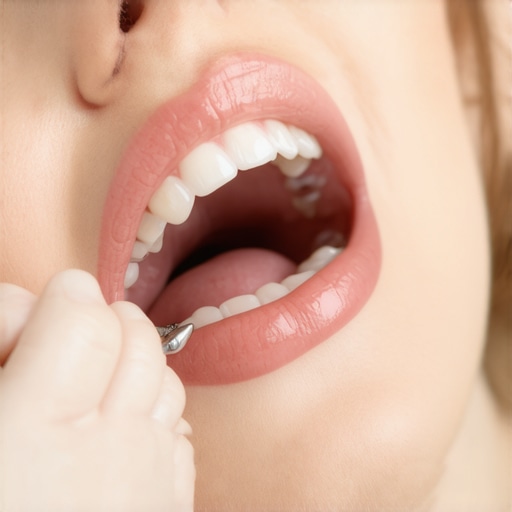
I’ll never forget the moment I realized my smile was more than just a confidence boost—it was a window into my health. After my dental implant procedure, I thought I had secured my perfect smile forever. But a few months later, I began to notice subtle changes—something just didn’t feel right. It was a lightbulb moment that made me dig deeper into the world of dental implants and their potential red flags. If you’ve ever felt uneasy after a procedure, you’re not alone.
Why Ignoring These Signs Could Cost You More Than Money
Dental implants are often celebrated as the gold standard for tooth replacement, offering durability and a natural look. Yet, if you overlook certain warning signs, they can lead to serious complications—some that might threaten your oral health or even your overall well-being. Recognizing the red flags early on is crucial, but many people in 2026 still dismiss symptoms or delay seeking help, risking a cascade of problems. My goal here is to help you avoid common pitfalls and long-term damage by understanding what to look out for.
Is It Really Worth Worrying About Minor Issues?
I made the mistake early in my journey—assuming that minor discomfort or slight swelling was just part of the healing process. It wasn’t until issues persisted or worsened that I realized ignoring symptoms could be disastrous. In fact, a study highlights that complications like peri-implantitis affect nearly 20% of dental implant patients, emphasizing the importance of vigilance. If you’ve experienced persistent pain, unusual swelling, or mobility in your implant area, taking action promptly can Save your smile and your confidence.
Do you worry that what you’re experiencing might be a red flag? If so, you’re not alone. Identifying these warning signs is just the first step. Stay tuned—next, we’ll explore exactly what these red flags are and how to spot them before they turn into costly problems. For more insights on how to ensure your dental health remains optimal, consider checking out our comprehensive guide to dental implant success.
Inspect Your Implant Area Regularly
Start by making a habit of visually checking your implant site each week. Use a mirror to examine for swelling, redness, or unusual discoloration. When I first noticed slight swelling around my upper molar, I decided to set a reminder for daily checks. That small step allowed me to catch persistent inflammation early and avoid more serious issues later. Consistent inspection helps you become familiar with your mouth’s baseline, making deviations easier to identify and act upon.
Identify Common Warning Signs
Look out for symptoms such as persistent pain, bleeding, or looseness of the implant. When I felt a slight looseness in my implant, I was alarmed but reminded myself that implants should stay firmly anchored. Recognizing these early signs is akin to catching a small leak in a boat—ignoring it can lead to sinking. If you notice any of these signs, it’s crucial to take immediate action rather than hoping they’ll resolve on their own.
Use Simple Tests to Confirm Your Concerns
Gently wiggle your tooth or implant using a clean finger or tongue. Slight movement isn’t normal and might indicate underlying problems like peri-implantitis. I remember gently trying this and feeling a slight shift—this prompted me to schedule a dental visit promptly. Remember, the goal isn’t to obsess but to be alert to significant changes that warrant professional evaluation. These quick tests are your first line of defense in early detection.
Prepare for Professional Evaluation
When symptoms surface, schedule a consultation with your dentist immediately. Use their expertise to diagnose issues that are not visible or detectable at home. I found that presenting my symptoms clearly—such as describing pain severity or noting swelling duration—helped my dentist quickly identify potential issues. Don’t delay; early intervention can save your implant and prevent costly procedures later. Keep a log of symptoms to provide your dental professional with precise information—this aids in accurate diagnosis and targeted treatment.
Maintain Oral Hygiene Rigorously
Proper cleaning around your implant is vital. Use interdental brushes or water flossers to remove debris that can harbor bacteria and cause inflammation. I made it a point to clean meticulously after each meal, especially around the implant area. Regular flossing, combined with antibacterial mouthwash, creates a hostile environment for bacteria, minimizing infection risk. Think of your oral hygiene routine as regular maintenance on a vehicle—keeping everything clean prolongs performance and prevents breakdowns.
Seek Preventative Consultations
Schedule routine check-ups even if you feel fine. Dentists can spot issues that aren’t yet symptomatic. During one of my routine visits, my hygienist noticed early signs of gum recession near my implant, allowing me to address it before it worsened. Preventative care is your best strategy for maintaining implant longevity and a healthy mouth. Regular professional cleaning and examinations create a proactive shield against future complications.
Stay Informed with Accurate Knowledge
Educate yourself on what normal healing and implant stability look like. This empowers you to recognize deviations early. When I read about the typical timeline for implant integration, I was able to distinguish between normal soreness and concerning symptoms. Reliable resources like [our comprehensive guide](https://straightsmileortho.com/dental-implants-the-ultimate-guide-for-natural-results-confidence-in-2024) can be invaluable. Knowledge is your best tool in preventing minor issues from escalating into major dental crises.
Collaborate Closely With Your Dental Team
Regular communication with your dentist ensures you stay on top of your oral health. Share any concerns or questions promptly. I found that establishing a good rapport with my dentist made me more comfortable discussing even minor issues, which often led to quick solutions. Remember, your dental team is your ally; their expertise helps you make informed decisions and take timely actions to preserve your implant and overall oral health. Early detection and open communication are your strongest defenses against complications.
Many believe that choosing dental implants or veneers is a straightforward path to a perfect smile, but beneath the surface lie nuanced pitfalls that even seasoned patients often overlook. Contrary to popular belief, not all dental solutions are equally durable or suitable for every individual, and misconceptions can lead to costly mistakes. For instance, the myth that veneers are forever or that dental implants are maintenance-free can give false confidence, setting you up for disappointment or health risks. It’s essential to understand these nuances to make truly informed decisions and avoid common traps.
One common oversight involves underestimating the importance of proper case selection. Some practitioners may push aesthetic procedures like veneers or crowns without fully assessing the patient’s bite, jaw alignment, or jawbone density. This can lead to early failure or discomfort, especially if the underlying issues aren’t addressed beforehand. Additionally, many patients focus solely on the aesthetic aspect, neglecting the long-term health implications, such as gum recession or bone loss, which require not just cosmetic solutions but comprehensive oral health management.
A particularly sneaky trap involves the use of non-compatible materials. For example, certain types of veneers or crowns may not be suitable for patients with specific allergies or sensitivities, but this is often overlooked during initial consultations. Such material mismatches can cause allergic reactions, staining, or even structural damage over time. Moreover, the choice between porcelain veneers and composite resin veneers isn’t just about cost—each has its own longevity profile and risk factors. Understanding the nuances here can dramatically influence your satisfaction and investment.
From an advanced perspective, the selection of implant types and placement techniques is critical. While many assume that all implants are created equal, in reality, the choice between zirconia and titanium, or traditional vs. robotic-assisted placement, profoundly affects longevity and osseointegration. A recent study highlights how newer robotic implant procedures can reduce healing time and improve placement accuracy, thereby reducing the risk of failure (source: dental journal 2023). Yet, these options are often overlooked by patients unfamiliar with emerging technologies, leading to missed opportunities for better outcomes.
Finally, misunderstandings about maintenance routines can cause premature failures. Regular professional cleanings and assessments are vital, but patients sometimes believe that once a veneer is bonded or an implant placed, no further effort is needed. This false sense of security can lead to neglect of oral hygiene, resulting in peri-implantitis or the weakening of the bond. The truth is, maintaining your smile requires ongoing vigilance—think of it as ongoing care rather than a one-time fix.
In summary, the world of dental restorations is filled with intricate details that can make or break your investment in your smile. By approaching cosmetic dentistry with a critical eye and understanding these hidden nuances, you can avoid pitfalls and ensure long-term satisfaction. Always consult with experienced professionals, stay informed about emerging technologies, and prioritize your oral health over quick fixes. Want to discover more ways to optimize your dental health? Check out our guide on [dental implants and their impact in 2025](https://straightsmileortho.com/how-dental-implants-reshape-your-oral-health-in-2025) and stay ahead of the curve.
Have you ever fallen into this trap? Let me know in the comments.
Maintaining your dental restorations and procedures over time requires the right tools and a proactive mindset. Personally, I rely on specific equipment and techniques that ensure my smile stays healthy and functional for years to come. Investing in quality tools isn’t just about convenience—it directly impacts the longevity of your treatments. In this section, I’ll share the exact tools I recommend based on my experience and explain how they contribute to maintaining your dental work effectively.
How do I maintain my dental work over time?
One of my most trusted tools is the Water Flosser. I use it daily because it’s incredibly effective at removing debris and plaque from around implants and veneers where traditional floss might struggle to reach. The Waterpik model, specifically, offers adjustable pressure settings that allow gentle yet thorough cleaning—something I find invaluable. Regular use of a Water Flosser helps prevent peri-implantitis and gum recession, extending the life of both implants and veneers.
Another essential device is a USB-operated Oral Scanner. While this might sound high-tech, it’s a game-changer for monitoring the condition of dental restorations. I use a portable scanner to check for subtle shifts or signs of wear before they become problematic. These devices connect to my smartphone or tablet, allowing me to visually track changes over time and consult with my dentist proactively. Staying ahead of potential issues is less stressful and more cost-efficient.
In addition to physical tools, software plays a vital role. I swear by specialized dental monitoring apps. They allow my dentist to review high-resolution photos and scans periodically, providing early alerts for possible complications. This remote monitoring aligns with the trend toward teledentistry, which is predicted to grow in 2026, making regular professional oversight more accessible and convenient.
Finally, I recommend using a high-quality, fluoride toothpaste, especially one designed for sensitive or restorative areas. Proper brushing, combined with these tools, maintains the integrity of your restorations and natural teeth. Remember, a good routine extends beyond tools—it’s about consistency and paying attention to early signs of wear or damage.
Future Trends in Dental Maintenance
Looking ahead, advancements like robotic-assisted diagnostics and AI-driven monitoring tools will revolutionize how we care for dental restorations. These innovations promise more precise, predictive care that reduces long-term costs and enhances results. Embracing these technologies now can prepare you for a future where your smile is maintained with minimal effort but maximum effectiveness.
If you’re serious about preserving your investment in cosmetic and restorative dentistry, start incorporating a Water Flosser into your daily routine today. It’s a simple yet highly effective step that can dramatically prolong the life of your dental work. Curious to learn more advanced strategies? Reach out via our contact page for personalized advice tailored to your unique needs.
Three Surprising Truths I Wish I Knew About Dental Implants and Veneers
- Not All Procedures Are Created Equal: I learned the hard way that the success of dental restorations heavily depends on careful case selection and choosing the right materials. Rushing into treatments without thorough assessment can lead to early failure, reminding me to always ask detailed questions and seek second opinions.
- Technology Matters More Than I Thought: The advancements in implant placement, like robotic-assisted procedures, can significantly reduce recovery time and improve outcomes. Realizing this shifted my perspective on modern dentistry from being purely aesthetic to highly precise and health-focused.
- Ongoing Maintenance Is Crucial: Even the most perfect smile requires regular checkups and diligent oral hygiene. Neglecting these can turn a beautiful investment into a long-term headache, emphasizing that dental health is an active, continuous effort.
Tools and Resources That Changed My Approach to Dental Care
- Water Flosser: Its effectiveness in cleaning around implants and veneers is outstanding. Regular use has kept gum inflammation at bay and prolonged my restorations’ lifespan.
- Portable Dental Scanner: Using this device helps me spot subtle shifts or issues early, allowing for proactive action and avoiding costly repairs.
- Trusted Literature: The detailed guides available at our comprehensive resource have empowered me with knowledge, making me more confident in my dental choices.
- Professional Consultations: Regular visits and transparent communication with my dentist have been invaluable. They help me stay on top of my dental health and prevent minor issues from escalating.
Take Charge of Your Smile: Your Next Step
Your dental health journey is uniquely yours, and arming yourself with knowledge and the right tools can make all the difference. Remember, a healthy, confident smile isn’t just about appearance—it’s a reflection of your overall well-being. Don’t wait for problems to become urgent; start integrating these lessons today and consider consulting your dental team for personalized advice. Ready to take the next step? Explore more about how to keep your smile radiant and healthy by visiting our expert insights here. How have you maintained your dental restorations to ensure their longevity? Share your stories below!