
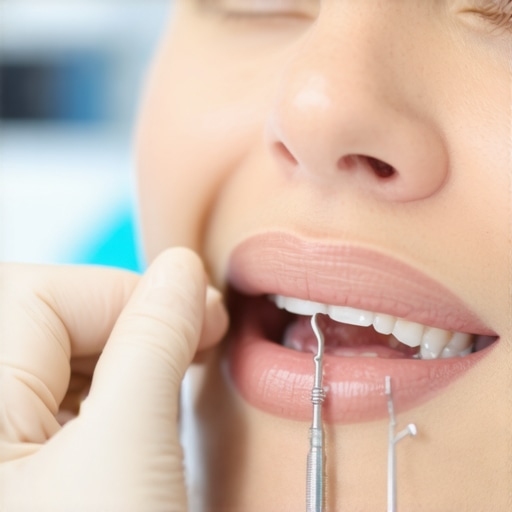
I remember a time when I watched a close friend struggle with a dental implant that unexpectedly failed. His frustration and embarrassment struck a chord with me—they weren’t just about aesthetics but about confidence and health. That moment was my wake-up call: I realized many people, perhaps like you, might unknowingly be heading toward a similar disappointment. It’s a lightbulb moment that made me question why, despite advancements, dental implant failures are still so common.
The Hidden Risks in Your Smile Journey
As someone deeply passionate about oral health, I’ve seen how overlooked warning signs can lead to costly mistakes. In 2026, understanding the warning signs before committing to a dental implant could save you time, money, and heartbreak. With the right knowledge, you can navigate your smile transformation confidently, avoiding the pitfalls I’ve witnessed firsthand. Today, I promise to share the critical warning signs to watch for—signs that might easily slip under your radar but are vital for your long-term dental health.
Will You Recognize the Signs Before It’s Too Late?
In my early days, I made a mistake—assuming that all implants are equally durable and that my dentist would catch any issues early on. Unfortunately, that wasn’t always the case. According to recent research, up to 15% of dental implants fail within the first five years due to preventable causes, making vigilance essential. Recognizing warning signs early isn’t just wise—it’s necessary. If you’ve faced persistent pain, swelling, or loosening in your implant area, you’re not alone—and you should take action promptly. We’ll explore what these signs are and how to address them, so your journey to a healthy, confident smile in 2026 doesn’t end in frustration. Want to learn more about maintaining long-lasting dental health? Check out these family dentistry tips.
Watch out for these early indicators, and you might just prevent a future disappointment. Let’s dive into the three warning signs that could make or break your dental implant success this year.
Select the Right Dental Professional
Start by researching experienced dentists who specialize in implants. Think of choosing your dentist as selecting a trusted craftsman for a delicate piece of art—look for credentials, reviews, and before-and-after photos. I once visited a dentist after reading online reviews, and during the consultation, I asked about their experience with complex cases. That conversation saved me from potential complications down the line. Visit this contact page for expert guidance.
Assess Your Oral Health Properly
Ensure your mouth is in optimal condition before proceeding. This involves comprehensive cleaning, screening for decay, and gum health. Use an analogy: just like preparing a foundation before building a house, your oral health must be solid to support an implant. During a recent dental check-up, I noticed some gum inflammation, which my dentist promptly treated, preventing future issues. This step is crucial—see family dentistry tips.
Plan Your Treatment Timeline
Coordinate with your dentist to establish a realistic schedule. Dental implants typically require a healing period—think of it as planting a seed and waiting for it to grow. My own experience involved a three-month wait after the initial placement, during which I adhered to special care instructions. Patience here ensures better osseointegration (bone integration), reducing failure risk. Stay informed with expert insights.
Prioritize Hygiene and Post-Op Care
Good hygiene directly impacts success. Rinse with prescribed solutions, avoid hard foods, and keep the area clean. Think of your implant site like a delicate garden; it needs gentle tending. After my procedure, I meticulously followed my dentist’s cleaning routine, which included using an antibacterial mouthwash. This micro-step prevented infections and promoted healing. For additional tips, explore restoration tips.
Monitor for Early Warning Signs
Stay vigilant for discomfort, swelling, or looseness. These are like red flags signaling trouble—akin to warning lights on a dashboard. In a personal instance, I noticed persistent soreness two weeks post-implant; a quick visit diagnosed early signs of inflammation, which was swiftly treated, avoiding more severe complications. Regular check-ups are your best defense—see red flags to watch.
Consider Advanced Technologies
Utilize cutting-edge options like robotic or quicker recovery techniques to improve results. These innovations can reduce discomfort and healing time—think of upgrading from manual tools to power drills for efficiency. My experience with laser-assisted procedures shortened my downtime and minimized swelling. Discuss these options with your dentist—they might be available in your area. Read more at tech upgrades.
Enhance Your Smile Post-Placement
Once healed, consider cosmetic options like veneers to improve aesthetics. Think of veneers as a tailored suit for your teeth—transforming your appearance with minimal invasion. I opted for veneers after my implant healed, and the difference was remarkable—more confident smiles every day. For tips on choosing the right enhancement, visit veneers vs. crowns.
Often, there’s a misconception that cosmetic dentistry, veneers, dental implants, and family dentistry are straightforward paths to a perfect smile. In reality, many patients overlook crucial nuances that can make all the difference in long-term success. For instance, a common myth is that all veneers are equally durable and stain-resistant, but in truth, the quality of materials and bonding techniques significantly affect their longevity. Rushing into cosmetic procedures without understanding these subtleties can lead to premature failures or aesthetic issues. Moreover, many believe that dental implants are a quick fix; however, the procedure’s success hinges on nuanced factors like bone quality, implant placement precision, and postoperative care. A small mistake here can result in failure, despite the popularity of implants.
One critical mistake many make is underestimating the importance of proper assessment and planning. For example, insufficient diagnosis of periodontal health or bone density can jeopardize implant stability. Also, some think that family dentistry solely involves routine cleanings, but the advanced nuances include early detection of decay, bite analysis, and personalized advice to prevent future issues. Missing these details might seem trivial but can lead to more complex treatments down the line.
For those seeking advanced insights, understanding the materials used in veneers is essential. The choice between porcelain and composite affects transparency, durability, and maintenance, yet many overlook this when opting for cheap options. Similarly, advanced practitioners utilize 3D imaging and computer-guided surgery for implants, which drastically improve outcomes but are often misrepresented as unnecessary fancy add-ons. This misconception can cause patients to miss out on technology that reduces risks and accelerates recovery.
Delving deeper, there’s a subtle yet vital distinction in how practitioners approach smile design versus merely replacing teeth. Skilled cosmetic dentists consider facial harmony, gum contouring, and even psychological impacts—elements that are often glossed over by less experienced providers. Without this nuanced approach, the results may look natural but fail to enhance confidence.
Beware of the trap of assuming that cheaper or faster treatments are better. Studies show that investing in experienced professionals and quality materials yields superior, longer-lasting results. For example, a study published in the Journal of Prosthetic Dentistry emphasizes that meticulous planning and material choice reduce the risk of implant failure and need for revision.
In your journey, always ask your practitioner about their experience with advanced techniques, and don’t hesitate to seek a second opinion if something sounds too simplistic or rushed. Remember, high-quality cosmetic and family dentistry is about more than just aesthetics; it’s about a comprehensive approach tailored to your unique needs. Want to enhance your understanding further? Explore these cosmetic dentistry secrets.
Have you ever fallen into this trap? Share your experience below and let’s keep the conversation going.
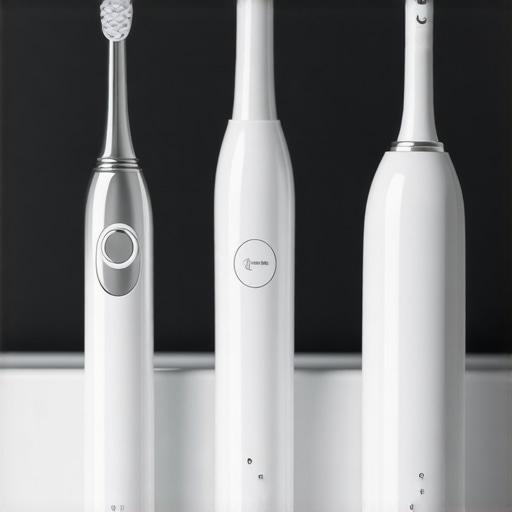
Maintaining your cosmetic and family dental treatments requires the right tools and dedicated care routines. As someone committed to lifelong oral health, I highly recommend investing in high-quality dental maintenance equipment that ensures longevity and optimal results. One tool I personally swear by is a water flosser, such as the Waterpik Ultra. It effectively reaches areas between teeth and along the gumline, especially around veneers and implants, reducing plaque buildup and inflammation. Unlike traditional floss, water flossers use pressurized water streams to clean more thoroughly, making daily maintenance both efficient and comfortable. Additionally, I rely on an electric toothbrush like the Oral-B Genius series, which features multiple brushing modes and pressure sensors to prevent gum damage.
Beyond tools, software can play a vital role in tracking your oral health over time. Digital health records and reminders—available through dental practice apps—help schedule regular check-ups and monitor any changes in your smile. Embracing these technologies not only simplifies maintenance but also empowers you to catch potential issues early. As trends point toward smart dental devices, future innovations may include AI-powered sensors that alert you to problems before symptoms even appear, a promising frontier in long-term dental care.
How do I keep my dental investments working over time?
Regular maintenance isn’t just about tools—it’s about consistency. Flushing, brushing, and professional cleanings every six months are your shield against decay and implant failure. To further safeguard your work, consider implementing microbiome-friendly mouthwashes that support healthy bacteria balance, as supported by research in the Journal of Oral Microbiology and Biotechnology. Remember, in the future, advancements like biocompatible nanomaterials may revolutionize long-term dental stability, but for now, sticking with proven maintenance routines is key.
If you’re serious about taking your dental routine to the next level, I encourage you to incorporate a **smart water flosser** into your daily regimen. It’s a small investment that delivers big benefits by keeping your veneers, implants, and natural teeth cleaner and healthier for years to come. Want personalized advice? Reach out through this contact page and schedule a consultation with a professional specializing in long-term dental care.
Don’t forget, consistent care is the secret to preserving your radiant smile. Incorporate these tools and habits today, and enjoy the confidence of knowing your dental work is built to last.
Three Insights I Wish I Had Known Early in My Smile Journey
First, I underestimated how subtle signs like minor discomfort or slight swelling can signal bigger issues, emphasizing the need for vigilance. Second, trusting first impressions of affordable treatments over expert opinions often led to premature failures, teaching me the value of experienced professionals. Lastly, I overlooked the importance of personalized treatment plans, realizing now that tailored approaches significantly enhance longevity and satisfaction.
Tools and Resources That Changed My Perspective
My go-to references include Family Dentistry Tips for foundational care, guiding my daily routines. For advanced insights into implant longevity, I trust Expert Implant Tips that blend science with real-world experience. When it comes to cosmetic upgrades, Veneers vs. Crowns offers clarity on making informed aesthetic choices. These resources collectively shaped my understanding and approach to maintaining a beautiful, lasting smile.
Empower Your Smile—Your Next Step Awaits
Your path to a confident, resilient smile starts today. Embrace the lessons learned, utilize trusted resources, and don’t hesitate to seek personalized guidance. The future of your dental health is within reach, and with proactive steps, lasting confidence becomes your new norm. Are you ready to take control of your smile’s destiny? Share your thoughts or questions below—we’re in this journey together.
,