I was halfway through a perfectly toasted piece of sourdough when it happened. A tiny, unmistakable click echoed in my jaw. It wasn’t pain, but it was a sensation I hadn’t felt in five years: movement. My front dental implant, the one I considered a permanent fixture of my face, had developed a wiggle. I froze, bread in hand, convinced my entire investment was about to fall into my soup. It’s a terrifying moment that sends most of us spiraling into thoughts of expensive surgeries and failed procedures. We spend so much time focusing on cosmetic dentistry secrets to boost your confidence that we often forget these high-tech marvels are still mechanical pieces living in a very active environment. If you are sitting there right now, pushing your tongue against a crown that feels just a little too ‘mobile,’ take a deep breath. You aren’t losing your tooth, and you certainly haven’t failed at oral hygiene.
Your Crown Decided to Move but the Foundation is Likely Fine
When I first felt that movement, I made the classic mistake of ‘testing’ it. I spent three days wiggling it with my finger, thinking I could somehow diagnose the issue myself. That was a disaster for my anxiety. I eventually learned that there is a massive difference between the implant post—the screw in your bone—and the crown that sits on top. Most of the time, the post is rock solid, but the tiny screw holding the porcelain to that post has simply backed out a fraction of a millimeter. Think of it like a doorknob that gets loose after years of use; the door is fine, the frame is fine, but the hardware needs a quick tighten. It’s actually quite common for the truth about why your dental implant feels loose to be as simple as mechanical wear and tear. According to the American Academy of Implant Dentistry, while the success rate for implants is incredibly high, mechanical complications like screw loosening occur in about 5% to 10% of patients over a ten-year period. It’s a part of the long-term maintenance of dental implants in 2025 that we just don’t talk about enough at the dinner table.
Is my entire implant actually failing?
This is the question that keeps us up at 2 AM. We worry that the bone has rejected the metal or that an infection is eating away at the site. While those are possibilities, they usually come with telltale signs like swelling, redness, or a dull ache. If it’s just a wiggle without the wallop of pain, you’re likely looking at a simple fix. I’ve seen so many people panic and think they need to start over from scratch, but often, how to save a dental implant that feels slightly mobile is just a ten-minute office visit away. My own dentist laughed (kindly) when I showed up looking like I’d seen a ghost; he had the crown off, the screw tightened, and me back out the door before my parking meter expired. Have you ever felt that sudden, terrifying wiggle while you were just trying to enjoy a meal? It’s a lonely feeling, but I promise it’s more common than you think. Today, I want to walk you through exactly why this happens after years of stability and how we can stop it from happening again.
The first rule of a loose implant is simple: stop wiggling it with your tongue. I know, it is a compulsion. When I felt that first click in my own jaw, I became obsessed. I would push the tooth every thirty seconds to see if it was getting worse. Spoiler alert: all I was doing was irritating the soft tissue and risking damage to the abutment. If you are feeling a sensation like the reason your dental implant feels like its vibrating, you need to treat the tooth with the same care as a cracked phone screen. Do not apply pressure, and definitely do not try to snap it back into place. Switch your diet to soft foods immediately. I once spent an entire weekend eating lukewarm mashed potatoes because I was terrified that a stray piece of crusty bread would be the end of my smile. This period of rest prevents the tiny internal screw from stripping its threads or, worse, damaging the implant post itself.
Stop Wiggling Your Tooth Right Now
It is helpful to think of your implant as a high-end mechanical assembly. The post is the foundation, and the crown is the decorative part you see. When things feel off, it is usually the connection between them that has faltered. You should check for any signs of infection, such as redness or a foul taste, which could indicate a deeper issue. However, if it is just a mechanical wiggle, your primary goal is stability. Avoid chewing on that side of your mouth entirely. I remember trying to eat a bagel even after I knew my crown was loose, and the sharp tink sound of the metal hitting the opposing tooth was enough to make my heart skip a beat. It is a lesson in patience that protects your investment.
Distinguishing Between a Loose Screw and a Failing Foundation
When you call your dentist, be specific about the movement. Does the whole thing move from the gum line, or does the crown just spin slightly? Most of the time, how to save a dental implant that feels slightly mobile is simply a matter of identifying that the prosthetic screw has loosened. This screw is the hero of the assembly, but it is under constant pressure from thousands of bites every day. If you have ever experienced why your bridge feels loose every time you eat sticky bread, you know that sticky textures are the enemy of dental hardware. The same applies here; avoid taffy, gummy bears, or thick breads until a professional can take a look.
Watch How Your Dentist Tightens the Hardware
When you finally get into the chair, you will realize that fixing a loose implant is a very technical, precise process. It is not like fixing a loose table leg with a screwdriver from your kitchen drawer. My dentist brought out a tiny, calibrated torque wrench. He explained that these screws are designed to be tightened to a specific number of Newton-centimeters. If it is too loose, it wiggles; if it is too tight, the screw could snap inside the post. 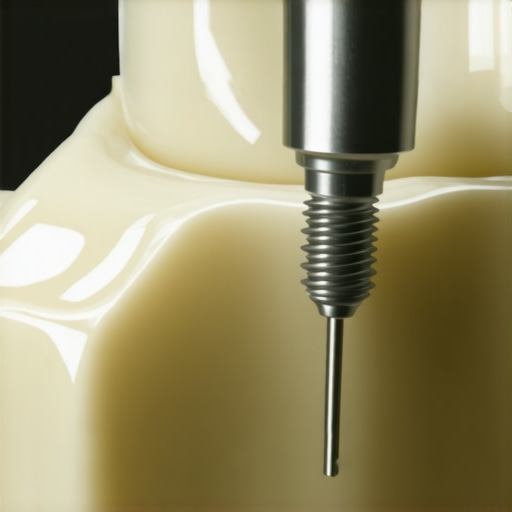 Seeing that level of precision made me realize why how dental implants reshape your oral health in 2025 involves so much engineering. The dentist will likely remove the crown, inspect the internal threads for any signs of wear, and then replace the screw with a fresh one before torquing it to the manufacturer’s exact specifications.
The Role of Regular Maintenance in Preventing Failure
A dental implant is a mechanical assembly living in a wet, high-pressure environment. It is actually more surprising when they do not need a little maintenance over a decade of use. Whether you are weighing the pros of veneers vs. crowns choosing the best option for your smile or managing a full set of implants, everything requires a bit of upkeep. Staying consistent with family dentistry tips for a lifetime of healthy smiles means acknowledging that your high-tech dental work needs regular checkups just like a luxury car needs an oil change. During these visits, your dentist can catch a loosening screw before you ever feel that terrifying first click. I now make sure my dentist checks the torque on my front implant every single year, just for the peace of mind that my sourdough-eating days are never interrupted again.
Let’s dig deeper into the most dangerous myth in cosmetic dentistry: the idea that once an implant is in, you are ‘done.’ Everyone tells you that titanium is stronger than bone, but in my experience, that strength is actually a hidden liability. Natural teeth are suspended by a periodontal ligament—a microscopic cushion that acts like a shock absorber. Implants, however, are fused directly to your jaw. They have zero ‘give.’ This lack of a cushion means any grinding or clenching sends 100% of the force directly into your bone and the mechanical screw. A study in Clinical Oral Implants Research confirms that this lack of tactile feedback makes implants more prone to ‘overload’ than natural teeth. If you think you can skip your night guard, you are playing a dangerous game. I learned the hard way that the risk of skipping your night guard for just one week isn’t just about tooth wear; it’s about protecting the delicate interface of your metal-to-bone connection.
Stop Assuming Your Titanium Tooth Is Invincible
The biggest ‘oops’ factor I see with patients is the transition from high-maintenance care to total complacency. We assume that because porcelain can’t get a cavity, the site is immune to failure. In reality, the gum tissue around an implant is less vascular than the tissue around a natural tooth, making it harder for your body to fight off local infections. It is a nuance of the future of dental implants and cutting-edge techniques in cosmetic dentistry that most brochures forget to mention: your hygiene must actually be better than before. 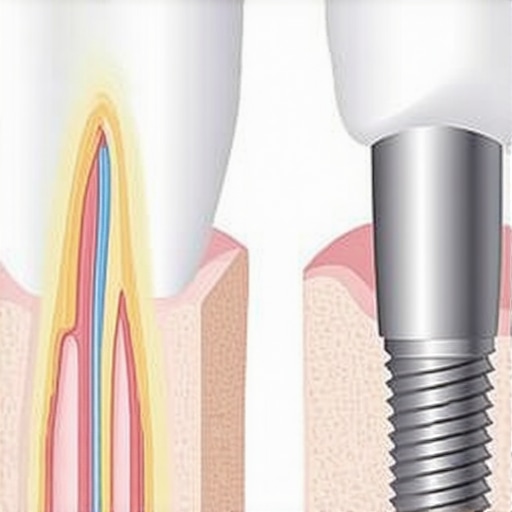
Why does my implant feel different than my other teeth during a heavy workout?
This is a sophisticated concern that relates to the unique way titanium interacts with your body. Because there is no ligament, the ‘sensory’ experience of an implant is muted. During high-intensity exercise, your blood pressure rises and your jaw may clench instinctively. Since the implant doesn’t have the nerves of a natural root, you might experience a strange pressure or even wonder why your dental implant feels cold when you drink ice water or feels ‘heavy’ when your heart rate is up. This is usually due to the metal’s thermal conductivity or the way bone transmits vibration without a ligament to damp the signal. It’s one of those truth about all-on-4 implants and how they feel in your mouth moments where reality hits: it’s a tool, not a biological replacement.
Protect Your Investment With More Than Just Brushing
Whether you are following 3 secrets to making your porcelain veneers last twenty years or managing a single molar implant, the rules of biology still apply. You have to be more vigilant than someone with ‘original parts.’ The ‘Oops’ factor here is assuming that ‘no pain’ means ‘no problem.’ Just because you can’t feel a cavity on an implant doesn’t mean the surrounding tissue is invincible. Regular checkups as part of family dentistry tips for a lifetime of healthy smiles are vital because your dentist can detect bone loss or screw fatigue long before you feel a wiggle. Have you ever fallen into this trap of thinking your dental work was bulletproof? Let me know in the comments.
If you think your job ended the moment the anesthesia wore off, I have some tough love for you. The real work of owning a high-end smile is just beginning. When I finally accepted that my implant wasn’t a ‘set it and forget it’ appliance, my entire perspective shifted. I stopped looking at my bathroom counter as a place for quick grooming and started seeing it as a maintenance bay for a precision machine. The transition from survival to optimization is where most people fail, yet it is the secret to ensuring how dental implants reshape your oral health in 2025. You need a toolkit that matches the technology in your jaw.
Stop Flossing Like It is 1995
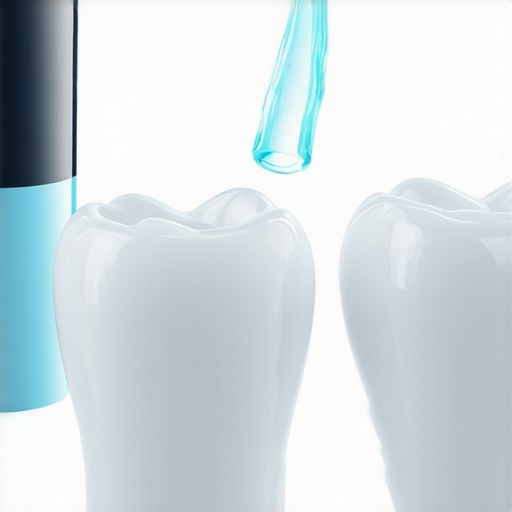
Standard string floss is great for natural teeth, but for implants, it often lacks the surface area to truly scrub the abutment. I personally made the switch to specialized interdental brushes with plastic-coated wires. Why plastic-coated? Because metal-on-metal scratching is a death sentence for the smooth surface of a titanium post. If you have ever wondered why your gums are bleeding only when you use an interdental brush, it is usually because you are finally reaching the biofilm that your old routine missed. I also swear by the Waterpik with the ‘Plaque Seeker’ tip. This specific attachment has three thin tufts of bristles that reach into the tiny gaps where the crown meets the gum—areas a toothbrush simply cannot penetrate. It’s the difference between washing a car with a hose and using a detailing brush on the lug nuts.
How do I maintain my dental investment over the next decade?
The answer lies in consistency and professional-grade tools. Beyond the daily water flossing, you need to be mindful of ‘occlusal overload.’ This is a fancy way of saying you shouldn’t use your expensive dental work as a nutcracker. Even if you aren’t a known grinder, the risk of skipping your night guard for just one week can create micro-fractures in the porcelain or even loosen the internal screw. According to technical documentation from Straumann, one of the world’s leading implant manufacturers, maintaining a ‘passive fit’ is critical; any lateral pressure from clenching can accelerate bone loss. This is why I treat my night guard like my phone charger—I don’t go to sleep without ensuring it’s in place. If you’re managing multiple units, learning how to clean the underside of a dental bridge without shredding your floss will save you hours of frustration and keep the tissue healthy.
Smart Teeth Are Coming Sooner Than You Think
Looking ahead, I predict the next five years will move us away from reactive care and toward ‘smart’ implants. We are already seeing the beginning of the future of dental implants and cutting-edge techniques in cosmetic dentistry where sensors might be embedded in the prosthetic to monitor pH levels and bacterial load in real-time. Imagine getting a notification on your phone that says your left molar needs a deeper clean before an infection even starts. Until then, we have to be our own sensors. Whether you are following 3 secrets to making your porcelain veneers last twenty years or just trying to keep a single implant healthy, the goal is the same: stay ahead of the biology. My advanced tip for you today? Start using a glycine powder air-polisher if your hygienist offers it. It is much gentler on implant surfaces than traditional scaling and is far more effective at removing subgingival biofilm. Go ahead, ask your dentist if they use glycine at your next checkup—it’s a total game-changer for long-term stability.
I was halfway through a perfectly toasted piece of sourdough when it happened. A tiny, unmistakable click echoed in my jaw. It wasn’t pain, but it was a sensation I hadn’t felt in five years: movement. My front dental implant, the one I considered a permanent fixture of my face, had developed a wiggle. I froze, bread in hand, convinced my entire investment was about to fall into my soup. It’s a terrifying moment that sends most of us spiraling into thoughts of expensive surgeries and failed procedures. We spend so much time focusing on cosmetic dentistry secrets to boost your confidence that we often forget these high-tech marvels are still mechanical pieces living in a very active environment. If you are sitting there right now, pushing your tongue against a crown that feels just a little too ‘mobile,’ take a deep breath. You aren’t losing your tooth, and you certainly haven’t failed at oral hygiene.
Your Crown Decided to Move but the Foundation is Likely Fine
When I first felt that movement, I made the classic mistake of ‘testing’ it. I spent three days wiggling it with my finger, thinking I could somehow diagnose the issue myself. That was a disaster for my anxiety. I eventually learned that there is a massive difference between the implant post—the screw in your bone—and the crown that sits on top. Most of the time, the post is rock solid, but the tiny screw holding the porcelain to that post has simply backed out a fraction of a millimeter. Think of it like a doorknob that gets loose after years of use; the door is fine, the frame is fine, but the hardware needs a quick tighten. It’s actually quite common for the truth about why your dental implant feels loose to be as simple as mechanical wear and tear. According to the American Academy of Implant Dentistry, while the success rate for implants is incredibly high, mechanical complications like screw loosening occur in about 5% to 10% of patients over a ten-year period. It’s a part of the long-term maintenance of dental implants in 2025 that we just don’t talk about enough at the dinner table.
Is my entire implant actually failing?
This is the question that keeps us up at 2 AM. We worry that the bone has rejected the metal or that an infection is eating away at the site. While those are possibilities, they usually come with telltale signs like swelling, redness, or a dull ache. If it’s just a wiggle without the wallop of pain, you’re likely looking at a simple fix. I’ve seen so many people panic and think they need to start over from scratch, but often, how to save a dental implant that feels slightly mobile is just a ten-minute office visit away. My own dentist laughed (kindly) when I showed up looking like I’d seen a ghost; he had the crown off, the screw tightened, and me back out the door before my parking meter expired. Have you ever felt that sudden, terrifying wiggle while you were just trying to enjoy a meal? It’s a lonely feeling, but I promise it’s more common than you think. Today, I want to walk you through exactly why this happens after years of stability and how we can stop it from happening again.
The first rule of a loose implant is simple: stop wiggling it with your tongue. I know, it is a compulsion. When I felt that first click in my own jaw, I became obsessed. I would push the tooth every thirty seconds to see if it was getting worse. Spoiler alert: all I was doing was irritating the soft tissue and risking damage to the abutment. If you are feeling a sensation like the reason your dental implant feels like its vibrating, you need to treat the tooth with the same care as a cracked phone screen. Do not apply pressure, and definitely do not try to snap it back into place. Switch your diet to soft foods immediately. I once spent an entire weekend eating lukewarm mashed potatoes because I was terrified that a stray piece of crusty bread would be the end of my smile. This period of rest prevents the tiny internal screw from stripping its threads or, worse, damaging the implant post itself.
Stop Wiggling Your Tooth Right Now
It is helpful to think of your implant as a high-end mechanical assembly. The post is the foundation, and the crown is the decorative part you see. When things feel off, it is usually the connection between them that has faltered. You should check for any signs of infection, such as redness or a foul taste, which could indicate a deeper issue. However, if it is just a mechanical wiggle, your primary goal is stability. Avoid chewing on that side of your mouth entirely. I remember trying to eat a bagel even after I knew my crown was loose, and the sharp tink sound of the metal hitting the opposing tooth was enough to make my heart skip a beat. It is a lesson in patience that protects your investment.
Distinguishing Between a Loose Screw and a Failing Foundation
When you call your dentist, be specific about the movement. Does the whole thing move from the gum line, or does the crown just spin slightly? Most of the time, how to save a dental implant that feels slightly mobile is simply a matter of identifying that the prosthetic screw has loosened. This screw is the hero of the assembly, but it is under constant pressure from thousands of bites every day. If you have ever experienced why your bridge feels loose every time you eat sticky bread, you know that sticky textures are the enemy of dental hardware. The same applies here; avoid taffy, gummy bears, or thick breads until a professional can take a look.
Watch How Your Dentist Tightens the Hardware
When you finally get into the chair, you will realize that fixing a loose implant is a very technical, precise process. It is not like fixing a loose table leg with a screwdriver from your kitchen drawer. My dentist brought out a tiny, calibrated torque wrench. He explained that these screws are designed to be tightened to a specific number of Newton-centimeters. If it is too loose, it wiggles; if it is too tight, the screw could snap inside the post. #IMAGE_PLACE_HOLDER_B# Seeing that level of precision made me realize why how dental implants reshape your oral health in 2025 involves so much engineering. The dentist will likely remove the crown, inspect the internal threads for any signs of wear, and then replace the screw with a fresh one before torquing it to the manufacturer’s exact specifications.
The Role of Regular Maintenance in Preventing Failure
A dental implant is a mechanical assembly living in a wet, high-pressure environment. It is actually more surprising when they do not need a little maintenance over a decade of use. Whether you are weighing the pros of veneers vs. crowns choosing the best option for your smile or managing a full set of implants, everything requires a bit of upkeep. Staying consistent with family dentistry tips for a lifetime of healthy smiles means acknowledging that your high-tech dental work needs regular checkups just like a luxury car needs an oil change. During these visits, your dentist can catch a loosening screw before you ever feel that terrifying first click. I now make sure my dentist checks the torque on my front implant every single year, just for the peace of mind that my sourdough-eating days are never interrupted again.
Let’s dig deeper into the most dangerous myth in cosmetic dentistry: the idea that once an implant is in, you are ‘done.’ Everyone tells you that titanium is stronger than bone, but in my experience, that strength is actually a hidden liability. Natural teeth are suspended by a periodontal ligament—a microscopic cushion that acts like a shock absorber. Implants, however, are fused directly to your jaw. They have zero ‘give.’ This lack of a cushion means any grinding or clenching sends 100% of the force directly into your bone and the mechanical screw. A study in Clinical Oral Implants Research confirms that this lack of tactile feedback makes implants more prone to ‘overload’ than natural teeth. If you think you can skip your night guard, you are playing a dangerous game. I learned the hard way that the risk of skipping your night guard for just one week isn’t just about tooth wear; it’s about protecting the delicate interface of your metal-to-bone connection.
Stop Assuming Your Titanium Tooth Is Invincible
The biggest ‘oops’ factor I see with patients is the transition from high-maintenance care to total complacency. We assume that because porcelain can’t get a cavity, the site is immune to failure. In reality, the gum tissue around an implant is less vascular than the tissue around a natural tooth, making it harder for your body to fight off local infections. It is a nuance of the future of dental implants and cutting-edge techniques in cosmetic dentistry that most brochures forget to mention: your hygiene must actually be better than before. #IMAGE_PLACE_HOLDER_C#
Why does my implant feel different than my other teeth during a heavy workout?
This is a sophisticated concern that relates to the unique way titanium interacts with your body. Because there is no ligament, the ‘sensory’ experience of an implant is muted. During high-intensity exercise, your blood pressure rises and your jaw may clench instinctively. Since the implant doesn’t have the nerves of a natural root, you might experience a strange pressure or even wonder why your dental implant feels cold when you drink ice water or feels ‘heavy’ when your heart rate is up. This is usually due to the metal’s thermal conductivity or the way bone transmits vibration without a ligament to damp the signal. It’s one of those truth about all-on-4 implants and how they feel in your mouth moments where reality hits: it’s a tool, not a biological replacement.
Protect Your Investment With More Than Just Brushing
Whether you are following 3 secrets to making your porcelain veneers last twenty years or managing a single molar implant, the rules of biology still apply. You have to be more vigilant than someone with ‘original parts.’ The ‘Oops’ factor here is assuming that ‘no pain’ means ‘no problem.’ Just because you can’t feel a cavity on an implant doesn’t mean the surrounding tissue is invincible. Regular checkups as part of family dentistry tips for a lifetime of healthy smiles are vital because your dentist can detect bone loss or screw fatigue long before you feel a wiggle. Have you ever fallen into this trap of thinking your dental work was bulletproof? Let me know in the comments.
If you think your job ended the moment the anesthesia wore off, I have some tough love for you. The real work of owning a high-end smile is just beginning. When I finally accepted that my implant wasn’t a ‘set it and forget it’ appliance, my entire perspective shifted. I stopped looking at my bathroom counter as a place for quick grooming and started seeing it as a maintenance bay for a precision machine. The transition from survival to optimization is where most people fail, yet it is the secret to ensuring how dental implants reshape your oral health in 2025. You need a toolkit that matches the technology in your jaw.
Stop Flossing Like It is 1995
Standard string floss is great for natural teeth, but for implants, it often lacks the surface area to truly scrub the abutment. I personally made the switch to specialized interdental brushes with plastic-coated wires. Why plastic-coated? Because metal-on-metal scratching is a death sentence for the smooth surface of a titanium post. If you have ever wondered why your gums are bleeding only when you use an interdental brush, it is usually because you are finally reaching the biofilm that your old routine missed. I also swear by the Waterpik with the ‘Plaque Seeker’ tip. This specific attachment has three thin tufts of bristles that reach into the tiny gaps where the crown meets the gum—areas a toothbrush simply cannot penetrate. It’s the difference between washing a car with a hose and using a detailing brush on the lug nuts.
How do I maintain my dental investment over the next decade?
The answer lies in consistency and professional-grade tools. Beyond the daily water flossing, you need to be mindful of ‘occlusal overload.’ This is a fancy way of saying you shouldn’t use your expensive dental work as a nutcracker. Even if you aren’t a known grinder, the risk of skipping your night guard for just one week can create micro-fractures in the porcelain or even loosen the internal screw. According to technical documentation from Straumann, one of the world’s leading implant manufacturers, maintaining a ‘passive fit’ is critical; any lateral pressure from clenching can accelerate bone loss. This is why I treat my night guard like my phone charger—I don’t go to sleep without ensuring it’s in place. If you’re managing multiple units, learning how to clean the underside of a dental bridge without shredding your floss will save you hours of frustration and keep the tissue healthy.
Smart Teeth Are Coming Sooner Than You Think
Looking ahead, I predict the next five years will move us away from reactive care and toward ‘smart’ implants. We are already seeing the beginning of the future of dental implants and cutting-edge techniques in cosmetic dentistry where sensors might be embedded in the prosthetic to monitor pH levels and bacterial load in real-time. Imagine getting a notification on your phone that says your left molar needs a deeper clean before an infection even starts. Until then, we have to be our own sensors. Whether you are following 3 secrets to making your porcelain veneers last twenty years or just trying to keep a single implant healthy, the goal is the same: stay ahead of the biology. My advanced tip for you today? Start using a glycine powder air-polisher if your hygienist offers it. It is much gentler on implant surfaces than traditional scaling and is far more effective at removing subgingival biofilm. Go ahead, ask your dentist if they use glycine at your next checkup—it’s a total game-changer for long-term stability.
Realizations That Saved My Sanity and My Smile
After a decade of living with titanium in my jaw, I have come to realize that the ‘phantom’ sensation of a loose tooth is often a gift. It is a mechanical warning light, not a death sentence for your smile. Here are the core truths I live by now:
- Your implant is a mechanical assembly, not a biological part. Like any machine, its bolts (screws) can vibrate loose over time.
- Soft tissue health is the ultimate gatekeeper. If your gums are unhappy, the bone isn’t far behind.
- A night guard is the cheapest insurance policy you will ever buy for your dental implants in 2025.
- Your dentist is a partner in maintenance, not just a repairman for when things break.
The Minimalist Gear I Use to Keep My Titanium Secure
I don’t believe in cluttering the bathroom counter, but I do believe in professional-grade efficacy. To ensure how dental implants reshape your oral health remains a success story, I rely on these specific tools:
- Waterpik Plaque Seeker Tip: This is the only tool that reliably clears the junction between my crown and gum without irritation.
- Plastic-Coated Interdental Brushes: Essential for scrubbing the abutment without scratching the titanium. I never use bare wire brushes anymore.
- Custom-Fit Night Guard: I trust this because it distributes the 200+ pounds of bite force evenly across my arch, preventing screw fatigue.
- High-Quality pH-Balanced Mouthwash: To keep the local environment hostile to the specific bacteria that cause peri-implantitis.
Don’t Let a Tiny Wiggle Steal Your Confidence
The moment you feel that first click, it is easy to feel like you have failed. But the reality is that you are simply moving into the next phase of dental ownership: optimization. By staying ahead of mechanical wear and maintaining a rigorous hygiene routine, you ensure that your investment lasts a lifetime. You have the technology; now you just need the consistency to keep it working. Remember, your smile is a precision instrument, and with the right care, it will remain rock solid. Have you ever felt that terrifying first wiggle in a crown or implant? Let me know your story in the comments below.