I’ll never forget the Tuesday morning my relationship with caffeine changed forever. It was a crisp 50 degrees outside, the perfect weather for my heavy ceramic mug filled with a fresh French press brew. I took a confident gulp, expecting a warm hug for my soul, but instead, I got what felt like a physical punch to the jaw. My molar didn’t just ache; it throbbed with a rhythmic, pulsing heat that made my eyes water. I spent the next twenty minutes clutching my cheek, wondering if I’d finally reached the age where the simple joys were officially off-limits. If you are sitting there right now, staring at your steaming latte with a mix of desire and genuine dread, I’ve been in your shoes. We aren’t just talking about a little zing from a cold ice cube here. Throbbing after heat is a different beast entirely, and today I’m going to help you figure out why your tooth is throwing a tantrum and how we can get you back to enjoying your morning ritual without the fear. [image_placeholder]
That Morning Cup Shouldn’t Feel Like an Electric Shock
For the longest time, I convinced myself I just had finicky teeth. I even tried switching to natural toothpaste thinking that would be a magic fix, but the throbbing persisted. Here is the reality: heat sensitivity is often a louder alarm bell than cold sensitivity. When you drink something hot, the gases inside your tooth can actually expand, putting pressure on the nerve. According to the American Association of Endodontists, lingering pain from heat often points to irreversible pulpitis, which is just a fancy way of saying the nerve inside your tooth is under major duress. I made the classic mistake of waiting it out, hoping it would just disappear. I thought maybe I just needed to brush better or that my family dentistry routine was lacking, but the truth was deeper than the surface. Spoiler alert: the pain didn’t go away; it invited friends. I ended up needing much more work than if I’d just addressed the reason my morning coffee was hurting the moment it started. Whether it is a hairline fracture or a deep-seated cavity, your body is literally pulsing a warning signal to your brain. Have you ever had to put down a delicious drink because the pain was just too much to handle?
Is my tooth actually dying or am I just overreacting?
It’s the fear we all have, right? You don’t want to run to the dentist for a nothing problem, but you also don’t want to wake up with a swollen face at 2 AM. Sometimes the fix is as simple as a new filling, or even looking into cosmetic dentistry secrets if the issue is structural. If you have recently had work done and notice that your tooth still feels sensitive weeks after a filling, that is a specific signal your body is sending. Ignoring a throb that only happens with heat is a gamble you usually lose because heat causes expansion, and in a sealed tooth, there is nowhere for that pressure to go. You might be worried about the cost or the time, but catching it now is the difference between a quick visit and a long ordeal. If your tooth feels like it has its own heartbeat after a sip of coffee, it is time to stop guessing. You can even contact us to get a professional opinion before things escalate. Let’s look at what’s actually happening under the enamel so you can decide your next move with confidence.
Stop the Throb Before It Stops You
The first thing you need to do is manage the immediate pressure. Think of your tooth like a tiny, pressurized steam cooker. When you add heat, you’re turning up the internal pressure dial. Until you can get to a professional, avoid extreme temperature swings. I once made the mistake of trying to “numb” a heat-throbbing tooth with an ice cube, and the resulting sharp crack felt like a lightning bolt through my jaw. Instead, stick to lukewarm liquids and use an over-the-counter anti-inflammatory to reduce the internal swelling. If the pain is keeping you up and the sensation lingers long after you’ve stopped drinking, you should learn how to manage throbbing pain while waiting for a root canal to get through the night safely.

Identify the Source with the Tapping Test
Try this diagnostic step right now: take the end of a clean metal spoon and very gently tap the top of the sensitive tooth. If it hurts specifically when you tap, it is a strong sign that the ligament around the tooth is inflamed. This is a classic tool used in family dentistry to help differentiate between a surface-level enamel issue and a deeper root problem. If the tap does not hurt, but the throbbing persists for more than thirty seconds after a sip of coffee, the pulp is likely the primary concern. I used this trick when my own molar started acting up, and it helped me explain the exact sensation to my dentist over the phone, which saved us both time during the exam.
Check Your Existing Dental Work First
I remember a specific incident where a molar I’d had filled years ago started acting up every time I ate warm oatmeal. I assumed it was a brand-new cavity, but the culprit was actually an aging seal. If you have recently seen a professional, you might be frustrated and wondering why your tooth still feels sensitive weeks after a filling. This often happens because the nerve is still recuperating from the trauma of the procedure, or the filling itself needs a microscopic adjustment. A “high” filling is like a pebble in your shoe; every time you bite, it drives the pressure deeper into the root, mimicking the symptoms of a serious infection.
Deciding Between Repair and Replacement
When the damage goes beyond a simple leak or a high spot, you have to look at structural integrity. It is a bit like fixing a house—sometimes you just need a new shingle, and sometimes you need to replace the whole roof. If the heat sensitivity stems from a large crack or deep decay, you will likely be choosing the best option for your smile between a crown or a veneer. Crowns act as a protective helmet for the tooth, holding it together under the stress of chewing, while veneers focus on the visible surface. Applying these cosmetic dentistry secrets is not just about a pretty smile; it is about creating a hermetic seal that prevents heat from reaching that sensitive pulp again.
Look at the Foundation of Your Oral Health
If the tooth is unfortunately too far gone—perhaps the root is fractured vertically or the infection is deep in the bone—do not panic. Modern technology has completely changed the outcome for these cases. You should look into how dental implants reshape your oral health in 2025. In the past, a lost tooth meant a bridge or an uncomfortable gap, but implants now provide a foundation that feels and functions exactly like your natural teeth, without the temperature sensitivity. While maintaining a solid hygiene routine is the best defense, knowing these advanced options exist can take the edge off the anxiety that comes with that rhythmic, pulsing throb.
Let’s dig deeper into why we often wait too long to seek these solutions. Most people believe that cosmetic dentistry secrets to boost your confidence are solely about the surface-level look—the ‘Hollywood smile.’ But here is a contrarian take: the best cosmetic work is actually advanced structural engineering for your mouth. When a tooth is throbbing after heat, it’s screaming for a seal. Many patients assume they need a ‘natural’ fix, but a study published in the Journal of Prosthetic Dentistry confirms that the thermal conductivity of modern porcelain can be engineered to mimic natural enamel almost perfectly, providing a thermal barrier that your natural, thinning enamel can no longer provide. If you just slap on a veneer without addressing the internal pressure, you’re essentially painting over a house fire.
Why does my dental implant feel different when it rains?
This is a question I get from patients who have moved past the initial ‘throbbing tooth’ phase into the world of reconstruction. It sounds like an old wives’ tale, but there is genuine science here. Because dental implants are made of titanium, they don’t have the same periodontal ligament to act as a shock absorber. When barometric pressure drops during a storm, some patients report that their dental implant feels different when it rains because the surrounding bone tissue expands or contracts slightly differently than the metal post. This nuance is why cutting-edge techniques in cosmetic dentistry now focus heavily on bone density and site preparation. It’s not just about ‘plugging a hole’; it’s about integrating a foreign material into a living, breathing biological system.
Avoid the Piano Key Trap Before You Commit
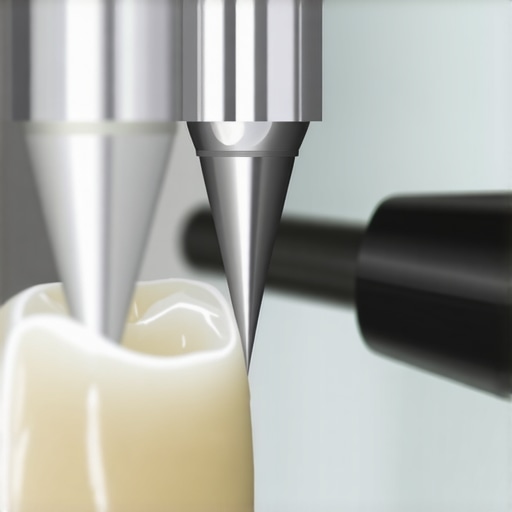
The ‘oops’ factor in many dental transformations is the rush to aesthetic perfection while ignoring functional biology. I’ve seen countless people fall for the mistake that makes porcelain veneers look like piano keys—choosing a shade and shape that is too uniform and too opaque. This isn’t just a style error; it’s often a sign that the restoration is too thick, which can irritate the gums and actually increase sensitivity to temperature. When you are choosing between veneers and crowns, you must consider the ‘prep’—how much tooth structure is being removed. If a dentist removes too much enamel to make room for a thick porcelain ‘shield,’ they might inadvertently get too close to the nerve, leading right back to that throbbing sensation we were trying to escape.
The hidden nuance of family dentistry is that our teeth are dynamic. A filling that worked when you were twenty might be the very thing causing your heat sensitivity at forty because of ‘micro-leakage’—tiny gaps that form as materials age. Don’t let a fear of the ‘big’ procedures stop you from fixing the ‘small’ leaks. Have you ever fallen into this trap of waiting until the pain was unbearable? Let me know in the comments. Whether you are looking for a simple fix or exploring how dental implants reshape your oral health in 2025, the goal is always the same: a mouth that doesn’t just look good, but feels silent and stable during your morning coffee. If you’re ready to stop the guessing game, you can contact us to start your journey back to pain-free mornings.
The Digital Revolution is Already in Your Mouth
I honestly believe we are entering a golden age where the term ‘dentures’ will eventually become a relic of the past. If you look at dental implants 2025 innovations that redefine comfort and durability, you can see that we are moving toward bio-integrated solutions that are practically indistinguishable from natural bone. I’ve seen technology shift from simple ‘best guesses’ to high-resolution intraoral scanners that create a 3D map of your mouth with sub-millimeter accuracy. In the next few years, I predict we will see the widespread use of 3D-printed biological scaffolds that actually encourage your own jawbone to regenerate faster around an implant. This isn’t just sci-fi; it is the direction of cutting-edge techniques in cosmetic dentistry that are making procedures less invasive and far more predictable than they were even five years ago.
How do I maintain my cosmetic work so it actually lasts?
The secret to longevity isn’t a miracle product; it’s a commitment to mechanical biofilm disruption. Whether you have natural teeth, porcelain, or titanium, bacteria do not care what your smile cost. You have to be meticulous. For those with implants, you need to know how to safely clean a dental implant without scratching the post, because even microscopic scratches can harbor colonies of bacteria that lead to peri-implantitis. If you’ve opted for the invisible route with braces, you should also master how to safely clean a stained clear aligner at home to ensure you aren’t reintroducing bacteria to your teeth every time you pop them back in. Maintenance is the difference between a ten-year restoration and a lifetime investment.
The Tools I Personally Trust for My Own Smile
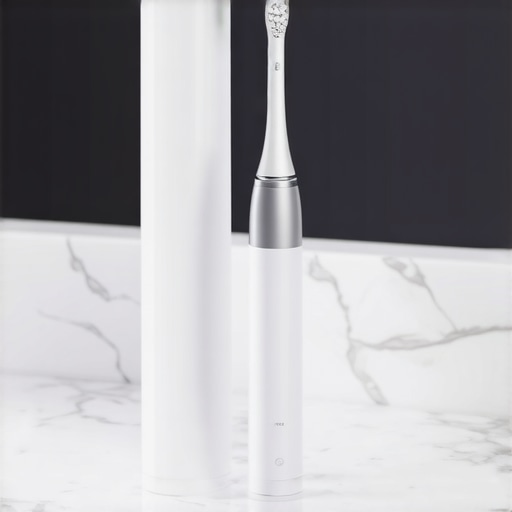
People always ask me what’s in my bathroom cabinet. I don’t use generic drugstore brands anymore. I use a sonic toothbrush with a built-in pressure sensor—specifically the Philips Sonicare 9900 Prestige—because it uses SenseIQ technology to sense your brushing style and adjust the intensity if you press too hard. This is critical because aggressive brushing is a leading cause of gum recession, especially around delicate expert tips for perfect results with veneers. I also recommend a water flosser used on a medium-low setting. High pressure can actually detach the sensitive gingival seal around an implant. According to a study published in the Journal of Clinical Periodontology, water flossing is significantly more effective at reducing gingival bleeding and plaque compared to traditional string floss, particularly in hard-to-reach posterior regions where those throbbing coffee-sensitive molars usually hide.
Balance Your Oral Microbiome Instead of Nuking It
We spent decades trying to kill 99.9% of bacteria with alcohol-based mouthwashes, but we’ve realized that’s like burning down a forest to get rid of a few weeds. You need the good bacteria to prevent issues like fungal overgrowth and bad breath. When you are choosing the best option for your smile, ask about the biocompatibility of the materials. My personal rule of thumb is to look for pH-neutralizing pastes that help rebuild minerals rather than just scrubbing them away. If you are struggling with a lingering issue, I highly recommend trying the ‘tapping test’ I mentioned earlier and then switching to a hydroxyapatite-based toothpaste for two weeks. It’s a game-changer for sensitivity. If the throb doesn’t subside, don’t wait for the ‘electric shock’ to return—you can contact us today and let us take a high-resolution look before a small fix becomes a major surgery.
The Hardest Lesson I Learned About Chasing the Throb
If there is one thing I wish I’d realized sooner, it is that your teeth don’t just fix themselves through sheer willpower or extra brushing. When you experience throbbing after heat, the pulp inside is likely already under significant siege. I used to think I could out-brush a hairline crack, but physics always wins—heat expands the gases inside that tiny space, and if there is no escape route, your nerve takes the hit. I also learned that not all pain means an extraction is inevitable; many times, the solution is simply reinforcing the structure through modern cosmetic dentistry secrets to boost your confidence. My biggest lightbulb moment was realizing that preventative maintenance is exponentially cheaper and less scary than emergency surgery. Don’t let the fear of a chair keep you from the relief of a pain-free life.
Everything You Need to Shield Your Smile from Within
I’ve spent years testing various protocols, and these are the non-negotiables for anyone dealing with sudden temperature sensitivity. First, look for toothpastes containing Nano-Hydroxyapatite; it actually remineralizes the enamel rather than just numbing the nerve with chemicals. Second, I highly recommend keeping a daily log of your triggers. For physical tools, I personally trust the Philips Sonicare 9900 Prestige because its sensor prevents the aggressive scrubbing that leads to gum recession. Finally, always keep a record of your symptoms to share with your provider. If you notice why your tooth still feels sensitive weeks after a filling, that data is gold for diagnosing a potential high spot. These tools, combined with consistent family dentistry tips for a lifetime of healthy smiles, will change your relationship with your oral health entirely.
[image_placeholder]
The Future of Your Smile Starts with a Single Sip
You don’t have to live in a world where you’re afraid of your morning coffee or a hot meal. Whether the answer lies in a simple seal adjustment or exploring how dental implants reshape your oral health in 2025, the technology exists today to give you total, lasting comfort. Take that first step toward relief—whether it is the tapping test or finally booking that consultation—so you can go back to enjoying the simple, warm joys of life without that rhythmic pulse of pain. Your smile is a living, breathing part of you, and it deserves to be silent and strong. Have you ever experienced a sudden throbbing after heat that seemingly came out of nowhere? Let me know your story in the comments below!