I was sitting in my favorite worn-out armchair last Tuesday, clutching a mug of dark roast like it was a lifeline, when it happened. I took a deep, satisfying gulp, and a bolt of lightning shot straight through my front teeth. It wasn’t just a “zing”—it was the kind of sharp, localized throb that makes you question every life choice you’ve made since 2010. For a second, I thought my tooth was literally cracking in half. I’ve spent years perfecting my morning routine, but that moment was a massive wake-up call that my habit was waging war on my smile. If you’ve ever winced at a latte or found yourself bracing for impact before a sip of cold water, you aren’t alone, and you aren’t crazy. We’re going to figure out exactly why that liquid gold is turning your teeth into a disaster zone and, more importantly, how you can keep your coffee without the cringe. [IMAGE_PLACEHOLDER]
The Hidden Battle Between Your Mug and Your Enamel
The truth is, coffee is a triple threat to your teeth, and I learned this the hard way after a very expensive visit to the clinic. First, there’s the temperature shock, but the real silent killer is the acidity. Every time you take a sip, you’re essentially giving your teeth an acid bath. I used to think I was being smart by trying to keep your teeth white while drinking black coffee daily by brushing immediately after finishing my cup. That was my biggest mistake. I was actually scrubbing the acid directly into my softened enamel, wearing it down faster than a New York minute. It’s a common pitfall in family dentistry, where we try to do the right thing but end up doing more damage than good.
Is my caffeine addiction actually causing permanent damage?
It’s a terrifying thought, right? You wonder if you’ve already crossed the point of no return and if you’ll need to start looking into veneers vs crowns just to eat comfortably again. But here’s the encouraging part: it’s often more about management than total loss. I’ve noticed that even when people try to switch things up, they run into new issues—like why your teeth feel sensitive when you switch to a natural toothpaste that lacks the right minerals to protect your roots. According to the American Dental Association, the pH of coffee sits around 5.0, and your enamel starts to demineralize at 5.5. That’s a narrow window for error. If you’ve noticed that your teeth feel sensitive after a professional cleaning, your morning brew might be keeping those nerves on high alert. Have you ever felt that sharp “zing” after just one cup of coffee? I’m here to tell you that you don’t have to give up your beans, but you do have to change your strategy. We are going to look at how to buffer that acid and protect your “pearly whites” before the damage becomes a permanent resident in your mouth.
Stop the Acid Bath Before It Starts
I used to treat my morning coffee like a race, but now I treat it like a tactical operation. The primary goal is to neutralize the environment in your mouth as quickly as possible. When you drink coffee black, you are hitting your teeth with a pH of 5.0, which is well below the 5.5 safety threshold where enamel begins to dissolve. I remember last October when I tried to ‘power through’ a deadline with four back-to-back Americanos without my usual routine. By 3 PM, my teeth felt physically ‘fuzzy’ and that sharp zing returned with a vengeance. It took days of recovery just to feel normal again. If you want to avoid that, you need to change how you consume the bean.
Keep a Glass of Water on Standby
This is the simplest, most effective rule: for every sip of coffee, follow it with a sip of water. Think of it like a rinse cycle in a dishwasher. You aren’t just hydrating; you are physically sluicing away the acidic residue before it can settle into the microscopic grooves of your teeth. This is a core part of how to keep your teeth white while drinking black coffee daily because it prevents the pigments from lingering long enough to bond with your enamel. It’s the difference between letting a stain set on a white shirt and rinsing it immediately under the tap.
Wait for the Enamel to Re-Harden
The biggest mistake people make—the one that cost me a small fortune in dental work—is rushing to the bathroom to brush right after the last drop of coffee. When you consume acid, your enamel temporarily softens. If you brush immediately, you are literally sandpapering your protection away. You must wait at least 30 to 60 minutes for your saliva to remineralize the surface. If you already suffer from a ‘zingy’ sensation, learning how to manage tooth sensitivity after your first professional cleaning can provide the framework for protecting that softened layer during your morning routine. 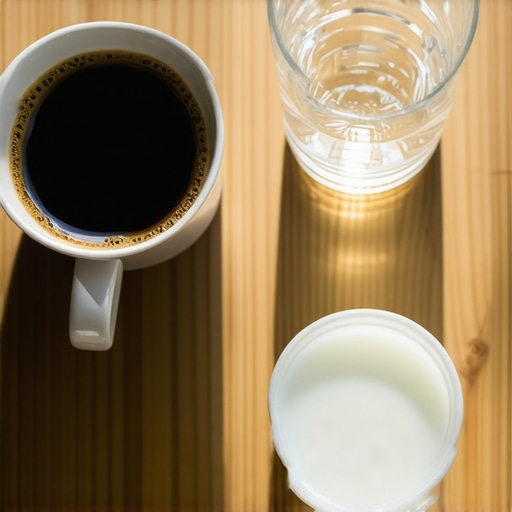
Fix the Foundation When Coffee Wins
Sometimes, despite our best efforts, the damage is already deep. If you’ve reached a point where the sensitivity is constant, it’s time to stop the DIY fixes and look at structural solutions. In the world of cosmetic dentistry secrets to boost your confidence, we often look at how to replace what has been lost. If the erosion is severe, you might be debating veneers vs crowns: choosing the best option for your smile to create a new, impervious shield over your natural teeth. These aren’t just for looks; they act as a permanent barrier against the temperature and acidity that make drinking coffee a nightmare.
Spot the Difference Between Wear and Tear
It is vital to distinguish between general sensitivity and a specific dental issue. If you find yourself asking why your tooth still feels sensitive weeks after a filling, it might not be the coffee at all, but rather a sign that your bite is off or the nerve is inflamed. Chronic coffee drinkers often mask these symptoms by avoiding the ‘hot’ side of their mouth, but this only leads to uneven wear on your other teeth. Use a straw when possible to bypass the front teeth entirely, directing the liquid gold straight to the back where the enamel is thicker and better prepared for the impact.
Most people assume that once they get their teeth fixed, the journey is over. But if you’re leaning toward a permanent fix, I have to be honest: most people get the ‘why’ completely wrong. We’re often sold on the idea that cosmetic dentistry is just about vanity, a quick shortcut to a perfect photo. But in reality, it’s closer to structural engineering for your face. I’ve seen so many people rush into getting a full set of ‘Hollywood’ teeth only to realize they look like rows of stark white blocks. Here is the contrarian truth: the best cosmetic work is the stuff no one actually notices. If someone compliments your ‘great veneers,’ the dental lab actually missed the mark. They should be complimenting your ‘natural radiance.’ Let’s dig deeper. People think veneers are a universal band-aid, but they require a healthy biological foundation. Everyone says you should go for the whitest shade possible, but in my experience, ‘Bleach White’ is the fastest way to make your smile look like a row of Tic-Tacs. The nuance lies in translucency. The reason your veneers look different in sunlight versus indoors is due to how light passes through the ceramic. Natural teeth aren’t solid blocks; they have depth and a ‘halo’ effect at the edges. If your dentist doesn’t account for this, you end up with the reason your porcelain veneers look opaque and fake, which is fundamentally a lack of light-scattering layers. 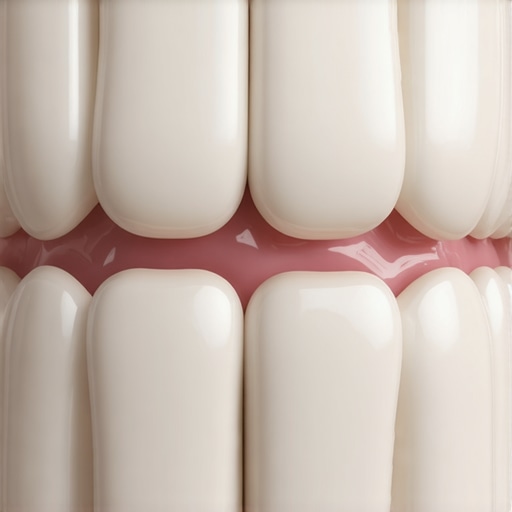
Why Sunlight Reveals the Truth About Your Dental Work
The ‘Oops’ factor here is usually the shade guide. Patients often pick a shade in a dimly lit office that looks blindingly artificial in the high-noon sun. I always tell my friends: take the shade guide to a window. If it looks like a piece of plastic under natural light, it will look like that in your mouth. This is the mistake that makes porcelain veneers look like piano keys—a lack of variation in color and shape. A study by the American Academy of Cosmetic Dentistry notes that patient dissatisfaction often stems from ‘unnatural’ aesthetics rather than functional failure. You want a smile that looks like yours, only on its best day, with the subtle imperfections that make teeth look real. If you skip this step, you might find yourself searching for cosmetic dentistry secrets to boost your confidence because you’re actually more self-conscious than before.
Is it possible to stop your jaw from shrinking after a tooth loss?
When coffee sensitivity isn’t just about a thin layer of enamel but a missing tooth, we have to talk about the mechanics of the jaw. The common myth is that an implant is just for filling the gap. But the real expertise lies in understanding ‘bone remodeling.’ Once a tooth is gone, your jawbone starts to resorb—literally dissolve—because it no longer has a root to stimulate the tissue. This is how dental implants reshape your oral health in 2025: they act as artificial roots that tell your body to keep that bone alive. If you wait too long, you might find yourself needing a ‘sinus lift’ just to have enough room for the post. Learning how a simple sinus lift makes dental implants possible for more people is a game-changer for those who thought they were out of options. It’s not just about the tooth; it’s about the entire facial structure.
Stop Treating Porcelain Like It Is Bulletproof
The trap I see most often is the ‘Invincibility Complex.’ You get a veneers transformation: unlocking your best smile yet, and then you go back to your old habits like chewing on pens or using your teeth as tools to open packages. While porcelain doesn’t stain like enamel, the margins where the veneer meets your tooth are still vulnerable. If you use abrasive cleaners, you create micro-scratches that eventually catch debris. The danger of using baking soda to whiten your teeth at home cannot be overstated; it’s too abrasive for both your natural teeth and your expensive restorations. Treat your cosmetic work like a fine piece of jewelry, not a utility tool. Have you ever fallen into this trap, thinking a ‘natural’ remedy was safer for your dental work? Let me know in the comments. We need to shift the conversation from just ‘looking good’ to ‘staying healthy’ for the long haul. If you’re ready to stop guessing and start protecting that investment, contact us to map out a real plan.
The Toolkit That Actually Keeps My Enamel Intact
I’m a bit of a nerd when it comes to the gear I use, mostly because I’ve seen what happens when you treat a high-end smile like a rental car. The single most important tool in my bathroom is a sonic toothbrush with a built-in pressure sensor. I used to be a chronic ‘scrubber’—the kind of person who thinks the harder you press, the cleaner you get—until I realized I was literally sawing away at my gum line. If you’ve noticed your gums looking a bit thin or feeling sore, you should check for the signs your receding gums are caused by your toothbrush. The sensor on a modern electric brush flashes red when I press too hard, which serves as a constant, humbling reminder to let the technology do the work. It’s about finesse, not force.
For those of you with implants, standard string floss often isn’t enough to navigate the unique architecture of the restoration. You need specialized interdental brushes. A study in the Journal of Oral Implantology highlights that mechanical biofilm removal with non-abrasive tools is the single biggest factor in preventing peri-implantitis, which is essentially the ‘gum disease’ of the implant world. I personally use plastic-coated interdental brushes because they won’t scratch or spark against the metal post. Learning how to safely clean a dental implant without scratching the post is the difference between a lifetime fix and a costly revision. It takes an extra minute in the evening, but it is the best insurance policy you can buy for your mouth. 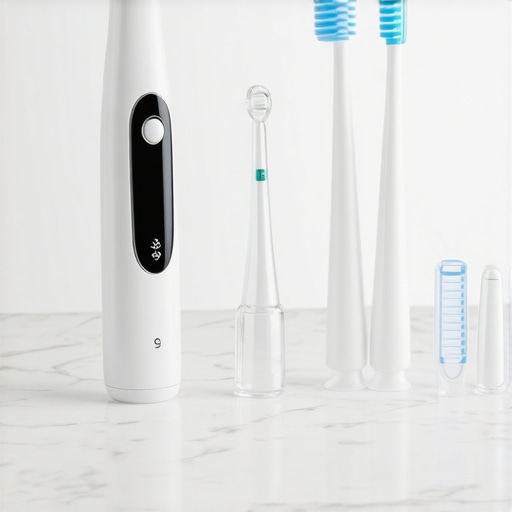
How do I keep my new smile looking fresh for decades?
Maintenance isn’t just about scrubbing away bacteria; it’s about protecting the structural integrity of your teeth while you sleep. I never go to bed without my custom night guard. It isn’t the most glamorous habit, but since most of us grind our teeth when we’re stressed, it’s non-negotiable. Without that barrier, you risk micro-fractures in your veneers transformation: unlocking your best smile yet. This is especially vital if you’ve recently finished alignment work, as you need to know how to stop your teeth from shifting after your braces come off to keep your bite from becoming destructive. If your guard starts to get that ‘funky’ smell, don’t reach for abrasive household cleaners. I’ve found that how to remove the smell from your plastic night guard at home often involves simple, non-corrosive soaks that won’t degrade the medical-grade plastic.
The Future of Your Smile is Digital
Looking ahead, I’m incredibly excited about where the future of dental implants: cutting-edge techniques in cosmetic dentistry is headed. We are moving toward ‘smart’ restorations—implants with embedded sensors that can detect early signs of acidity or inflammation before you ever feel a symptom. We’re also seeing the rise of AI-driven hygiene apps that analyze photos of your mouth to tell you exactly where you’re missing spots. The technology is becoming a daily partner in your family dentistry routine, rather than just something used at the clinic once a year. My advice? Start small. Pick up one interdental brush tonight and see the difference it makes in how ‘fuzzy’ your teeth feel by noon tomorrow. You’ve invested in your smile; now let’s make sure it lasts as long as you do.
The Hardest Lesson I Learned While Saving My Smile
One of the biggest realizations I had was that dental work isn’t a ‘one and done’ purchase; it’s more like a garden that needs daily weeding. I used to think a high price tag meant I could be lazy, but the opposite is true. If you invest in a veneers transformation: unlocking your best smile yet, you are essentially committing to a higher level of maintenance to protect that investment. Another lightbulb moment? Saliva is your mouth’s best friend. I started chewing xylitol gum after my mid-morning latte to stimulate flow and neutralize acid when I couldn’t get to water. Finally, never underestimate the power of a second opinion; choosing between veneers vs crowns: which is right for your smile is a nuanced decision that depends entirely on how much natural tooth structure you have left.
[IMAGE_PLACEHOLDER_E]
My Daily Toolkit for Acid-Proof Teeth
I don’t leave my dental health to chance anymore. My toolkit includes high-alkaline water—I keep a bottle on my desk to sip alongside my coffee to instantly raise the pH in my mouth. I also swear by a high-quality sonic toothbrush with a pressure sensor to avoid those receding gum lines. For those deeper concerns, I regularly revisit family dentistry tips for a lifetime of healthy smiles to ensure I’m not missing the basics while chasing high-tech fixes. Lastly, I keep a digital log of my ‘zing’ moments; if a specific tooth reacts to cold three days in a row, it’s time to call the pro.
Take the Lead in Your Dental Health Journey
You don’t have to choose between your morning ritual and a healthy mouth. It is entirely possible to enjoy your dark roast while maintaining the structural integrity of your teeth. By implementing these small shifts—rinsing with water, waiting to brush, and using the right tools—you are taking control of your long-term wellness. If you’ve been putting off a visit because you’re worried about what you’ll find, remember that modern dental implants 2025 are more comfortable and durable than ever before. Take the first step today and stop letting sensitivity dictate your life. If you’re ready to get a professional perspective on your progress, feel free to contact us anytime.
Have you found a specific coffee-drinking habit that helps your teeth feel less sensitive? Let me know in the comments below!