I remember sitting in my kitchen at 2:00 AM, frantically rubbing the back of my gums with the handle of a cold silver spoon, wondering if I had somehow developed a sudden, localized allergy to my favorite midnight snack. It wasn’t a sharp, stabbing pain—at least not yet—but a deep, maddening itch that felt like it was vibrating inside my jawbone. I felt like a toddler again, desperate for a teething ring or anything I could bite down on to find a second of relief. It turns out, I wasn’t going crazy; my wisdom teeth were finally trying to break through the surface, and my body was reacting the only way it knew how. If you are currently trying to ‘scratch’ your jaw with your tongue every five seconds, I promise you, I have been in those exact, frustrating shoes.
That Maddening Itch Is Your Body Sounding The Alarm
When those third molars start their slow climb toward the surface, they aren’t exactly polite about the space they take up. They push against your existing molars, stretch the delicate gum tissue, and create tiny micro-tears and pockets where bacteria love to gather. I used to think the itch was just a sign of ‘growing pains’ that I should just ignore, but I have since learned that it is actually a localized inflammatory response. According to a study published in the Journal of Oral and Maxillofacial Surgery, the process of tooth eruption triggers the release of histamines in the surrounding tissue—the same chemical your body produces during an allergic reaction—which is why the sensation is so frequently ‘itchy’ rather than just painful. This is the moment where your body is telling you that the internal pressure is reaching a boiling point, and ignoring it is one of the biggest mistakes you can make for your long-term oral health. Today, we are going to solve the mystery of that itch and look at how why your gums feel itchy and what it says about your health can be the early warning sign you need to protect your alignment.
Is This Itch Actually Worth A Trip To The Dentist?
You might be tempted to wait it out, hoping the sensation will just fade away on its own. I made that exact mistake early on, thinking I was saving time and money. Instead, I let it go until the itch morphed into a throbbing ache that radiated all the way up into my ear. What I didn’t realize back then was that what happens if you leave a wisdom tooth in too long isn’t just about temporary discomfort; it can actually cause your other teeth to shift, potentially ruining years of orthodontic work. Whether you are a parent looking for family dentistry tips for a lifetime of healthy smiles for your teenager or you are the one currently suffering, we have to get real about what is happening under the surface. Have you found yourself reaching for anything cold or hard just to bite down and stop the tingling? Drop a comment and let me know—I honestly thought I was the only one trying to use a spoon as a dental tool!
Kill the Sensation Before You Lose Your Mind
The first thing you need to do when that deep-seated itch strikes is to lower the temperature of the internal war zone. Think of your gums like a balloon being over-inflated; the pressure is what causes the histamine release, but the irritation is what drives you to the brink of insanity. I once tried to solve a similar dental irritation by using an aggressive whitening kit, thinking ‘cleaner’ meant ‘better.’ It was a disaster, and I ended up learning the hard way why your gums look white and shriveled after using too much whitening gel instead of finding relief. Don’t make my mistake of over-treating the surface when the problem is structural.
Saltwater Rinses Work Like Magic on Inflamed Tissue
To get immediate relief, mix half a teaspoon of high-quality sea salt into eight ounces of warm water. Do not just swish it around lazily; focus the liquid on the back of your mouth where the wisdom teeth are erupting. The salt draws out excess fluid from the swollen gum tissue through osmosis, physically reducing the pressure on the nerve endings. This is the simplest tool in the toolkit for family dentistry tips for a lifetime of healthy smiles because it kills bacteria without the harsh chemicals found in some store-bought mouthwashes.
Keep Your Hands and Tongue Away from the Site
It is incredibly tempting to use your tongue to ‘itch’ the area or, heaven forbid, use your fingernails. I used to catch myself doing this subconsciously while watching TV, only to wake up the next morning with a localized infection. When you irritate the tissue, you are essentially inviting a secondary infection into those tiny micro-tears I mentioned earlier. If you find yourself constantly poking at your teeth, you might be creating a habit that leads to enamel damage. This is why learning how to pick a toothbrush that wont destroy your enamel is so vital; you need soft, precise cleaning rather than aggressive scrubbing to manage the area.
Map Out the Traffic Jam Inside Your Jaw
Once you have the initial discomfort under control, you have to look at the ‘why.’ Wisdom teeth are like latecomers to a sold-out concert; they are trying to find a seat where there isn’t any room. This crowding is what leads to the shifting that ruins straight smiles. When I finally went in to see my specialist, I realized that a standard 2D X-ray only showed half the story. 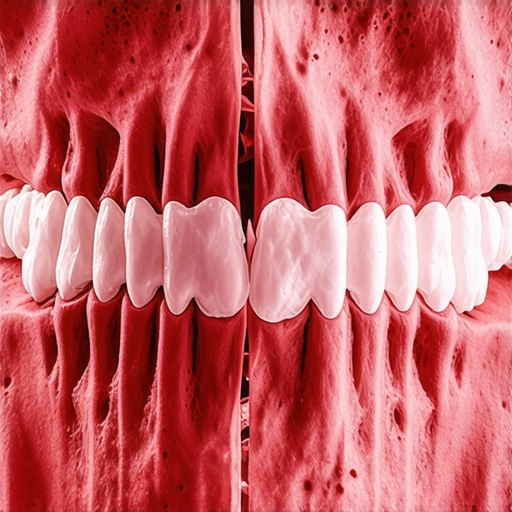
Demand a Better View of Your Dental Roots
A standard X-ray is like looking at a flat photograph of a mountain range—you can’t see what’s hidden behind the first peak. To truly understand if that itch is a sign of an impending dental disaster, you need a 3D view. This is what your culpeper dentist sees on a cbct scan that a standard x-ray misses, specifically the exact angle of the wisdom tooth and how close it is to the nerve of your second molar. If the tooth is ‘impacted’ or growing sideways, no amount of saltwater will fix the structural threat to your alignment.
Calculate the Long Term Cost of Waiting
Waiting too long doesn’t just mean more itching; it can lead to bone loss in the back of the jaw. If you eventually have to have the teeth removed, you want to ensure the surrounding bone is healthy. In some extreme cases where a wisdom tooth destroys the neighboring molar, patients find themselves looking into how dental implants reshape your oral health in 2025 just to regain the chewing surface they lost. Avoiding the dentist might feel like a cost-saving move, but the real cost of skipping your six month checkup is often measured in thousands of dollars of corrective surgery later down the road. Focus on the data—get the scan, see the position of the teeth, and decide if that itch is a minor nuisance or a major structural warning.
Don’t Fall for the Bleach White Veneer Trap
Most patients walk into a cosmetic consultation asking for the brightest shade on the guide, believing that ‘Hollywood White’ is the ultimate sign of health. I am going to go against the grain here: if your teeth look like a row of perfectly uniform, stark white piano keys, you have actually failed the aesthetic test. Real teeth have character, subtle gradients, and varying levels of transparency at the tips. When you go too opaque, you fall into a common cosmetic trap, which is why your veneers look too opaque and how to make them look natural instead of looking like a better version of yourself. This is not just about ‘looking fake’; it is about how light interacts with the porcelain. If the light cannot pass through the material, the teeth look flat, heavy, and lifeless. I have seen so many people regret choosing a shade that looks great in a dark club but looks like a plastic mouthguard in the morning sun, often leading to why your veneers look different in sunlight versus indoor lighting. Have you ever fallen into this ‘whiter is better’ trap? Let me know in the comments, because I have definitely been there!
Implants Are Not Indestructible Super-Teeth
Another dangerous myth is that once you replace a tooth with titanium, you are ‘done’ with oral hygiene in that area. The ‘oops’ factor here is massive. While it is true that a titanium post cannot get a cavity, the biological tissue surrounding it—your bone and your gums—is still very much alive and susceptible to infection. The leading cause of implant failure is peri-implantitis, an inflammatory condition that mirrors gum disease. People often ignore the subtle signs of swelling because they think the implant is invincible. According to a study in the Journal of Periodontology, nearly 25% of implant patients develop some form of inflammatory response that can lead to bone loss if not professionally managed. This is why the real reason your dental implant wont stop throbbing at night often has more to do with the health of your jaw than the hardware itself. 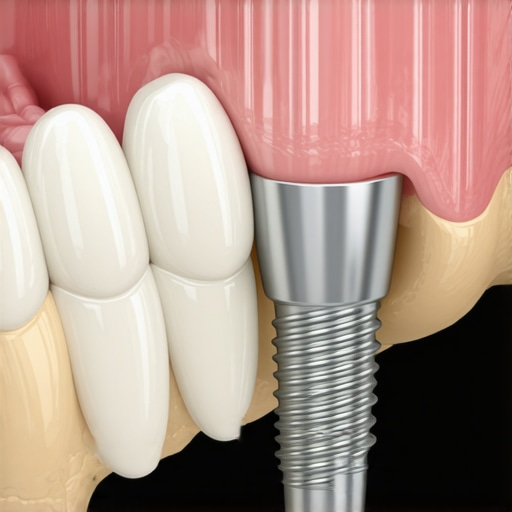
Why Does Your New Implant Feel Cold When You Drink Ice Water?
This is a question that stumps almost everyone who transitions from natural teeth to restorations. It is a strange, jarring sensation that feels like a localized brain freeze in your jawbone. Since the metal of the post is a much better thermal conductor than natural dentin and pulp, it transfers temperature changes directly to the surrounding bone and nerve endings much faster. Understanding why your dental implant feels cold when you drink ice water is part of the ‘new normal’ with the future of dental implants cutting edge techniques in cosmetic dentistry. You aren’t losing your mind; you’re just experiencing the physics of metal in a biological environment. Before you commit to a major procedure, make sure you are looking at the long-term reality of family dentistry tips for a lifetime of healthy smiles. It is about more than just the initial surgery; it is about the maintenance and the nuances of how these materials interact with your body for the next thirty years.I have spent a lot of time talking about the ‘get’—getting the implants, getting the veneers. But the ‘keep’ is where most people drop the ball. If you think you can just go back to using any old drugstore brush and hope for the best, you are essentially driving a Ferrari into a car wash that uses sandpaper. I personally use a sonic toothbrush with a pressure sensor because I have a tendency to scrub too hard when I am stressed. I learned quickly that why your gums are receding even though you brush twice a day 2 is often a result of over-enthusiastic cleaning rather than a lack of it.
Stop Grinding Away Your Five-Figure Investment
If you have invested in a full set of veneers or a complex bridge, the single most important tool in your arsenal is a custom-fitted night guard. I used to think I didn’t ‘grind,’ but then I saw the microscopic fractures on my own molar edges. The pressure your jaw can exert during sleep is significantly higher than what you generate while eating. I tell everyone I know that the risk of skipping your night guard for just one week can mean the difference between a restoration that lasts thirty years and one that snaps in three. This isn’t just about the porcelain; it is about protecting the underlying tooth structure from catastrophic failure. 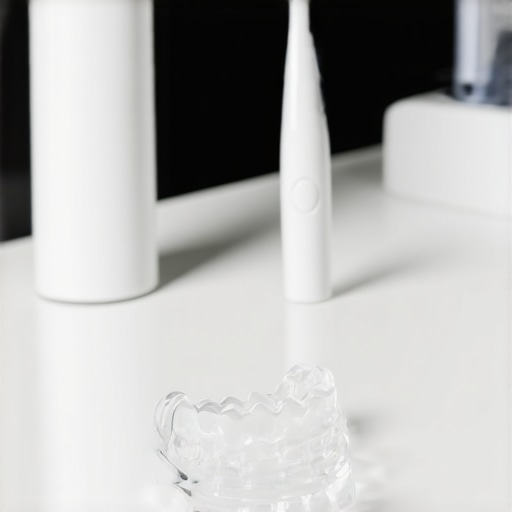
How Do You Keep Your Restoration Looking Brand New Over Time?
Consistency is the key, but the tools have to be specific. For anyone with complex hardware, I recommend the ‘Water Flosser + Bridge Tip’ combination. Standard string floss is great for natural teeth, but it is a nightmare for implants. You need a device that uses a localized stream of water to flush out the ‘blind spots’ where bacteria hide. Learning how to clean the underside of a dental bridge without shredding your floss 2 was a game-changer for my morning routine. Beyond the tools, you have to be mindful of the chemistry. According to the ISO 11609 standard for Relative Dentin Abrasivity (RDA), many ‘whitening’ toothpastes are too abrasive for porcelain glazes. I always look for a toothpaste with an RDA score below 70 to ensure I am not micro-scratching my veneers every single morning. This is one of the most overlooked 3 secrets to making your porcelain veneers last twenty years 2.
The Future of Your Smile is Biological
Looking ahead, I predict we are moving toward a world where ‘smart’ dental implants will be the norm. Imagine a titanium post that can detect early-stage inflammation and send an alert to your phone before you even feel a throb. We are already seeing how dental implants reshape your oral health in 2025 through the use of bioactive coatings that encourage faster bone integration. The technology is catching up to our biology, but for now, the responsibility of maintenance still sits squarely with us. I want you to go to your bathroom right now and check the ingredients of your toothpaste. If you see high-abrasion silica and you have veneers, it is time to make a switch. Your future self—and your bank account—will thank you for it.
Why I Finally Stopped Chasing the Quick Fix
After years of navigating the world of dentistry, I’ve realized that the ‘itch’ isn’t just a physical sensation—it’s a metaphor for the underlying issues we often ignore. I used to think a single procedure would solve everything, but the real secret lies in the daily maintenance. Here are a few lightbulb moments I’ve had: First, your gums are the foundation; if they aren’t healthy, even the most expensive veneers expert tips for perfect results won’t save your smile. Second, pain is a late-stage warning; that annoying ‘tickle’ is your best chance to act early. Finally, dental work isn’t ‘set it and forget it.’ Whether you are choosing veneers vs crowns choosing the best option for your smile or getting an implant, the upkeep is what determines the actual value of the investment.
The Non-Negotiables in My Dental Cabinet
I do not recommend products lightly, but these three tools have saved me thousands in corrective surgery. I swear by a custom-fitted night guard because the risk of skipping your night guard for just one week is simply too high for anyone with porcelain restorations. I also use a specialized water flosser because learning how to clean the underside of a dental bridge without shredding your floss 2 changed how I deal with tight hardware. Lastly, I always check the RDA of my toothpaste; protecting the glaze on your teeth is one of the 3 secrets to making your porcelain veneers last twenty years 2.
Take Control of Your Oral Future Today
Your smile is one of the few things you wear every single day, so treat it like the lifelong asset it is. Don’t let a small itch or a minor sensitivity become a major structural failure that ruins your alignment. By staying proactive and using the right tools, you can ensure that cosmetic dentistry secrets to boost your confidence remain a permanent part of your life. Have you ever felt that strange sensation in your jaw and waited too long to call the dentist? Drop a comment below and let’s talk about it!