I remember that sinking feeling when I first noticed my dentures slipping more than usual. It was a chilly morning, and as I took my first sip of coffee, I felt that embarrassing shift—like my smile was betraying me. Frustration bubbled up, especially because I’d thought I’d already sorted this out a while ago. Suddenly, those little slips felt like a sign that something was seriously off.
If you’ve experienced this too, you’re not alone. The truth is, many folks don’t realize there’s a surprisingly simple—yet often overlooked—reason why their dentures are no longer secure. And the good news? Understanding the root cause can put you back in control, restoring confidence in your smile.
Part of the Problem Might Be With Your Oral Chemistry
You see, our mouths are constantly changing environments. Saliva composition, hydration levels, and even diet can influence how well dentures fit over time. Early on, I made a mistake I bet many do—assuming that if my dentures felt snug at first, they’d stay that way forever. I didn’t realize that oral tissue shrinks and changes with age, impacting denture fit. Trust me, I learned the hard way that this isn’t just about the denture itself but the dynamic environment of your mouth.
It’s worth noting that more than 35 million Americans experience some form of tooth loss, and for many, dentures are the go-to solution. Interestingly, a study published by the National Institute of Dental and Craniofacial Research found that changes in the oral tissues and saliva can considerably affect denture stability as years go by. So, if you’re wondering why your dentures aren’t sticking like they used to, you’re facing a common, manageable issue.
Knowing this, it’s crucial not to ignore these changes. Instead, proactive steps can help you maintain that firm fit. Are you tired of feeling self-conscious every time you smile or speak? Well, you’re in the right place. In the following sections, I’ll guide you through practical solutions to reclaim that comfort and confidence.
But before we dive into those steps, let’s tackle a common skepticism—”Is it really that simple to fix?” Keep reading—trust me, the answers might surprise you.
Assess Your Oral Environment
Begin by evaluating factors like saliva production, hydration, and diet, as these directly impact denture stability. For instance, I noticed after a week of mindless snacking on salty chips, my dentures felt looser. Staying well-hydrated and reducing dry, sticky foods can restore better adhesion. Regularly check your tissue health, and avoid habits like smoking that dry out oral tissues.
Maintain Proper Denture Hygiene
Clean your dentures thoroughly twice daily with a soft brush and denture cleaner. In my experience, neglecting this leads to buildup and poor fit. Make sure to scrub all surfaces and soak dentures overnight to eliminate plaque and bacteria, which can cause tissue irritation and loosen the fit over time. Proper hygiene helps preserve the integrity of both your dentures and the supporting tissues.
Adjust Your Diet and Hydration
Eat soft, hydrating foods like smoothies or soups to prevent tissue shrinkage and stabilize the fit. I started drinking more water and avoided dry bread or crunchy snacks, noticing immediate improvements. Dehydration reduces saliva, essential for suction, so aim for at least 8 glasses daily. Avoid caffeine and alcohol, which can dehydrate you further.
Revisit Your Dentist Regularly
Schedule routine checkups to ensure your dentures fit correctly and your oral tissues remain healthy. I found that a simple adjustment at the dental office significantly improved my denture security. Dentists can professionally relining or rebasing dentures, which involves adding material to the fitting surface to restore a snug fit. Don’t delay these appointments—short-term fixes save long-term discomfort.
Use Adhesives Wisely and Safely
If needed, incorporate denture adhesives following manufacturer instructions. I experimented with secure adhesives during a special event and found that choosing a high-quality, hypoallergenic product enhanced confidence. Avoid overly sticky or excessive amounts, as they can cause gagging or damage to oral tissues. Remember, adhesives are temporary aids, not replacements for proper fit adjustments.
Consider Long-Term Solutions Like Implants or Veneers
For persistent fit issues, explore advanced options such as dental implants or cosmetic solutions like veneers. Implants act as anchors, providing stability that surpasses traditional dentures. I researched and found that implants, though more invasive initially, offer a permanent fix and dramatically improve quality of life. If you’re curious about modern cosmetic treatments, [learn about veneers and crowns](https://straightsmileortho.com/veneers-vs-crowns-which-is-right-for-your-smile) to see if they align with your needs. Consulting with a specialist can help determine the best approach for your oral health and confidence.
 Many people assume that veneers and cosmetic dentistry offer instant, permanent solutions for a perfect smile, but the reality is more nuanced. One widespread misconception is that once you choose veneers, you’ll never need maintenance or replacements. However, according to dental specialists, even high-quality veneers are subject to chipping or staining over time, necessitating careful upkeep. Another myth is that veneers can correct all types of dental imperfections, but in fact, their suitability depends on the condition of your underlying teeth and bone structure. For example, if your gums show signs of recession, veneers might not be the best option without additional periodontal treatment.
A common mistake people make is believing that cosmetic procedures are purely aesthetic and don’t impact long-term oral health. In reality, poorly planned treatments can lead to bite problems, increased sensitivity, or even jaw pain. That’s why consulting with an experienced dentist—who can evaluate your unique anatomy—is crucial before embarking on any procedure. The misconception that cosmetic dentistry is excessively expensive also deters many from improving their smiles; however, many practices offer flexible financing, and the long-term benefits often outweigh initial costs.
For those considering veneers, understanding the craftsmanship behind the procedure is essential. High-quality veneers are custom-made to match your natural teeth in color and translucency, which is a detail often overlooked by laypeople. The nuance here is that not all veneers are created equal—their durability and aesthetic outcome depend heavily on material choice and technique. This is why choosing an expert who uses advanced materials and techniques, such as ceramic or porcelain veneers, can dramatically influence your satisfaction.
Have you ever fallen into this trap? Let me know in the comments. If you’re ready to explore options that suit your specific needs, check out more about [veneers and their transformative power](https://straightsmileortho.com/transform-your-smile-with-veneers-expert-tips-for-perfect-results) or learn how they compare with crowns to make the best choice for your smile upgrade. Remember, an educated decision can lead to a smile that not only looks fantastic but also functions healthily for years to come.
Keep Your Smile Functional: My Trusted Tools for Maintenance
Maintaining your dental enhancements, whether veneers, implants, or family dentistry work, requires the right equipment and consistent care. I personally rely on a few specialized tools that make longevity and oral health management straightforward. One device I swear by is the Electric Sonic Toothbrush. Unlike manual brushes, it provides consistent, high-frequency vibrations that effectively remove plaque without damaging delicate restoration surfaces. My favorite is the Oral-B iO series, known for its SmartPressure Sensor, which prevents applying too much force during brushing, thereby protecting veneers and gums alike.
Next, I incorporate Interdental Cleaners with ultra-fine floss designed specifically for dental bridges and braces. Regular flossing is essential, but these specialized brushes and pick tools allow me to reach under crowns and around implants easily. Their precision prevents plaque buildup that can threaten the integrity of long-term restorations.
Harnessing Technology to Enhance Oral Care
Digital tools have revolutionized maintenance routines. I use the Dental Monitoring App that syncs with my smartphone to schedule reminders for checkups and track my oral health. This proactive approach ensures small issues don’t escalate into costly repairs. Additionally, I update my dental health records regularly through secure portals, so my dentist stays informed about any changes, enabling timely interventions.
Long-Term Results Demand a Consistent Routine
Long-lasting dental work isn’t a one-and-done deal. Regular professional evaluations—ideally every six months—allow your dentist to perform relines, re-bond veneers, or tighten implants if necessary. During my visits, my dentist adjusts my relining material to address subtle tissue shrinkage, which keeps my dentures secure. Sometimes, small adjustments can extend the lifespan of your restorations by years.
Another vital aspect is maintaining a sound diet. I minimize acidic foods and maintain good hydration, which reduces the risk of enamel erosion and tissue recession. Using recommendations on proper diet and care helps me preserve the natural and restored parts of my mouth longer.
How do I keep my dental upgrades working seamlessly over time?
It starts with investing in quality tools like high-end toothbrushes, interdental cleaners, and smart technology. Additionally, regular professional checkups for re-lining or adjustments are crucial—especially after new restorations. Adopting a disciplined routine that includes proper hygiene, diet, and monitoring can dramatically extend the lifespan of veneers, implants, and crowns. Remember, most advanced procedures have an expected lifespan of 10-15 years, but with diligent maintenance, this can be significantly increased. For instance, the latest studies highlight that innovations in implant technology are making long-term care even more effective.
If you’re ready to upgrade your routine, I recommend trying the high-tech approach with a smart monitoring system to keep tabs on your oral health. Not only does this proactive step prevent minor issues from becoming major concerns, but it also empowers you to maintain your smile with confidence for years to come.
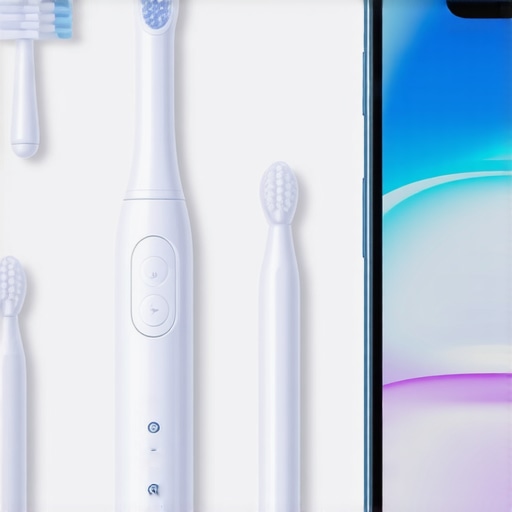
Image prompt: Close-up of a high-end electric toothbrush, interdental brushes, and a smartphone displaying a dental health app. Alt: Dental maintenance tools for long-term oral health. Title: Tools for Sustained Dental Care.
The Hardest Lesson I Learned About Veneers and Cosmetic Dentistry
One biggest realization struck me after my veneer procedure—perfection isn’t a one-time fix; it’s a daily commitment. Initially, I believed that getting veneers meant I’d never need to worry about staining or minor chips again. But I learned the truth: maintenance and proper habits are crucial. Neglecting routine care can lead to premature issues, regardless of how perfect your smile initially looks. This truly transformed my approach to cosmetic dentistry, emphasizing ongoing responsibility.
Why Rushing Your Smile Makeover Sometimes Backfires
In my eagerness to upgrade my smile, I considered many quick fixes, from DIY whitening kits to instant smile solutions. I now realize that haste often leads to costly setbacks. For example, opting for cheap veneers without professional assessment can cause mismatched shades or weak bonds. Patience and expert guidance foster long-lasting, natural results—something I wish I had prioritized from the start. It’s a reminder that quality always beats speed when it comes to your smile.
A Flawed Myth That Almost Cost Me My Confidence
I once believed that family dentistry was only about cavity fillings and cleanings. However, I discovered it’s the foundation that supports your entire oral health journey, especially when considering cosmetic options like crowns or veneers. Regular family dental visits revealed underlying issues that, if ignored, could undermine my aesthetic goals. This deepened my appreciation for ongoing oral health care—not just for beauty but for lasting functionality and well-being.
Curated Picks That Truly Changed How I View Dental Implants
I’ve found that staying informed through reputable resources makes a big difference. For anyone exploring dental implants, learning about innovations in implant technology opened my eyes to their evolving success rates and comfort. I trust the insights shared by leading experts, which helped me understand that choosing a skilled provider is vital. Browse through trusted sources and always ask your dentist about latest advancements for the best long-term results.
Embracing Your Power to Transform Your Smile and Life
Deciding to pursue veneers, crowns, or implants is more than a cosmetic upgrade—it’s a step toward renewed confidence and self-expression. My journey taught me that the true power lies in informed choices and consistent self-care. You have the tools—professional guidance, reliable resources, and a commitment to maintenance—to craft a smile that not only looks stunning but feels authentic and enduring. The future of your smile starts now; make the first move with confidence.