The backyard was quiet for exactly three seconds after that rogue baseball hit my face. Then came the metallic taste of blood and the sinking, hollow realization that my tongue was suddenly hitting a gap where my front tooth used to be. My nephew stood there, eyes wide as saucers, pointing at the grass. I did exactly what most people do in a blind panic: I picked up my tooth by the root and ran it under the kitchen tap to ‘sanitize’ it. Big mistake. Huge. That one split-second decision nearly cost me my smile permanently because I didn’t realize a tooth is more than just a piece of calcium; it is a living organ. Whether you are dealing with a sports injury or a freak household accident, knowing what to do in those first ten minutes is the difference between a simple replantation and a lifelong journey with dental implants. I learned the hard way that those delicate fibers on the root die the moment they are scrubbed or dried out. Today, I am going to walk you through the absolute best way to store that tooth so your dentist can actually fix it. Have you ever stood there, tooth in hand, wondering if you should just throw it in a tissue and rush to the car?
Why Your Kitchen Tap is an Enemy to Your Smile
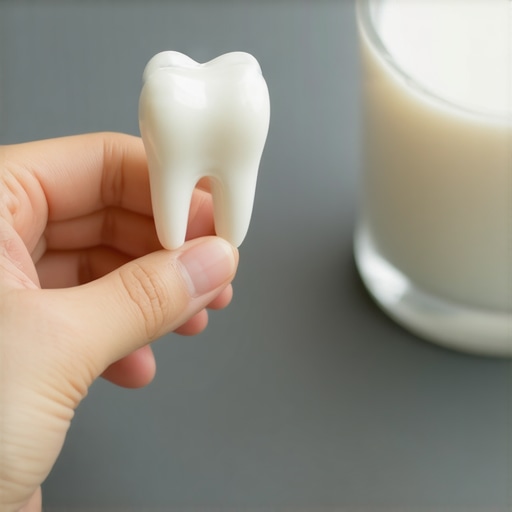
It sounds logical, right? If something falls on the ground, you wash it. But when I scrubbed my tooth with tap water, I was actually stripping away the periodontal ligament—the microscopic ‘velcro’ that helps the tooth reattach to your jaw. I wish I had known that proper family dentistry starts with emergency education long before the accident happens. If you are currently dealing with a chipped front tooth on a Friday night or a total avulsion, the goal is moisture, but not just any moisture. Plain water causes the cells on the root to swell and burst like overfilled balloons. It is a biological disaster. According to the American Association of Endodontists, your best bet is keeping the tooth in a specialized pH-balanced cell-preservation solution or, in a pinch, a glass of cold milk to keep those cells alive. [image_placeholder]
Will my dentist really be able to put this back in?
Many people think once a tooth hits the dirt, it is game over and time to look into veneers or crowns. I certainly did. I assumed my gap was permanent and started mourning my smile right there in the garden. But here is the reality: your mouth is incredibly resilient. If you keep those root cells alive and reach a dental professional within 30 to 60 minutes, the success rate for replantation is surprisingly high. The skepticism usually comes from the fear of the unknown—the ‘what if it does not take?’ factor. Even if the replantation is not a permanent fix, preserving the tooth now keeps your bone structure intact and buys you time to decide on future cosmetic options. You have to act fast, but you have to act correctly.
Hold the Crown and Protect the Root
Think of your tooth as a delicate piece of electronics. The crown—the white part you see when you smile—is the durable plastic casing, while the root is the complex, live wiring. If you touch that wiring with your fingers, you short-circuit the chances of it ever working again. When I picked up my tooth that day in the backyard, I grabbed it right by the bottom, unknowingly crushing the periodontal ligament. You must pick the tooth up by the chewing surface only. Even if it is covered in dirt, do not use your fingernails or a brush to clean it. If you have ever wondered why your tooth feels loose after a hard hit during sports, you know that the connection is already fragile. Scrubbing it is like trying to fix a scratched DVD with sandpaper; you are only making the damage permanent.
Skip the Sink and Find Some Milk
If the tooth is visibly dirty, you have to resist the urge to turn on the tap. I learned this lesson too late, but you do not have to. Plain water is biologically ’empty’ compared to the fluids your tooth is used to, causing the cells to literally explode from the inside out due to osmotic pressure. Instead, give it a quick 10-second rinse in a cup of cold milk. This acts as a temporary life-support system, keeping the cells hydrated without killing them. When my nephew had a similar spill last year, we did not even look for the sink; we went straight for the fridge. This simple pivot is what separates a quick fix from needing to research the future of dental implants. If you are a parent, this knowledge is one of the most vital family dentistry tips you can keep in your back pocket.
The Squeamish Secret to Success
If you have the stomach for it, the absolute best place for that tooth is back where it came from. Gently try to slide the tooth back into its socket. Use your fingers to align it and bite down on a clean piece of fabric or a tea bag to keep it steady. It should not require extreme force; if it does not go in easily, stop immediately. For those who cannot bring themselves to do it—or if you are trying to manage a toddlers first dental emergency safely—the next best storage unit is the inside of your cheek. Keeping the tooth bathed in saliva keeps the root alive and the pH levels stable. It is far superior to a dry tissue, which will suck the moisture out of the tooth like a vacuum, rendering cosmetic dentistry secrets and restoration efforts much more difficult for your doctor.
Watch the Clock and Drive Fast
You have a very specific window of opportunity before the cells on the root start to necrotize. Most dental professionals agree that if the tooth is replanted within 30 to 60 minutes, the prognosis is excellent. Once you hit the two-hour mark, the chances of your body accepting the tooth back into the jaw drop significantly. I wasted twenty minutes looking for a bandage for my face when I should have been focused on the tooth. I was worried about a scrape that would heal in a week, while ignoring a tooth that would take a lifetime to replace. Every minute that tooth spends outside of a biological environment, the microscopic fibers on the root are dying off one by one. Do not worry about the blood or the swelling for now; focus entirely on keeping that tooth moist and getting to a professional who can splint it in place. Whether you end up needing veneers or crowns later, saving the natural tooth today is the priority.
Let’s dig deeper into the nuance of dental survival. While we all want to save our natural teeth, sometimes the heroics of replantation lead to a hidden trap: inflammatory resorption. This is where your body, confused by the trauma, begins to break down the tooth root from the inside out. According to research published by the International Association of Dental Traumatology (IADT), the long-term success of an avulsed tooth depends heavily on the state of the periodontal ligament at the moment of replantation. If you notice the reason your teeth look grey after a dental injury, it is a sign that the internal pulp has died, and you are no longer just dealing with a ‘saved’ tooth, but a biological liability that could eventually require an extraction.
Replantation is Only a Biological Placeholder
Common wisdom suggests that once the tooth is back in the socket, the danger has passed. I used to believe that too. But the reality is that a replanted tooth often acts as a temporary bridge to keep your bone density stable while you plan for the future. Many people make the mistake of skipping their follow-up appointments once the initial pain subsides, only to find that the tooth has fused to the bone in a process called ankylosis. This makes a future veneers transformation or implant much more complex. Have you ever fallen into this trap of thinking a quick fix was a permanent solution? Let me know in the comments.
Why did my saved tooth turn a strange shade of shadow-grey?
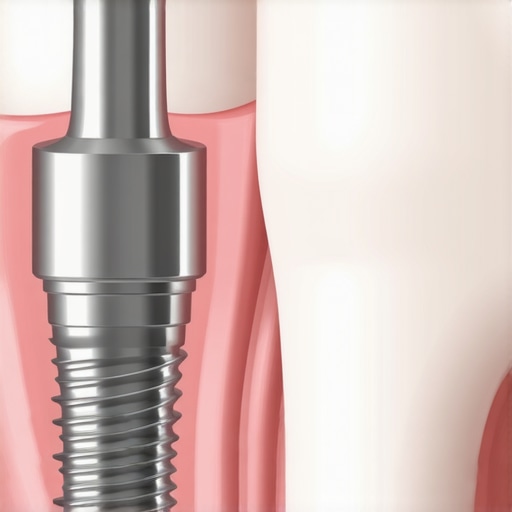
When a tooth changes color after an accident, it is often the result of internal bleeding or pulp necrosis. This is the moment where cosmetic dentistry becomes a necessity rather than a luxury. If the root is still healthy but the color is off, you might face a choice between internal bleaching or masking the damage. However, you must be careful; I’ve seen countless people rush into a cover-up only to complain about why your new veneers feel bulky against your lips. This happens when the restoration is placed over a tooth that hasn’t been properly prepared for the change in dimension. If the tooth cannot be aesthetically saved, moving toward dental implants 2025 innovations that redefine comfort and durability is often the more predictable path for a lifelong smile.
Avoid the Piano Key Restoration Trap
If you do end up needing a replacement or a cover for a traumatized tooth, do not fall for the ‘ultra-white’ trap. This is the mistake that makes porcelain veneers look like piano keys—choosing a shade and shape that ignores the natural translucency of your surrounding teeth. True expertise in the future of dental implants and restorations lies in matching the subtle imperfections of your natural smile. A single tooth that is ‘too perfect’ will stand out more than a slightly chipped one. Always ask your dentist to show you the mock-up in natural sunlight, not just under the harsh clinical LEDs of the office, to ensure your result looks human, not plastic.
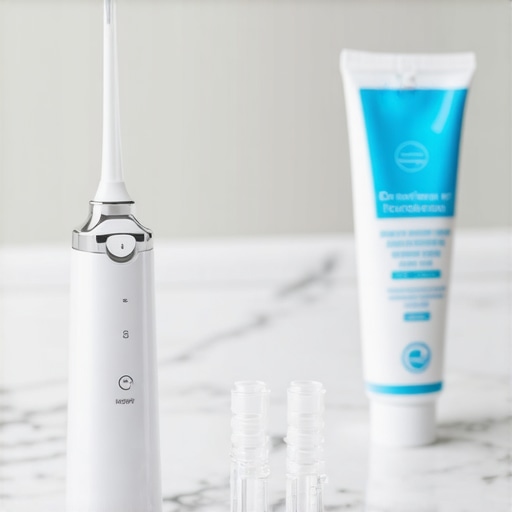
Once you’ve successfully navigated the emergency room or the cosmetic dentist’s chair, the real work actually begins. I used to think a dental implant or a set of veneers meant I could finally relax my routine, but I was wrong. The maintenance phase is where most people fail because they treat these high-tech restorations like indestructible porcelain. In reality, you need to be more vigilant than ever. I personally rely on a high-end water flosser equipped with a specialized plaque-seeker tip. Unlike traditional floss, which can sometimes shred and get caught in the delicate margins of a veneers transformation, the targeted water pressure flushes out the microscopic biofilm that manual brushing misses. If you don’t keep that area pristine, you will eventually find yourself wondering why your gums look dark red around a specific dental crown.
Don’t Let Your New Smile Fade Away
One tool I recommend to everyone is a custom-fitted occlusal guard. I never sleep without mine. When you invest in cosmetic dentistry secrets to boost your confidence, the last thing you want is to grind that investment into dust while you sleep. Stress-induced bruxism is the number one silent killer of dental work. I’ve seen people snap a $2,000 implant crown in half simply because they skipped their night guard for a week. To keep it clean, you should learn how to remove the smell from your plastic night guard at home using non-abrasive cleaners, as scratched plastic becomes a breeding ground for bacteria that can migrate to your gums.
How do I maintain my dental restorations over the next decade?
The secret is consistency and the right chemicals. I avoid any toothpaste with high RDA (Relative Dentin Abrasivity) values. Many ‘whitening’ pastes use silica that acts like liquid sandpaper, which is a disaster for restorations. According to a landmark study in Clinical Oral Implants Research, the longevity of an implant is directly tied to the health of the surrounding soft tissue, and harsh abrasives can cause micro-scratches that harbor pathogens. I also suggest regular check-ups to ensure you are not missing the red flags that your dental implant is being rejected, which can happen years after the initial surgery if maintenance slips. Looking ahead, I predict the next decade will bring bioactive coatings for implants that actually release localized antibiotics, but for now, your best defense is a disciplined home routine. These family dentistry tips are not just for kids; they are the blueprint for keeping your adult smile functional until you’re ninety. My challenge to you: switch to a pH-neutral, low-abrasive toothpaste today and notice the difference in how your gums feel within a week.
The Lessons That Saved My Smile After the Panic
If I could go back to that afternoon in the backyard, I would have stopped the clock. The biggest lesson I learned is that a saved tooth is a biological victory, even if it eventually needs support from cosmetic dentistry secrets to boost your confidence. Replanting a tooth buys you years of bone stability, which is the secret currency of your jaw. Without that root, your bone begins to resorb, making the future of dental implants much more complex and expensive. I now view replantation not as a permanent fix, but as a critical placeholder that preserves my natural anatomy.
Another hard-won realization was that the ‘success’ of an emergency isn’t just about the tooth staying in; it’s about the nerve. I learned that even a perfectly replanted tooth might need a root canal later, but having the natural tooth in place keeps the surrounding teeth from shifting. It is a game of millimeters and minutes.
The Only Tools I Use to Protect My Investment
To keep my restorations looking human and healthy, I rely on a few non-negotiables that I have vetted through personal trial. First, I always check my smile in natural light because the reason your veneers look different in sunlight versus indoors is a real phenomenon that can make or break your aesthetic results. I also trust the American Association of Endodontists’ mobile guides for emergency protocols; they provide the most up-to-date clinical steps for any trauma. I also keep a pH-balanced preservation solution in my travel kit, as it keeps root cells alive significantly longer than milk. Finally, I never travel without a custom-fitted night guard to prevent stress-grinding from chipping my dental work. [image_placeholder]
Your New Chapter Starts with One Decision
Your smile is a living part of your history, not just a cosmetic asset. Whether you are currently recovering from a sudden sports injury or you are carefully planning a veneers transformation unlocking your best smile yet, remember that your actions today dictate your oral health for the next several decades. Modern dentistry offers incredible second chances, but those chances are highest when you act with informed confidence. Don’t let a moment of fear define your future look. If you are feeling overwhelmed by a recent injury, reaching out to a professional through a contact us page is the fastest way to get your plan back on track. Reliable family dentistry is about more than just cleanings; it is about having a partner who can guide you through these high-stakes moments. Have you ever had a dental emergency that completely changed how you care for your teeth? Let me know in the comments below.